In the evolving landscape of aesthetic medicine, radiofrequency (RF) treatments have garnered significant attention for their promise of skin rejuvenation without the risks and downtime associated with surgical procedures. These non-invasive or minimally invasive modalities utilize controlled RF energy to stimulate collagen production, tighten skin, and improve overall texture, offering a refreshed appearance. This editorial explores what RF treatment can realistically change about your skin and facial contour, and more importantly, what it cannot, helping to set informed expectations for those considering this popular option.
RF lifting, often dubbed radiofrequency skin tightening, leverages radiofrequency waves to gently heat the dermal layers beneath the skin’s surface without damaging the epidermis. This heat activates fibroblasts, the skin cells responsible for producing collagen and elastin—key proteins that maintain the skin’s elasticity and firmness. With age and environmental exposure, the natural synthesis of these proteins declines, leading to sagging skin, fine lines, and a loss of youthful volume. RF treatments aim to counteract these signs by encouraging the skin’s natural regenerative processes.
This article is designed for individuals exploring non-surgical options to combat mild to moderate skin laxity, early signs of aging, or those seeking to complement ongoing skin maintenance regimens. It will elucidate the mechanisms behind RF technology, differentiate among the various types of RF procedures available today, and critically examine the realistic outcomes one can expect. Understanding these nuances is vital for anyone aiming to make thoughtful choices aligned with personal aesthetic goals.
What Is Radiofrequency Skin Tightening and How Does It Affect the Skin?
Radiofrequency skin tightening is a technique that delivers targeted RF energy to the deeper layers of the skin, raising the temperature in the dermis to stimulate collagen remodeling without disrupting the surface. Unlike invasive surgical facelifts that physically lift and reposition facial tissue, RF skin tightening promotes the skin’s intrinsic healing mechanisms to improve firmness gradually.
When RF energy penetrates the skin, it causes thermal stimulation that activates fibroblasts to produce new collagen fibers and strengthens existing ones. This process, called neocollagenesis, leads to tissue contraction and skin tightening over subsequent weeks to months following the treatment. The increased collagen and elastin fibers enhance the skin's resilience and reduce the appearance of fine lines, contributing to a plumper and more youthful complexion.
Importantly, RF treatments do not involve cutting or removing skin. Instead, they rely on controlled heat to initiate subtle remodeling. This makes the procedure suitable particularly for those experiencing early or mild symptoms of aging, such as slight drooping or crepiness, who are not yet candidates for surgical intervention.
What Are the Different Types of RF Treatments and Their Distinctions?
The domain of RF skin treatments encompasses several modalities varying in invasiveness and technical approach. Understanding these can help in selecting the appropriate treatment matching individual skin conditions and goals.
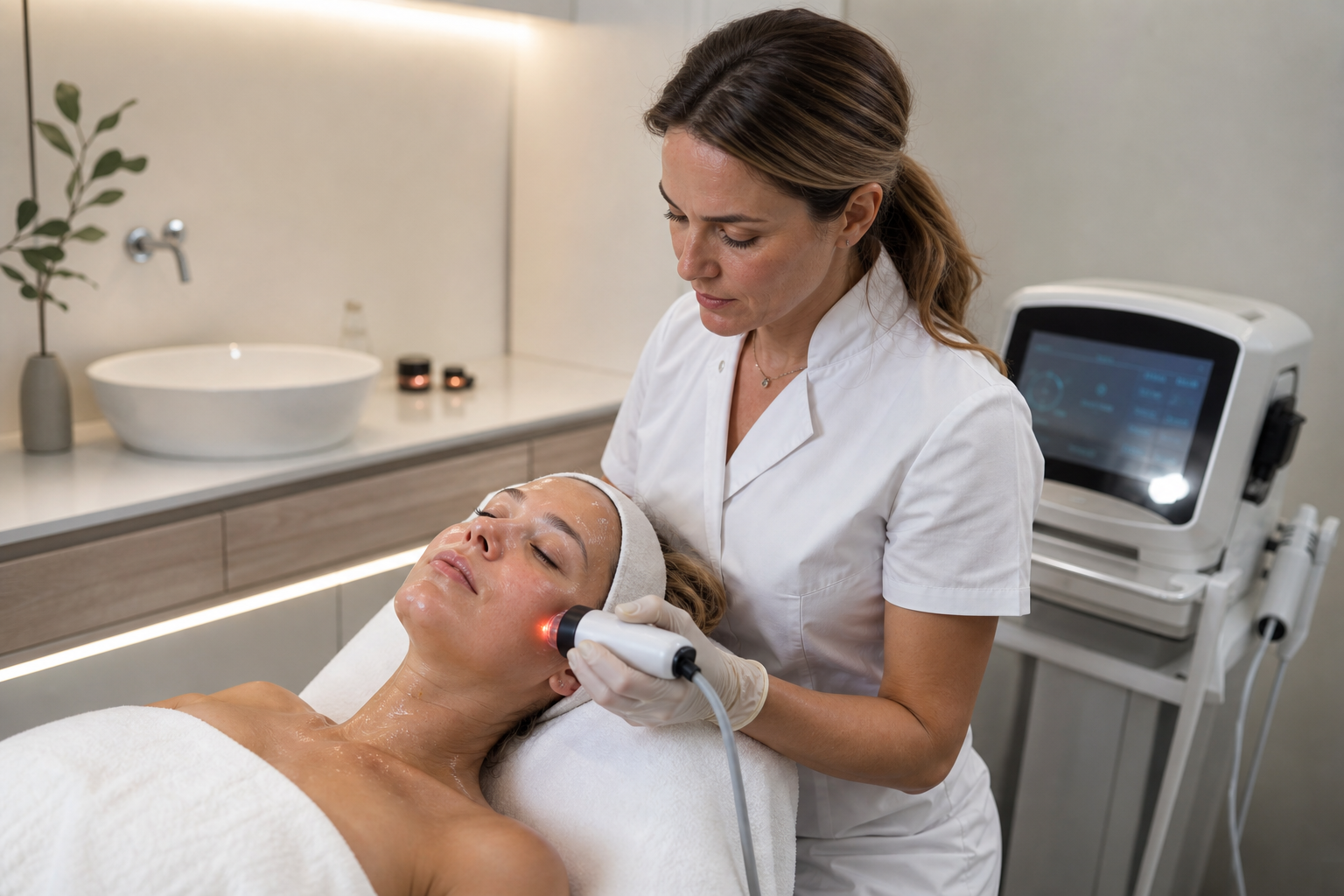
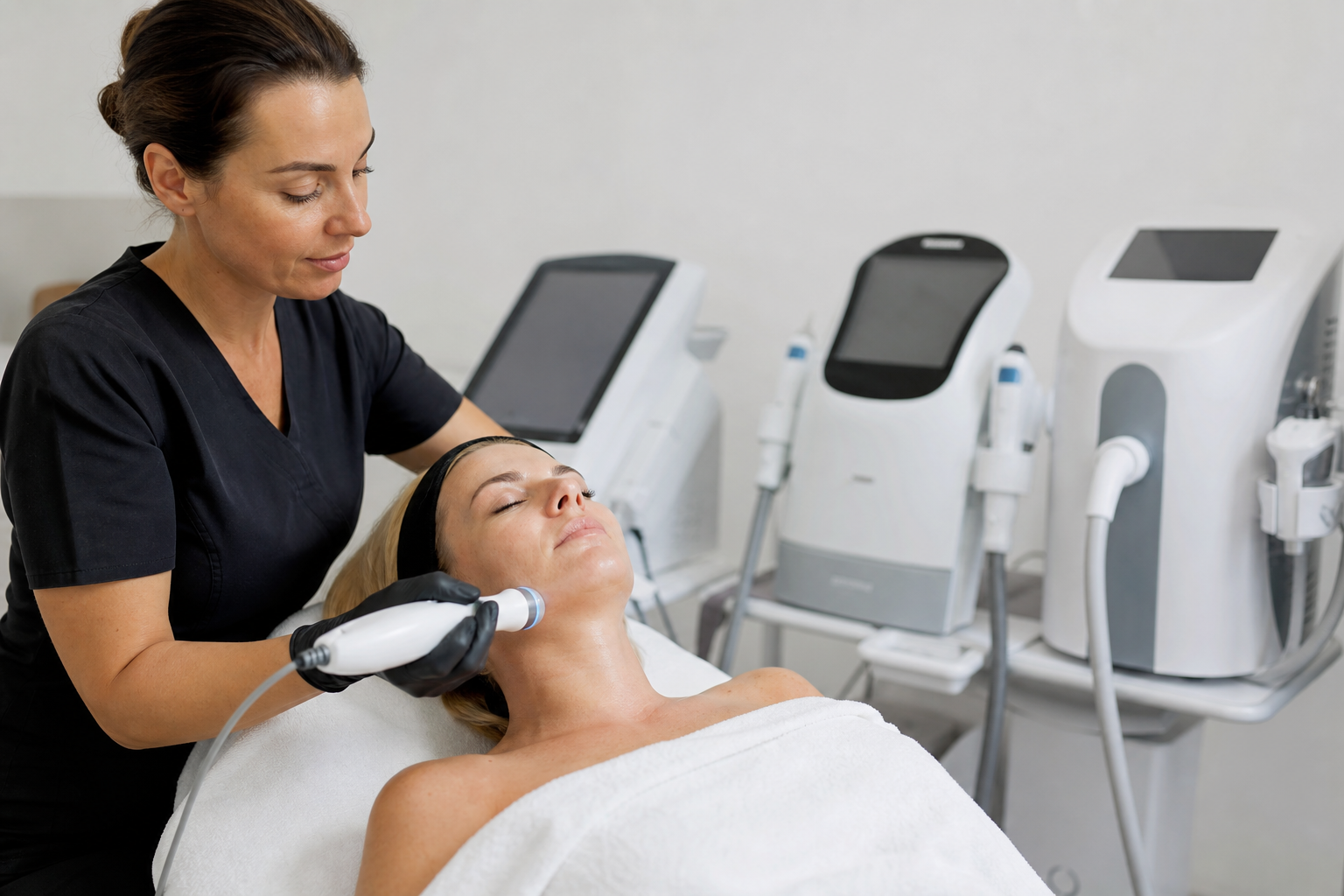
Non-invasive RF treatments: These devices typically deliver RF energy through handheld applicators moving over the skin’s surface. They work on superficial and mid-dermal layers without piercing the skin, making the procedure painless with no recovery time. These are ideal for mild skin laxity and general maintenance.
Fractional RF without needles: This technology distributes RF energy in fractional zones, creating microthermal zones of controlled heat beneath the epidermis. Although it penetrates deeper than traditional non-invasive RF, it does not breach the skin barrier, resulting in minimal side effects. This method enhances skin texture and elasticity with a slightly more pronounced effect.
RF microneedling: Combining microneedling with RF energy, this approach uses fine needles to penetrate the skin and deliver RF waves directly into the dermis. The mechanical injury from needles prompts collagen production, and the addition of RF amplifies this effect. It is effective for more pronounced skin concerns, including deeper wrinkles, acne scars, and uneven texture. A short recovery period may be required.
Minimal invasive RF procedures: These involve deeper penetration with microneedles or probes that supply heightened RF energy levels, sometimes in combination with other therapies. They aim for significant tightening and remodeling effects, bridging the gap between non-invasive treatments and surgical options. These treatments usually require downtime and are recommended for moderate to severe skin laxity.
What Changes Can RF Treatment Effectively Achieve on the Skin?
RF treatments produce a suite of beneficial skin changes aligned with the goals of mild to moderate rejuvenation:
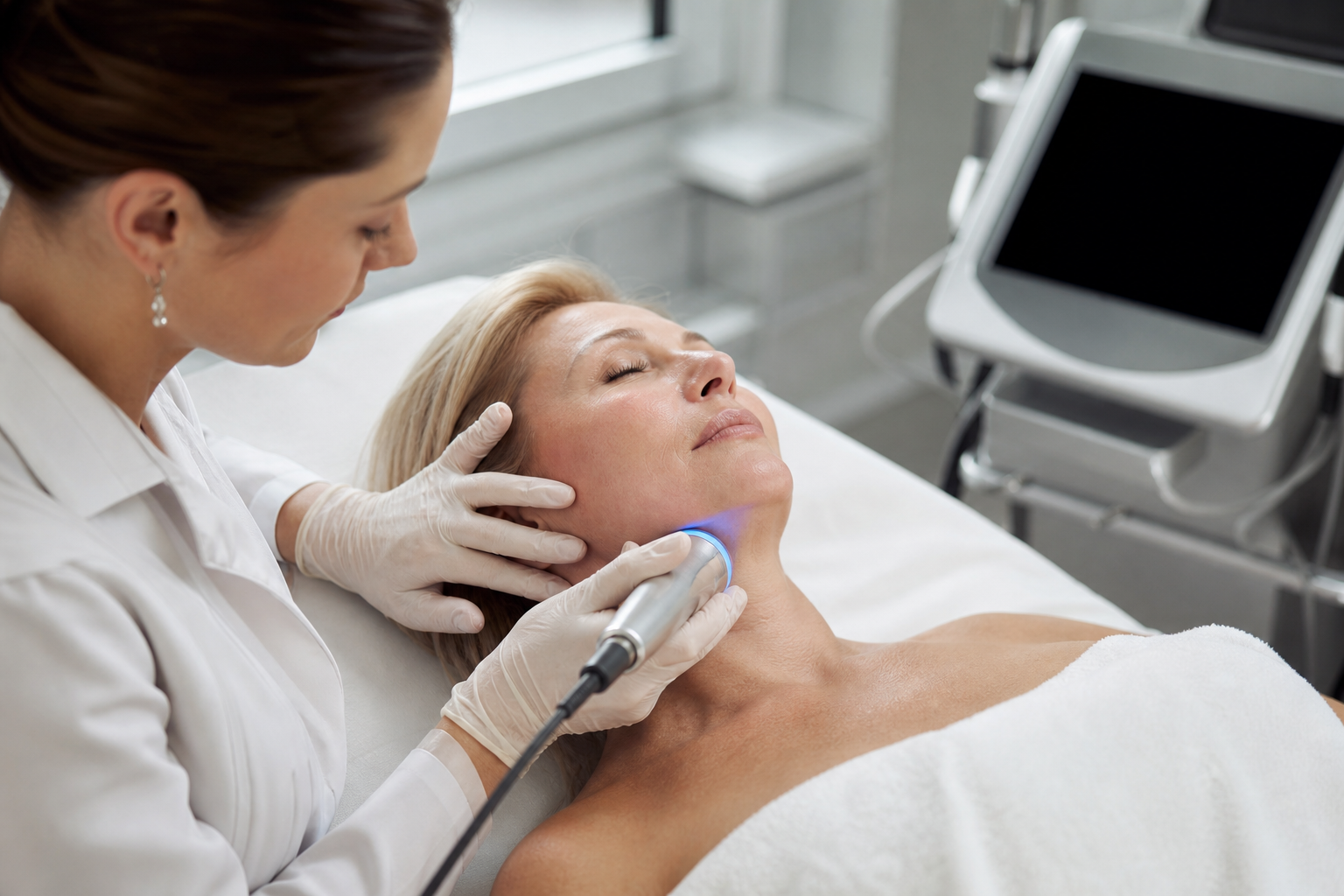
Skin tightening and improved elasticity: Regular RF sessions increase collagen density, restoring skin's resilience. This is especially beneficial for areas prone to mild sagging such as the jawline, cheeks, and neck, resulting in a firmer and more lifted appearance.
Reduction of fine lines and superficial wrinkles: By enhancing the skin's structural proteins, RF treatment can soften superficial wrinkles, particularly around delicate zones like the eyes and mouth, resulting in a smoother surface.
Enhanced skin texture and radiance: Improved collagen and elastin content support better hydration and reduce roughness, giving the skin a healthy glow and refined feel.
Support for skin impacted by weight loss or pregnancy: RF can moderately address mild to moderate skin laxity that develops post significant body changes, aiding in skin retraction on the abdomen, thighs, or face.
What Limitations Should Patients Understand? Why RF Is Not a Replacement for Surgical Facelift?
While RF treatments offer valuable benefits, it is critical to comprehend their constraints to avoid disappointment:
Inability to physically lift deep tissues or muscle: Unlike surgery, RF energy does not reposition underlying musculature or fascia. Patients with significant tissue descent or muscle laxity will not gain substantial lifting from RF alone.
No removal of excess skin: Surgical facelifts excise redundant skin to achieve a taut contour. RF methods only improve the quality and tighten existing skin but cannot reduce skin bulk, limiting effectiveness in cases of pronounced loosening.
Insufficient for deep wrinkles or heavy scarring: Although RF microneedling can help, treatments cannot fully eliminate deep expression lines or extensive scar tissue, which often require more aggressive interventions.
Temporary nature of results: Collagen stimulation effects gradually diminish as natural aging continues. Maintenance sessions are essential to prolong benefits, distinguishing RF from permanent surgical outcomes.
Who Is the Ideal Candidate for RF Lifting and When Should It Be Chosen?
RF lifting is best suited for individuals:
• Exhibiting early to moderate signs of aging such as mild skin looseness, fine lines, or loss of radiance.
• Seeking non-invasive or minimally invasive rejuvenation methods without downtime.
• Wanting to delay or complement surgical interventions by maintaining skin health.
• Who either cannot or prefer not to undergo surgery due to health, lifestyle, or personal reasons.
It is less appropriate for patients with advanced skin laxity, significant skin redundancy, or deeper wrinkles who would derive more benefit from surgical or combined approaches.
What Is the Patient Experience During and After RF Treatments?
Treatments typically last between 20 to 60 minutes, depending on the target area and device used. The sensation during the procedure is generally described as a soothing warmth. Modern RF devices often include cooling mechanisms to enhance comfort and protect the epidermis.
Post-treatment, patients usually experience minimal to no downtime. Temporary redness, mild swelling, or a slight warming sensation is possible but generally subsides within hours. Normal activities can be resumed immediately.
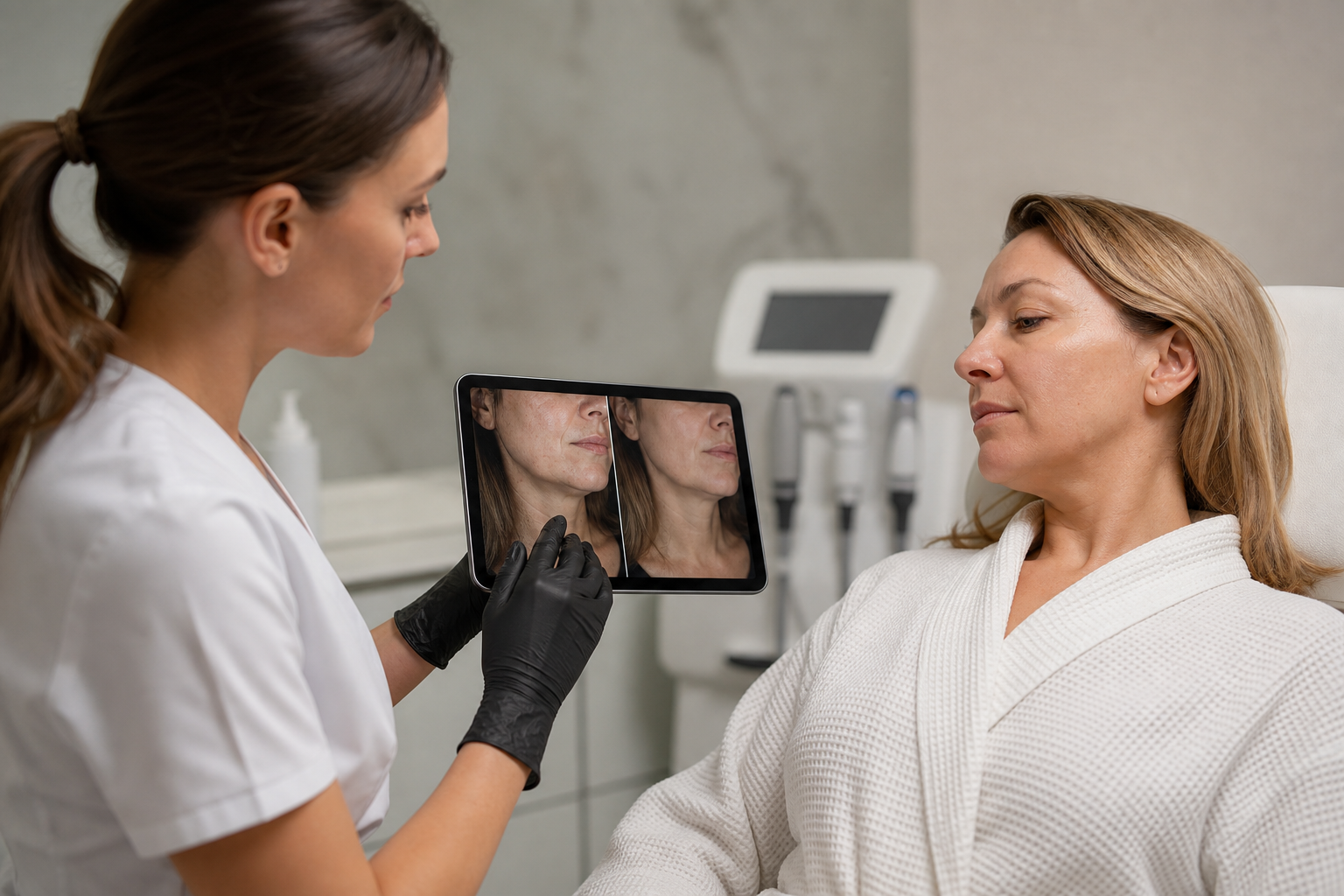
Results are subtle initially but become more apparent over 4 to 12 weeks as collagen synthesis progresses. A series of treatments spaced weeks apart is usually recommended to optimize and maintain results.
How Should Patients Maintain and Enhance RF Treatment Results?
Maintaining RF benefits involves:
• Scheduling regular maintenance sessions every three to six months tailored to skin condition and aging progression.
• Following a comprehensive skincare routine with moisturizers, antioxidants, and daily sun protection to preserve collagen integrity.
• Adopting lifestyle choices that support skin health—adequate hydration, balanced nutrition, avoidance of smoking, and limited UV exposure.
• Considering adjunct therapies such as chemical peels or mesotherapy under professional guidance to complement RF effects.