In the ever-evolving world of laser treatments, the diode laser stands out as a pivotal technology for various dermatological and cosmetic procedures. This advanced laser system utilizes semiconductor technology to emit a specific wavelength of light that interacts with the skin and hair follicles in targeted ways. Understanding diode laser technology is crucial for individuals seeking effective and long-lasting solutions for skin and hair concerns, as well as for professionals aiming to optimize treatment outcomes.
This comprehensive guide delves into the fundamental principles behind diode laser technology, its wide range of applications, and the results one can expect from treatments utilizing this laser type. From hair removal and skin rejuvenation to pigmentation correction and vascular therapies, the diode laser offers versatile and efficient options. This article is designed for those considering laser treatments, dermatologists, cosmetic practitioners, and laser technology enthusiasts who wish to deepen their knowledge of this impactful device.
Why does diode laser technology matter today? As the demand for non-invasive, safe, and effective skin procedures grows, selecting the right laser system becomes paramount. The diode laser’s unique characteristics ensure targeted effectiveness with minimal discomfort and downtime, making it a popular choice in advanced laser treatments. Learning about its capabilities, benefits, limitations, and operational nuances empowers both patients and practitioners to make informed decisions that enhance treatment satisfaction and safety.
What is Diode Laser Technology and How Does It Work?
Diode lasers operate by using semiconductor diodes to produce coherent light at specific wavelengths, typically in the near-infrared spectrum, commonly ranging from 800 to 980 nanometers. This wavelength penetrates the skin sufficiently to target melanin within hair follicles or chromophores in pigmented or vascular lesions while sparing surrounding tissues. The precise absorption and depth of penetration make diode lasers particularly suitable for hair removal and various skin therapies.
At its core, diode laser technology involves the conversion of electrical energy into light energy within a solid-state diode. The emitted laser light is then delivered to the treatment area via fiber optic or articulated arm systems, ensuring precise control of energy density and spot size. Adjustable pulse durations and cooling mechanisms incorporated into modern diode laser devices enhance patient comfort by protecting the epidermis during treatment.
This technology contrasts with other laser systems such as Alexandrite or Nd:YAG lasers, which operate at different wavelengths better suited for specific skin types or concerns. The diode laser’s wavelength strikes an effective balance, allowing safe applications across a range of skin phototypes, particularly Fitzpatrick types I through IV.
Which Patients Benefit Most from Diode Laser Treatments?
The versatility of diode laser technology makes it appealing to a broad demographic. However, certain patient profiles are particularly well-suited to benefit from diode laser procedures. For hair removal, individuals with darker, coarse hair and lighter skin tones achieve optimal results due to higher melanin contrast, facilitating effective follicle targeting.
With advancements in diode laser parameters and cooling systems, it is increasingly effective for patients with medium skin tones (Fitzpatrick III-IV) and even some darker skin types, reducing the risk of pigmentary changes or burns that were once concerns. In terms of skin rejuvenation, patients aiming to correct mild pigmentation irregularities, superficial vascular lesions, and improve skin texture without invasive interventions find diode laser therapies advantageous.
Patients seeking non-surgical options for vascular issues such as spider veins or telangiectasia also find diode laser treatments beneficial. The laser's selective targeting of oxyhemoglobin allows for vascular lesion reduction with minimal discomfort and high precision.
What Are the Primary Applications of Diode Laser in Advanced Treatments?
The diode laser’s capabilities extend across several prominent areas in aesthetic and dermatological care. Here, we explore the key applications in detail.
Laser Hair Removal: Diode lasers have become the gold standard for long-term hair reduction. The laser light selectively destroys hair follicles by targeting melanin, leading to gradual hair thinning and permanent reduction over multiple treatment sessions. Their wavelength allows penetration deep into follicles while maintaining epidermal safety.
Skin Rejuvenation: Utilizing controlled laser energy, diode systems can stimulate collagen remodeling and promote skin tightening. Targeting superficial pigmentation and enhancing skin texture, these treatments provide non-ablative rejuvenation options with minimal recovery times.
Pigmentation Correction: Hyperpigmentation disorders such as melasma or sun spots respond well to diode laser therapies due to selective melanin absorption. Adjusting parameters allows for precise targeting without undue tissue damage, providing clearer, more even-toned skin.
Vascular Lesion Treatment: Conditions like rosacea, spider veins, and certain angiomas benefit from diode laser therapy. The laser helps coagulate and collapse affected blood vessels, reducing their appearance while preserving surrounding tissue health.
How Does a Diode Laser Compare to Other Laser Types in Treatment Efficacy and Safety?
Understanding the distinctions between diode lasers and other prevalent laser types is essential when planning treatment. Alexandrite lasers operate at shorter wavelengths (~755 nm) and are effective for fine hair and lighter skin tones but pose higher risks for darker skin due to intense melanin absorption in the epidermis. Nd:YAG lasers, on the other hand, function at longer wavelengths (~1064 nm), penetrating deeper and being safer for darker skin but sometimes less effective in hair follicle targeting.
Diode lasers strike a middle ground, offering effective penetration and melanin targeting with enhanced epidermal protection. This makes treatments safer for a wider range of skin types and improves comfort through integrated cooling systems. Furthermore, the versatility in pulse duration, spot size, and fluence adjustment allows for a customizable approach, balancing efficacy and patient safety.
In terms of side effects, diode lasers typically cause minimal discomfort, transient redness, and mild swelling, with very low incidences of burns or pigmentary alterations when operated by skilled professionals. The balance of safety and performance propels diode lasers as a preferred choice in many clinics worldwide.
What Should Patients Expect During and After Diode Laser Procedures?
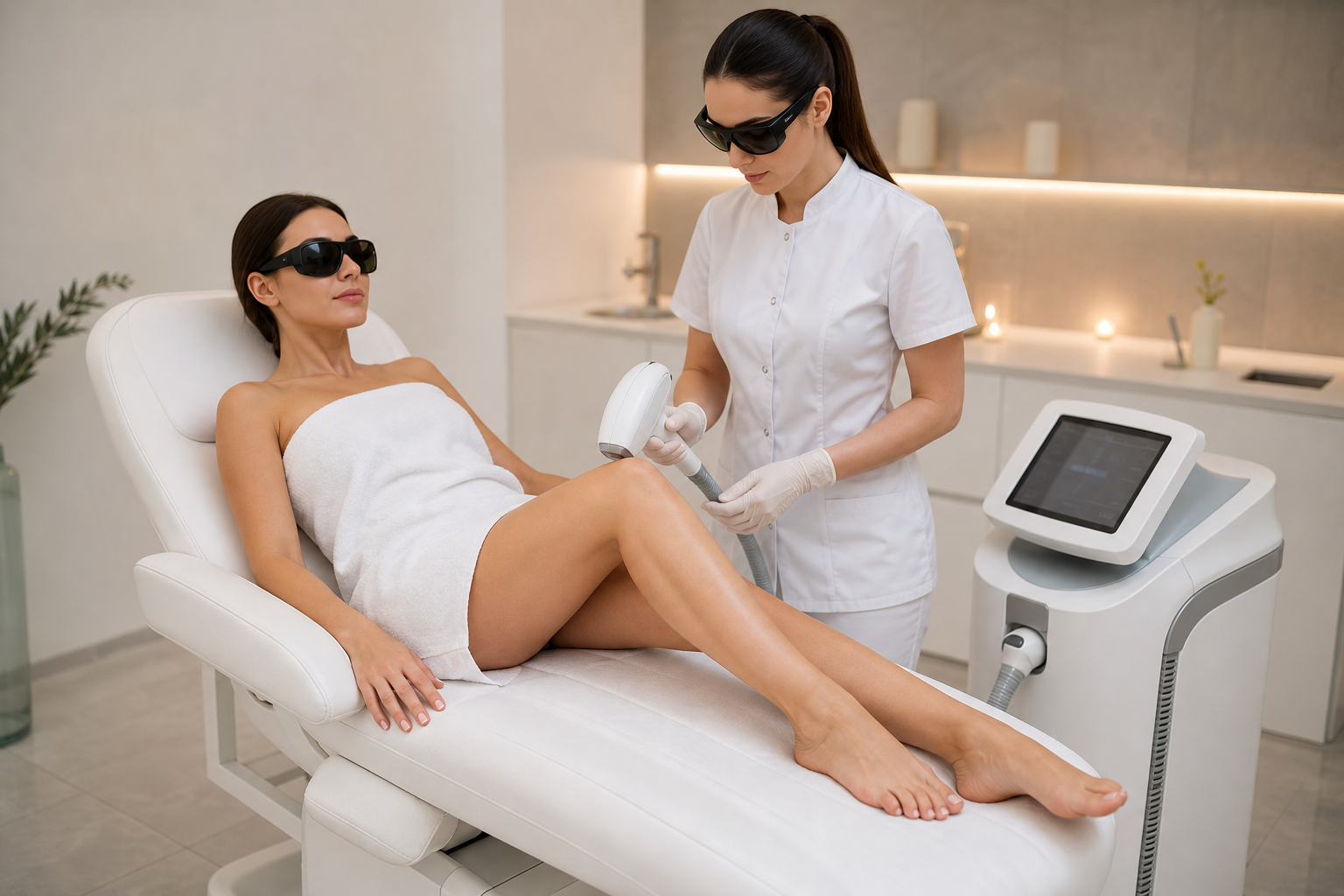
Preparing for a diode laser session involves consultation to assess skin type, hair characteristics, and treatment goals. On the day of treatment, the area is cleansed, and protective eyewear is provided. Cooling devices may be applied to the skin surface to reduce discomfort during laser energy delivery.
The treatment itself is typically quick, with session durations ranging from a few minutes for small areas to an hour for full-body applications. Patients often describe the sensation as a mild snapping or warmth on the skin. Post-procedure, there may be slight redness or swelling, akin to a mild sunburn, which usually resolves within hours to a couple of days.
Multiple sessions, usually spaced 4 to 8 weeks apart, are necessary for optimal results in hair removal or pigmentation treatment to accommodate hair growth cycles or skin regeneration. Patients are advised to avoid sun exposure and use sunscreen diligently to protect treated areas and reduce complications.
Long-term results generally entail significant reduction of unwanted hair, improved skin tone and texture, and minimized pigmentation or vascular concerns, enhancing confidence and skin health.
How Has Diode Laser Technology Advanced Over Time, and What Innovations Enhance Treatment Outcomes?
Diode laser systems have undergone significant evolution, improving precision, safety, and patient comfort. Early models offered limited wavelength options and basic cooling, restricting their use. Current devices integrate advanced contact cooling, dynamic pulse parameters, and computerized delivery systems that adapt to individual patient needs.
Recent breakthroughs include the development of portable, multi-wavelength diode laser platforms that combine wavelengths to treat a broader range of conditions simultaneously. Enhanced user interfaces facilitate precise energy modulation, reducing operator error and improving consistency.
The incorporation of real-time skin sensors and feedback mechanisms aids in customizing treatments, further minimizing risks and optimizing outcomes. These technological strides enhance the diode laser's role as a frontline tool in advanced laser procedures.
What Considerations Should Patients and Providers Keep in Mind When Choosing Diode Laser Treatments?
Selecting diode laser treatment involves evaluating skin type, treatment goals, existing medical conditions, and cost considerations. Patients with very dark skin or light hair may require alternative approaches due to melanin contrast challenges. Consultation with an experienced professional to discuss expectations, risks, and individualized treatment plans is essential.
Providers must ensure rigorous training in diode laser physics, parameter selection, and safety protocols to achieve optimal outcomes. Understanding the nuances of skin phototypes and lesion characteristics guides appropriate device settings. Additionally, patient education regarding pre- and post-care significantly impacts treatment success.
What Are Common Myths and Questions Surrounding Diode Laser Treatments?
One common misconception is that diode laser treatments guarantee permanent hair removal after a single session. In reality, multiple treatments are necessary due to hair growth cycles and follicular response variations. Another myth is that diode lasers are unsafe for darker skin tones. While care must be taken, modern diode lasers with appropriate settings and cooling mechanisms are suitable for many skin types.
Patients often ask about pain levels; while discomfort is minimal, topical anesthetics or cooling can further ease the experience. Questions regarding downtime are frequent; most diode laser treatments require little to no recovery time, allowing patients to resume normal activities promptly.


