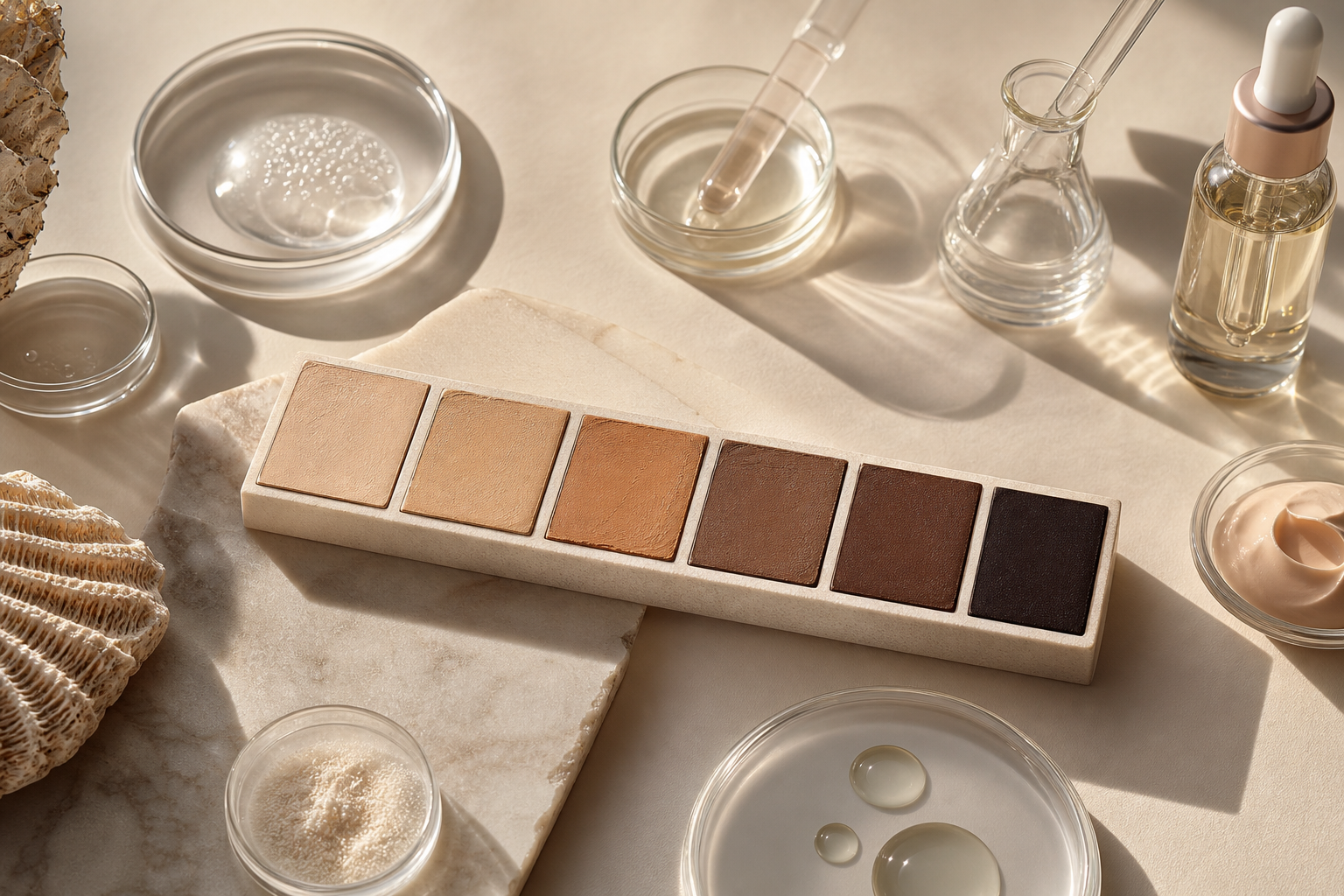
The Fitzpatrick Skin Type classification is a widely recognized system used to categorize human skin based on its response to ultraviolet (UV) light exposure, specifically how it burns and tans. Established in the mid-1970s by dermatologist Thomas B. Fitzpatrick, this six-type scale—ranging from Type I to Type VI—serves as a fundamental tool in dermatology and aesthetic medicine for assessing individual skin sensitivity to sunlight and guiding decisions around photoprotection and medical treatments such as laser therapy.
This classification is significant not only for clinicians and skincare professionals but also for individuals seeking to better understand their skin's behavior under sun exposure to adopt effective protective measures and suitable cosmetic interventions. The Fitzpatrick Skin Types provide insight beyond simple skin color or ethnicity, offering a more nuanced understanding rooted in the biological and photobiological characteristics of skin.
However, misconceptions often arise by equating these skin types directly with ethnicity or pigmentation alone, ignoring the complex interplay of genetic, environmental, and physiological factors influencing skin responses. Additionally, while the Fitzpatrick scale establishes a foundational framework, clinical context such as current tanning status, regional UV intensity, and the specific body area exposed must also be considered to assess risk accurately. This article aims to elucidate the origins, practical applications, limitations, and relevance of Fitzpatrick Skin Types today—particularly in the arena of laser procedures—and explain why these types should never be reduced to mere color charts or ethnic indicators.
What Are Fitzpatrick Skin Types and How Did They Originate?
The Fitzpatrick skin phototype classification was devised in 1975 by Dr. Thomas B. Fitzpatrick at Harvard Medical School. Originally crafted as a research tool to study the risk factors for skin cancer and the skin's reaction to UV radiation, the system categorizes skin according to how it responds to sun exposure—specifically the ease and degree of sunburn and ability to tan.
Crucially, Fitzpatrick's method incorporates subjective patient history of UV reaction rather than relying solely on skin pigmentation metrics. The scale classifies individuals into six types:
Type I characteristically burns easily and never tans, representing very fair skin often accompanied by red or blonde hair and light eyes. Type II also tends to burn easily but may develop minimal tanning. Type III sometimes burns and gradually tans to a light brown.
Type IV rarely burns and tans well to moderate brown. Type V very rarely burns and tans darkly easily. Finally, Type VI practically never burns and is deeply pigmented naturally, often seen in individuals with dark brown to black skin.
By assessing these responses, clinicians can better anticipate skin behavior under UV exposure and tailor treatment approaches accordingly. The Fitzpatrick scale became particularly valuable in fields like dermatology and cosmetic laser treatments, where understanding individual skin sensitivity is essential to minimize adverse effects and maximize efficacy.
Why Fitzpatrick Skin Types Are Not Simply Color or Ethnicity Labels
A common misunderstanding is to conflate Fitzpatrick classification directly with ethnicity or basic skin color. While pigmentation is a visible component, the Fitzpatrick system is fundamentally predicated on the skin’s physiological and photobiological responses rather than on mere pigment intensity or heritage.
For example, individuals of similar skin tones may exhibit markedly different UV responses due to variations in melanin distribution, skin thickness, genetic factors, or previous sun exposure patterns. Conversely, two people of different ethnic backgrounds may share the same Fitzpatrick skin type based on how their skin burns or tans.
This distinction matters because treatment decisions guided by the Fitzpatrick scale focus on predicting risks like sunburn, pigmentation changes, and potential for skin damage—the aspects directly related to photoreactivity rather than appearance alone. Thus, conflating skin type with race or color risks oversimplification that can lead to inappropriate skincare advice or treatment choices.
How Fitzpatrick Skin Types Assist in Laser Procedures and Risk Assessment
In laser dermatology, accurate Fitzpatrick phototyping is indispensable. Laser treatments rely on targeting melanin within hair follicles or skin to achieve results such as permanent hair reduction or pigmentation correction. The amount and distribution of melanin directly influence the absorption of laser energy—too little and the laser may be ineffective; too much and the risk of burns or pigmentary complications rises.
For lighter Fitzpatrick types (I through III), lasers can operate within wider safety margins because the contrast between hair pigment and skin pigment is higher, allowing for selective targeting with less collateral damage. For darker skin types (IV through VI), laser systems and parameters must be finely tuned—often employing longer wavelengths and lower fluences—to navigate the higher epidermal melanin that could otherwise absorb excessive energy and cause burns.
By identifying a patient’s Fitzpatrick skin type, laser practitioners can select appropriate settings including wavelength, pulse duration, energy density, and cooling methods to balance effectiveness with safety. This reduces the incidence of adverse events like post-inflammatory hyperpigmentation or scarring.
Additional Factors Impacting Phototype-Based Risk and Treatment Planning
While the Fitzpatrick system provides a primary baseline, comprehensive risk assessment for sun-induced skin reactions or laser procedures requires integrating other essential factors.
Current tanning status is a critical consideration. Recent sun exposure resulting in eumelanin buildup increases the skin’s sensitivity to laser treatments and UV damage. Thus, even those with a certain Fitzpatrick type may need adjusted treatment protocols if their skin is recently tanned or sunburned.
An individual’s detailed medical and exposure history—including previous photosensitivity reactions, use of photosensitizing medications or topical agents, history of skin disorders or scarring—further informs safe treatment planning.
The specific body area undergoing treatment also matters since skin thickness, hair density, and regional pigment distribution vary across the body and influence laser absorption.
Finally, the geographical location is relevant; patients in high UV index areas may have chronic photodamage or distinct tanning patterns influencing the baseline risk of adverse reactions.
Limitations and Cautions When Using Fitzpatrick Skin Types
Though invaluable, the Fitzpatrick scale is not without limitations. It originated from a relatively narrow patient demographic, primarily Caucasians, which means it may not fully capture the photobiological diversity present in global populations.
Moreover, its reliance on subjective self-reporting of burn and tan history can lead to inaccuracies. For patients with mixed ancestry or unusual tanning patterns, classification may be challenging or inconclusive.
Given these factors, Fitzpatrick skin typing should not be the sole determinant for clinical decisions, especially in aesthetic procedures requiring precision. Combining phototype assessment with objective tools such as reflectance spectrophotometry and clinical examination augments reliability.
Why Avoid DIY Skin Typing and the Role of Professional Evaluation
The temptation to self-identify skin type based on color charts or ethnic cues can lead to misclassification and risk. Determining an accurate Fitzpatrick type should involve a trained professional who can interpret patient history, skin responses, and physical examination findings collectively.
This is especially important prior to procedures like laser hair removal, where incorrect phototyping may result in inappropriate laser settings and increased adverse event risk. Professionals also consider other intrinsic factors and can educate patients on photoprotection tailored to their precise skin needs.
What to Expect When Undergoing Skin Assessment and Laser Treatment Based on Fitzpatrick Skin Typing
During consultation, a clinician will inquire about your typical sunburn susceptibility and tanning history to assign a Fitzpatrick skin type. They will also examine your skin’s current condition and any areas of pigmentation.
For laser treatments such as laser hair removal, the laser type, wavelength, fluence, and pulse duration will be adapted to your skin type to minimize risks while maximizing hair reduction efficacy. Providers often recommend sun avoidance or strict photoprotection before and after treatment due to skin sensitivity.
With darker Fitzpatrick types, there may be recommendations for specific laser technologies known for safety in higher melanin skin, and treatment sessions may be spaced differently to allow skin recovery.
Integrating Fitzpatrick Skin Types with Related Key Concepts in Skin Laser Therapy
The Fitzpatrick skin type is foundational but best understood alongside topics such as "Laser Hair Removal and Skin Type", which explores how skin characteristics influence laser outcomes; "Laser Hair Removal for Dark Skin", focusing on procedural adaptations for high phototypes; and "How Laser Settings Are Adapted to Skin Type", detailing technical adjustments necessary for safe treatments.
Patients and practitioners alike benefit from this comprehensive knowledge framework. It promotes informed decision-making and optimizes results while respecting the complexity of human skin beyond oversimplified color grouping.


