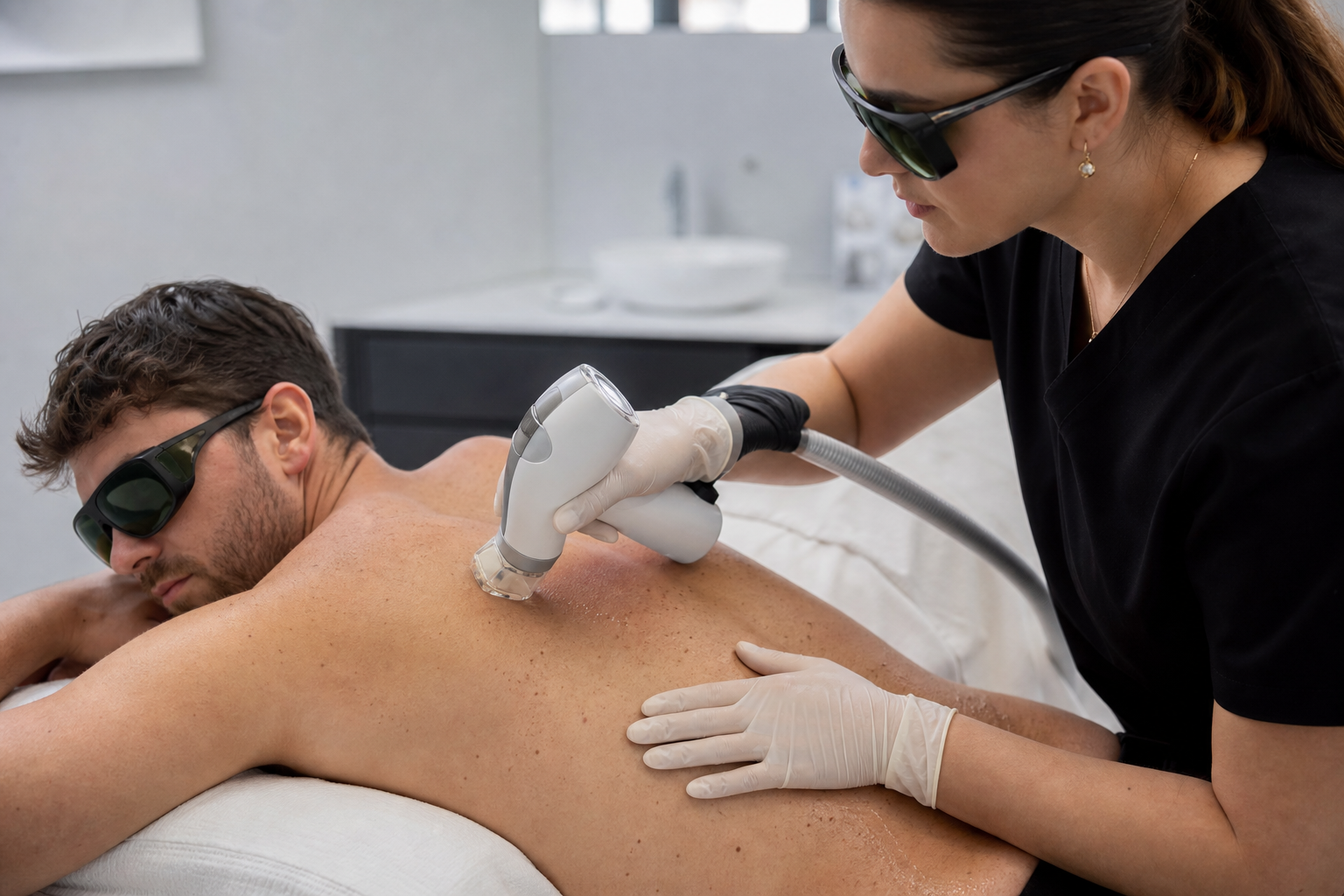
Laser hair removal is a popular cosmetic treatment designed to reduce unwanted hair growth by targeting hair follicles with concentrated light beams. Its increasing popularity among men has sparked a common and essential question: How painful is laser hair removal for men? This inquiry is particularly relevant given that male hair typically differs in density, thickness, and distribution compared to female hair, factors that could influence the discomfort level experienced during treatment.
Understanding the pain associated with laser hair removal for men is crucial not only for managing expectations but also for planning appropriate preparation and aftercare. This article aims to explore the nuances of pain during male laser hair removal, consider the various factors that impact pain perception beyond gender, and provide a comprehensive overview of the treatment experience across different body areas frequently treated in men.
Men considering laser hair removal for regions such as the chest, back, shoulders, neck, or beard will find this detailed exploration valuable in making informed decisions. By shedding light on what to expect and how to mitigate discomfort, this guide serves prospective patients and those curious about the realities of laser hair removal for men.
What Factors Determine the Sensation During Male Laser Hair Removal?
The sensation felt during laser hair removal does not depend solely on one's sex but is influenced by an array of factors. Primarily, hair density and caliber play significant roles. Male hair tends to be denser and coarser, containing more melanin, which absorbs laser energy, potentially intensifying the sensation of heat and irritation.
Furthermore, the specific body area undergoing treatment affects pain perception. Areas with thinner skin or more nerve endings, such as the neck and beard, typically feel more sensitive compared to regions with thicker skin like the back or shoulders. The laser device settings—including wavelength, energy intensity, and pulse duration—are often calibrated to match the hair and skin type but can influence the degree of sensation experienced.
Modern laser hair removal machines are equipped with cooling systems designed to mitigate discomfort by protecting the skin’s surface and reducing heat buildup. Additionally, individual pain thresholds vary widely, influenced by psychological aspects like anxiety and preparedness, alongside physical conditions such as skin sensitivity or inflammation.
How Does Pain Vary Across Different Male Body Areas in Laser Hair Removal?
Each treated region can elicit a different sensation during laser hair removal, influenced by anatomical and hair characteristics.
Chest: The skin on the chest is generally thicker and the hair less dense when compared to other male areas. Most men describe the discomfort here as a mild stinging or snapping feeling, often likened to a rubber band flick. This sensation is typically tolerable and brief, usually decreasing as the session progresses.
Back: With one of the largest surfaces to treat and relatively thick skin, the back often endures the treatment relatively comfortably. Despite having dense hair in some cases, patients report only mild warmth and occasional twitching sensations. However, certain spots such as the lower neck or shoulder blades might be more sensitive, producing sharper but still manageable sensations.
Shoulders: The shoulder area has thinner skin and can feel more tender during treatment. The sensation is often described as a series of light pinpricks interspersed with brief warmth. Careful settings adjustment and proper cooling protocols ensure that pain remains minimal.
Neck: This area is notably more sensitive due to thinner skin, higher nerve concentration, and proximity to bones. Sensations can range from moderate tingling to sharper, more intense stinging. Adequate skin cooling and slower laser application help alleviate discomfort in this sensitive zone.
Beard area: Laser hair removal on the beard is frequently the most challenging in terms of discomfort. Facial hair is typically the thickest and darkest, absorbing laser energy intensely. Patients often report strong sensations of heat, burning, or sharp stings. Despite this, these feelings are transient and manageable with appropriate professional techniques.
What Is Normal Discomfort and When Should Treatment Be Paused?
Experiencing some level of discomfort during laser hair removal is expected and considered normal. Typical sensations include brief stinging or snapping feelings comparable to a rubber band's snap against the skin. Slight redness and minor swelling immediately following treatment are also common and usually resolve quickly.
However, clients and practitioners must recognize warning signs indicating the potential for adverse reactions or injury that necessitate stopping the procedure. Such signs include sudden severe pain that does not diminish after a pause, persistent burning or overheating sensations, formation of blisters or blackened skin areas, and intense redness or swelling that worsens rather than improves over time.
Failing to halt treatment when these symptoms arise can lead to skin damage or long-lasting complications. Immediate consultation with a dermatologist or the laser specialist is crucial in such instances to ensure proper care and avoid further harm.
Why Should Men Avoid Using Numbing Creams Without Professional Supervision?
While the idea of applying anesthetic creams to reduce the pain of laser hair removal may seem appealing, it carries inherent risks without expert guidance. Some numbing agents can cause allergic reactions or irritate the skin, potentially worsening discomfort rather than relieving it.
Furthermore, these creams might interfere with the laser’s effectiveness or the protective cooling mechanisms integrated into advanced laser systems. Over-application or inappropriate use can compromise treatment safety and outcomes.
Professional laser practitioners prefer to manage pain through tailored laser settings and advanced cooling technologies rather than rely on topical anesthetics. Men considering numbing options should seek medical advice before use to ensure safety and optimal treatment results.
How Can Men Prepare Their Skin to Minimize Discomfort During Laser Hair Removal?
Proper preparation can significantly reduce the sensation of discomfort during laser hair removal. Key pre-treatment steps include avoiding sun exposure, tanning beds, or other sources of skin irradiation for at least two weeks before appointments, as sunburned or irritated skin heightens sensitivity and increases risk of complications.
Men should refrain from shaving immediately before the treatment—shaving 24 to 48 hours in advance allows hair follicles to settle, reducing irritation. Avoiding scented lotions, alcohol-based products, or any potential skin irritants on the treatment area enhances skin resilience.
Psychological preparedness, such as practicing relaxation and stress-reduction techniques, can also decrease perceived pain. Consulting with an experienced laser technician to customize treatment parameters ensures that individual skin and hair characteristics are optimally accommodated, further mitigating discomfort.
How Many Laser Hair Removal Sessions Do Men Typically Need, and Does Pain Vary Over Time?
The course of laser hair removal for men generally entails between six and eight sessions, depending on the treated area and individual hair growth patterns. Notably, the degree of discomfort often evolves throughout treatment progression.
Initial sessions may feel more intense as hair follicles are thicker, more numerous, and pigments more concentrated, leading to heightened laser absorption and associated sensations. Over time, the number of active hairs diminishes, and remaining hairs tend to be finer and less dense, typically resulting in reduced pain levels during subsequent treatments.
Areas like the beard and neck might require more sessions due to persistent coarse hair, whereas larger areas such as back and shoulders often see quicker progress with milder discomfort. Regular consultations allow practitioners to adjust laser parameters and cooling protocols in response to each individual’s tolerance and hair reduction status.
What Role Do Advanced Cooling Systems and Safety Protocols Play in Reducing Pain for Men?
Modern laser hair removal employs sophisticated cooling technologies to enhance patient comfort and protect skin integrity. These systems work by chilling the skin's surface before, during, and after laser pulses, reducing thermal buildup and stinging sensations.
For men, particularly in sensitive areas like the neck and beard, these devices are essential in managing discomfort while permitting effective hair follicle targeting. They also reduce inflammation and decrease the likelihood of adverse side effects.
Beyond cooling, strict adherence to safety protocols, including skin assessments and dose adjustments, ensures that treatments are both effective and tolerable. Regular monitoring of skin response allows clinicians to intervene promptly if unusual discomfort or skin changes occur.


