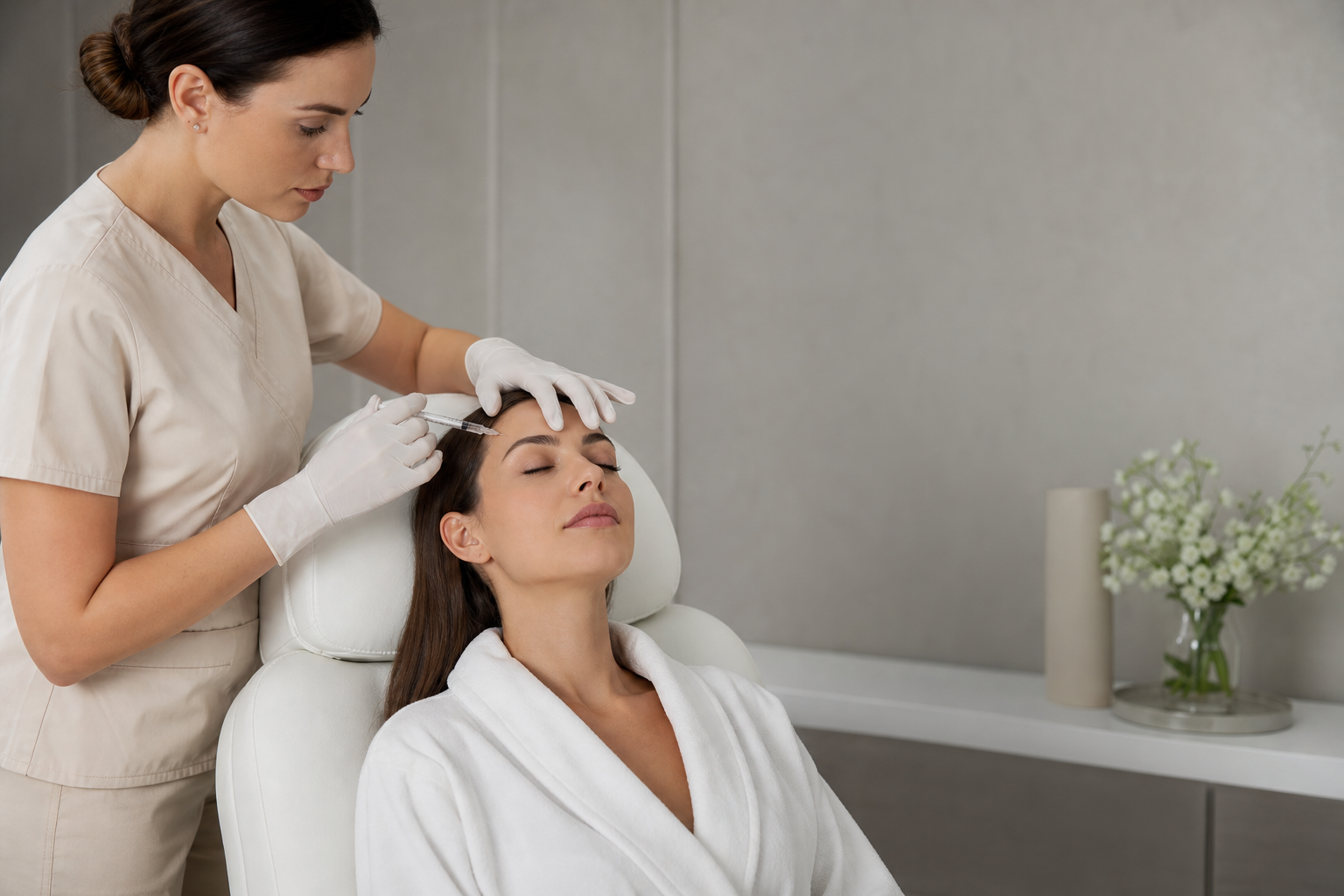
Botox, a popular cosmetic treatment, has become synonymous with facial rejuvenation by effectively smoothing wrinkles and preventing new signs of aging. It operates by temporarily relaxing targeted facial muscles, thereby reducing the dynamic lines that form from repetitive muscle movements such as frowning or squinting. For individuals seeking a non-surgical solution to enhance their appearance, understanding when Botox fully takes effect is crucial for setting realistic expectations and appreciating the nuances behind the treatment’s outcomes.
This article delves into the timeline and mechanisms underlying Botox’s action, providing a comprehensive view tailored for both newcomers considering the treatment and experienced patients wishing to deepen their understanding. Beyond merely explaining when Botox starts to work, it explores factors influencing the onset and intensity of results, addresses limitations, discusses safety considerations, and underscores the importance of professional consultation. Awareness of this information is vital for anyone wanting to maximize the benefits of Botox and navigate the treatment process confidently.
By presenting a clear, practical analysis situated within the broader context of Botox application and safety, readers will gain insight into the essential considerations surrounding evaluation of results. Knowing when and how to assess the full effect after injection empowers patients to make informed decisions and collaborate effectively with their specialists for optimal outcomes.
The Science Behind Botox and Its Activation Timeline
Botox consists of a purified neurotoxin derived from Clostridium botulinum bacteria, designed to interrupt nerve signals that trigger muscle contraction. Upon injection into designated facial muscles, Botox inhibits the release of acetylcholine, a neurotransmitter responsible for activating muscle fibers. This blockade leads to temporary muscle relaxation, smoothing out wrinkles caused by habitual facial expressions.
Importantly, the onset of Botox’s effects is not instantaneous. The process begins subtly; typically, patients notice initial changes within 24 to 72 hours after treatment as the neurotoxin begins to take effect at the neuromuscular junction. However, the full smoothing and relaxation effect develops gradually over subsequent days.
Research and clinical experience show that maximal results generally emerge between 7 and 14 days post-injection. During this window, the neurotoxin fully diffuses and blocks muscle activity sufficiently to allow the overlying skin to relax and tighten. Nevertheless, individual response times may vary due to physiological differences, injection technique, and treatment parameters. Patience during this waiting period is essential to avoid premature judgments about efficacy.
Factors Influencing the Speed and Intensity of Botox Effects
While the typical timeline provides a general framework, several variables can affect how quickly and robustly Botox manifests its benefits. One primary consideration is individual metabolic rate. The body’s capacity to process and eliminate the neurotoxin can shorten or prolong the duration and strength of the wrinkle-reducing effects. Patients with faster metabolism may observe a shorter treatment effect lifespan, necessitating tailored dosing or frequency.
The administered dosage and injection precision significantly impact outcomes. Experienced clinicians carefully calculate the appropriate units of Botox needed to achieve balance between visible improvement and natural facial movement. Targeting specific muscle groups with accurate placement optimizes aesthetic results and minimizes adverse effects such as asymmetry or unintended muscle weakness.
Previous exposure to Botox also plays a role. First-time recipients may require longer or slightly different protocols to achieve desired results compared to those with ongoing maintenance treatments. Moreover, repeated muscle relaxation over months can sometimes lead to partial muscle atrophy, potentially changing response dynamics.
Skin quality and age-related changes likewise influence efficacy. Botox effectively addresses dynamic wrinkles but is less impactful on static lines caused by skin laxity or loss of collagen and elasticity. Therefore, combining Botox with other treatments such as dermal fillers might be advisable for comprehensive rejuvenation, especially in advanced age or significant photoaging cases.
Ideal Timing and Techniques for Evaluating Botox Results
Evaluating Botox’s full effect is a critical step in the treatment journey, guiding decisions about potential touch-ups or complementary procedures. The optimal assessment interval falls between one and two weeks after injection, coinciding with the period when maximum muscle relaxation and wrinkle smoothing are expected.
During follow-up visits, specialists observe the treated areas under both static conditions and facial movements to assess symmetry, smoothness, and overall aesthetic improvement. Comparing pre-treatment photographs with current appearance facilitates objective evaluation and documentation.
Patient feedback on sensation, expression ability, and satisfaction also informs the assessment. Communication about any discomfort, unexpected stiffness, or dissatisfaction is essential to address concerns promptly.
If results at the initial evaluation are insufficient, a carefully planned supplemental Botox dose can enhance or prolong the effects. Such touch-ups are typically administered around two weeks following the initial injection, allowing enough time for the first treatment to stabilize before adjustment.
Limitations of Botox and Managing Expectations
Recognizing the scope and boundaries of Botox is vital to avoid unrealistic expectations. Botox excels at treating dynamic wrinkles—those lines that emerge due to repeated muscle contractions, such as forehead lines, glabellar frown lines, and crow's feet. However, it is not designed to remedy static wrinkles, which are visible when the face is at rest and often result from tissue thinning and collagen loss.
Deep furrows or volume deficiencies require alternative or adjunctive therapies like dermal fillers, laser resurfacing, or surgical interventions. Consequently, Botox should be viewed as a potent but specific tool within the broader arsenal of aesthetic treatments rather than a universal solution for all signs of aging.
Patients should aim for a natural, refreshed look rather than complete erasure of all lines, which may appear artificial. Open dialogue with the treating professional about objectives, limitations, and alternative options ensures alignment of expectations and fosters satisfaction.
Safety Considerations and the Importance of Expert Consultation
When administered by qualified and experienced professionals, Botox maintains a strong safety profile with few serious adverse effects. Nonetheless, thorough pre-treatment consultation is paramount, allowing evaluation of the patient’s medical history, allergies, medications, and contraindications.
An individualized treatment plan tailored to the patient’s anatomy, lifestyle, and goals further mitigates risks. Post-treatment monitoring helps promptly identify any complications, such as local bruising, swelling, or rare allergic reactions. Should unexpected symptoms arise, early communication with the provider allows timely intervention.
For novices and repeat patients alike, yearly or biannual check-ups help manage the ongoing facial aesthetics effectively. Specialists also provide guidance on integrating Botox with other cosmetic procedures to maximize overall rejuvenation while preserving expressions and function.


