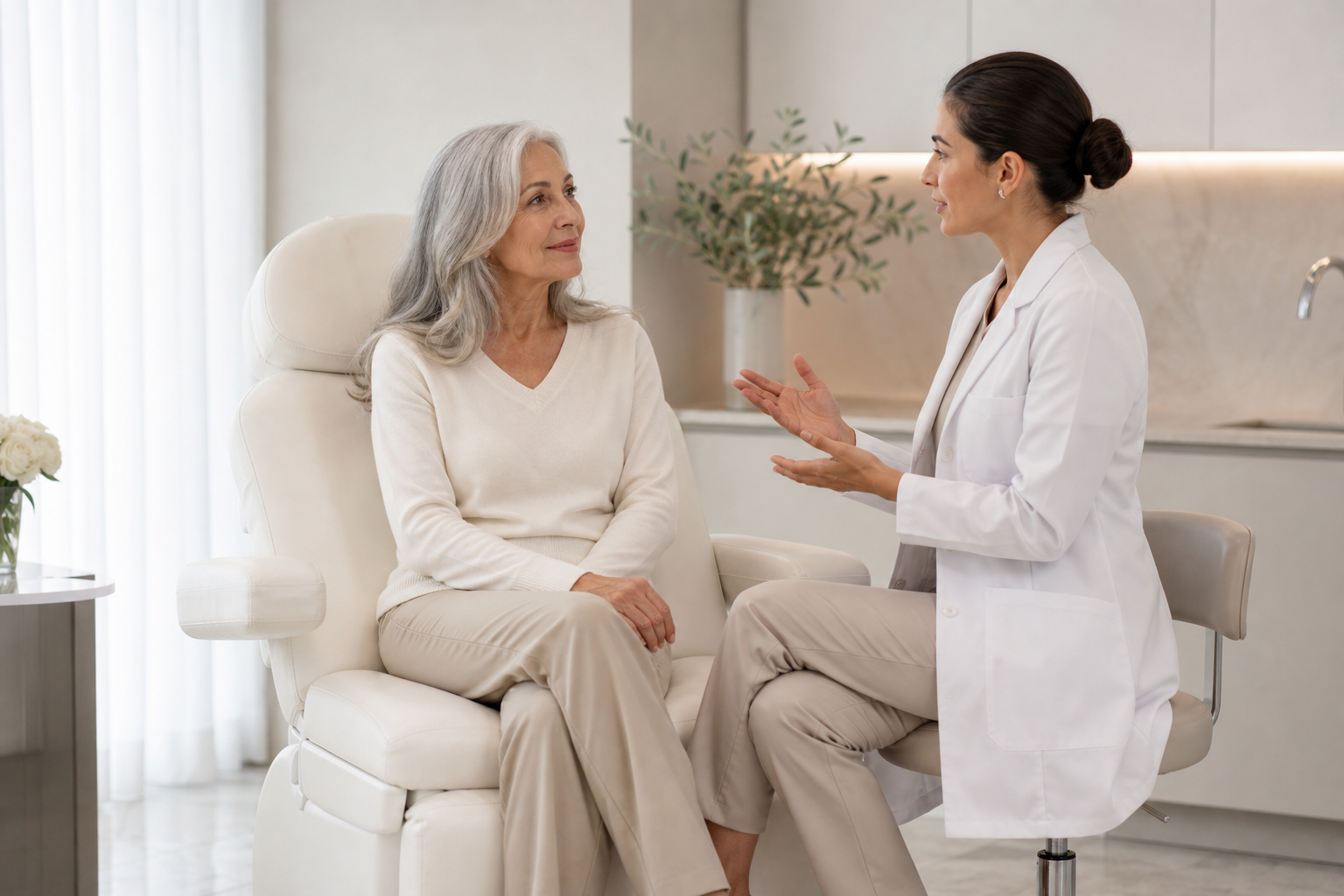
As we cross the threshold of sixty, the skin and facial muscles undergo significant changes that are both natural and inevitable. The elasticity of the skin diminishes, collagen layers thin out, and the appearance of wrinkles and lines becomes more pronounced. For individuals considering aesthetic enhancements at this stage of life, Botox represents a compelling option. However, Botox after sixty is not simply a cosmetic choice—it is a personalized journey that intertwines medical understanding, aesthetic goals, and an appreciation of the aging process unique to each person.
This article aims to provide a precise, expert, and practical examination of Botox application in individuals over sixty. It is crafted for mature adults who are curious about how Botox works for them, what results they can realistically expect, and what safety considerations they must keep in mind. Understanding the nuances of Botox use during this life stage matters greatly, because the changes brought on by aging demand a tailored approach to treatment, ensuring both effectiveness and safety. With a focus on personalized assessment, this editorial explores the mechanics of Botox, real-world expectations, limitations, and the indispensable role of consultation with qualified professionals.
Ultimately, Botox after sixty involves more than wrinkle reduction; it is part of a broader concept of rejuvenation and well-being, aimed at maintaining quality of life while respecting the natural transformation of aging skin and muscles. The careful balance between enhancing appearance and preserving individual character marks the sophistication of this treatment in later years.
The Unique Science of Botox Action in Individuals Over Sixty
Botox, a purified form of botulinum toxin, acts by temporarily blocking the transmission of nerve impulses to the muscles, resulting in muscle relaxation. This relaxation decreases the muscle contractions responsible for dynamic wrinkles—those lines that emerge through facial expression—commonly seen in areas like the forehead, around the eyes (crow's feet), and between the eyebrows.
In individuals over sixty, the effects and considerations of Botox differ markedly compared to younger patients. Aging brings about thinner, drier skin and weaker facial muscles, while wrinkles deepen due to years of repeated expressions and diminishing skin resilience. The altered physiology means that Botox's ability to soften muscle activity can yield different results; sometimes, the diminished muscle activity is already present, requiring more nuanced dosing to avoid an unnatural or overly flattened appearance.
Another consideration is the slower muscle movement observed with age, which may necessitate adjustments in Botox administration to achieve desired outcomes. Combining Botox with complementary treatments, such as hyaluronic acid fillers that restore facial volume and elasticity, often enhances the rejuvenation effect for those over sixty. It’s important to note, however, that Botox does not replace the substance and texture lost to aging but primarily targets muscle-induced lines.
Personalized Assessment: The Cornerstone of Effective Botox Treatment Post-Sixty
Every face tells a different story, shaped by genetics, lifestyle, and years of environmental exposure. Hence, Botox treatment for people over sixty must be handled with close attention to individual factors. A thorough initial assessment by a skilled practitioner involves analyzing skin condition, wrinkle depth, muscle tone, and overall health status.
For older adults, health considerations become paramount. Conditions such as autoimmune disorders, neuromuscular diseases, or osteoporosis can influence the safety and feasibility of Botox therapy. Even medications taken for these illnesses might interact or affect muscle function. Thus, a comprehensive medical history and sometimes laboratory tests help tailor the approach carefully.
Moreover, functional aspects of facial muscles deserve special attention. In mature patients, certain muscles not only affect appearance but also participate in essential actions like speaking and swallowing. Over-relaxing these muscles could inadvertently impair these functions, underscoring the necessity for treatment by physicians experienced in both aesthetics and facial anatomy.
Ultimately, such a personalized consultation ensures the Botox procedure harmonizes with the patient’s unique anatomy and health profile, maximizing efficacy while minimizing risks.
Setting Realistic Expectations for Botox Outcomes in the Senior Years
One of the most critical aspects of Botox treatment after sixty is understanding what can realistically be achieved. Botox excels at reducing the appearance of dynamic wrinkles—those that stem from muscle movement. However, it has limitations, particularly concerning static wrinkles, which are caused by prolonged skin laxity, volume loss, and other age-related factors.
Therefore, Botox is rarely a standalone solution for individuals with advanced signs of aging. Effective treatment plans frequently combine Botox with dermal fillers to replenish lost volume and improve contour, skin resurfacing techniques, or skin tightening procedures to address texture and firmness.
Another important element is that older skin metabolizes Botox somewhat differently, potentially leading to a shorter duration of muscle relaxation effects. This may necessitate more frequent maintenance sessions, which should be discussed during the personalized assessment. Excessive or aggressive Botox application is discouraged, particularly in older patients, to avoid unnatural facial expressions or muscle atrophy that can detract from the natural beauty of mature faces.
The overarching goal is to achieve subtle improvements that restore confidence without erasing the authenticity of one’s features, preserving individuality and dignity in every stage of life.
Ensuring Safety and Minimizing Risks When Using Botox in Mature Adults
Safety is the bedrock of any medical intervention, and Botox treatment for those over sixty is no exception. When administered by trained professionals in a controlled setting, Botox is generally safe with a low incidence of adverse effects. Nevertheless, the older population may have a different risk profile due to chronic conditions, medication use, and changes in tissue characteristics.
Potential side effects, while uncommon, include bruising, mild muscle weakness, headaches, or asymmetry in facial expression. Older skin’s fragility may predispose to more visible bruising or swelling. Therefore, meticulous injection techniques are essential to minimize trauma.
A vital safety measure is a detailed pre-treatment consultation and medical history evaluation. Screening for contraindications such as neuromuscular diseases or allergies is imperative. The choice of Botox product quality and authenticity also plays a crucial role in ensuring treatment success and safety.
Post-treatment care recommendations, including avoidance of strenuous activity, cold exposure, or massaging the treated area, support optimal healing and reduce the risk of side effects.
The Essential Role of Expert Consultation in Botox Procedures for Older Adults
Engaging with a qualified healthcare professional who specializes in aesthetic medicine is indispensable for anyone over sixty contemplating Botox. Such consultation allows for a comprehensive discussion of medical history, aesthetic aspirations, and individualized treatment plans.
The specialist’s expertise brings profound insights into balancing safety with effectiveness, identifying subtle contraindications, and managing patient expectations realistically. This interaction also opens the door for recommendations on complementary aesthetic procedures that may address aspects that Botox alone cannot.
Moreover, effective communication fosters trust and ensures patients feel respected and informed, which substantially enhances satisfaction with their treatment journey. In the dynamic field of aesthetic medicine, expertise and personalized care remain the highest priorities.
Integrating Botox into a Holistic Approach to Age-Related Rejuvenation
For people entering their sixties and beyond, Botox use transcends an isolated cosmetic intervention. It is part of a multifaceted strategy embracing lifestyle, skincare, and wellness. Optimal skin health at this stage stems from synergy between topical care, proper nutrition, hydration, sun protection, and restorative sleep.
Incorporating Botox alongside other non-invasive treatments—such as fillers, chemical peels, laser therapies, and skin tightening technologies—creates layered benefits that more comprehensively address the complex process of aging. A gentle, integrative approach respects the natural evolution of one’s appearance, avoiding abrupt or artificial alterations.
This philosophy places self-care and medical science in harmony, representing a contemporary paradigm in the pursuit of graceful aging. Botox, when personalized and wisely integrated, becomes an empowering tool that enhances quality of life and self-esteem for mature adults.


