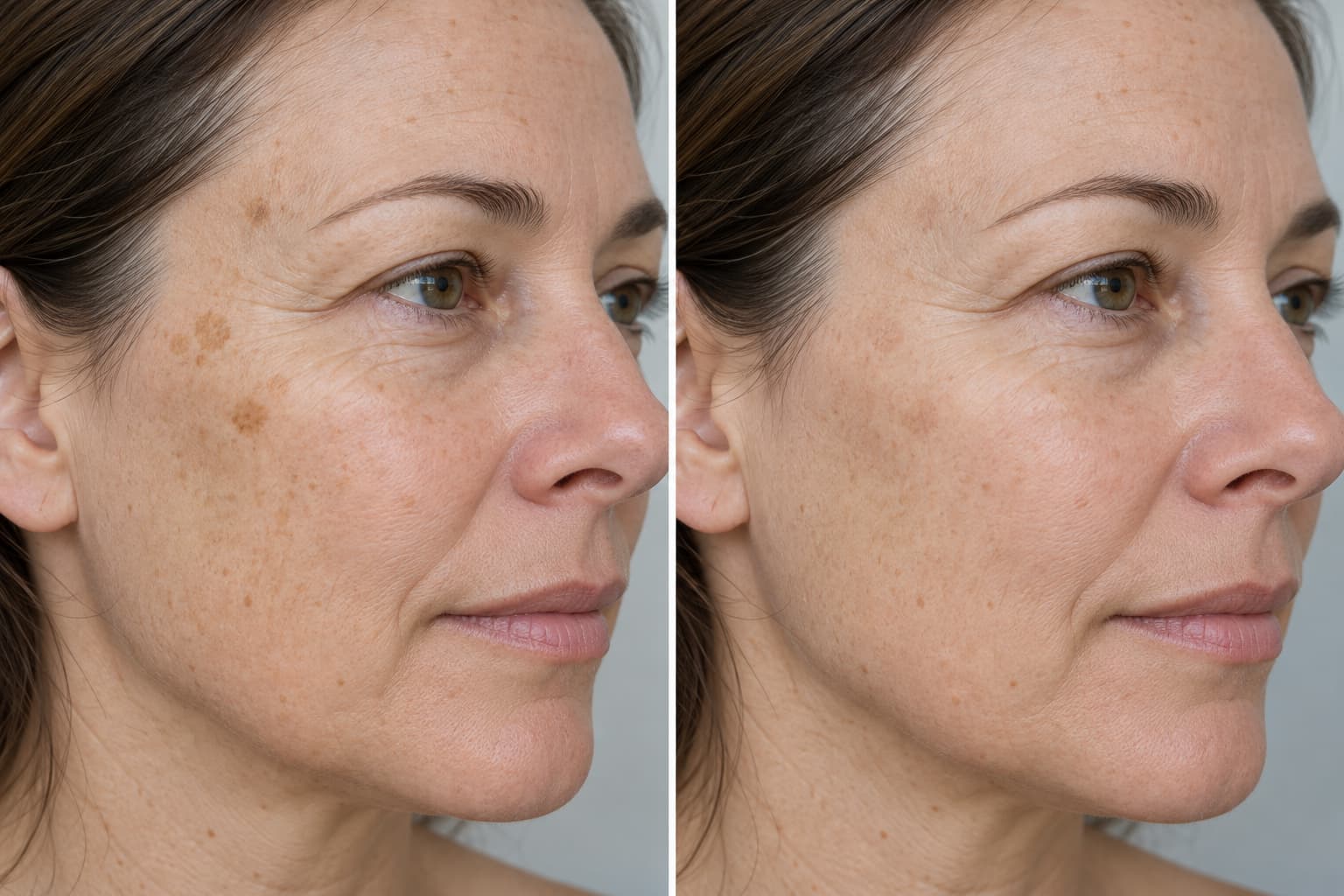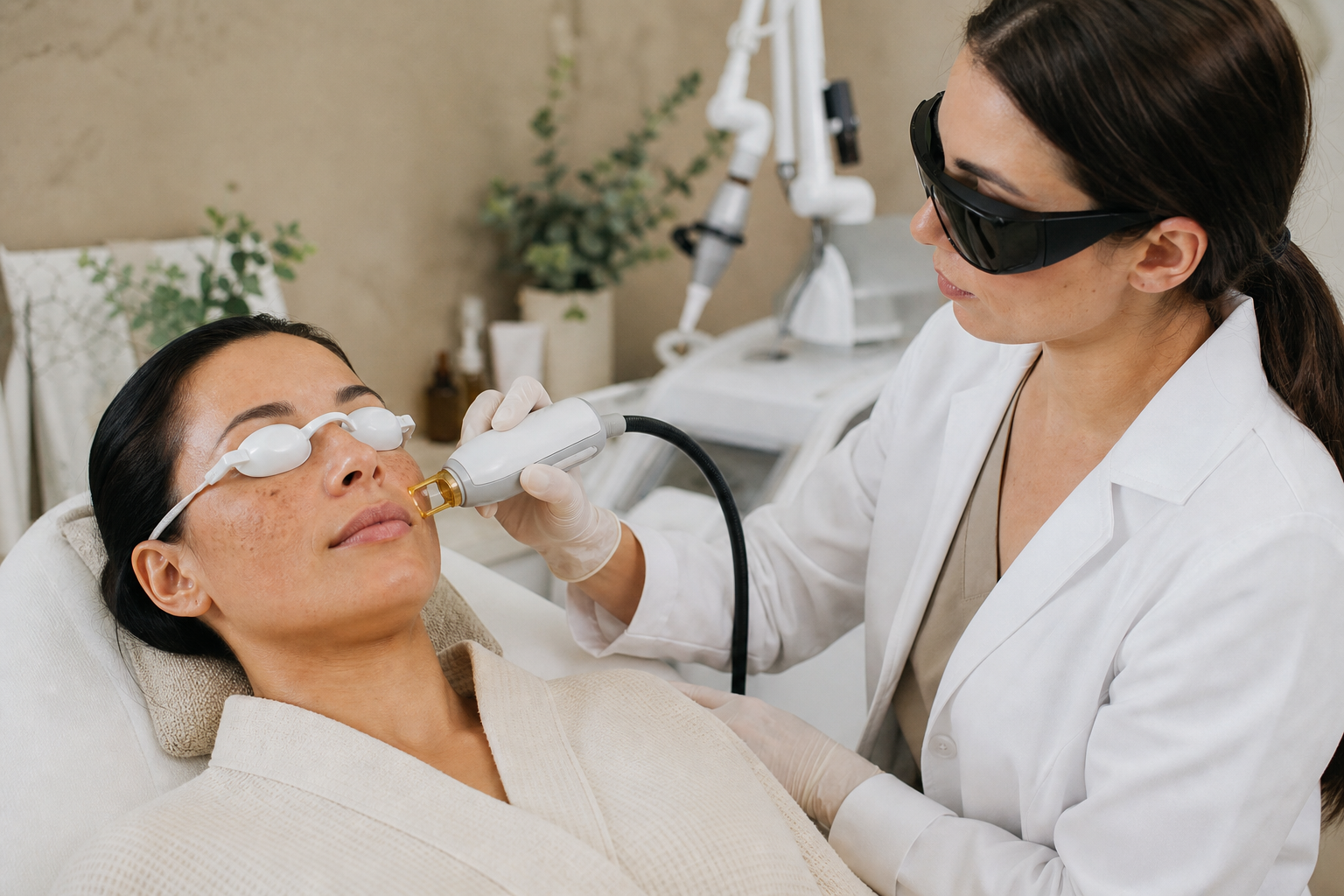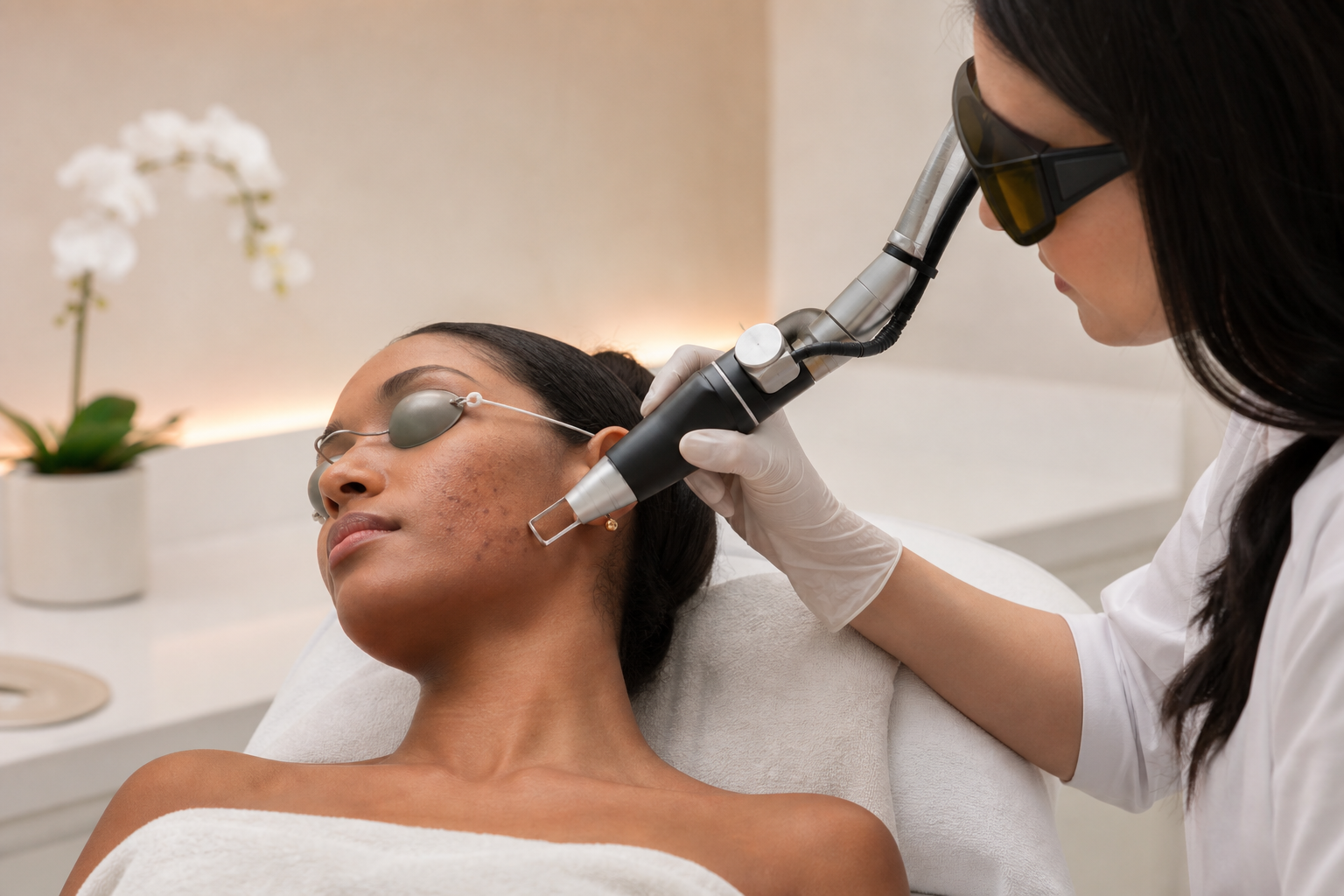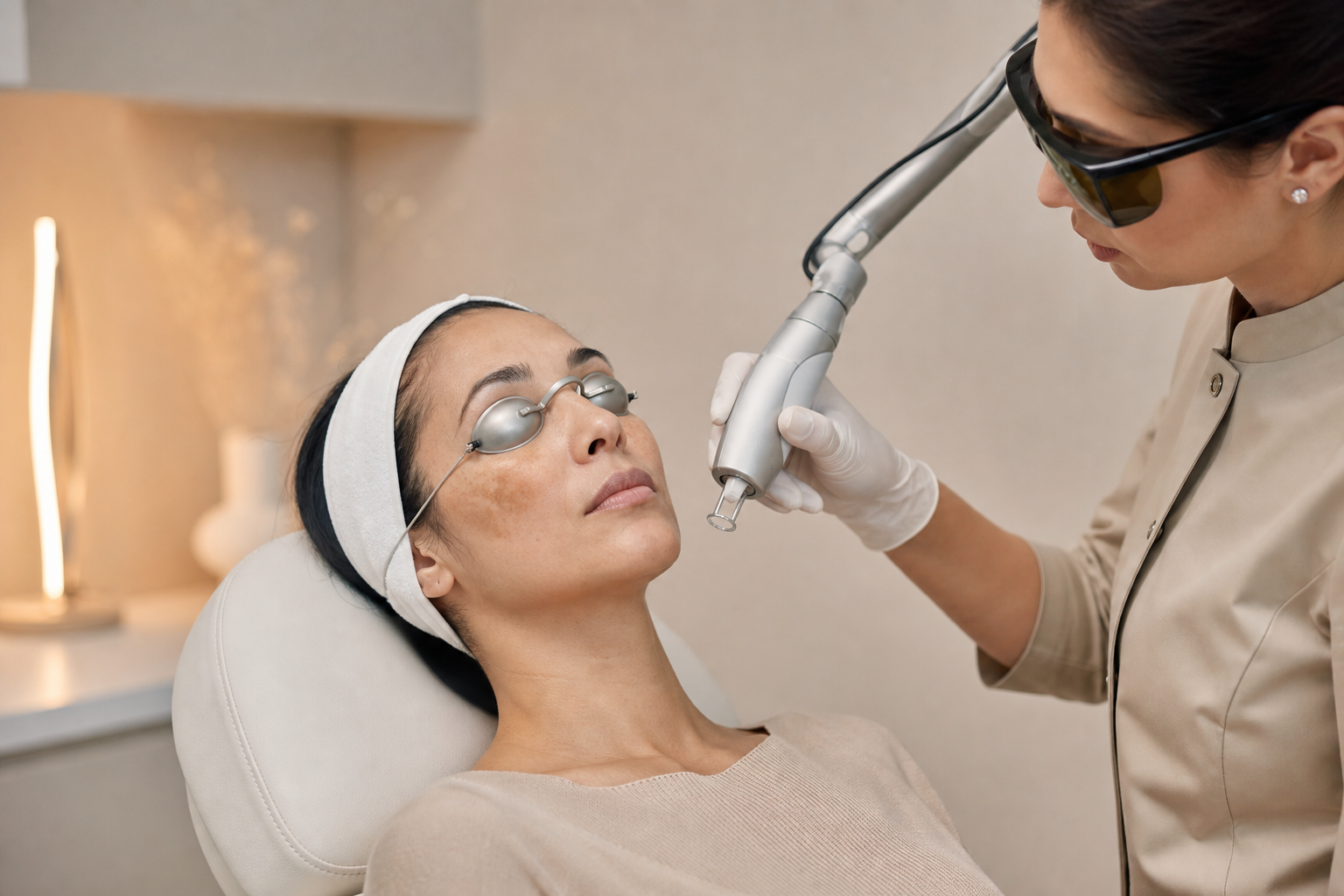
Laser treatments for pigmentation have become a cornerstone in modern dermatological practice, especially for individuals seeking solutions to uneven skin tone, dark spots, and various forms of hyperpigmentation. Whether addressing solar lentigines, melasma, or post-inflammatory hyperpigmentation (PIH), laser therapy offers a sophisticated approach to improving skin appearance. This comprehensive guide is intended for anyone looking to understand the intricate nature of pigmentation, the types of lasers available, and what results and risks accompany these interventions.
Understanding pigmentation at its core is essential before pursuing any treatment. Pigmentation describes changes in skin color caused by alterations in melanin distribution or production—the pigment responsible for skin, hair, and eye color. The complexities of pigmentation extend beyond mere color change; they encompass different layers of skin involvement, varied etiologies, and individual skin characteristics that influence treatment outcomes. For patients and practitioners alike, recognizing the distinctions between epidermal and dermal pigmentation and diagnosing specific conditions such as melasma, solar lentigines, and PIH can profoundly impact treatment planning.
Laser treatments are not a one-size-fits-all remedy. The decision to use laser technology must be informed by thorough diagnostic evaluation, understanding the patient’s skin type using classifications like the Fitzpatrick scale, and awareness of laser parameters suited to the specific pigmentation and skin characteristics. Crucially, patients must also grasp that lasers are neither universal nor permanent solutions—spot removal can carry risks, and maintaining photoprotection is vital to sustain results. This guide will explore these factors in detail, offering a nuanced perspective for those considering or recommending laser interventions for pigmentation concerns.
What Exactly Is Pigmentation and Why Does It Develop?
Pigmentation on the skin refers to alteration in coloration due to the presence or accumulation of melanin. Melanin production is predominantly by melanocytes located in the basal layer of the epidermis, responding to various internal and external stimuli. Factors such as sun exposure, hormonal changes, inflammation, and injury can disrupt normal melanin synthesis or deposition, leading to visible dark patches or spots.
From a clinical standpoint, pigmentation manifests in two primary forms: epidermal and dermal. Epidermal pigmentation arises from melanin confined to the upper skin layer, often appearing as well-demarcated and darker spots that respond better to surface treatments. Dermal pigmentation, conversely, involves melanin or pigment-laden cells in the deeper dermal layers, which can result in bluish or grayish discolorations that are typically more resistant to superficial interventions.
Common types of pigmentation encountered in clinical practice include:
Melasma: A multifactorial condition predominantly affecting women, especially in reproductive years, characterized by symmetrical, light to dark brown patches on the face. Hormonal triggers, genetic predisposition, and UV exposure play significant roles.
Solar Lentigines: Frequently called sun spots or age spots, these small, darkened patches result from cumulative ultraviolet (UV) damage over time, commonly found on sun-exposed areas such as the face, hands, and décolleté.
Post-inflammatory Hyperpigmentation (PIH): This secondary pigmentation appears after skin injuries like acne, burns, or infections and is more prevalent in individuals with medium to dark complexions.
How Do Laser Treatments Work to Remove or Reduce Pigmentation?
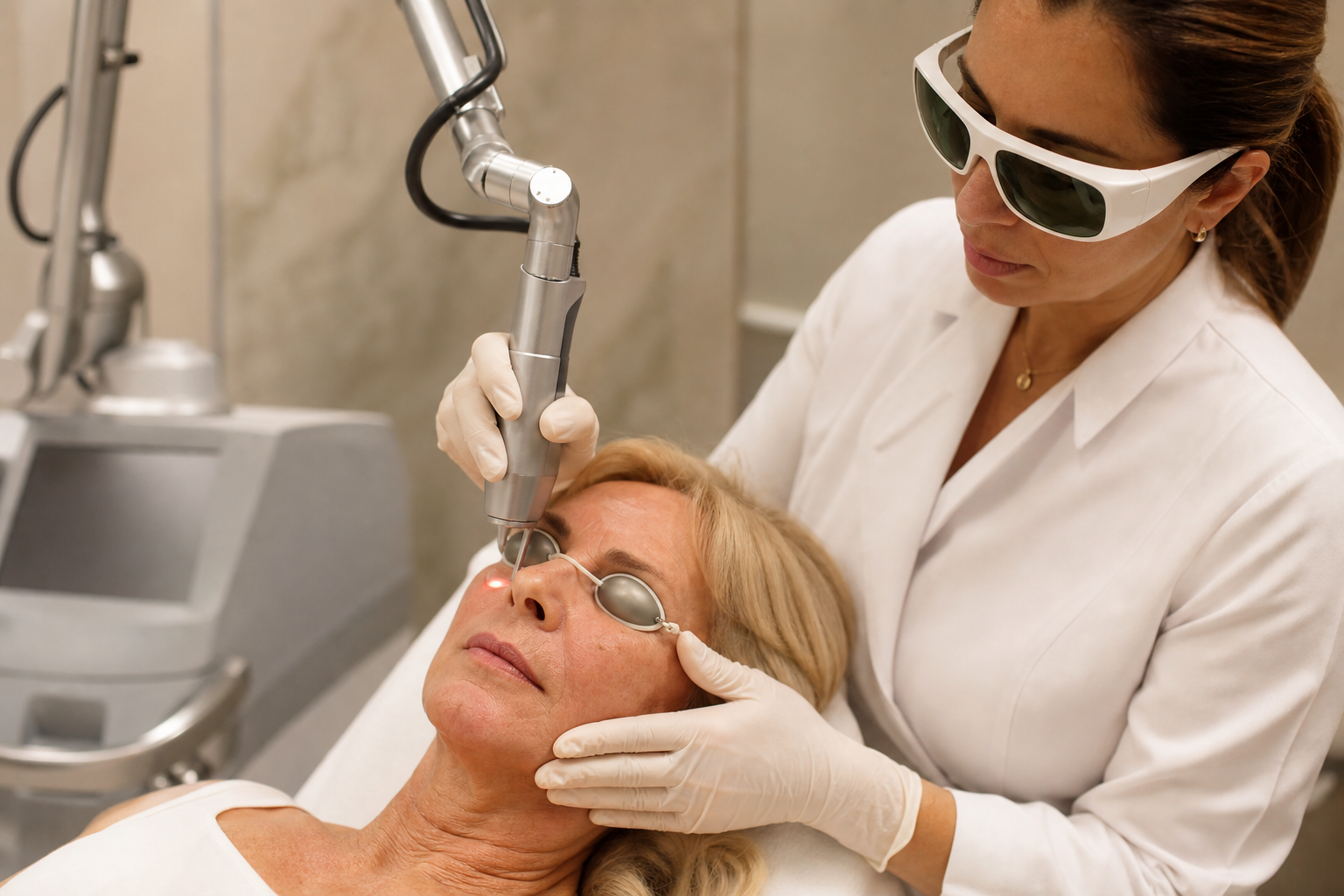
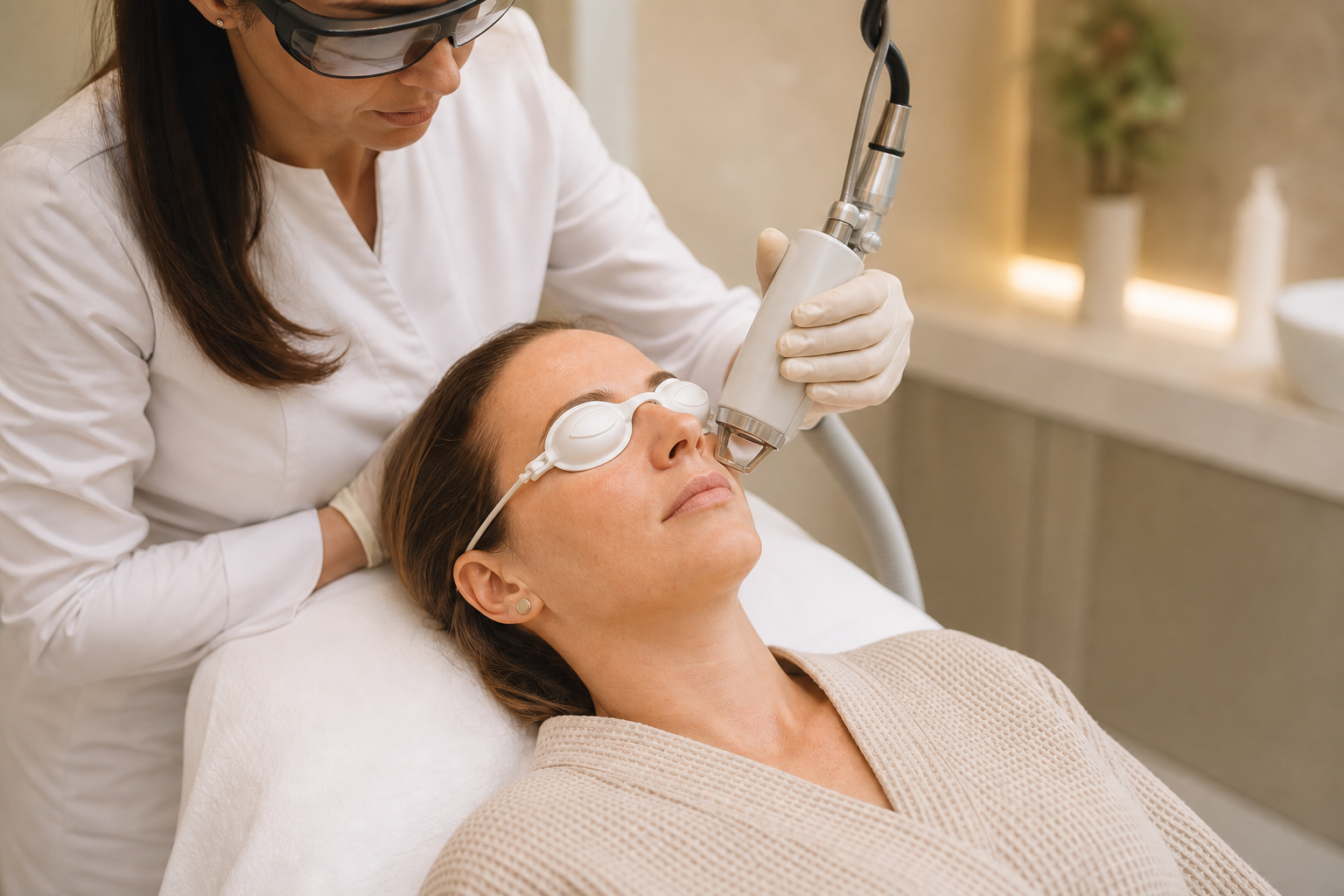
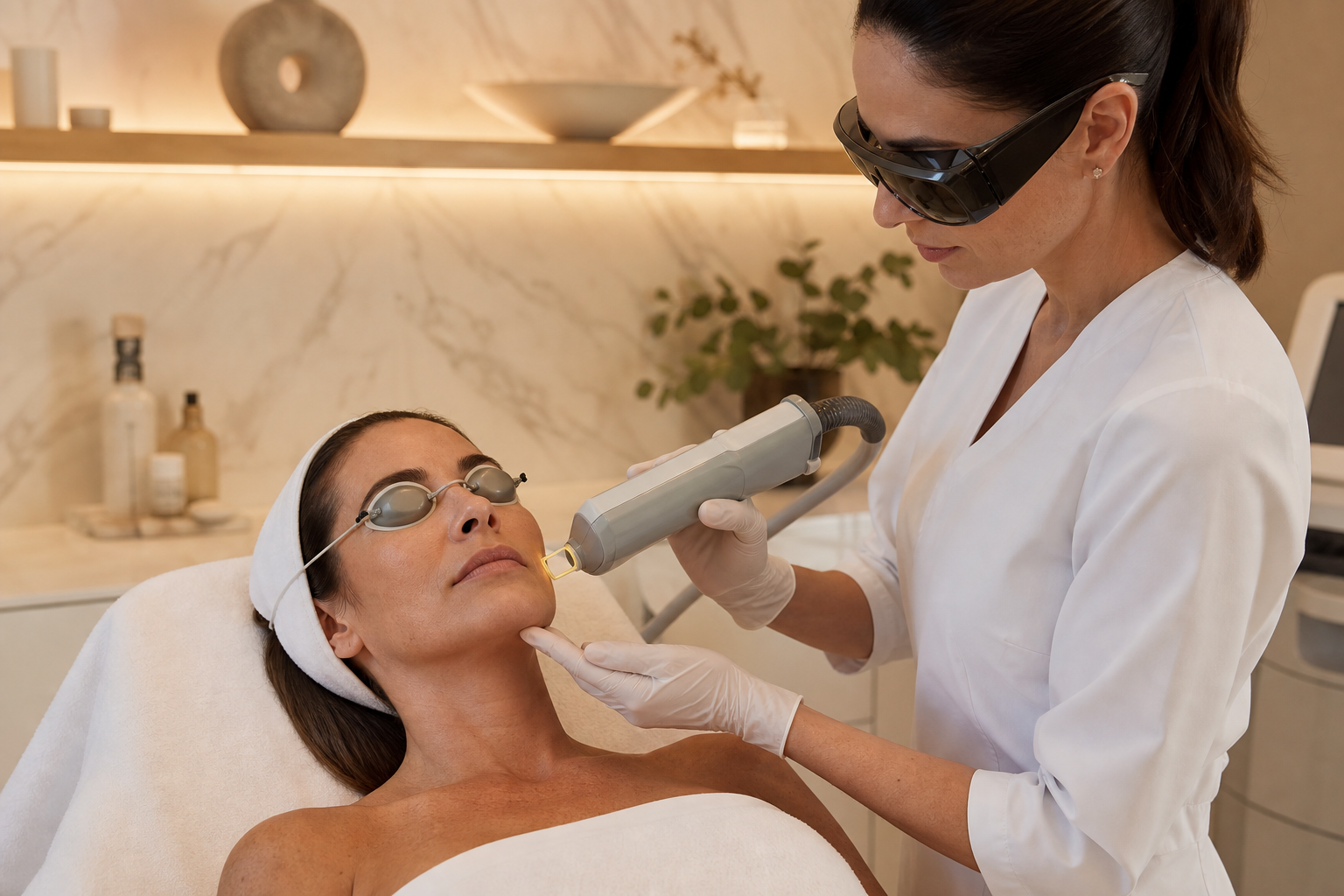
Laser treatments utilize focused beams of light at specific wavelengths to selectively target and break down pigment particles in the skin, a process known as selective photothermolysis. The laser’s energy is absorbed primarily by melanin while sparing surrounding tissues, fragmenting pigment deposits into smaller particles. These fragments are subsequently removed naturally via the lymphatic system and skin turnover.
The efficiency of laser therapy largely hinges on the precise matching of laser parameters—wavelength, pulse duration, fluence—and the pigmentation type and depth. For epidermal pigmentation, lasers with shorter wavelengths are effective due to their limited skin penetration, whereas dermal pigmentation requires lasers that can reach deeper skin layers without causing excessive damage.
A critical advantage of laser treatments is their ability to treat pigmentation that may not respond well to topical therapies or chemical peels. However, the skin’s response varies among individuals due to differences in melanin levels, skin thickness, and underlying conditions, necessitating personalized treatment protocols under expert supervision.
What Types of Lasers Are Commonly Used for Pigmentation Treatment?
Several laser systems have been developed and refined to selectively target pigmented lesions, each suited for different skin types and pigmentation characteristics:
Q-Switched Nd:YAG Laser: This laser operates at dual wavelengths, typically 1064 nm for deeper pigmentation and 532 nm for superficial spots. It is versatile across a range of pigmentations including melasma, lentigines, and PIH, and is favored for safety, especially in darker skin tones.
Alexandrite Laser: Emitting light at around 755 nm, the Alexandrite laser is particularly effective for lighter skin types and epidermal pigmentations such as solar lentigines. It offers rapid results but carries increased risk of side effects in darker phototypes.
PicoSecond Lasers: Utilizing ultra-short pulse durations measured in picoseconds, these lasers provide enhanced precision in pigment breakdown with reduced thermal damage and shorter recovery times. They are increasingly popular for challenging cases like melasma and resistant PIH.
Intense Pulsed Light (IPL): Though not a true laser, IPL technology emits a broad spectrum of light wavelengths filtered to target pigmentation broadly. It is often employed for mild to moderate epidermal pigment and when combination treatments are desired; however, its effects are generally less predictable compared to lasers.
How Does Skin Type Influence the Choice of Laser Treatment?
The Fitzpatrick skin phototype classification is instrumental in selecting appropriate laser parameters and treatment options. Skin types range from I (very fair, easily burns) to VI (very dark, rarely burns), and this affects both the efficacy and safety profile of laser therapies.
For example, patients with light skin (types I-III) can tolerate higher fluences and shorter wavelength lasers such as Alexandrite without excessive risk of pigmentation changes or scarring. Conversely, patients with darker skin types (IV-VI) require more conservative approaches, often favoring the Nd:YAG laser at 1064 nm, which penetrates deeply and minimizes melanin absorption in surrounding skin, thereby reducing complications like post-inflammatory hyperpigmentation and hypopigmentation.
Consultation with a dermatologist skilled in laser treatments is essential to accurately determine phototype and tailor the treatment plan accordingly.
What Role Does Diagnosis and Preparation Play Prior to Laser Treatment?
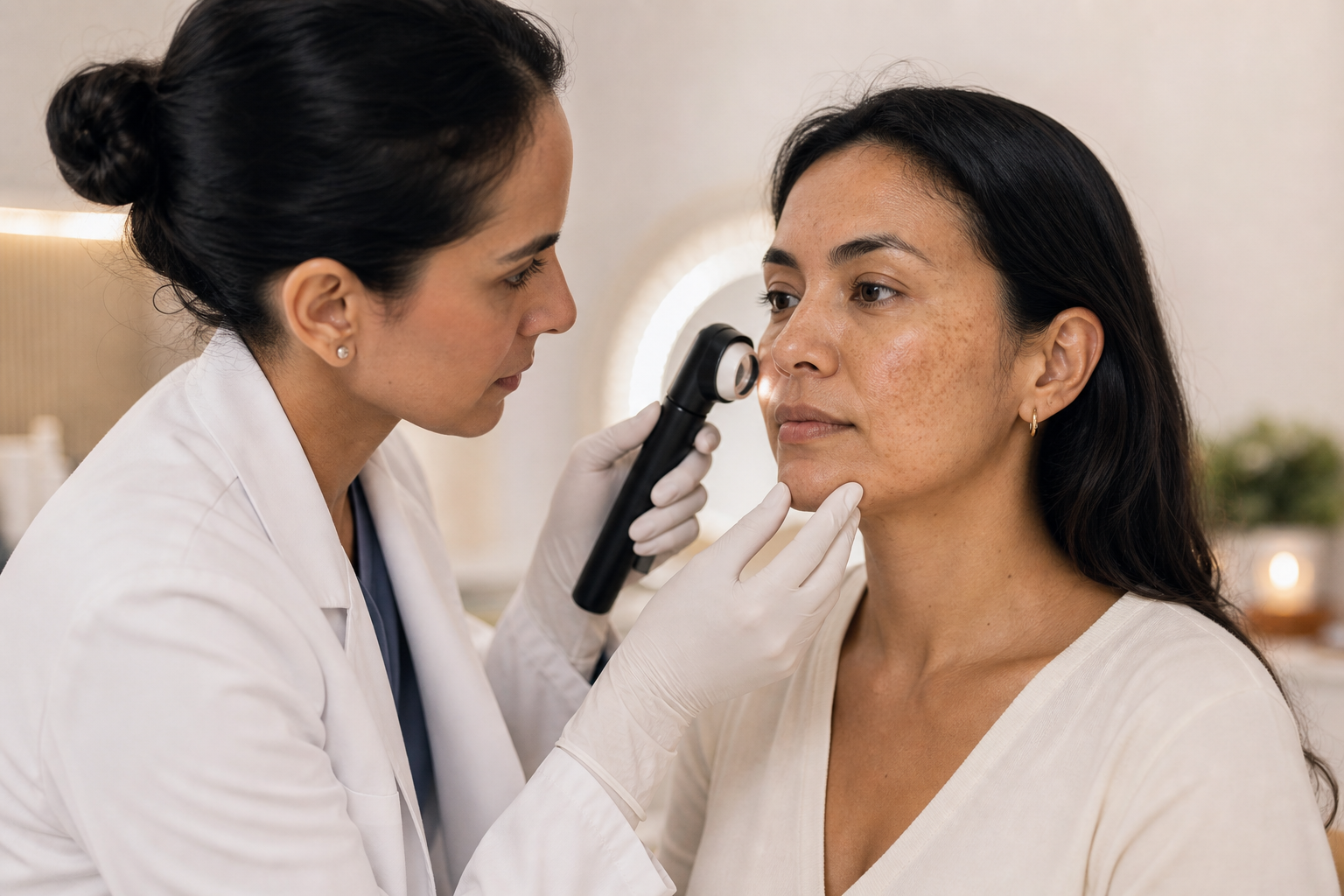
Accurate diagnosis is paramount in preventing adverse effects and optimizing outcomes. Initial comprehensive examination includes identifying the pigmentation type, distribution, and assessing any suspicious lesions that may necessitate biopsy or vigilance for malignancy.
Preparation steps often involve ceasing sun exposure and discontinuing agents that might sensitize the skin or impair healing, such as retinoids or exfoliants, for a period before the procedure. In cases like melasma, pre-treatment with topical lightening agents or anti-inflammatory creams may improve results and reduce recurrence risk.
Ensuring patient understanding of realistic outcomes, treatment frequency, and potential side effects contributes to informed consent and enhanced satisfaction.
What Should Patients Expect During and After Laser Pigmentation Treatment?
Typically, laser treatment sessions last from a few minutes to half an hour, contingent on the area and technology used. Patients might experience sensations described as mild stinging or snapping at the skin surface during procedure, often mitigated by cooling devices or topical anesthetics.
Post-treatment skin reactions commonly include redness, swelling, and slight peeling, which generally resolve within days to a week. Superficial crusting and transient darkening of spots can occur before gradual lightening as pigment is eliminated.
Multiple sessions spaced weeks apart may be necessary to achieve optimal reduction, particularly with melasma or dermal pigmentation. Continued adherence to sun protection and follow-up assessments ensures maintenance of therapeutic gains.
What Are the Potential Risks and Side Effects Involved with Laser Pigmentation Treatments?
While lasers are considered safe when performed by experienced professionals, certain risks persist:
Hyperpigmentation: Paradoxical darkening of the treated area can occur, especially in darker skin types or with inadequate light protection.
Hypopigmentation: Loss of pigment resulting in lighter patches, sometimes permanent, may develop from overtreatment or thermal damage.
Burns and Scarring: Though rare, improper laser settings or operator inexperience can cause skin injury leading to scarring.
Other transient effects include redness, swelling, and sensitivity. Comprehensive patient screening, individualized protocols, and meticulous post-care are critical to minimizing these risks.
How Can Patients Prevent Recurrence of Pigmentation and Why Is Photoprotection Essential?
Recurrence of pigmentation after laser therapy is common without diligent sun avoidance and protection. UV radiation stimulates melanin production, potentially reactivating pigmentation processes post-treatment.
Effective photoprotection strategies include regular application of broad-spectrum sunscreen with SPF 30 or higher, physical barriers such as hats and clothing, and avoiding peak sun exposure periods. Additionally, the use of adjunctive topical agents that inhibit melanin synthesis may augment the durability of results.
Regular follow-up appointments allow monitoring and timely intervention should pigment changes re-emerge.