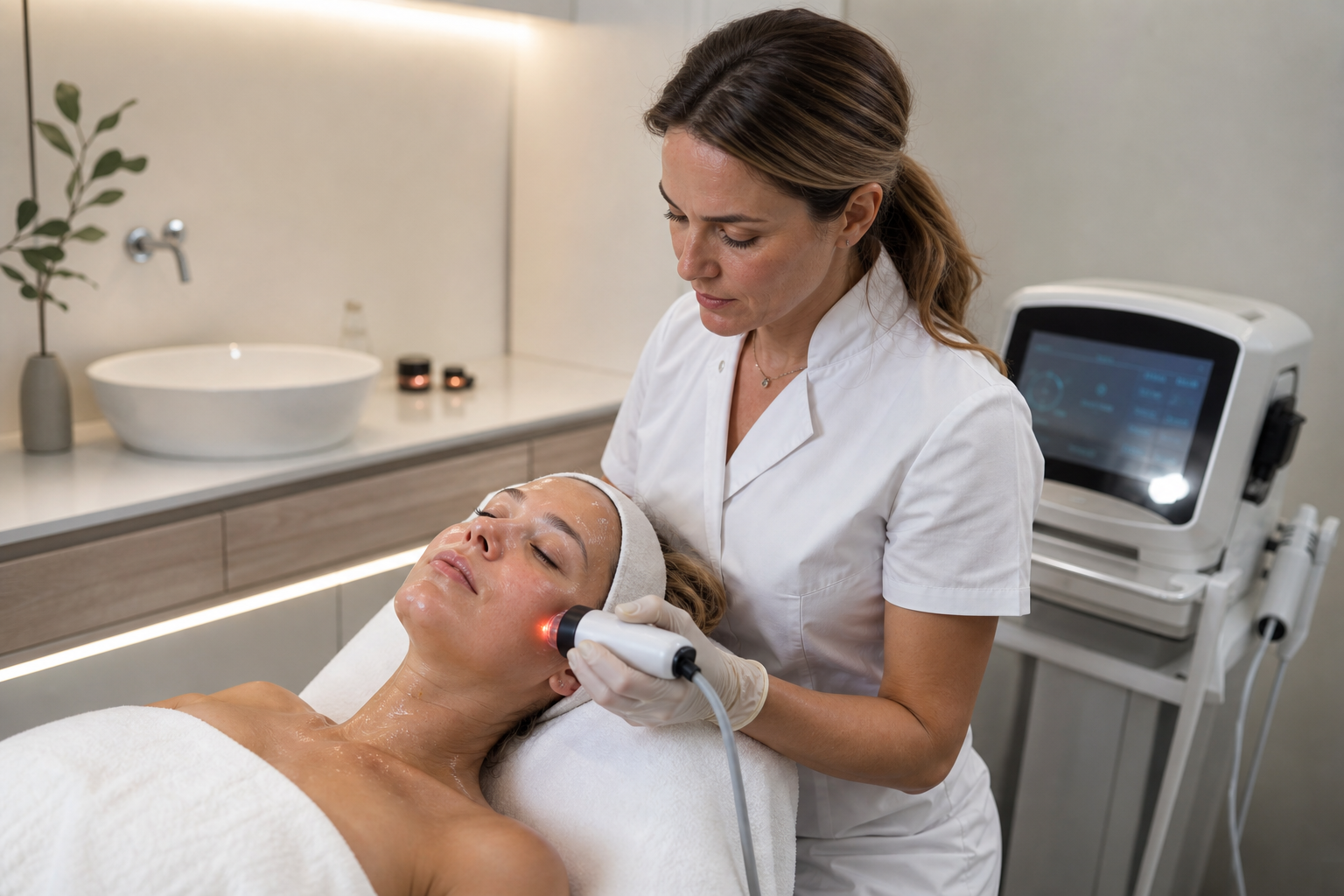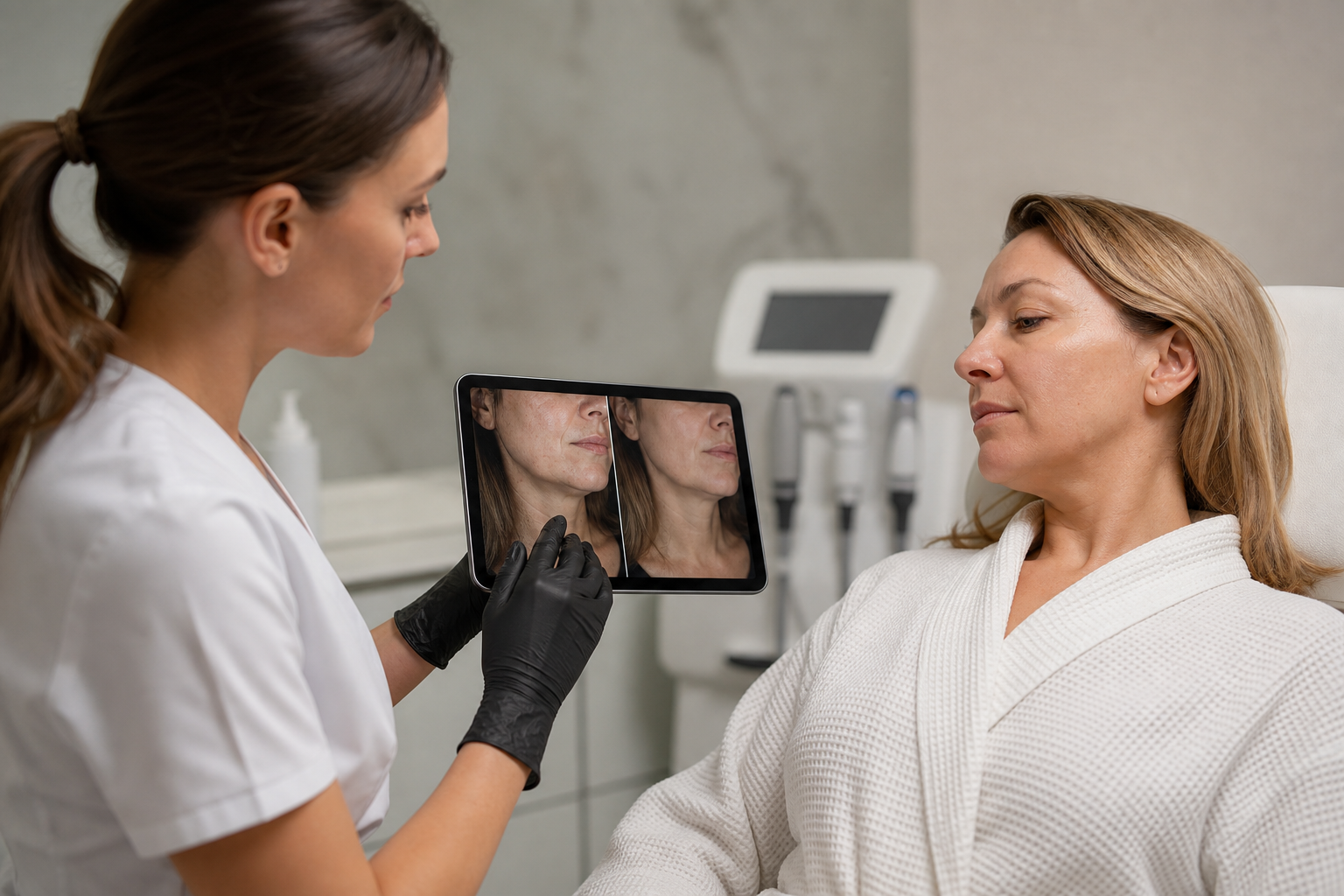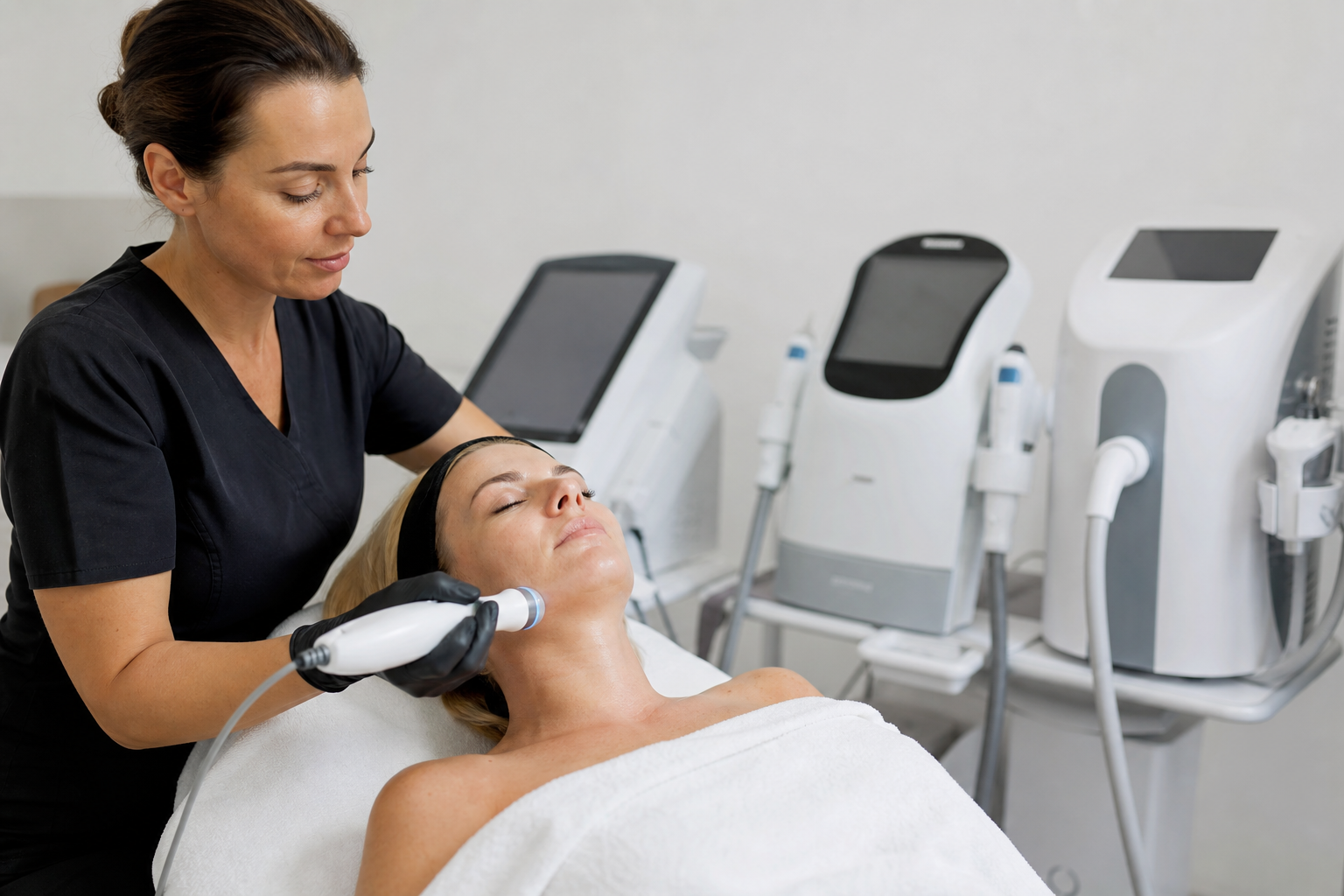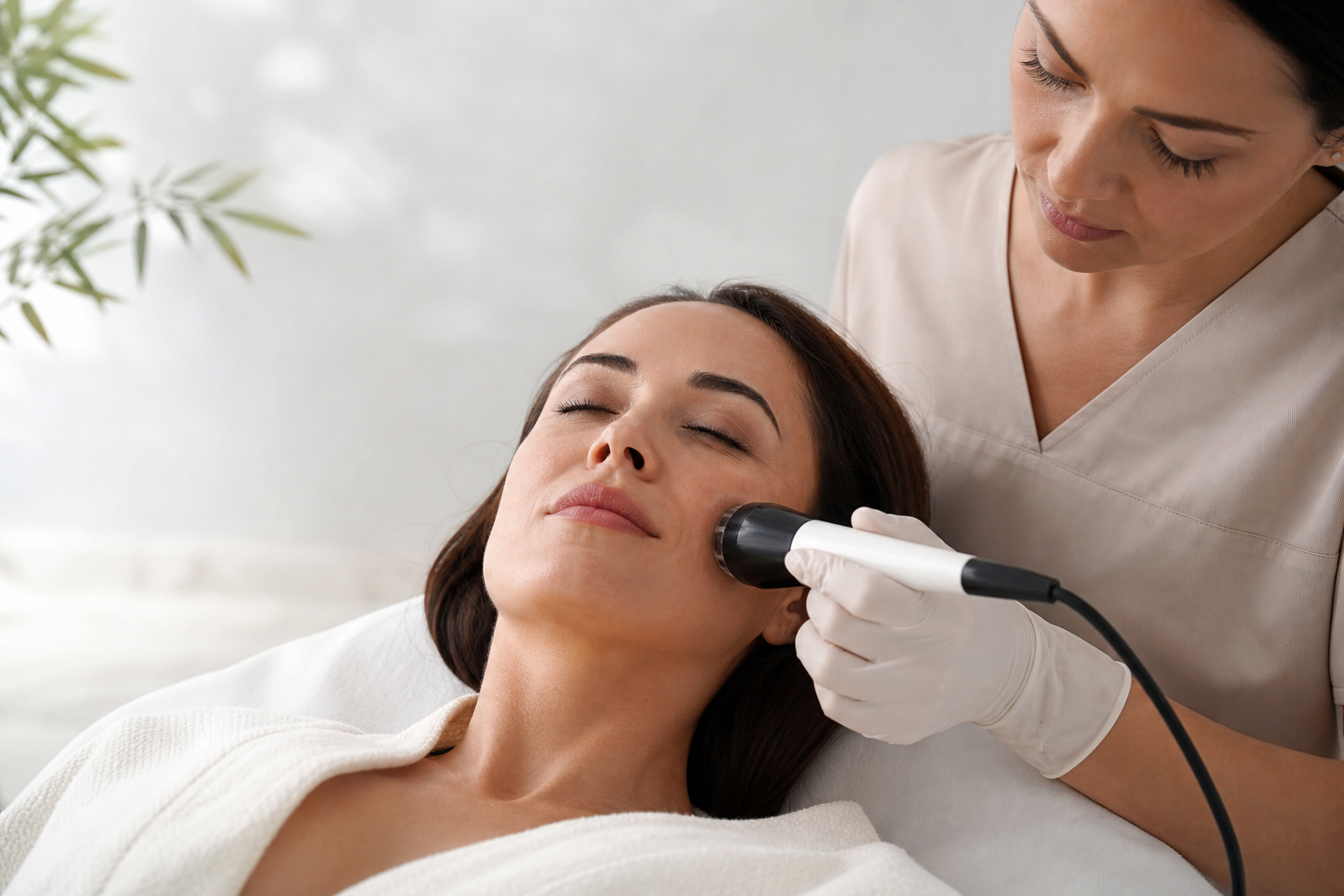
RF lifting, or radiofrequency skin tightening, has emerged as a highly sought-after non-invasive aesthetic procedure designed to restore firmness, smoothness, and youthful vitality to the skin. This treatment leverages controlled radiofrequency energy to stimulate the skin’s deeper layers, promoting natural collagen and elastin production. As a result, clients enjoy tighter, more elastic skin without the need for surgery or lengthy downtime.
For individuals considering skin rejuvenation, the question often arises: is RF lifting safe to perform during the summer months? This concern is especially relevant given the increased exposure to ultraviolet (UV) radiation during warmer seasons, which can influence the skin’s reaction to various treatments. Understanding whether RF lifting can be integrated safely into summer skincare routines is essential not only for those seeking aesthetic improvements but also for dermatologists and skincare professionals aiming to provide optimal advice and care.
This comprehensive article addresses the safety of RF lifting during summer by exploring the underlying technology, the different types of RF treatments, skin physiology in relation to seasonal changes, and practical recommendations for safe application. Whether you are contemplating your first RF facial treatment or exploring advanced techniques such as RF microneedling, this guide will equip you with the knowledge needed to make an informed decision tailored to summertime considerations.
What Is RF Lifting and Who Is It For?
Radiofrequency lifting is a skin tightening procedure that employs radiofrequency waves to gently heat targeted layers of the skin. This controlled heating activates fibroblasts, the cells responsible for synthesizing collagen and elastin — the fundamental proteins that maintain skin’s resilience and youthful structure.
Unlike invasive surgical facelifts, RF lifting is non-surgical and typically involves no incisions, anesthesia, or prolonged recovery periods. Most clients can resume daily activities immediately post-treatment, making it appealing for those with busy lifestyles.
RF lifting particularly benefits individuals experiencing mild to moderate skin laxity, fine lines, or early signs of aging. Common treatment areas include the face, neck, and décolleté, though many devices are also suitable for body contouring on the arms, abdomen, and thighs. Those seeking gradual, natural-looking rejuvenation often find RF lifting a compelling alternative or complement to other anti-aging therapies.
How Does RF Lifting Differ Among Various Techniques?
The term "RF lifting" encompasses a variety of procedures that differ in application mode, invasiveness, and intensity. These differences are crucial when considering safety and suitability during summer.
Non-invasive RF treatments involve the transmission of radiofrequency energy through the skin’s surface via specialized applicators without penetrating the skin barrier. These are typically painless, carry minimal side effects, and require no downtime.
Fractional RF without needles is a method that delivers RF energy fractionally to deeper skin layers without epidermal puncture. Its targeted approach stimulates regeneration while minimizing surface irritation. This modality may be safer to perform in summer if coupled with robust skin protection.
RF microneedling combines radiofrequency energy with fine needles that create micro-injuries in the skin, enhancing collagen stimulation and skin remodeling. Although effective for deeper rejuvenation, this minimally invasive procedure often necessitates a recovery period and demands cautious aftercare to prevent complications such as hyperpigmentation, particularly in sun-exposed seasons.
Understanding these distinctions helps determine which procedure aligns best with an individual’s aesthetic goals and seasonal skin care safety.
What Are the Potential Risks of Performing RF Lifting During Summer?
Summer poses unique challenges for skin treatments due to prolonged sun exposure, higher temperatures, and increased sweating. When RF lifting is performed during this period without due precautions, certain risks can arise.
One of the chief concerns is post-inflammatory hyperpigmentation (PIH). The heat generated during RF treatments creates controlled thermal injury, which can sensitise melanocytes — the pigment-producing cells in the skin. Upon sun exposure, this heightened pigment activity may result in uneven dark spots or discoloration.
Additionally, RF treatments can temporarily increase skin sensitivity. Combined with ultraviolet radiation, this increased photosensitivity can exacerbate redness, irritation, or inflammation. For some individuals, especially those with sensitive or reactive skin types, this may result in prolonged redness or discomfort.
Furthermore, summer heat and sweating might challenge post-treatment skin healing, potentially increasing the risk of infection if aftercare advice is not meticulously followed.
How Does Skin Physiology Affect RF Treatment Safety in Summer?
Skin responds dynamically to seasonal changes. During summer, keratinocytes (skin surface cells) are more active in producing melanin pigment to protect deeper layers from UV damage. The skin also tends to thicken slightly while its barrier function may fluctuate depending on hydration levels and exposure.
The combination of active melanogenesis and thinner epidermal repair mechanisms immediately following RF treatment can potentiate the risk of pigmentation irregularities. Moreover, increased sebum production and sweat during hot weather can impact the skin’s microbiome and healing environment.
Therefore, the skin’s altered state in summer demands particular care and modifications in treatment protocols to preserve safety and optimize outcomes.
When Is RF Lifting Safe to Perform in Summer, and Which Modalities Are Preferable?
Performing RF lifting in summer is not categorically unsafe, but safety depends heavily on selecting appropriate techniques, timing, and adhering strictly to protective measures.
Non-invasive RF treatments without needles are generally safer during summer months due to minimal disruption of the skin barrier. These treatments cause less inflammation and lower risk of pigmentation changes, making them suitable for maintenance as part of a year-round skin rejuvenation strategy.
For fractional RF and RF microneedling, a more conservative approach is advised. Scheduling treatments in the early summer before significant sun exposure or postponing until late summer or fall when UV index subsides can reduce risk. Additionally, these more invasive techniques require rigorous adherence to sun protection and aftercare protocols.
Ultimately, the decision should be guided by a skincare professional who can assess individual skin type, treatment goals, and season-specific factors.
What Post-Treatment Skin Care Practices Optimize Safety and Results During Summer?
Regardless of the type of RF lifting performed, post-procedure skincare is vital, especially during summer.
First and foremost, rigorous sun protection is mandatory. Broad-spectrum sunscreen with a high SPF should be applied liberally and frequently to shield sensitive skin from UVA and UVB rays and minimize pigmentation risks.
Clients should also avoid direct sun exposure during peak hours, wear protective clothing and wide-brimmed hats, and minimize activities that cause excessive sweating which might irritate freshly treated skin.
Moisturizing and gentle cleansing tailored to support barrier repair help reduce dryness and inflammation. Avoiding exfoliants, retinoids, or other potentially irritating products for several days post-treatment is also advisable.
Follow-up treatments and consultations with skincare professionals ensure ongoing assessment and adaptation of routines to maintain both treatment benefits and skin health throughout the summer.
Does RF Lifting Hurt and When Can Makeup Be Applied Post-Treatment?
Most RF lifting procedures, especially non-invasive types, cause minimal to no discomfort, often described as a warming sensation. More invasive variations such as RF microneedling might elicit mild to moderate discomfort managed with topical anesthetics.
Regarding makeup, it is generally safe to reapply non-comedogenic and gentle products within 24 to 48 hours after non-invasive RF treatments. For RF microneedling and fractional RF, it is prudent to wait at least 48 to 72 hours or until any micro-injuries have healed to avoid irritation and infections.
Consulting with the practitioner about individualized timelines based on treatment extent and skin response is always recommended.