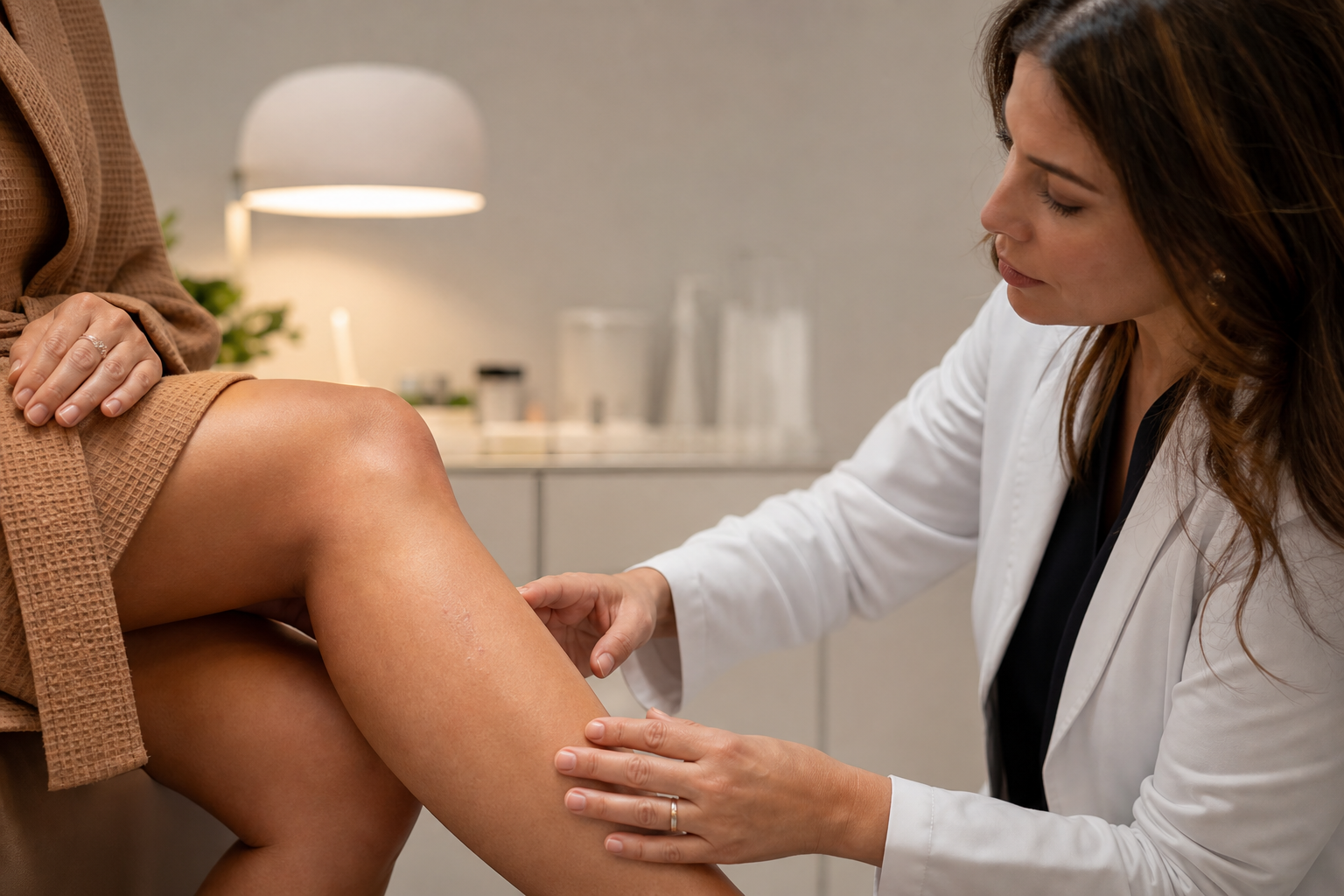
Laser hair removal has become a popular choice for those seeking long-term reduction of unwanted body hair. The procedure offers a more lasting alternative to shaving, waxing, or plucking, appealing to a broad demographic interested in smooth, hair-free skin. However, as with any cosmetic treatment that impacts the skin, concerns about potential side effects arise, with one of the most common questions being whether laser hair removal can cause scars.
This article delves into the relationship between laser hair removal and scarring — addressing how scars form, under what circumstances they might occur after laser treatment, and how to minimize risks. It is intended for individuals contemplating or undergoing laser hair removal who want a thorough understanding of safety and skin health. Additionally, it serves those who may have experienced skin issues post-treatment and seek clarity on whether these could result in permanent marks.
Understanding whether laser hair removal can cause scars is essential because it guides informed choices regarding treatment providers, expectations, and aftercare. Laser technology is carefully calibrated to target hair follicles without harming surrounding skin, which generally precludes scarring. Nonetheless, exceptions exist, especially when complications arise. Distinguishing between permanent scars and transient skin changes like pigment alterations is crucial for anyone invested in maintaining optimal skin condition.
Why is Scarring Uncommon After Proper Laser Hair Removal?
Laser hair removal is designed to selectively target the melanin within hair follicles, using specific wavelengths of light absorbed by the pigment to disable the follicle and reduce hair growth. Modern laser systems employ parameters optimized to minimize thermal damage to the epidermis and deeper skin layers. When performed by trained professionals following established protocols, the risk of causing dermal injury severe enough to produce scars is very low.
Typically, the skin's response to laser hair removal includes mild erythema (redness) and occasional swelling, which are transient and resolve within a few days without lasting effects. These temporary reactions reflect a controlled injury to the hair follicle but do not extend deeply enough into the skin to disrupt the normal architecture or cause permanent fibrotic changes characteristic of scarring. Furthermore, advancements in cooling techniques and pulse durations help protect surface skin and enhance safety.
That said, no procedure is completely risk-free. Factors such as inappropriate laser settings, operator inexperience, or patient-specific variables can occasionally contribute to complications. The skin may be more vulnerable if underlying conditions exist or if post-treatment care is neglected, potentially increasing the likelihood of undesirable outcomes.
What Are the Risk Factors That Could Lead to Scarring Post-Laser Treatment?
The potential for scarring arises mainly when the skin sustains deeper trauma during or after laser hair removal. Key risk factors include:
Excessive laser energy or improper settings: If the laser’s energy is set too high for a patient's skin type or hair characteristics, it can cause burns, blistering, or significant inflammation. These deeper injuries take longer to heal and may lead to scar formation.
Inadequate post-treatment care: Failure to follow guidelines such as avoiding sun exposure, keeping the treated area clean, and refraining from scratching or picking at irritated skin can exacerbate skin damage, increasing scarring risk.
Infection: Bacterial or fungal infections developing at the treatment site can result in prolonged inflammation and tissue destruction, elevating the chance of permanent scarring.
Individual skin response and predisposition: Some individuals are prone to hypertrophic or keloid scars due to genetic factors or pre-existing skin conditions. These patients require cautious evaluation before treatment.
Use of inappropriate laser technology: Not all laser systems are suited for every skin phototype. Selecting a laser not designed for a particular skin tone can increase complications substantially.
Awareness and management of these factors are critical in ensuring a safe treatment journey.
How to Differentiate Between Scars and Temporary Pigment Changes Following Laser Hair Removal
After laser treatment, some patients observe discolorations such as darkened or lightened patches appearing on the skin, which can cause distress. It's important to understand that these pigmentary changes are not the same as scars and have different prognoses.
Temporary pigmentary changes—such as hyperpigmentation (dark spots) or hypopigmentation (light spots)—are common inflammatory responses where the skin’s melanin production is altered transiently. These changes often fade gradually over weeks to months, especially with proper sun protection and topical therapies.
Scars, conversely, represent a permanent alteration in the skin’s texture, thickness, and structure due to replacement of normal skin tissue with fibrous connective tissue after a significant injury. Scarring can manifest as indented, raised (hypertrophic), or widened marks and typically does not resolve without intervention.
Professional evaluation by a dermatologist or experienced aesthetic specialist is vital to differentiate between these conditions and guide appropriate management.
What Measures Can Patients and Providers Take to Minimize the Risk of Scarring?
Prevention remains the cornerstone of avoiding scars after laser hair removal. Both practitioners and patients share responsibility in this regard.
Pre-treatment assessment: A thorough skin evaluation identifying skin type, hair characteristics, and any history of scarring or dermatologic diseases can help tailor laser settings appropriately.
Choosing experienced providers: Skilled clinicians with certified training and access to up-to-date laser technologies can ensure safer treatments with reduced adverse effects.
Following pre- and post-treatment care advice meticulously: Patients should avoid sun exposure, apply recommended topical agents, refrain from using irritants, and resist touching or scratching the treated area.
Use of protective cooling and proper laser parameters: Applying cooling mechanisms during treatment aids in protecting superficial skin layers.
Promptly addressing side effects: Any signs of unusual pain, blistering, signs of infection, or prolonged redness should be reported immediately for timely intervention.
Why Is Early Professional Assessment of Skin Changes After Laser Hair Removal Crucial?
Not all skin reactions require concern, but persistent or worsening changes can indicate complications with potential for scarring. Early dermatological or specialist evaluation assists in:
- Accurately diagnosing whether a lesion is a scar, pigment change, infection, or allergic reaction.
- Initiating suitable treatment options such as topical corticosteroids, antibiotics, or laser therapies to mitigate progression.
- Providing reassurance and guidance on skin care to encourage optimal healing.
Neglecting to seek prompt professional advice might allow minor issues to escalate into permanent damage.
What Can Patients Expect During Laser Hair Removal and the Subsequent Recovery Phase?
The laser hair removal procedure is generally well-tolerated. Patients commonly experience sensations ranging from mild stinging to heat during treatment, often mitigated by integrated cooling systems. Post-treatment, skin may be red, slightly swollen, and sensitive, resembling a mild sunburn.
Recovery typically unfolds over a few hours to days, with redness and swelling resolving naturally. Patients should expect and prepare for:
- Avoiding direct sun exposure and using broad-spectrum sunscreen to prevent pigmentation changes.
- Applying soothing, fragrance-free moisturizers or topical agents recommended by the provider.
- Abstaining from hot baths, vigorous exercise, or harsh skin treatments for a short period.
With proper care, the risk of lasting adverse effects, including scars, remains minimal.
How to Manage Complications Like Burns or Folliculitis to Prevent Scarring
Burns after laser hair removal, although rare, require careful attention. Cooling the area immediately, avoiding irritants, and consulting the treatment provider can prevent progression. Severe or infected burns necessitate medical intervention to reduce scarring risk.
Similarly, folliculitis—an inflammation of hair follicles triggered by bacteria or irritation—can develop after laser treatments. Maintaining hygiene, using prescribed topical antibiotics, and avoiding aggravation help resolve inflammation and avert tissue damage.
Patients should familiarize themselves with common side effects such as redness and itching, understanding when these symptoms are normal or signal complications demanding professional evaluation.
Addressing Frequently Asked Questions Related to Scarring and Laser Hair Removal
Can scars form immediately after the first laser hair removal session? Scarring is highly unusual after an initial properly administered session. Immediate scarring would typically indicate an excessively deep injury or burn, which is preventable with correct technique.
Is itching normal post-treatment, and does it contribute to scarring? Mild itching can be part of skin healing but scratching or picking at the skin increases the risk of infection and scarring.
Does darker skin have a higher risk of scarring from laser hair removal? While some pigmentary changes may be more common in darker skin tones, scarring risk depends largely on treatment parameters and aftercare adherence.
How to distinguish a scar from pigment changes? Scars alter skin texture and are permanent; pigment changes affect coloration and typically improve over time. Dermatologic consultation aids in accurate identification.


