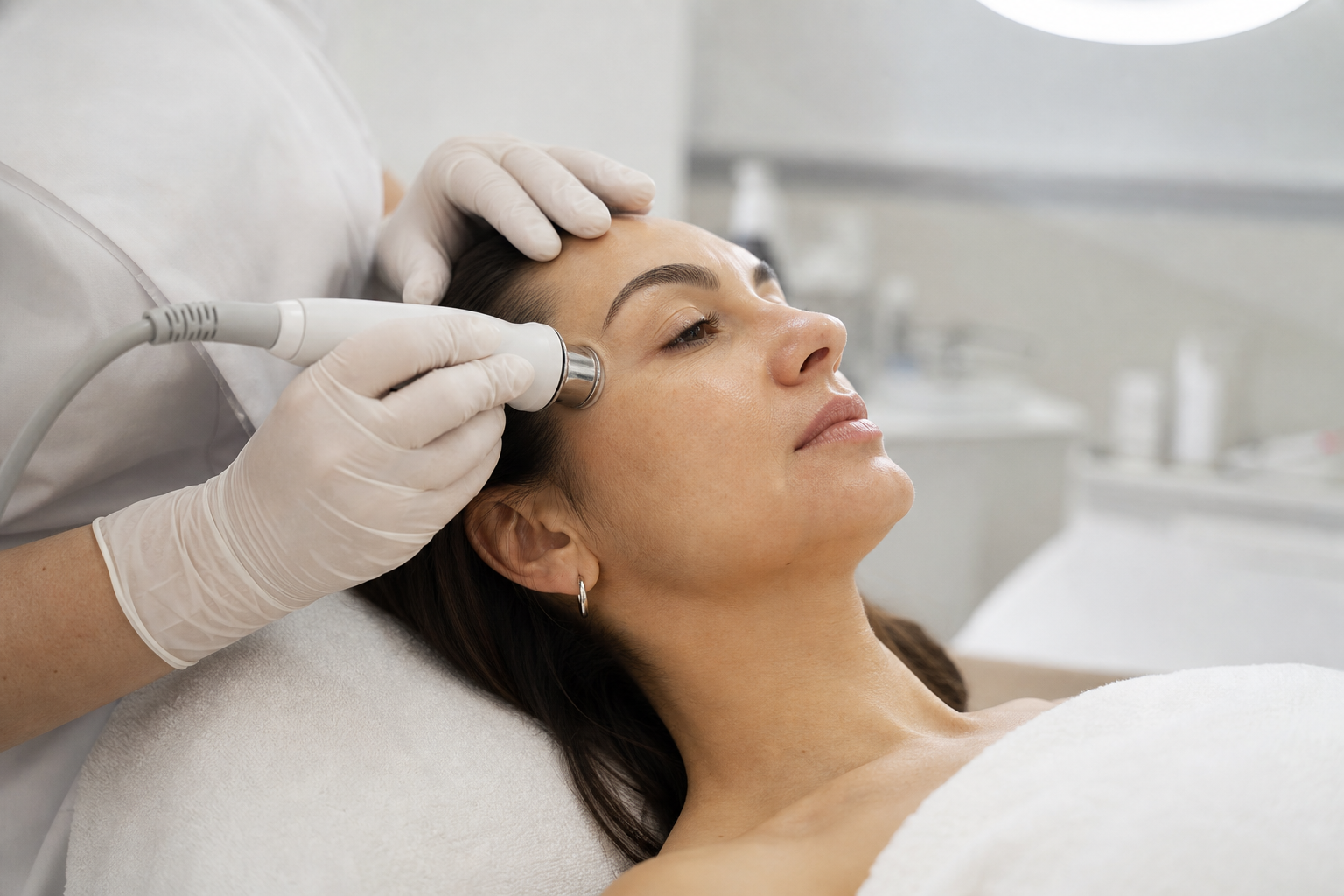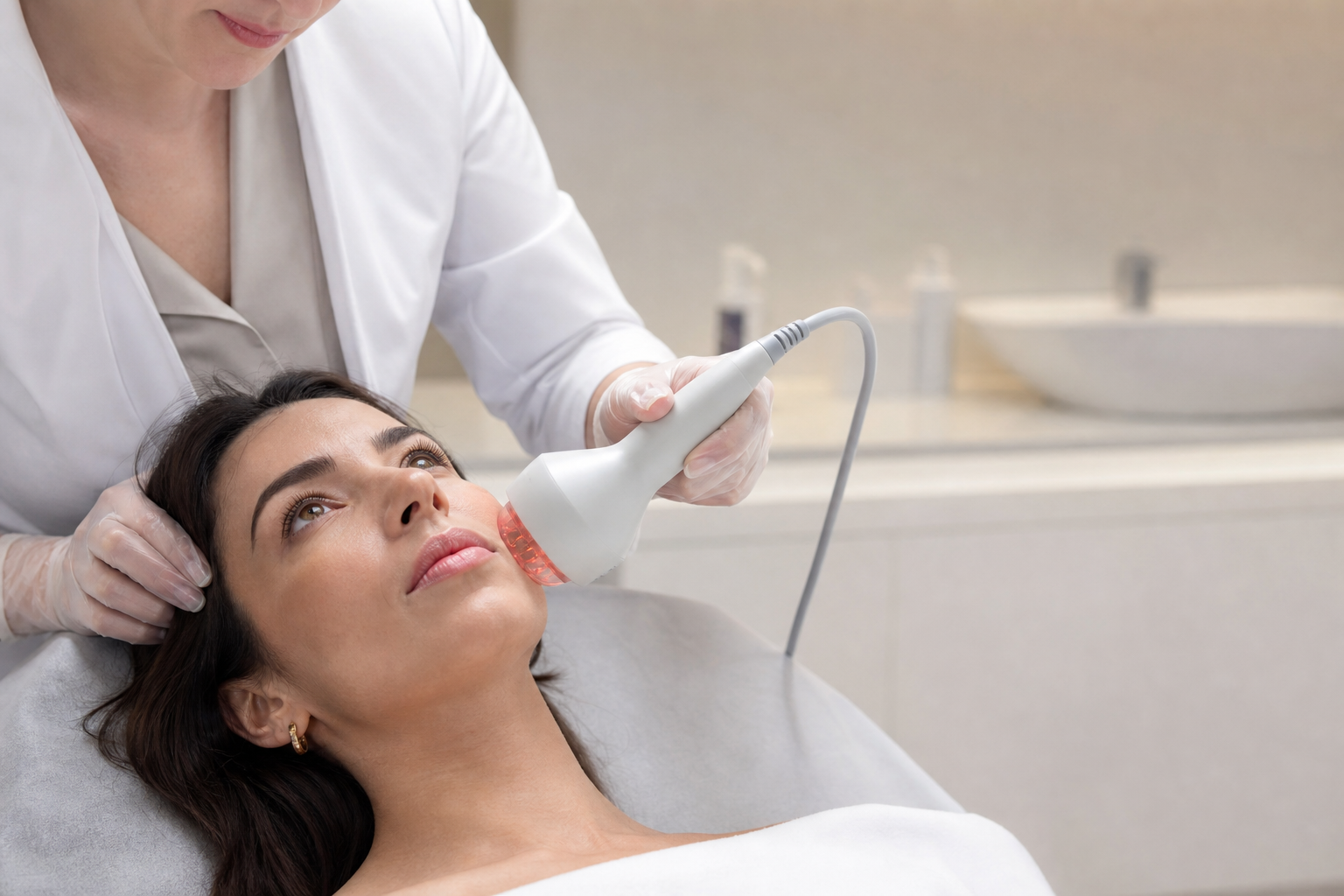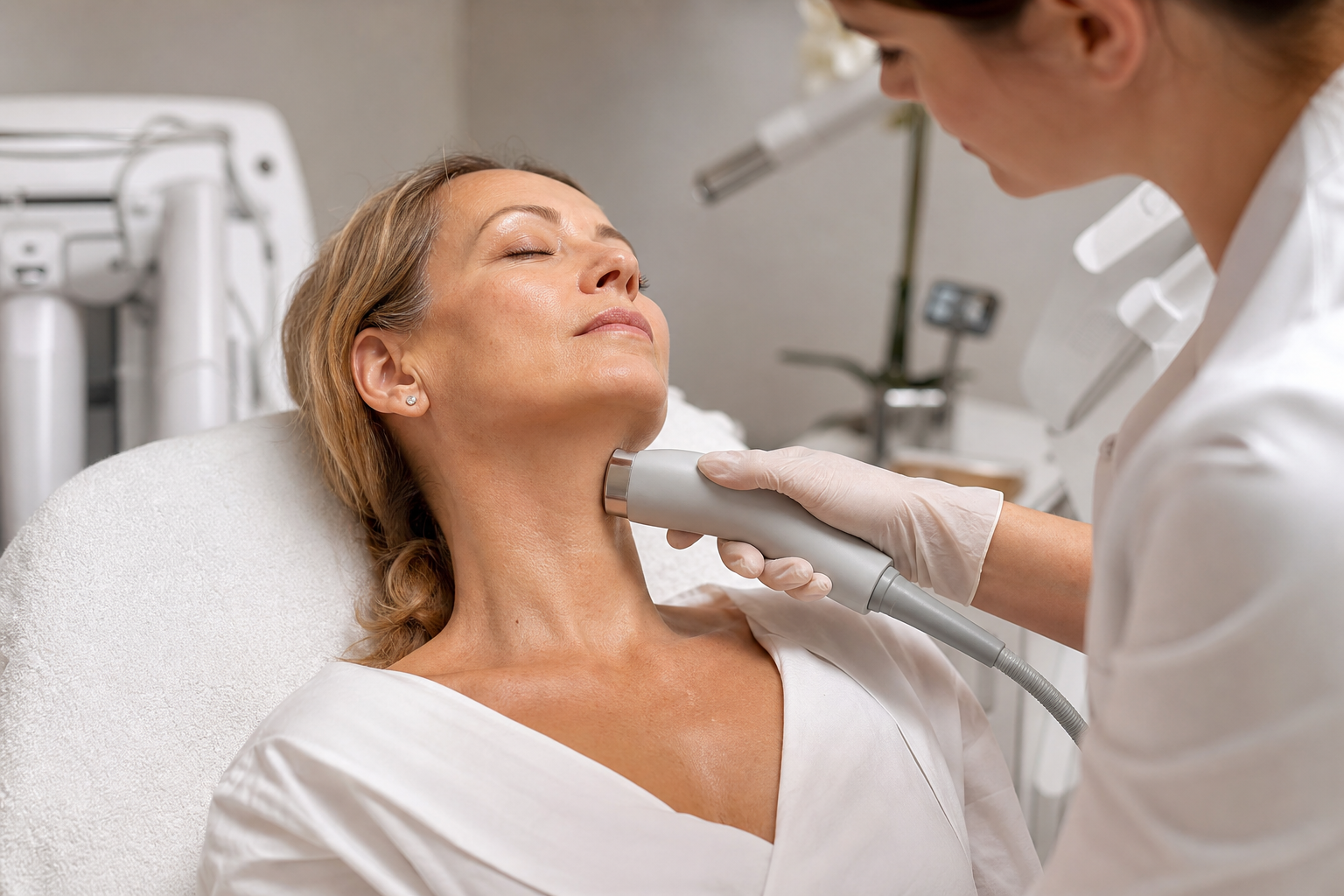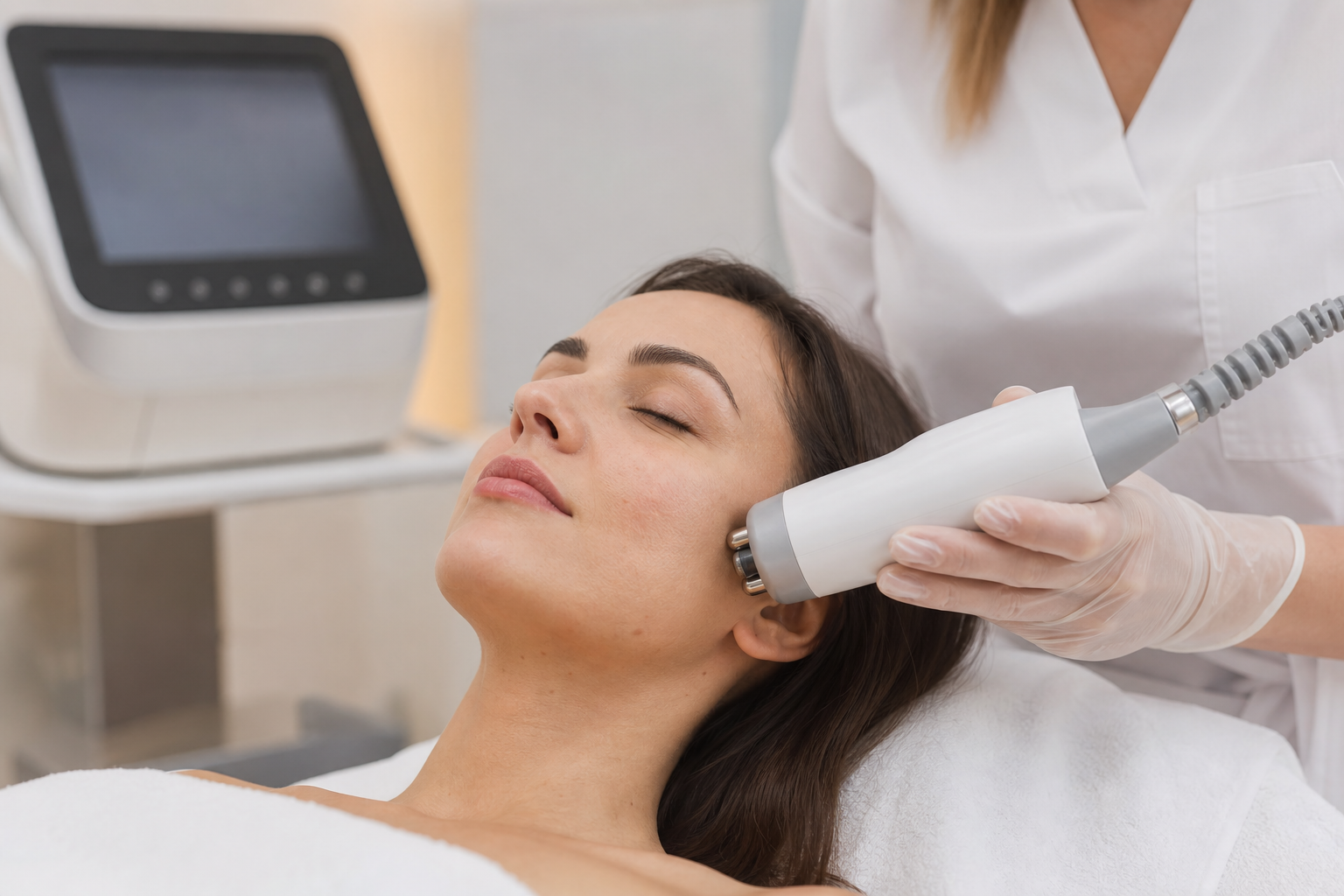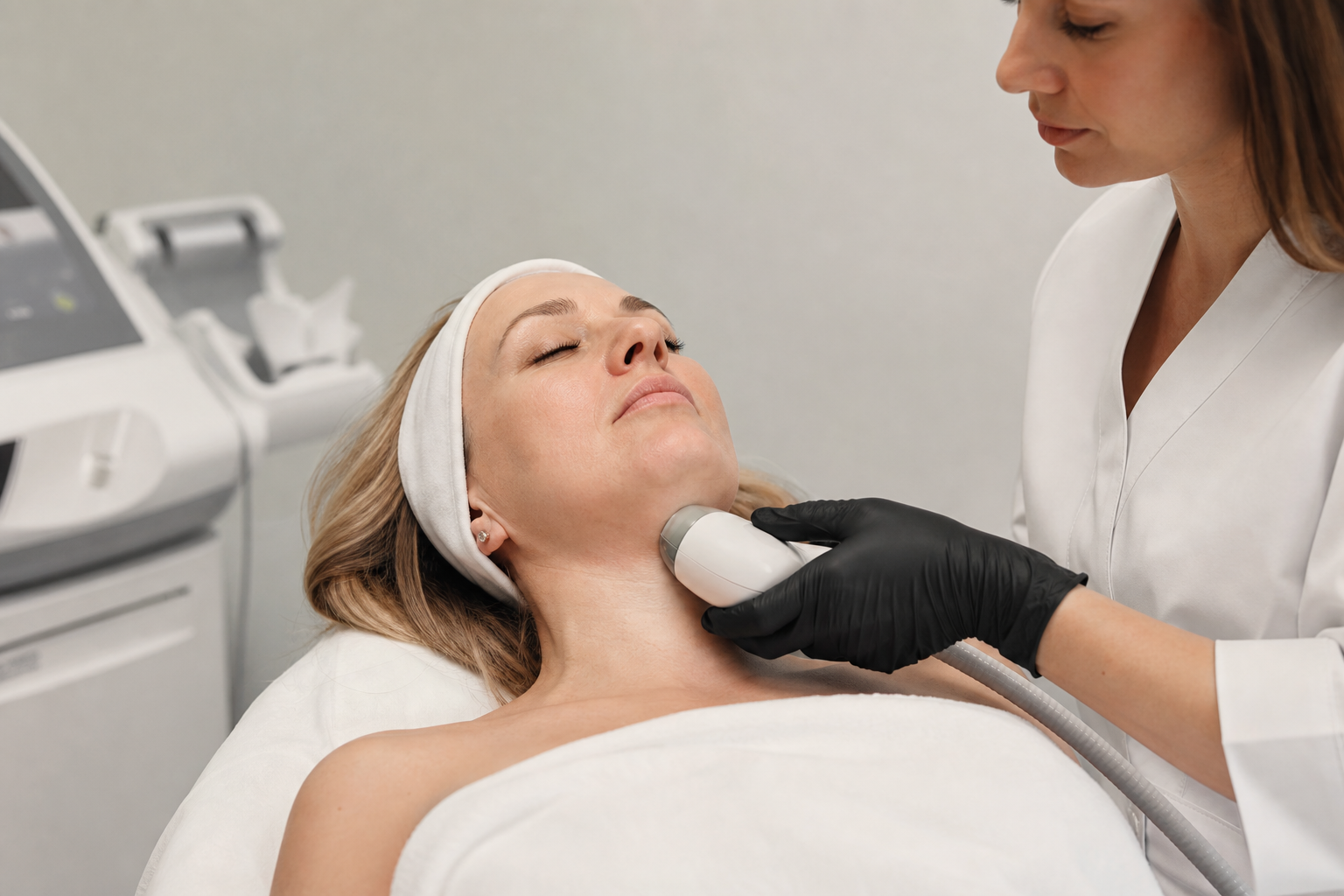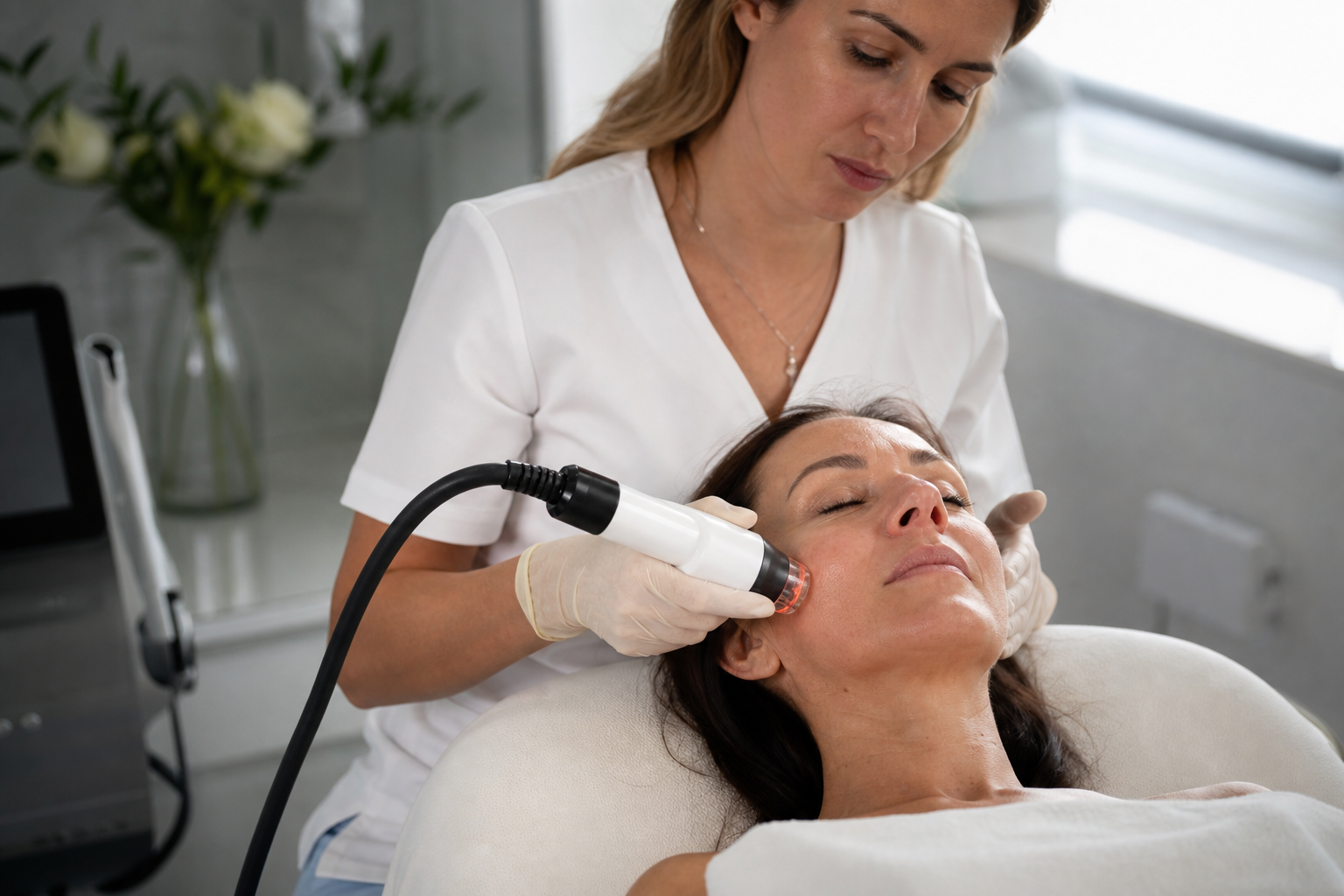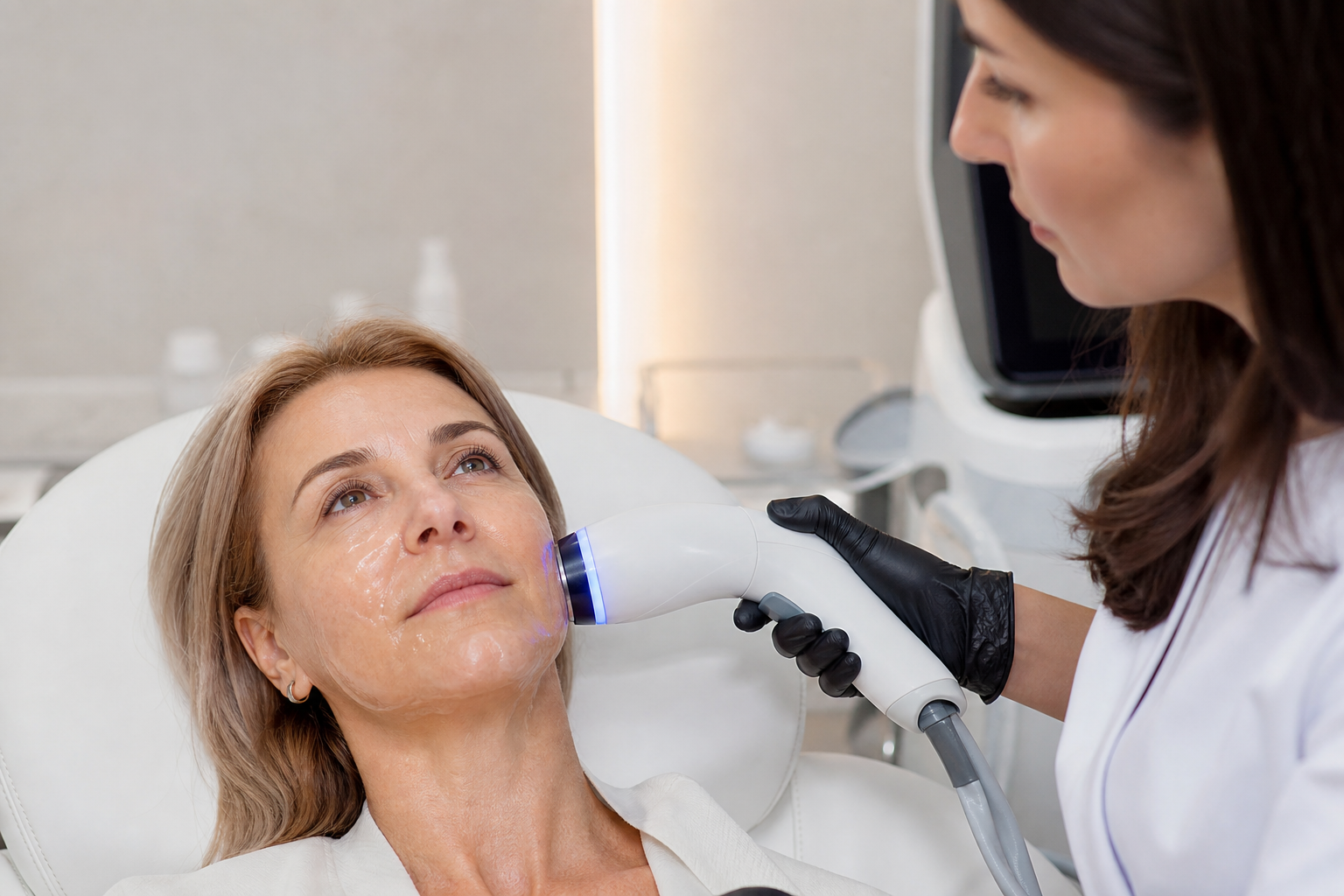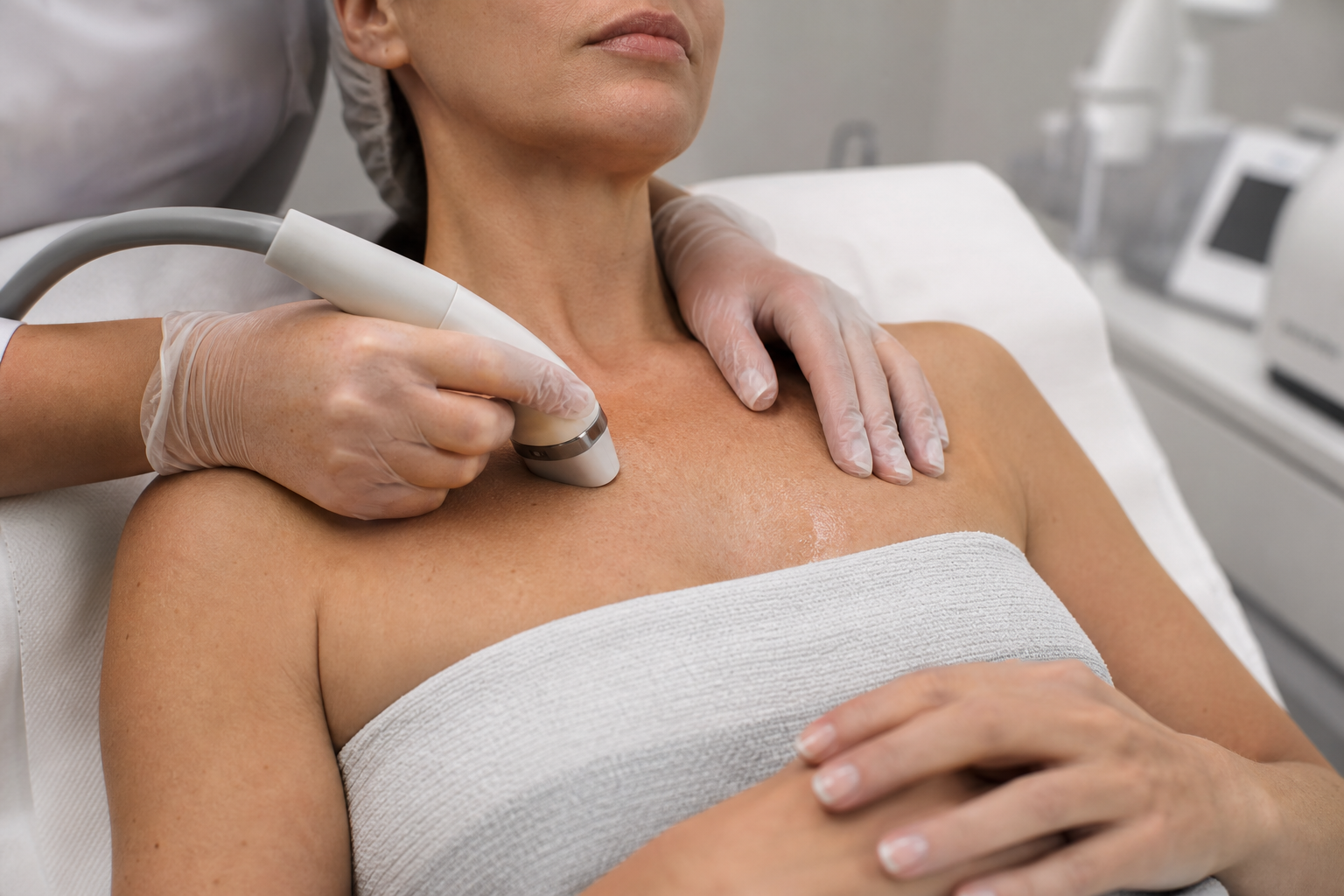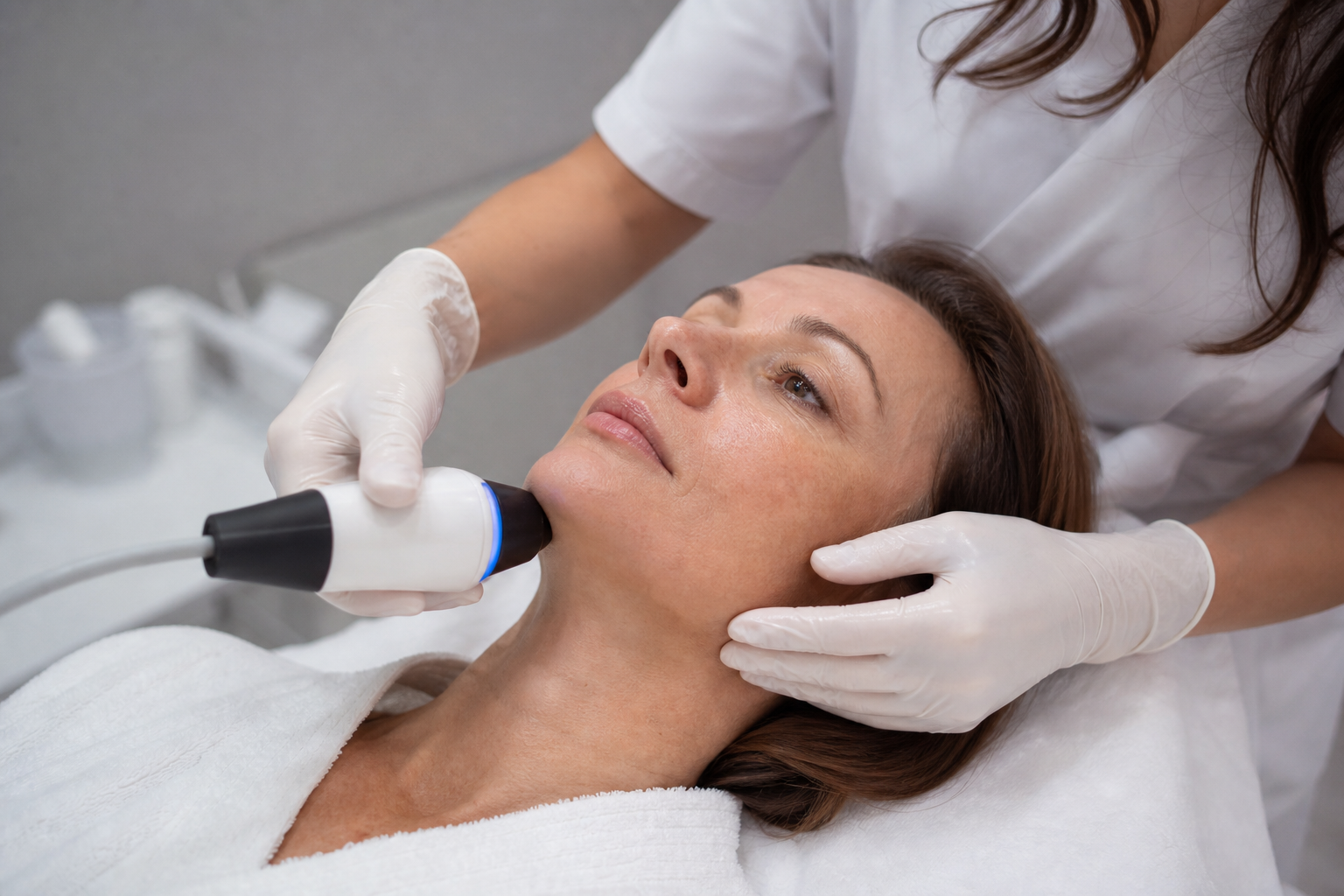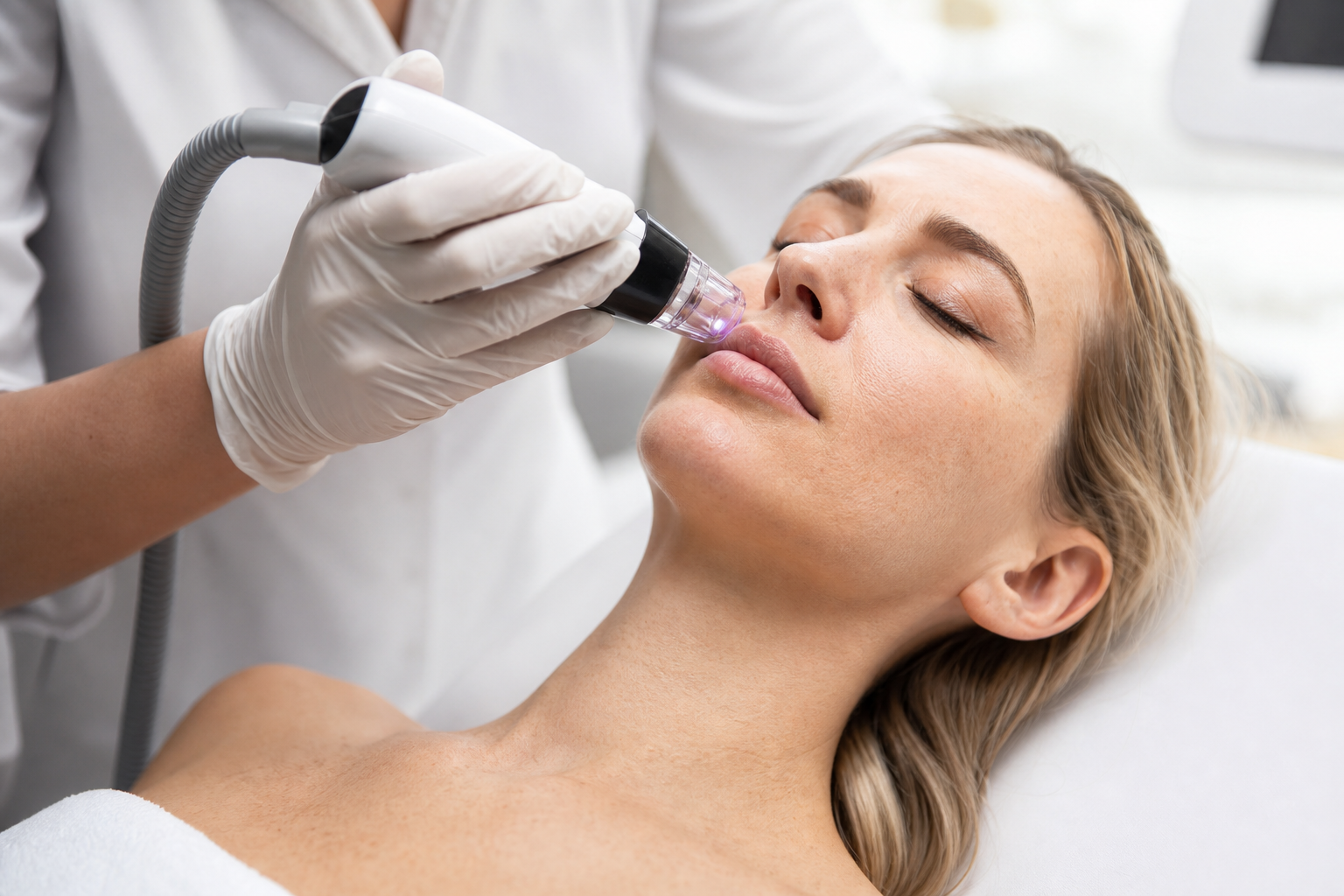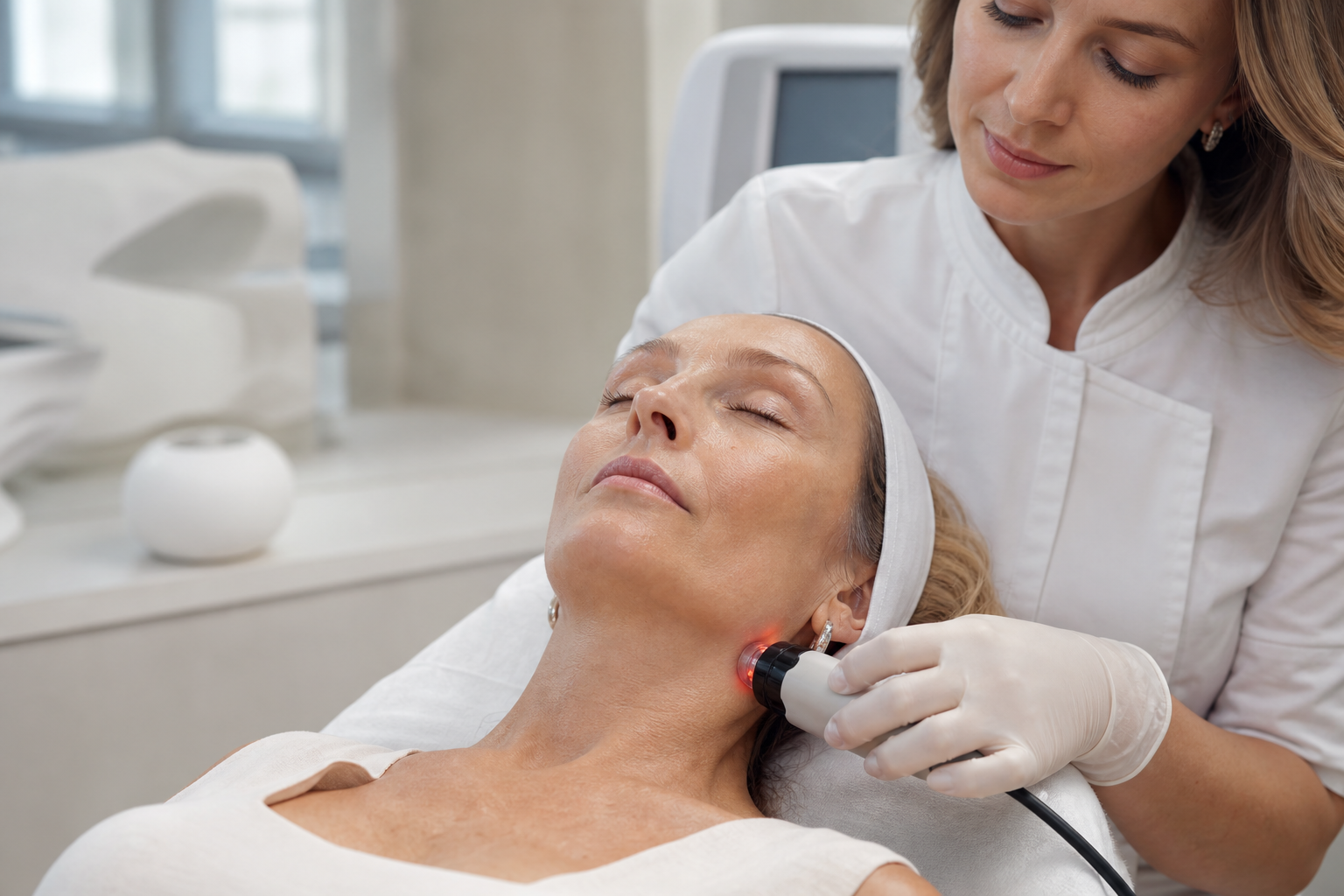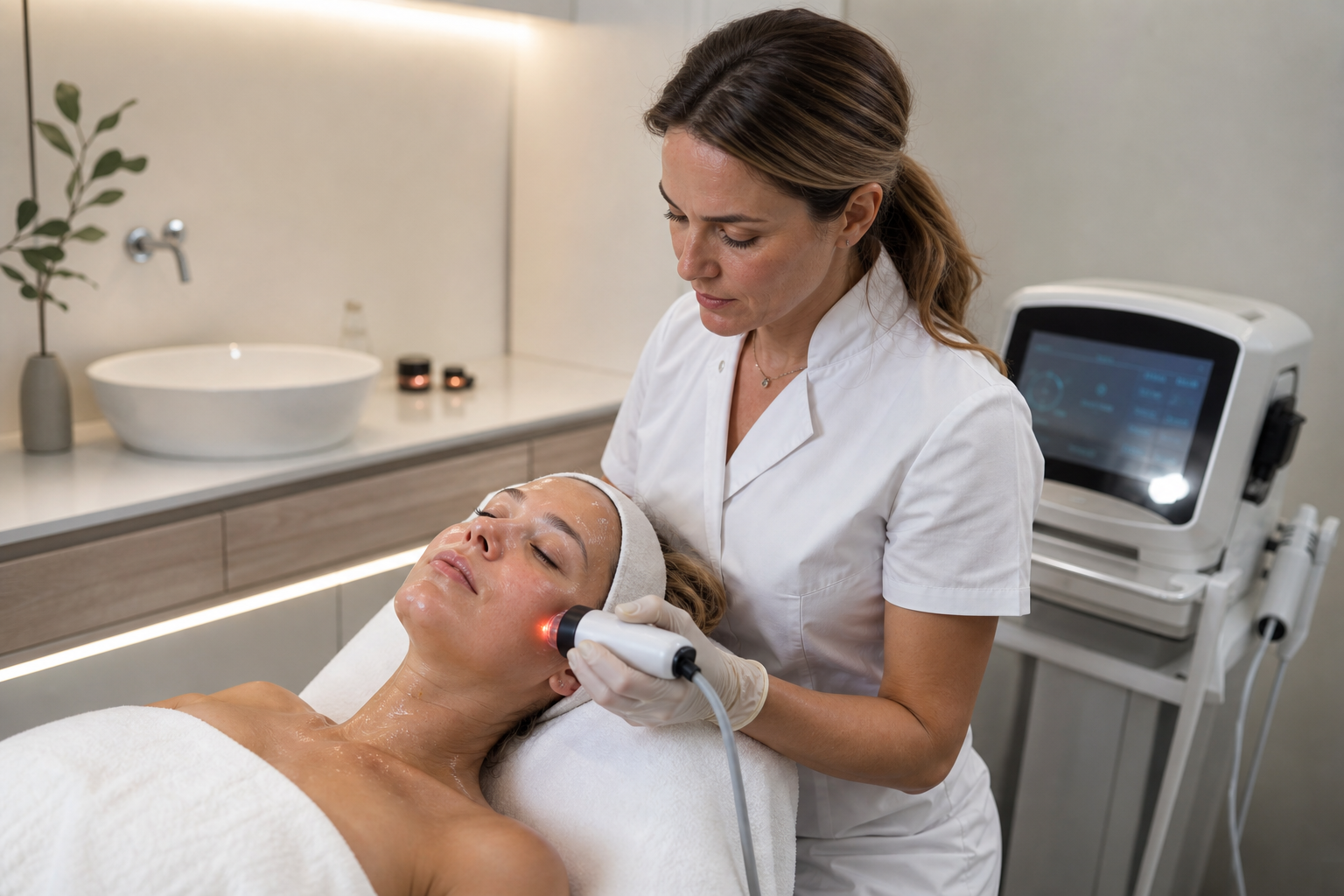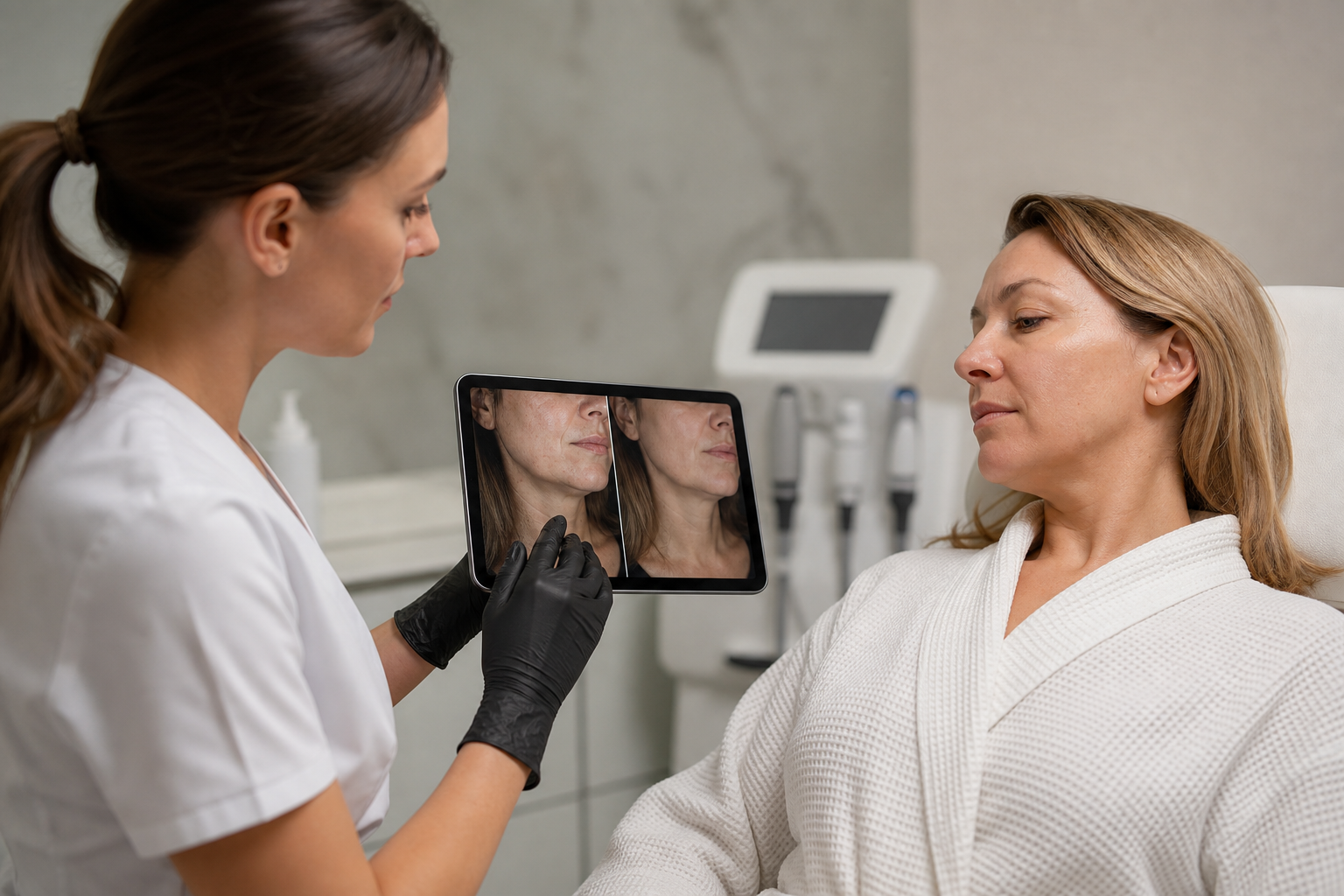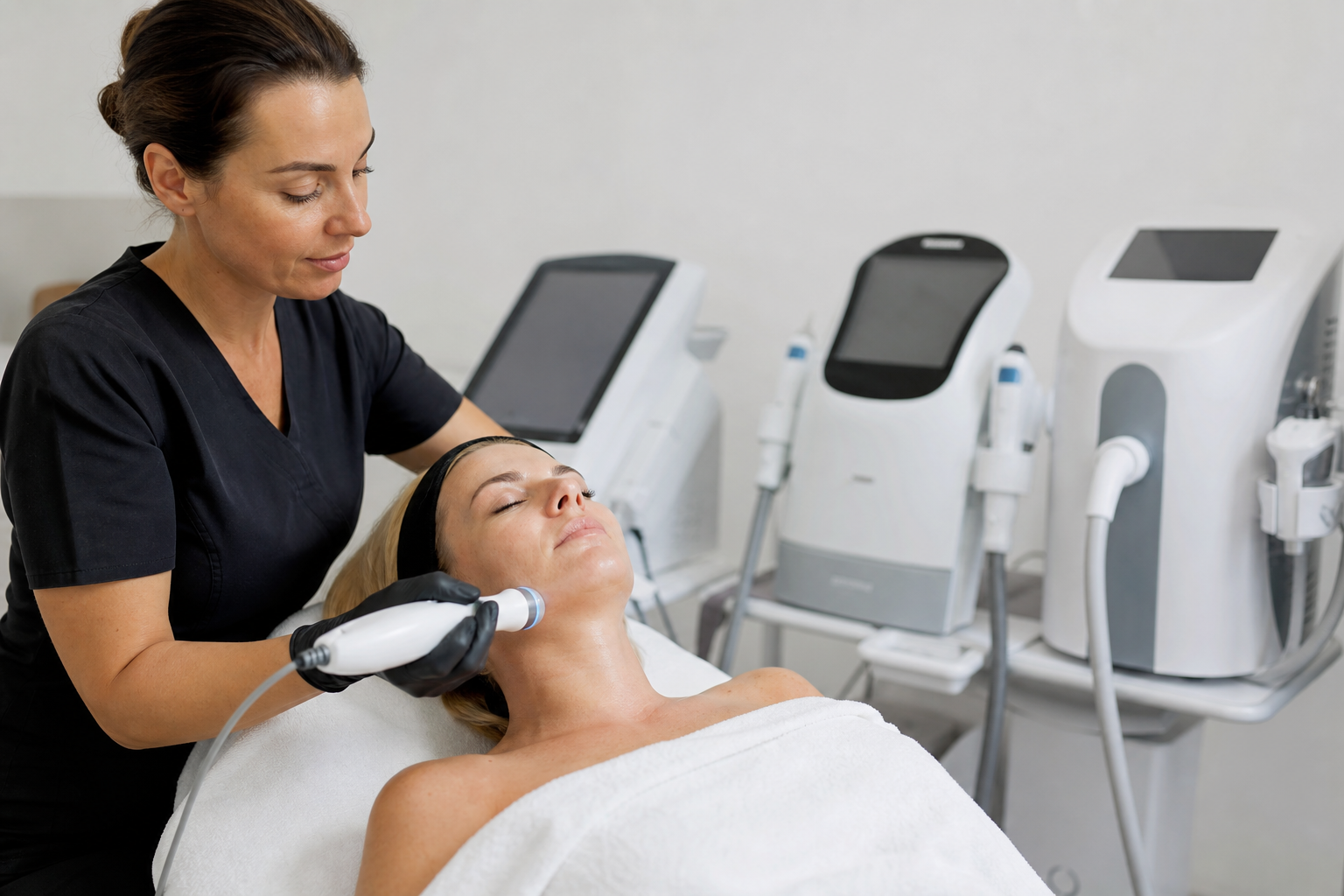
Facial RF lifting, also known as radiofrequency skin tightening, is an advanced aesthetic procedure designed to rejuvenate the skin and restore firmness without resorting to surgical intervention. This technique harnesses controlled radiofrequency energy to penetrate the deeper layers of the skin, encouraging the natural production of collagen and elastin — the essential proteins that confer strength, elasticity, and a youthful appearance to the skin.
Intended for individuals experiencing early to moderate signs of skin aging, facial RF lifting provides a non-invasive alternative to traditional facelifts and other invasive procedures. It is particularly suited for those who notice sagging skin around the cheeks, jawline, neck, or chin, as well as the emergence of fine wrinkles and loss of skin vitality. The significance of this treatment lies in its ability to improve skin tone, texture, and contour with minimal downtime, lowered risk, and a natural aesthetic enhancement.
In this comprehensive editorial, we will explore what can be treated with facial RF lifting, the mechanisms through which it works, the types of radiofrequency treatments available, and provide realistic expectations for potential candidates. Understanding this technology’s nuances assists in making informed decisions about skin rejuvenation options and highlights how RF lifting fits within the broader context of modern aesthetic dermatology.
What Skin Concerns and Facial Areas Are Best Addressed by RF Lifting?
Radiofrequency lifting targets several common signs of aging and skin laxity. Its versatility allows treatment across various facial regions, adapting to individual needs and specific cosmetic goals.
Skin Laxity and Sagging: Over time, the skin loses collagen and elastin fibers, leading to decreased firmness, especially in the mid-face (cheeks), jawline, and neck. RF lifting stimulates new collagen growth within the dermis, resulting in visible tightening and improved skin resilience without the trauma of surgery.
Fine Lines and Wrinkles: Particularly effective around delicate areas like the eyes and mouth, RF energy helps reduce fine wrinkles by promoting collagen remodeling. While not a substitute for deeper wrinkle correction methods, RF lifting smoothens superficial lines for a more youthful complexion.
Loss of Facial Definition: Aging or weight fluctuations can cause soft tissue descent and accumulation of mild fatty deposits, such as submental fullness under the chin. RF procedures can enhance jawline contours by firming the skin and may assist in modest fat reduction in some cases, improving facial profile geometry.
The notable areas treatable by facial RF lifting include the cheeks, lower face including the jawline, submental region (double chin), neck, and more sensitive zones around the eyes and upper lip. Each of these regions benefits uniquely as RF energy addresses both tissue tightening and subtle textural improvements.
How Does Facial RF Lifting Stimulate Skin Improvement?
At its core, facial RF lifting operates by delivering controlled radiofrequency waves into targeted layers of the skin and subcutaneous tissue. This focused thermal energy elevates tissue temperature typically between 40°C to 45°C, which initiates several biologic responses:
Collagen Denaturation and Neocollagenesis: The heat causes immediate contraction of collagen fibers and stimulates fibroblasts to produce new collagen and elastin. This process remodels the skin's supporting matrix, restoring elasticity and tensile strength over weeks to months following treatment.
Enhanced Blood Circulation: Localized heating increases microcirculation, which supports the skin’s metabolism and promotes healthier, more vibrant skin texture and tone.
Importantly, RF lifting is designed to spare the epidermis, minimizing risk of burns or surface injury. Modern devices employ precise temperature monitoring and energy delivery systems to ensure patient safety and comfort, while inducing therapeutic effects in the dermis and hypodermis.
Sessions typically last between 20 and 60 minutes, depending on the area treated and the device used. Treatments are generally well-tolerated with only mild, transient redness or warmth post-procedure.
What Are the Different Types of Radiofrequency Facial Treatments?
RF technology for facial rejuvenation encompasses various modalities, each with specific mechanisms and levels of invasiveness. Understanding these distinctions helps tailor treatment plans to individual patient requirements.
Non-Invasive RF Lifting: This approach involves applying radiofrequency energy through external electrodes to the skin surface. It penetrates dermal layers without skin penetration, inducing collagen remodeling with minimal discomfort or recovery time. Ideal for mild to moderate skin laxity and fine wrinkle improvement.
Fractional RF Without Needles: Utilizing specialized devices, this method delivers energy fractionally to discrete skin segments, creating thermal zones that promote deeper collagen regeneration while leaving surrounding tissue intact. It offers intensified rejuvenation effects without mechanical injury, beneficial for more extensive skin texture and tone improvements.
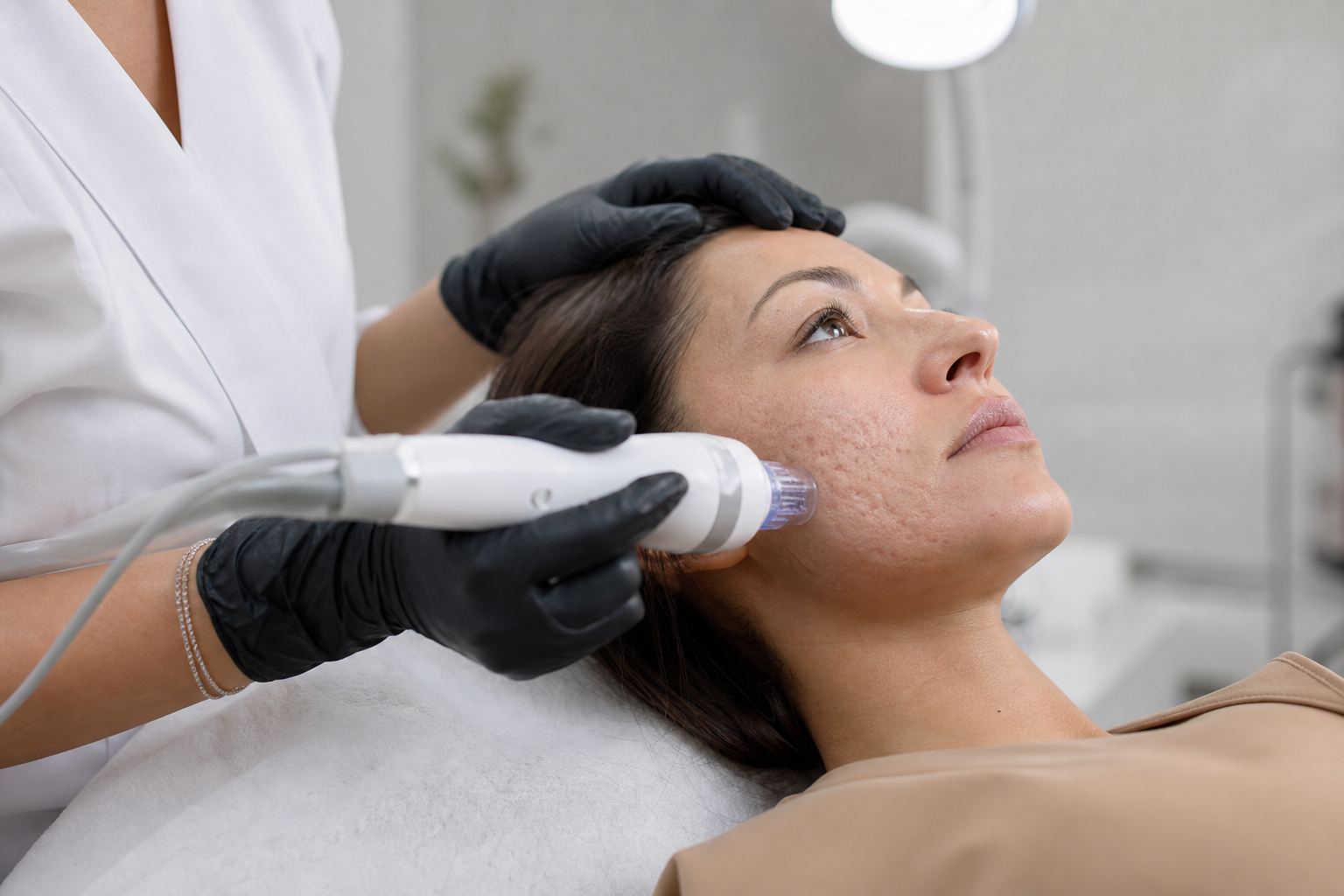
RF Microneedling: This minimally invasive variant combines microneedle penetration with RF energy delivery beneath the skin surface. By disrupting the epidermal barrier, it promotes robust collagen and elastin synthesis suited for treating deeper wrinkles, acne scars, and more pronounced textural abnormalities. Though more intensive, it requires a short recovery period compared to surgical options.
Choosing the appropriate RF technique depends on the patient’s skin condition, tolerance for downtime, and desired outcomes. Specialists often integrate multiple sessions and modalities for optimal results.
Who Is the Ideal Candidate for Facial RF Lifting?
Facial RF lifting suits a broad spectrum of individuals seeking skin tightening and rejuvenation without surgical risks. Candidates often share characteristics such as:
Early to Moderate Signs of Aging: Those noticing mild to moderate loose skin, fine lines, or indistinct facial contours typically benefit appreciably from RF treatments.
Preventative and Maintenance Uses: People aiming to maintain skin vitality and delay more aggressive interventions find RF an appealing non-invasive option.
Contraindications to Surgery: Patients with medical concerns or personal reluctance toward surgical facelifts appreciate RF’s gentler profile and minimal recovery.
Conversely, those with severe skin drooping, deep wrinkles or substantial excess skin may require more invasive procedures or combined treatments for satisfactory correction. Comprehensive consultation with a qualified practitioner will establish candidacy and treatment protocols.
What Are Realistic Expectations Following Facial RF Lifting?
Patients often observe incrementally progressive improvements rather than instantaneous transformation. Early benefits such as skin tightening and enhanced glow can be noted within days to weeks, but collagen remodeling evolves over months.
Multiple treatment sessions spaced over weeks usually deliver cumulative effects, including:
- Improved skin firmness and elasticity
- Reduction in fine lines and superficial wrinkles
- Enhanced facial contours, notably the jawline and submental areas
- Refined skin texture and tone,
- A fresher, more youthful overall appearance
Significantly, RF lifting does not replicate the dramatic elevation and skin excision achieved by surgical facelifts. The outcomes are subtle, natural-looking enhancements with a focus on skin quality.
Moreover, results vary with factors such as age, skin condition, lifestyle, and adherence to treatment recommendations. Maintaining healthy habits, including sun protection and skin care, supports sustained benefits.
When Should One Opt for RF Lifting Over Other Skin Tightening Methods?
RF lifting stands out as a first-line option for patients prioritizing safety, minimal downtime, and natural results. Its attributes make it favorable when:
- Surgical risks are undesirable due to health or personal reasons
- Time constraints limit availability for extended recovery periods
- Fear of needles or invasive techniques exist (for non-microneedling RF approaches)
- The skin laxity and wrinkles are mild to moderate rather than severe
Compared with other modalities such as laser resurfacing or ultrasound treatments, RF lifts the advantage in versatile tissue penetration and stimulation without epidermal injury. Additionally, pairing RF treatments with concomitant therapies—like chemical peels, mesotherapy, or light therapies—can amplify rejuvenation effects.
What Common Misconceptions Surround Facial RF Lifting?
Despite its increasing popularity, several myths related to RF lifting warrant clarification:
Myth: RF Lifting Is Equivalent to a Surgical Facelift. While beneficial for tightening, RF treatments cannot remove excess skin nor produce the dramatic repositioning achieved surgically.
Myth: Results Are Instant and Permanent. Outcomes develop gradually as collagen remodels, and maintenance treatments may be required to sustain effects over time.
Myth: RF Lifting Is Completely Pain-free. Though generally well-tolerated, some patients experience mild discomfort or warmth during sessions.
Myth: One Treatment Suffices for All Skin Types and Conditions. Tailored protocols and multiple sessions are often necessary to address individual concerns optimally.
Understanding these realities ensures patients approach RF lifting with informed expectations and appropriate enthusiasm.