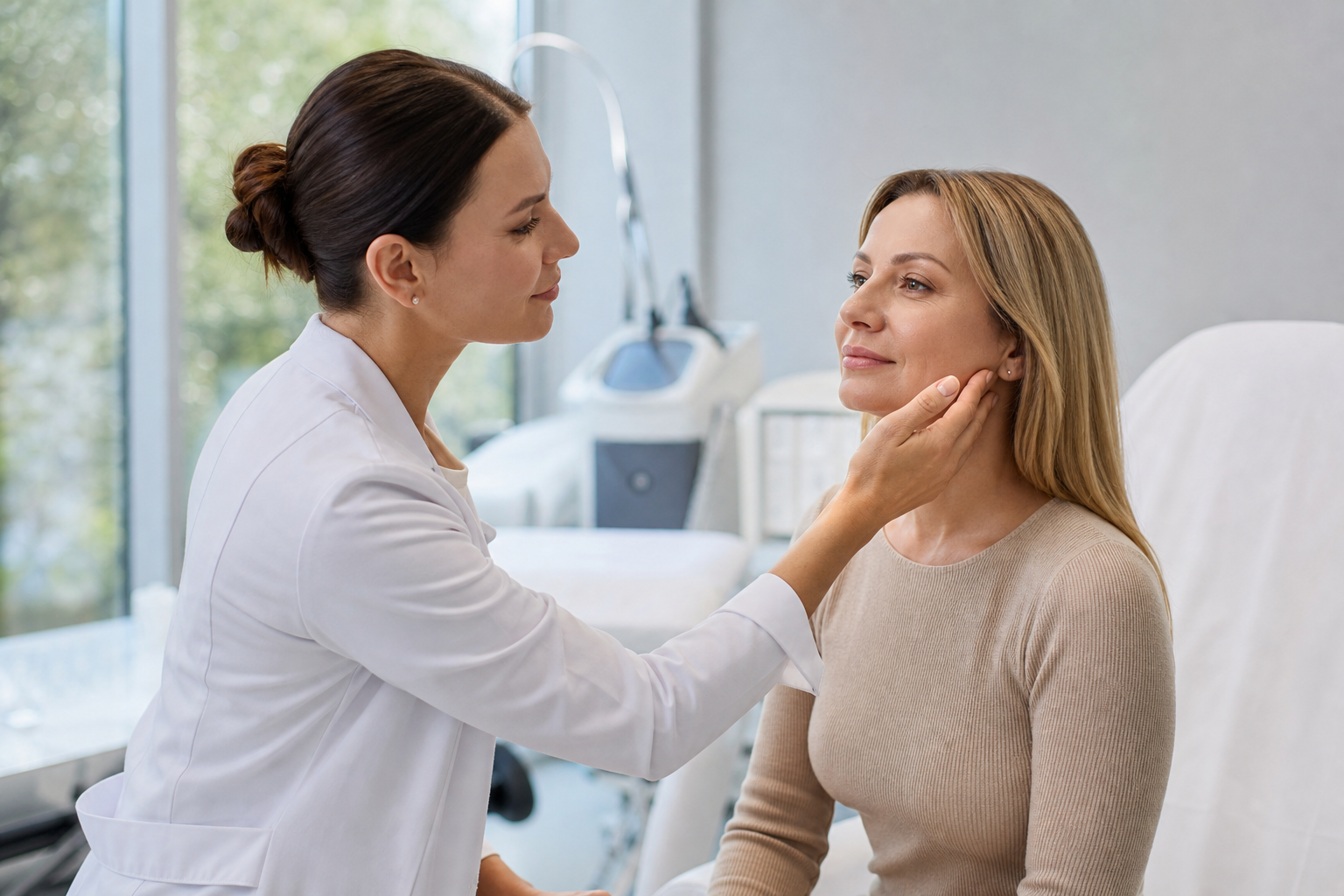
Laser rejuvenation has emerged as a leading aesthetic procedure designed to revitalize the skin by harnessing advanced laser technology. This treatment aims to improve skin texture, stimulate collagen production, and reduce visible signs of aging such as wrinkles, pigmentation irregularities, and sun damage. For individuals considering this procedure, one of the paramount questions is: when do laser rejuvenation results become visible? Understanding the timeline for seeing improvements is crucial for setting realistic expectations, planning treatment schedules, and committing to appropriate aftercare.
This article caters to those exploring laser skin rejuvenation—whether just beginning research or having already scheduled a consultation. It elucidates the distinctions between ablative and non-ablative laser treatments, the different recovery dynamics involved, and how these factors influence the appearance and timing of results. By focusing specifically on the visibility of outcomes, this guide provides a clear, medically grounded framework devoid of generic timelines or unfounded guarantees, empowering readers to make informed decisions.
Laser skin rejuvenation's relevance extends beyond cosmetic enhancement; it impacts self-confidence, skin health, and overall satisfaction with one’s appearance. Hence, knowing precisely when the positive effects might manifest, and the factors affecting these results, matters deeply to prospective patients and clinicians alike.
Distinguishing Ablative from Non-Ablative Laser Rejuvenation
Laser skin rejuvenation encompasses two primary categories—ablative and non-ablative—each employing distinct mechanisms and producing varied timelines for visible results. Grasping the differences is foundational to answering when outcomes can be expected.
Ablative laser treatments operate by removing the outermost layers of damaged skin. This controlled wounding initiates an intense regenerative process whereby new, healthier skin replaces the treated area. The procedure often targets significant skin texture irregularities and pronounced signs of aging, such as deep wrinkles and scars. Due to the intentional surface disruption, ablative treatments generally require an extended healing phase characterized by redness, swelling, and peeling. However, the benefits are correspondingly more dramatic and manifest after the skin completes its healing cycle and continues remodeling over time.
In contrast, non-ablative laser therapies work beneath the skin’s surface without removing the epidermis. They deliver heat to stimulate underlying collagen production without creating open wounds. This approach results in minimal downtime, making it appealing to individuals seeking subtle improvements without extensive recovery. The visible changes with non-ablative lasers are typically gradual, building over weeks and months as new collagen forms and the skin’s elasticity and tone enhance progressively.
When Do Initial Results Appear After Ablative Laser Rejuvenation?
Following an ablative laser procedure, the first visible transformations emerge once the initial healing phase is complete. Typically, this period spans from several days up to two weeks, depending on the treatment’s intensity, the specific laser used, and individual healing capacity. During this time, the skin undergoes redness, peeling, and sensitivity—expected responses as the damaged surface layer sloughs off and reveals renewed skin underneath.
Once the epidermis has sufficiently regenerated, patients often notice substantial improvements in skin texture, tightness, and complexion brightness. However, these early changes represent only part of the restorative process. The body continues producing collagen and remodeling deeper dermal layers, refining skin quality over the course of several months following treatment.
It is important to acknowledge that variation exists between individuals. Factors such as age, baseline skin condition, lifestyle habits (including sun exposure and smoking), and adherence to post-care instructions greatly influence the speed and extent of visible improvements. Thus, while some may see encouraging results within a month, others might experience a slower progression toward their final appearance.
Timeline for Visible Effects Following Non-Ablative Laser Treatments
Non-ablative lasers induce collagen synthesis beneath the skin without the epidermal disruption seen in ablative approaches. Consequently, recovery is swift, often involving mild redness or swelling that dissipates within hours to a few days. Because the skin surface remains intact, visible outcomes tend to be subtler and emerge more gradually.
Typically, initial enhancements in skin tone and firmness might become noticeable after several weeks, but significant improvements generally require repeated sessions over the span of months. With consistent treatment protocols, the skin’s texture, elasticity, and radiance progressively improve, albeit in a less dramatic fashion compared to ablative methods.
The incremental nature of non-ablative results aligns well with patients seeking maintenance or prevention of aging signs, rather than immediate, transformative effects. Additionally, the therapy’s favorable downtime profile suits individuals unable to accommodate lengthy recovery periods.
What Factors Affect the Onset and Quality of Laser Rejuvenation Results?
The timing and visibility of laser rejuvenation results are contingent on several variables beyond the type of laser utilized. Critical considerations include:
Skin Type and Condition: Individuals with well-hydrated, healthier skin substrates may respond faster and with more uniform results, whereas severely sun-damaged or dehydrated skin might require prolonged healing and treatment courses.
Patient Age: Younger skin typically exhibits a more robust regenerative potential, facilitating quicker remodeling and collagen production.
Treatment Parameters: The specific laser wavelength, energy settings, and treatment depth influence how aggressively the skin is targeted and consequently how soon changes appear.
Compliance with Post-Treatment Care: Adhering to recommendations regarding sun avoidance, moisturizing, and using prescribed topical agents significantly impacts healing speed and the quality of outcomes.
Lifestyle Factors: Smoking, nutrition, hydration, and exposure to environmental pollutants can either hinder or promote optimal skin regeneration.
Who Is an Ideal Candidate for Laser Skin Rejuvenation?
Laser rejuvenation is best suited for individuals exhibiting mild to moderate signs of skin aging such as fine lines, uneven pigmentation, and loss of skin tone. Patients seeking to address sunspots, superficial scars, or early photoaging often derive meaningful benefits from these treatments.
Those with deeper wrinkles, significant scarring, or advanced skin laxity may require a more comprehensive treatment plan incorporating laser procedures alongside other modalities such as fillers, neuromodulators, or surgical interventions.
It is essential to undergo professional evaluation by a dermatologist or licensed practitioner who can assess skin type, medical history, and aesthetic goals. Such assessment determines candidacy and informs realistic expectations regarding the timing and extent of visible improvements.
Understanding Recovery and Its Influence on Result Timing
The recovery phase is integral to the efficacy of laser skin rejuvenation, particularly with ablative modalities. During this time, the skin restores its barrier function, reduces inflammation, and initiates collagen remodeling. The quality of recovery, supported by appropriate wound care and avoidance of irritants, directly correlates with the eventual visibility and longevity of results.
For ablative treatments, patience during the initial recovery period is vital, as premature sun exposure or inadequate hydration can prolong healing and impair outcomes. Non-ablative treatments, while involving minimal downtime, still benefit from diligent skin protection and nourishment to optimize the gradual rejuvenation process.
What Are the Common Limitations and Risks Affecting Result Visibility?
Despite advances in laser technology, certain limitations affect the predictability and timing of results. These include the skin’s biological variability and the inability of laser treatments to completely erase all age-related changes or deep wrinkles.
Risks such as post-inflammatory hyperpigmentation, scarring, or infection—though rare when performed by experienced practitioners—may delay the onset of visible improvements or cause temporary cosmetic setbacks.
A transparent dialogue with the treatment provider about potential risks and limitations, and setting prudent expectations, is essential in preventing dissatisfaction and enabling a smooth journey from treatment to desired outcomes.
Why Do Laser Rejuvenation Results Vary Among Individuals?
Individual variability in laser treatment response is influenced by factors including genetic predisposition, baseline collagen levels, immune system activity, and environmental exposures. Moreover, the distinct technologies and protocols tailored to each patient’s needs can lead to different speeds and magnitudes of improvement.
Recognizing that laser rejuvenation is a personalized procedure underscores the importance of customized treatment plans, ongoing evaluation, and potential adjustment in protocols to maximize visible benefits within a realistic timeframe.


