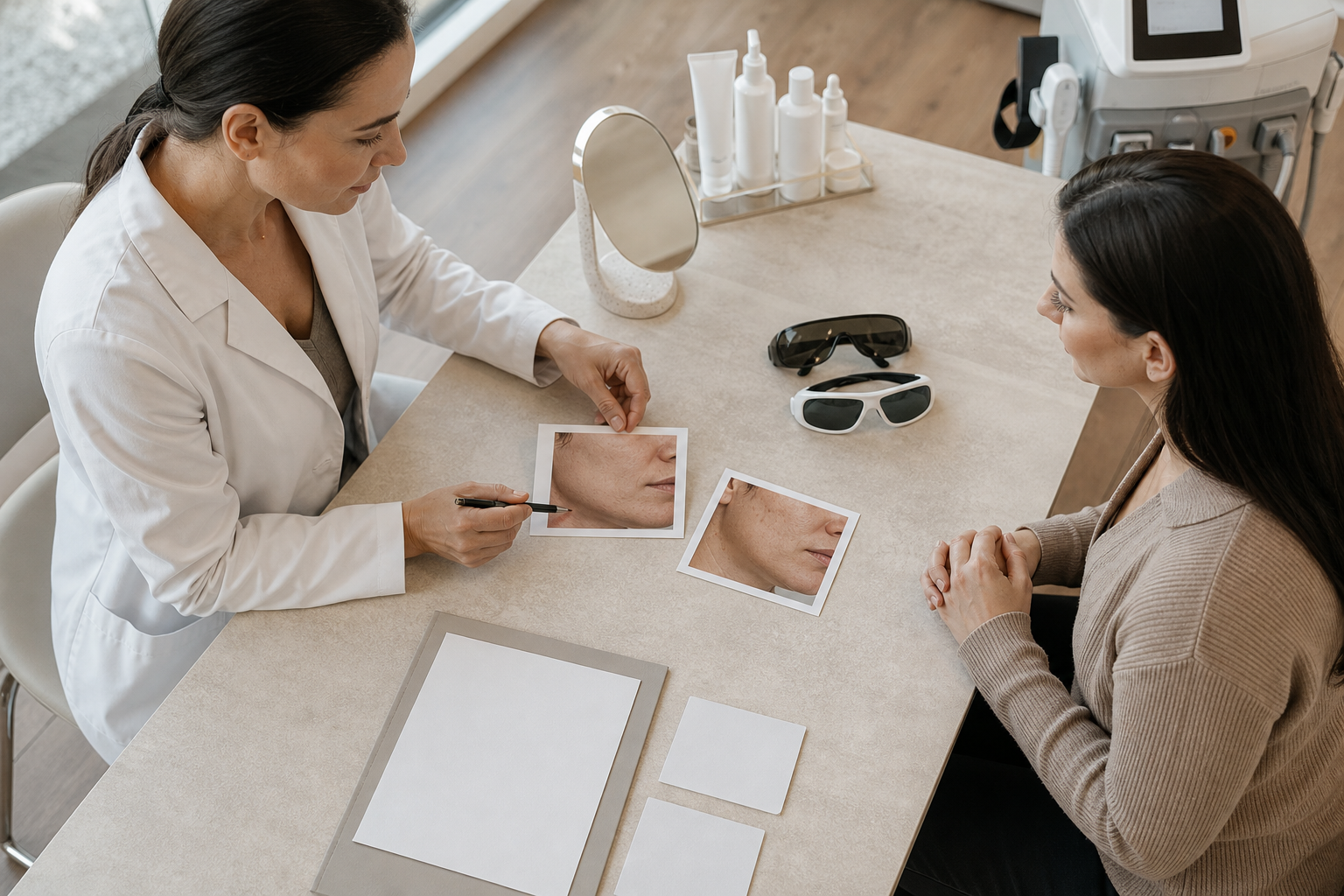
Scars and irregular skin texture are common aesthetic concerns that resonate with many individuals worldwide. Whether stemming from acne, surgical procedures, or other forms of skin trauma, these issues can profoundly impact one’s confidence and overall quality of life. The quest for smoother, more even skin has led to the advancement and popularity of various dermatological treatments, among which laser therapy and microneedling stand out prominently. Both methods offer promising results in scar reduction and skin texture improvement, yet they differ significantly in mechanisms, applications, recovery processes, and suitability.
This article delves into the nuanced comparison between laser treatments and microneedling, focusing specifically on their roles in addressing scars and enhancing skin texture. It is intended for individuals contemplating these treatments, dermatologists, estheticians, and anyone eager to understand contemporary options for skin rejuvenation. Understanding the intricacies of each treatment—how they work, who benefits most, what one can expect during recovery, and the possible risks—empowers informed decision-making tailored to individual skin conditions and lifestyle.
How Do Laser Treatments Work on Scars and Skin Texture?
Laser therapy in dermatology harnesses focused beams of light of specific wavelengths to target different layers and structures of the skin. The versatility of lasers allows for modulation of intensity, depth of penetration, and thermal effects, making them highly adaptable to various skin concerns. When it comes to scar management and texture refinement, fractional CO₂ and erbium lasers are frequently employed due to their precise ablative and non-ablative properties.
The principle lies in controlled skin injury, which stimulates the body's natural healing mechanisms. By creating microscopic zones of thermal damage in the dermis, lasers induce collagen remodeling and neocollagenesis, ultimately leading to the flattening of raised scars, improvement of depressed lesions, and general skin smoothing. This remodeling effect enhances firmness and elasticity while evening out tone and texture.
It is important to clarify a common misconception involving Intense Pulsed Light (IPL). Though widely used for pigmentation irregularities and vascular lesions, IPL is not a laser and does not penetrate deeply enough to address scars or significant textural defects extensively. Understanding this distinction is crucial when selecting an appropriate treatment modality.
What Is the Mechanism of Microneedling and Its Impact on Scars?
Microneedling operates on a fundamentally different yet complementary principle. By creating controlled micro-injuries across the skin with fine needles, this method triggers the body’s reparative pathways, stimulating collagen and elastin production. This minimally invasive process facilitates skin regeneration, which gradually improves scar appearance and texture irregularities.
Among microneedling variants, Radiofrequency (RF) microneedling couples the physical micro-punctures with radiofrequency energy delivery into the dermis. This synergy enhances collagen remodeling by adding thermal stimulation. However, it warrants special consideration as regulatory bodies like the FDA have indicated forthcoming stringent standards for RF microneedling devices by 2025, emphasizing the need for safety and standardized device efficacy.
Microneedling is generally recognized for its accessibility and versatility. Its mild nature allows it to be performed on a broader range of skin types with typically shorter downtimes compared to lasers. Yet, it is not devoid of limitations and should be used cautiously, particularly when inflammatory skin conditions are present.
Who Are Ideal Candidates for Laser Versus Microneedling?
Candidacy for laser or microneedling treatments largely depends on the severity and type of scars, skin type, overall skin health, and personal tolerance for recovery periods. Lasers are often recommended for individuals with deeper, more pronounced scarring—such as boxcar or rolling acne scars—owing to their profound dermal remodeling capabilities. Fractional CO₂ lasers, for instance, can reach significant depths, enabling substantial tissue renewal.
Conversely, microneedling is suitable for milder to moderate scarring and is often preferred by those seeking minimal invasiveness, shorter recovery times, or who possess sensitive skin types that may not tolerate aggressive laser treatments. It is also a viable option for patients who are unable to endure the temporary but sometimes intense discomfort and redness associated with ablative laser procedures.
Age, existing health conditions, and presence of active skin infections or inflammations are critical considerations in eligibility determination. Consultation with a board-certified dermatologist or licensed aesthetic professional is indispensable to tailor treatment choice to these factors. Neither treatment should be pursued without thorough professional assessment.
What Does the Recovery Process Entail for Each Treatment?
Recovery is often a defining factor in treatment choice. Ablative lasers typically involve more pronounced downtime characterized by redness, swelling, and peeling, lasting several days to weeks. Patients need to adhere strictly to post-procedural care protocols, including diligent moisturizing, sun protection, and avoidance of skin irritants to support healing and minimize adverse events.
Non-ablative lasers present a more moderate recovery curve with less noticeable immediate effects, though multiple sessions might be necessary to achieve desired outcomes. In contrast, microneedling usually results in transient erythema and subtle swelling for a couple of days. Patients can often resume normal activities relatively quickly while taking precautions to shield the skin from excessive sun exposure and trauma.
The combination of treatment parameters, skin type, and individual healing responses influences the duration and intensity of recovery. Realistic expectations and preparedness enhance patient satisfaction and treatment success.
What Are Potential Risks and Side Effects Associated with Laser and Microneedling?
While generally safe when performed by qualified professionals, both laser and microneedling treatments carry inherent risks. Laser procedures may lead to hyperpigmentation, hypopigmentation, scarring, infections, and prolonged erythema, particularly if aftercare instructions are neglected or if inappropriate laser settings are used. Sensitivity varies among different skin types, underscoring the importance of experienced providers in avoiding complications.
Microneedling complications, though less frequent and severe, include temporary skin irritation, swelling, potential post-inflammatory pigment changes, and rarely, infections if aseptic techniques are insufficient. The addition of RF energy enhances efficacy but also poses risks of thermal injury, necessitating meticulous device selection and operator proficiency, especially in light of forthcoming 2025 FDA regulations aiming to ensure device safety and performance consistency.
Proactive clinical evaluation, patient education, and rigorous adherence to safety protocols are vital in minimizing these risks.
How Should One Choose Between Laser and Microneedling for Scar and Skin Texture Treatment?
Deciding whether laser or microneedling is more appropriate hinges on a comprehensive understanding of individual skin concerns, treatment goals, and tolerance for downtime and risks. Laser treatments offer more robust correction ideal for deeper scars and textural concerns at the expense of longer recovery and higher risk profiles. Microneedling provides a gentler alternative suitable for less severe cases or individuals seeking minimal interruption to daily life.
It is also worth noting that these treatments are not mutually exclusive. In some cases, combination protocols may yield superior results by leveraging their respective advantages. This approach requires expert clinical judgment and patient-centered customization.


