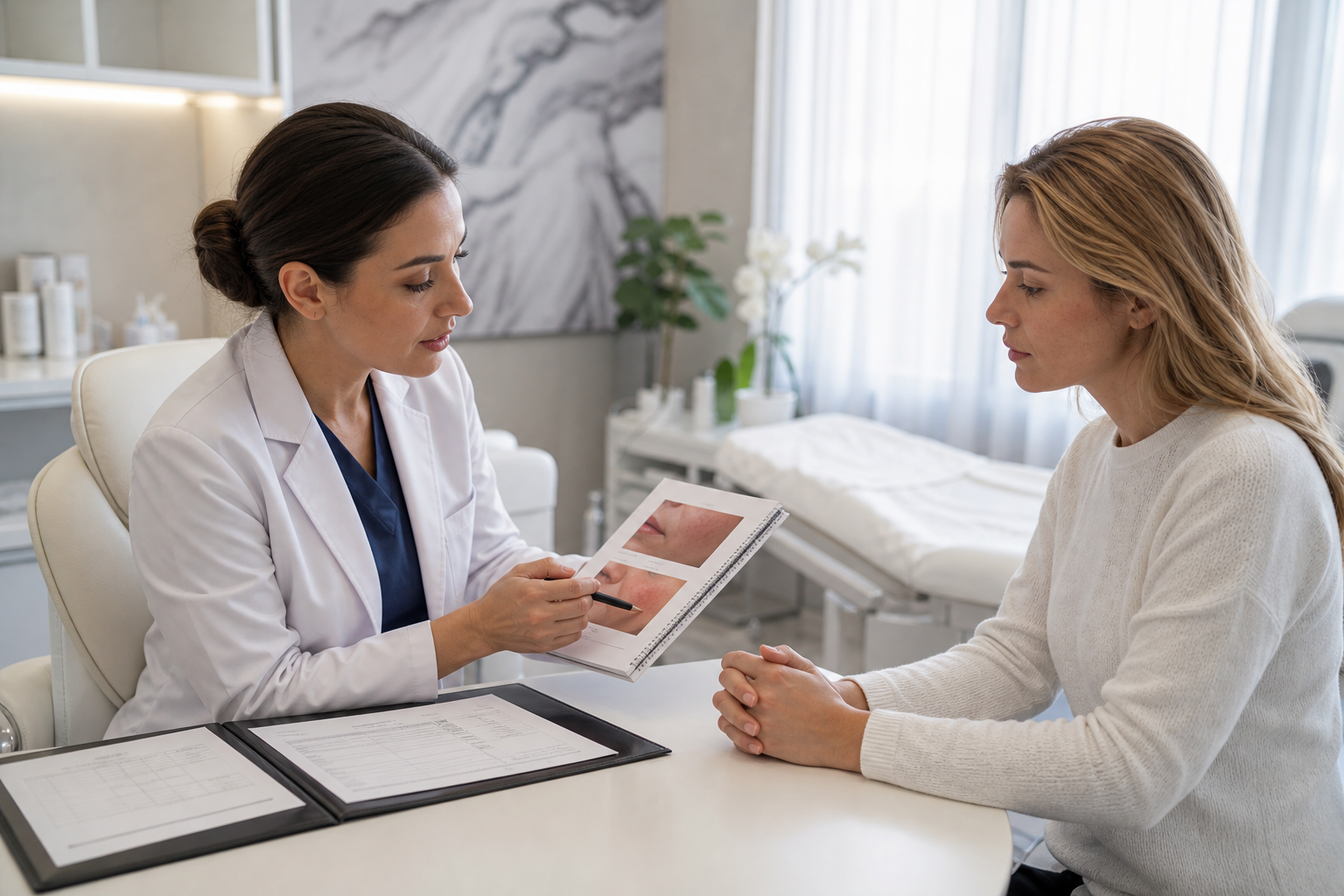
Redness and swelling following a laser treatment are among the most common concerns expressed by those undergoing various dermatological laser procedures. These temporary skin reactions, while often expected, can provoke anxiety, especially for first-time patients. Understanding what these symptoms signify, their typical duration and intensity, and how they fit into the overall healing process is crucial for anyone considering or recently having undergone laser therapy. This article aims to clarify these phenomena in a detailed yet accessible manner, outlining what is normal, what may require medical attention, and how to support optimal recovery.
Laser treatments encompass a wide array of procedures, including skin rejuvenation, pigment correction, vascular lesion removal, and hair reduction. Each involves the targeted application of light energy to skin structures, inducing controlled damage that promotes regeneration and desired aesthetic outcomes. However, because the laser energy inevitably affects the skin's delicate tissues, redness (erythema) and swelling (edema) are natural sequelae of the procedure. Recognizing their origin and expected progression empowers patients to manage recovery wisely and align expectations with clinical realities.
This discussion is especially relevant for individuals with upcoming laser sessions, those currently experiencing post-laser symptoms, and healthcare providers seeking to inform patients more thoroughly. By differentiating routine reactions from complications and highlighting the variables influencing their manifestation, the reader gains a nuanced understanding that supports better care decisions and peace of mind.
Why Do Redness and Swelling Occur After Laser Treatments?
Redness and swelling after laser therapy are the skin's physiological responses to the controlled thermal and photomechanical injury induced by laser devices. When laser energy penetrates the skin, it selectively targets chromophores such as melanin or hemoglobin, or heats water in skin cells, producing microscopic thermal zones or micro-injuries. These focal disruptions initiate a complex cascade of biological processes geared toward repairing and remodeling damaged tissue.
Specifically, redness arises from vasodilation—the widening of blood vessels—in the treated area. This allows increased blood flow, carrying immune cells, growth factors, and nutrients essential for tissue repair. Swelling, or edema, occurs due to increased vascular permeability, causing plasma and immune components to leak into the interstitial spaces. Such localized inflammation is a hallmark of the healing phase, signaling that the skin is engaging in active regeneration.
Different laser systems penetrate the skin to varying depths and apply energy in unique modes, influencing these responses. For instance, ablative lasers that vaporize parts of the epidermis typically provoke more pronounced redness and swelling than non-ablative lasers, which primarily stimulate dermal remodeling without overt surface injury. Fractional lasers produce microscopic zones of injury interspersed with unaffected tissue, promoting rapid healing but still eliciting noticeable erythema. Understanding these mechanistic foundations aids in anticipating individual reactions and planning appropriate aftercare.
How Do Intensity and Duration of Redness and Swelling Vary Among Patients?
The degree and longevity of redness and swelling post-laser treatment depend on several interrelated parameters encompassing the laser technology, treatment protocol, and individual patient characteristics. Laser parameters such as wavelength, energy density (fluence), pulse duration, and spot size dictate the extent of thermal impact and tissue disruption.
Patient factors include skin type, baseline sensitivity, age, presence of pre-existing skin conditions, and overall health. For example, individuals with sensitive or fair skin types may experience more intense and prolonged redness compared to those with more resilient or darker skin tones, who might manifest subtler but potentially longer-lasting erythema. Age-related changes in skin thickness and vascular reactivity further influence responses.
Typically, post-laser redness appears immediately following treatment and gradually subsides within several days to about a week. Swelling often peaks within the first 24 to 48 hours and diminishes thereafter, though some cases with deeper or more aggressive treatments may show persistence over a longer timeframe. Consistent follow-up and personalized evaluation make it possible to recognize deviations deviating from standard recovery trajectories.
What Risk Factors Can Prolong or Exacerbate Redness and Swelling?
While a mild to moderate degree of redness and swelling is common and beneficial in signaling tissue repair, certain factors can lead to excessive or extended inflammatory responses. These risk elements include:
Pre-existing skin conditions: Disorders such as eczema, rosacea, or psoriatic lesions predispose the skin to heightened inflammation post-laser. Active infection or dermatitis may serve as contraindications to proceeding with treatment until resolved.
Inadequate skin preparation: Failure to properly cleanse or precondition the skin can increase susceptibility to irritation or secondary complications.
Recent or excessive sun exposure: Ultraviolet radiation sensitizes skin and disrupts barrier integrity, compounding laser-induced inflammation.
Allergic reactions to topical agents or products: Some patients exhibit hypersensitivity to ingredients used before or after treatment, amplifying swelling and redness.
Improper post-treatment care: Exposure to heat, harsh cosmetics, or mechanical irritation hinders recovery and exacerbates symptoms.
Recognizing these aspects enables clinicians and patients to mitigate risks through tailored treatment plans and conscientious follow-up.
How Should the Skin Be Cared for to Minimize Post-Laser Redness and Swelling?
Optimal post-procedure skincare plays a vital role in managing redness and swelling, facilitating comfort, and promoting timely healing. Recommendations vary based on the specific laser modality and individual patient response but generally include several cornerstone principles:
Gentle cleansing: Use mild, fragrance-free cleansers to maintain skin hygiene without disrupting delicate post-laser tissues.
Hydration and barrier support: Applying moisturizers rich in soothing ingredients such as aloe vera, hyaluronic acid, or ceramides helps to alleviate dryness and reinforce the skin's natural protective layer.
Cold compresses: Controlled application of cool packs or compresses can reduce edema and discomfort while attenuating vasodilation.
Sun protection: The treated area remains highly photosensitive. Applying broad-spectrum sunscreen with a high SPF and wearing protective clothing are indispensable to prevent hyperpigmentation and further irritation.
Avoidance of irritants: Steering clear of makeup, exfoliants, retinoids, alcohol-based toners, and other harsh substances during the recovery period minimizes risk of adverse reactions.
Follow-up guidance: Adhering strictly to instructions provided by the treating clinician ensures alignment with the treatment's intensity and expected healing path.
When Should Patients Seek Professional Help for Redness and Swelling After Laser?
Although redness and swelling are anticipated outcomes, certain warning signs indicate the need for prompt medical evaluation. Patients should contact their healthcare provider if they experience:
Prolonged or worsening redness and swelling: Persistence beyond the expected healing timeframe or progressive worsening may reflect secondary complications.
Severe, unrelenting pain: Intense discomfort not relieved by standard care could signal infection or adverse reactions.
Presence of blisters, pus, or open wounds: These findings raise concern for infection requiring intervention.
Fever or systemic symptoms: These suggest a spreading infection or more serious systemic response.
Early identification and treatment of complications help to preserve treatment outcomes and ensure safety.
How to Distinguish Normal Recovery Symptoms from Complications?
Distinguishing expected inflammatory signs from pathological complications hinges on the degree, progression, and associated features of redness and swelling. Common attributes of normal post-laser recovery include mild to moderate erythema and edema that gradually improve day by day. These are typically accompanied by sensations of skin tightness or tenderness but not severe pain.
Conversely, alert signs of complications encompass:
Escalating swelling and redness beyond the treated area, indicating possible cellulitis or spreading inflammation.
The development of vesicles or purulent material signaling infection or adverse skin reactions.
Persistent or worsening discomfort with functional impairment, warranting prompt reassessment.
Maintaining open communication with the treating clinician throughout the recovery period facilitates appropriate evaluation and management.
Common Misconceptions About Redness and Swelling Post-Laser Treatments
Several myths circulate regarding these reactions, generating undue concern or inappropriate self-management:
Myth: Severe redness means the laser treatment has damaged my skin.
Reality: A certain level of redness signifies the desired inflammatory response leading to rejuvenation and collagen remodeling.
Myth: Skin must be kept completely covered and away from all light for weeks after treatment.
Reality: While sun protection is essential, the extent and duration of light avoidance depend on the laser type and clinician advice. Strict concealment is not universally required.
Myth: Makeup should be applied immediately post-treatment to cover redness.
Reality: Using cosmetics too soon can irritate healing skin and possibly cause infection; waiting times vary based on procedure intensity.
Dispelling these misconceptions helps patients adopt evidence-based practices and fosters smoother recovery experiences.
Additional Resources for Preparing and Recovering from Laser Skin Treatments
To gain a comprehensive understanding of laser-assisted skin therapies, prospective and current patients may consult resources that detail the preparation, procedural steps, results, and recovery nuances. Central to this is the article titled Facial Laser Treatment – Preparation, Procedure and Recovery, which offers foundational guidelines. For those focusing specifically on rejuvenation, Laser Skin Rejuvenation – A Complete Guide to Treatments, Results and Recovery provides in-depth information about expected outcomes and healing phases.
Understanding the actual experience during laser procedures is aided by How to Prepare for Laser Skin Rejuvenation and What Happens During a Facial Laser Treatment, Step by Step?. Queries around discomfort can be addressed by exploring Does Laser Skin Rejuvenation Hurt? while knowledge about recuperation spans through readings like How Long Is Recovery After Fractional Laser? and When Can You Wear Makeup Again After Laser Treatment?.
Leveraging these authoritative materials allows patients to set realistic expectations and engage proactively with their skin health journey.


