Botox treatments have become synonymous with modern aesthetic medicine, widely recognized for their ability to soften the visual signs of aging and enhance facial harmony without surgery. This minimally invasive procedure appeals to individuals seeking subtle rejuvenation, aiming to refresh the face by relaxing specific muscle groups that contribute to furrows and wrinkles. Yet, Botox is far more than a quick cosmetic fix; it involves precise medical assessment, tailored preparation, and skilled administration to achieve natural, lasting results while minimizing risks.
Understanding the preparation and process of Botox treatments is essential not only for those considering the procedure but also for anyone interested in the nuanced practice behind this popular intervention. Knowledge empowers patients to approach treatment with clear expectations and confidence, delineating realistic outcomes from myths and misconceptions. Moreover, as Botox is utilized globally in both cosmetic and therapeutic contexts, recognizing its safe application framework helps to appreciate its role in modern dermatology and aesthetics.
This article provides an in-depth look into the pre-treatment preparations and detailed procedural steps involved in Botox applications. It highlights the importance of individualized medical evaluation, the rationale behind specific guidelines, and the expectations one should hold about effects and limitations. By exploring the structured approach taken by qualified professionals, readers gain insight into how a seemingly straightforward procedure is meticulously executed to ensure effectiveness, safety, and patient satisfaction.
Comprehensive Evaluation and Patient Selection for Botox Treatments
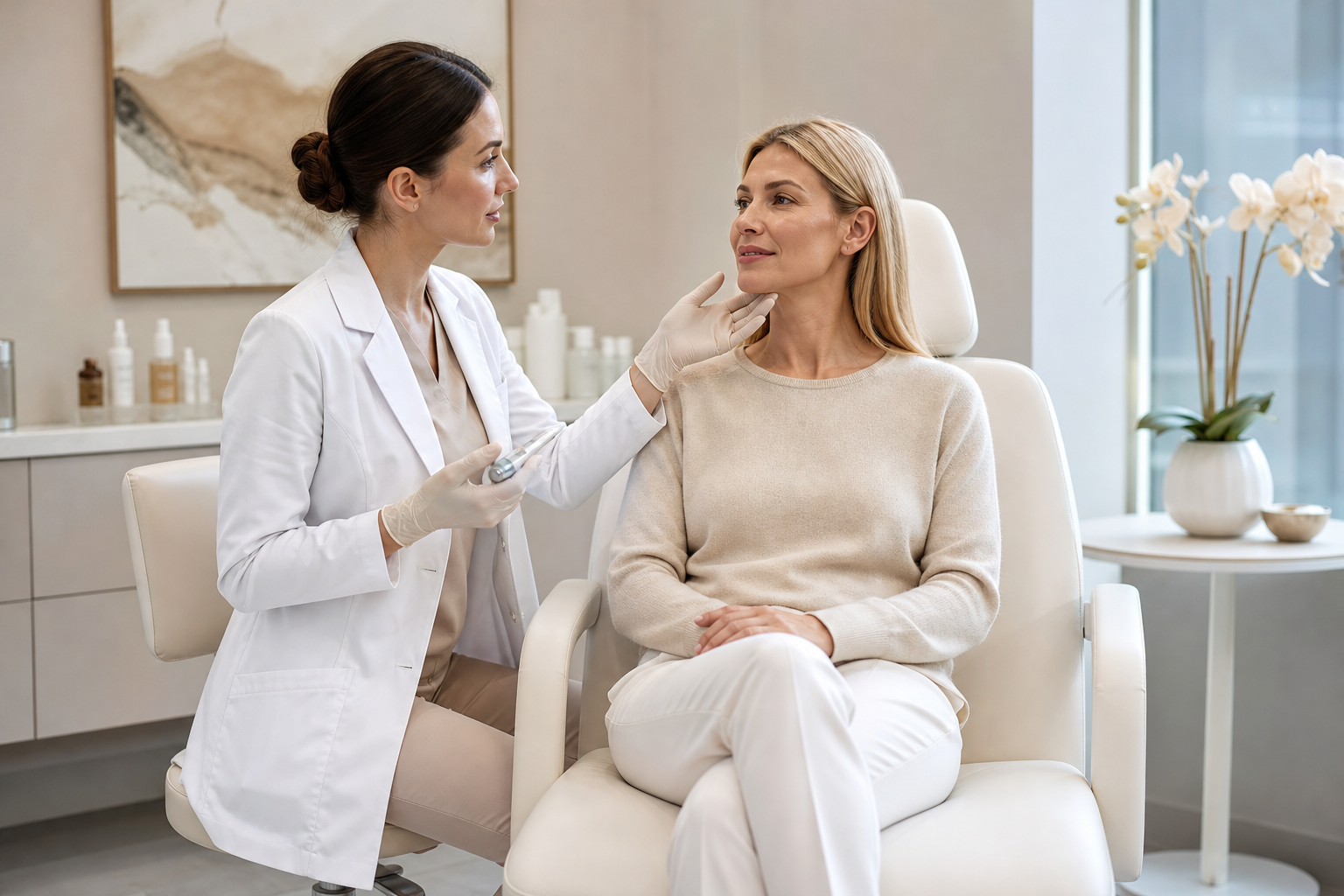
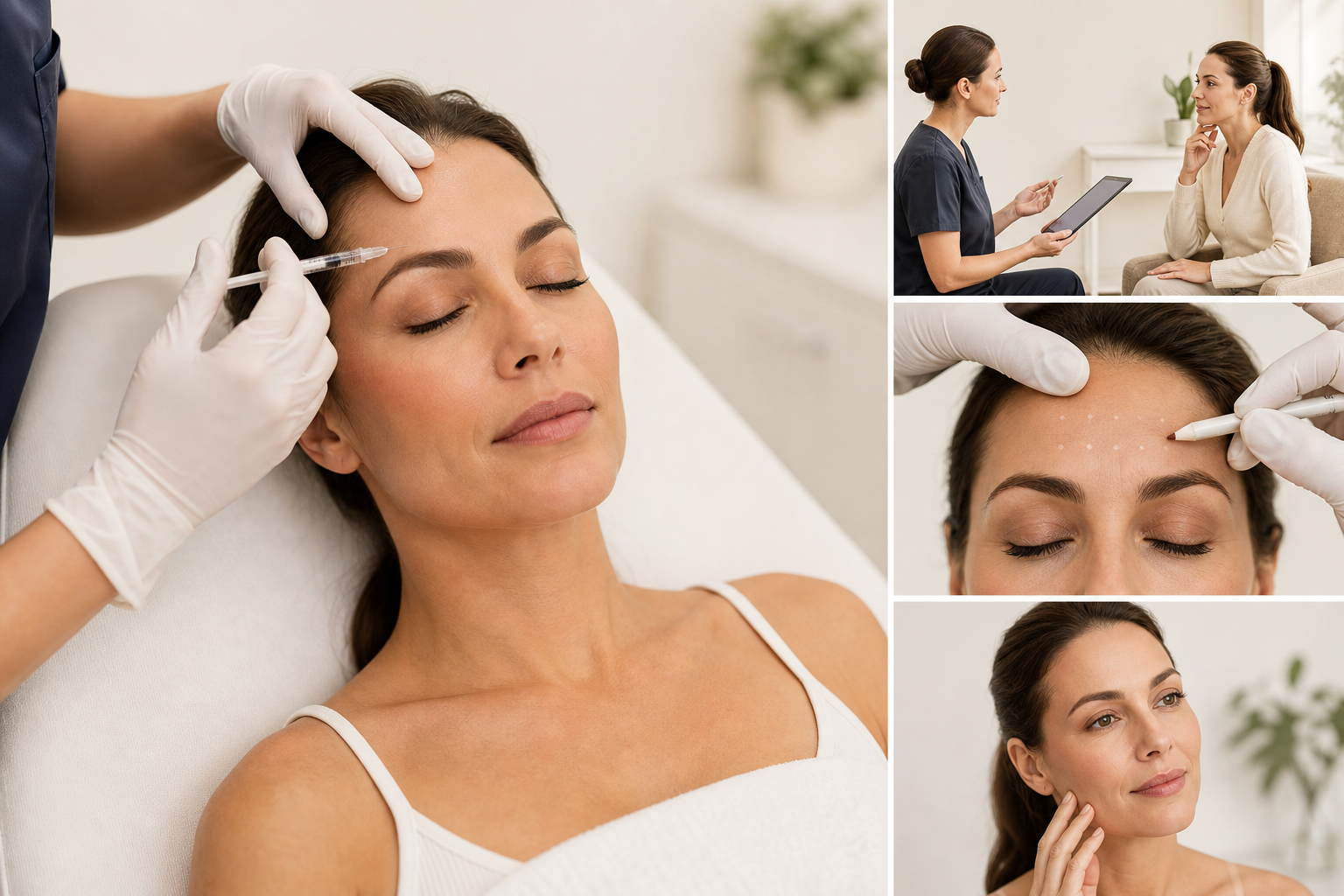
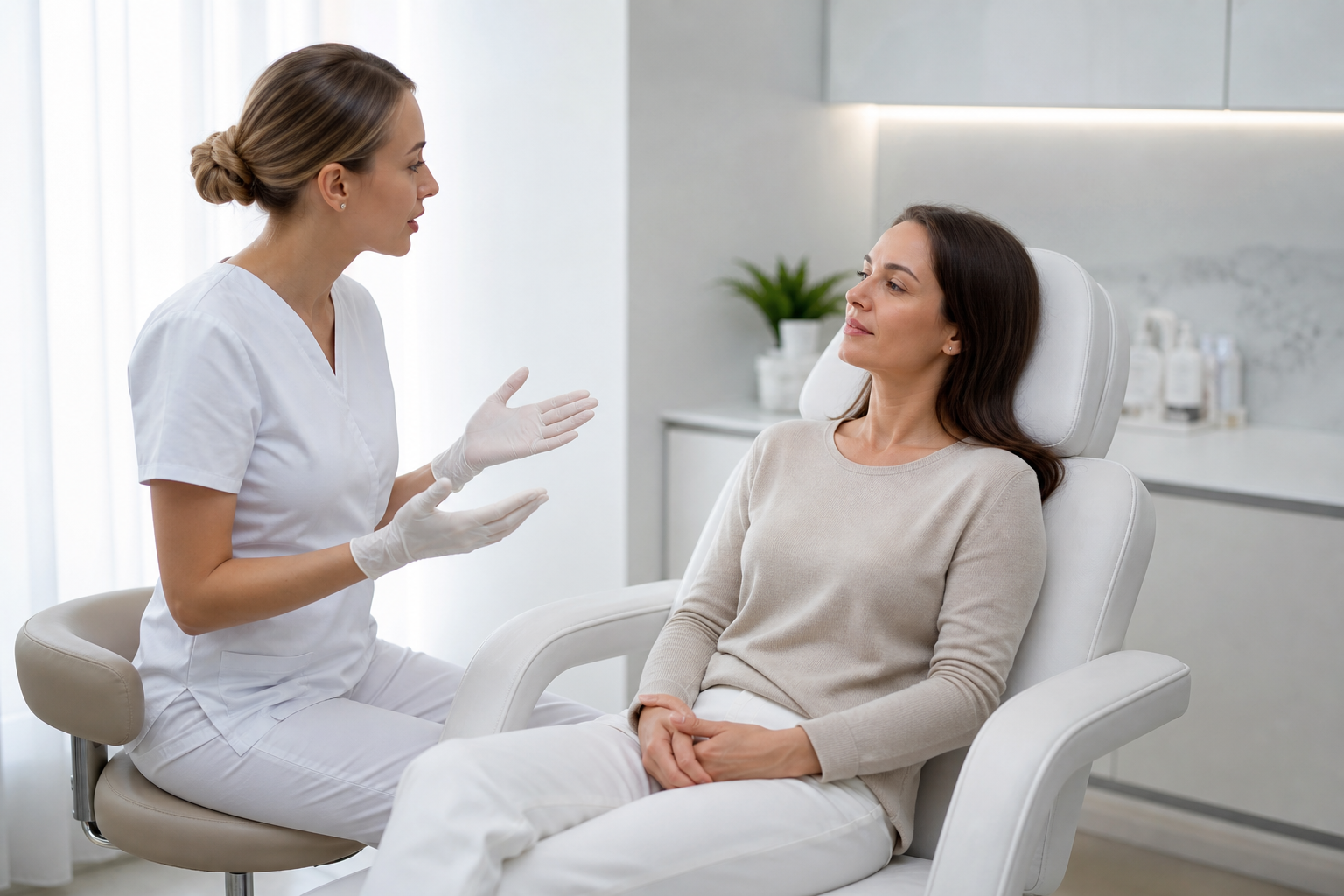
The journey toward a successful Botox treatment begins well before the needle touches the skin. A thorough consultation with a trained medical professional is imperative to assess whether an individual is an appropriate candidate. This initial evaluation encompasses not only the aesthetic goals but also an in-depth medical history review and physical examination. Certain neurological, muscular, or allergic conditions may contraindicate the use of Botox due to increased risks or diminished efficacy.
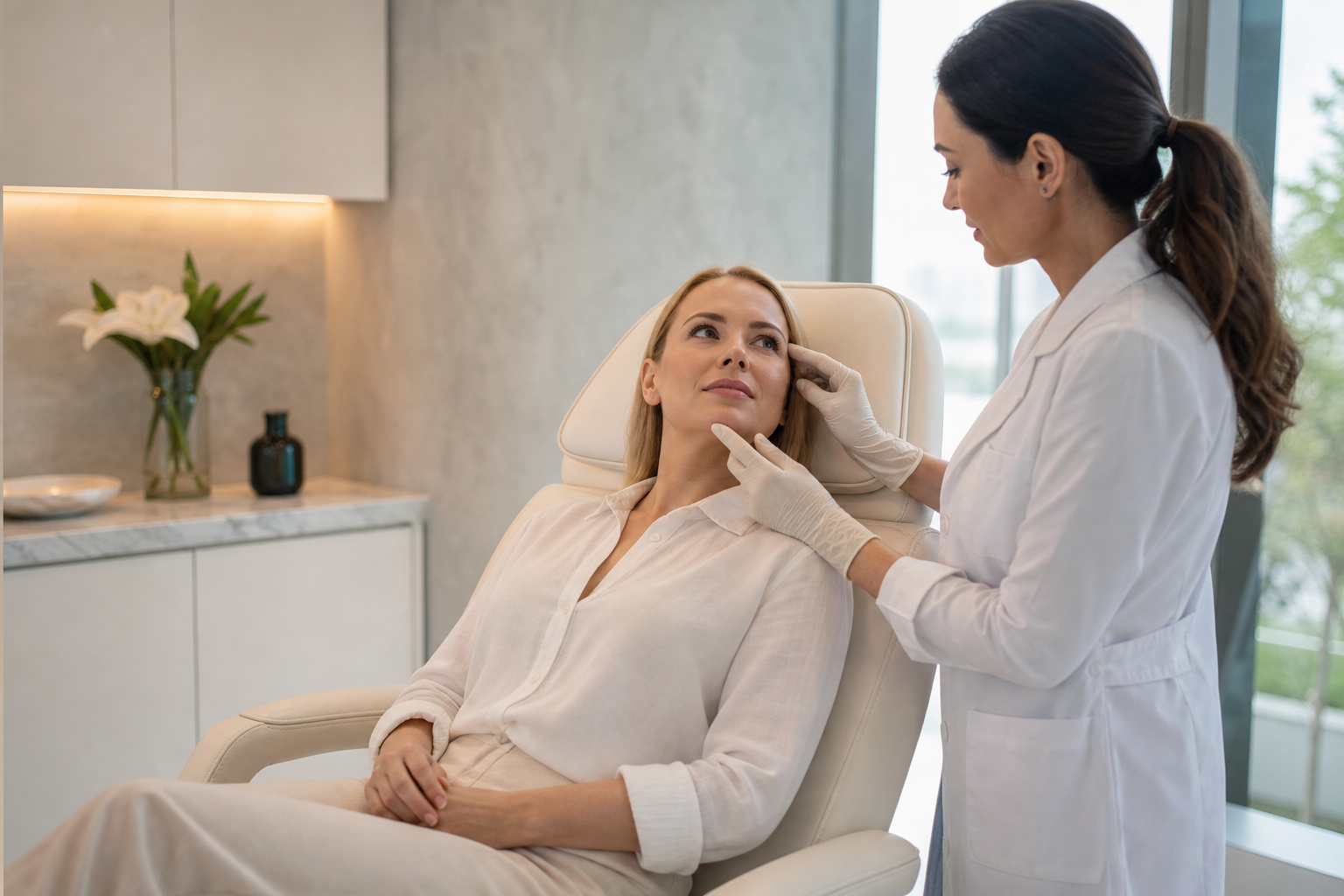
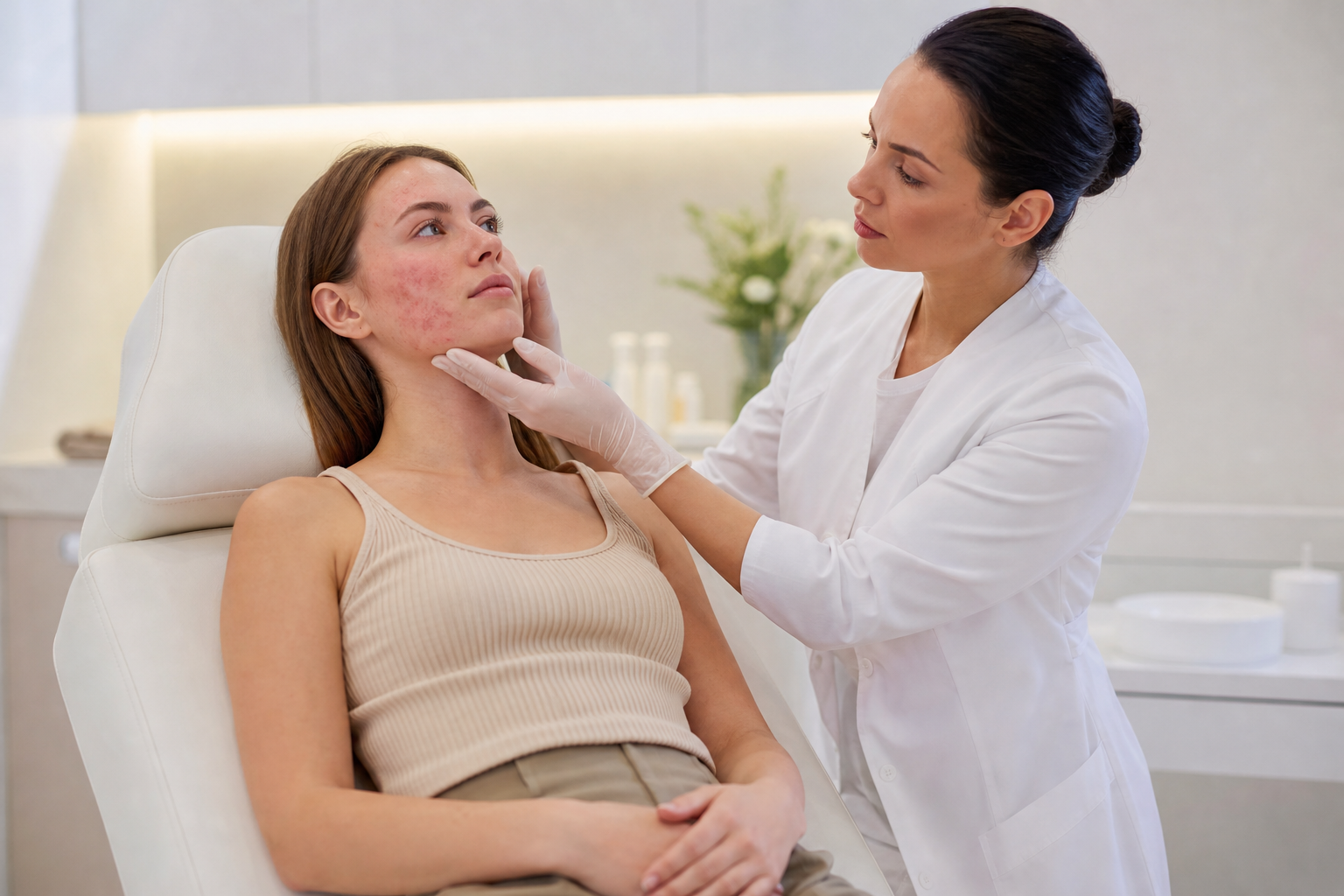
During this phase, the practitioner carefully studies the patient’s facial anatomy, focusing on muscle dynamics and skin condition. Special attention is given to the areas typically targeted, such as the forehead, glabellar region between the eyebrows, and the periorbital zone often addressed in treatments for crow’s feet. Understanding how these muscles contract and contribute to wrinkle formation guides the treatment plan.
Equally critical is confirming the absence of active infections or skin irritations in potential injection sites. Pregnant or breastfeeding individuals are advised against undergoing Botox procedures due to insufficient safety data. Transparency about medications, supplements, and previous cosmetic interventions is necessary to identify factors that might affect treatment outcomes or increase the chance of bruising and other side effects.
Preparing the Skin and Body Before a Botox Session
Optimal results stem from disciplined preparation. In the days preceding the procedure, patients are generally advised to avoid substances that may exacerbate bleeding or bruising. Nonsteroidal anti-inflammatory drugs (NSAIDs) such as aspirin, certain herbal supplements like ginkgo biloba and high doses of vitamin E, as well as fish oil supplements, should be paused if medically safe to do so following physician guidance. This precaution reduces the likelihood of bruises and swelling in the delicate facial tissues.
Environmental and skincare considerations are also vital. Exposure to excessive sunlight or tanning beds can provoke skin sensitivity and inflammation, which may compromise the procedure’s success. Similarly, avoiding exfoliative treatments or harsh peels shortly before Botox injections helps maintain skin integrity. On the treatment day, arriving with a clean face, free from makeup or heavy creams, facilitates precise injection technique and reduces infection risk.
Mental preparation should not be overlooked. Patients informed about the sequence of steps, possible sensations during injection, and the expected time frame for results often approach the procedure with less anxiety. This psychological readiness supports a more positive experience and reinforces adherence to post-treatment guidelines.
Step-by-Step Overview of the Botox Injection Procedure
A typical Botox treatment session is succinct yet meticulous, usually lasting between 15 and 30 minutes depending on the targeted regions and the number of injection points. The process opens with a final confirmation of candidacy, addressing any lingering questions or concerns. The patient’s comfort and communication are priorities throughout.
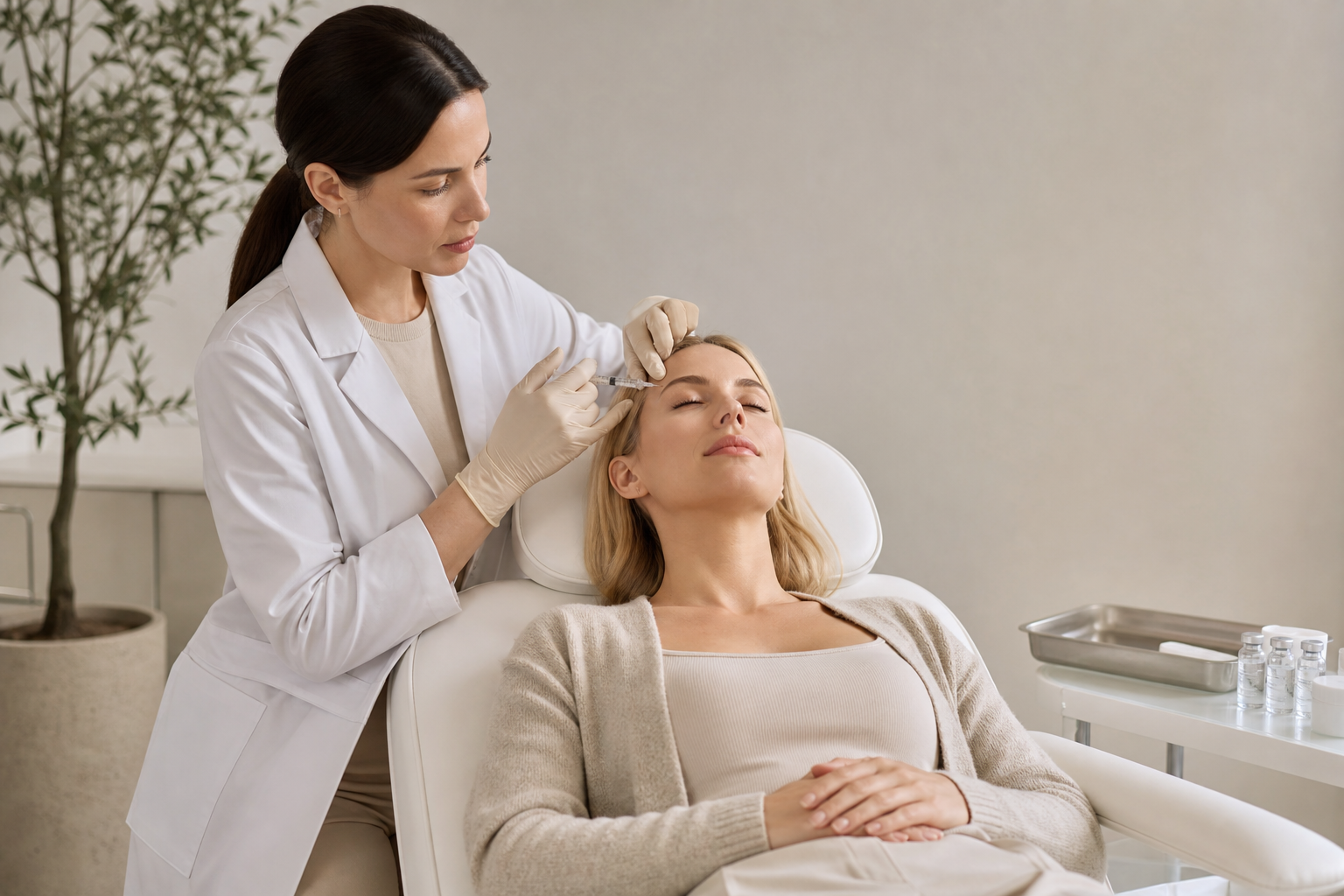
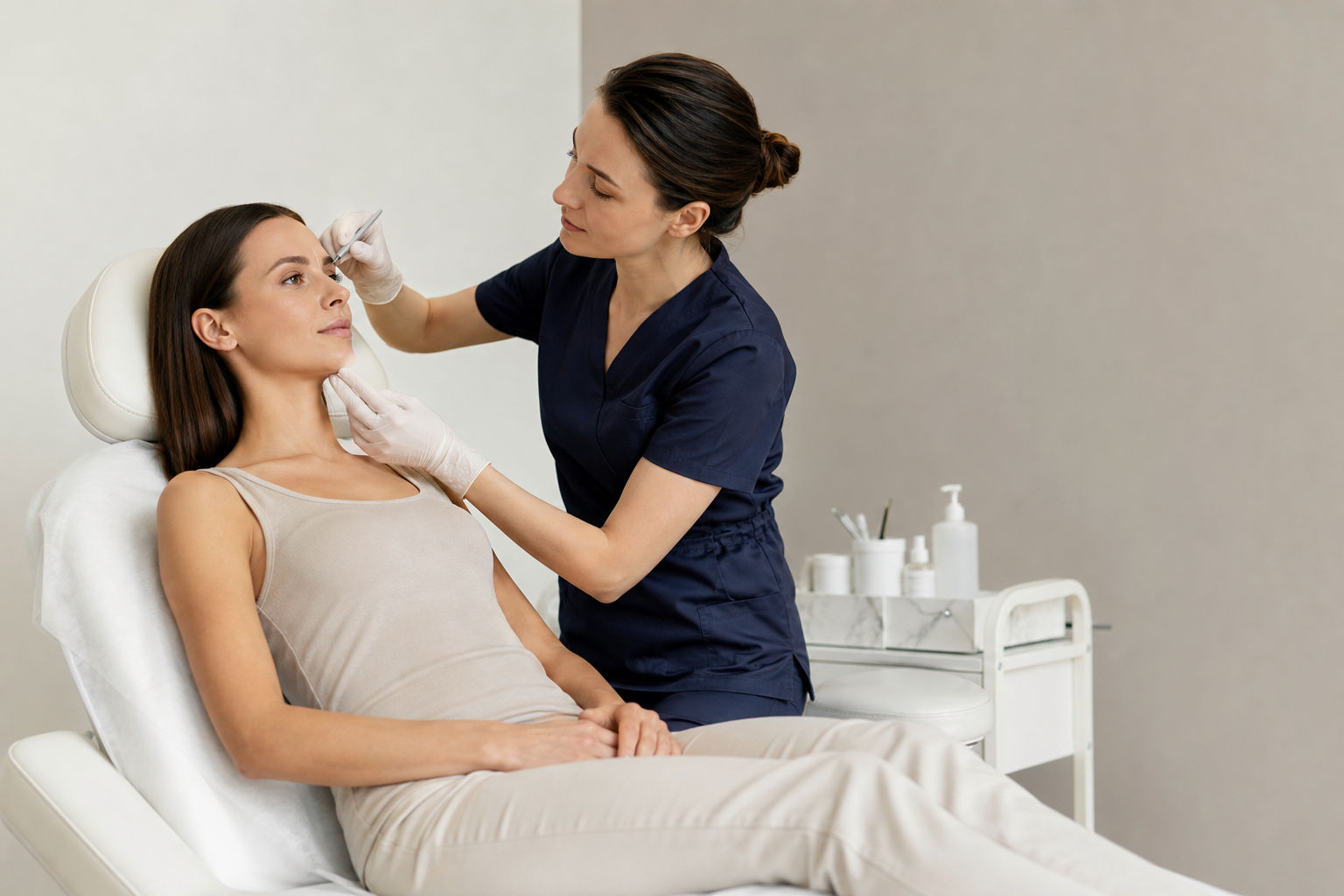
The practitioner begins by cleansing the skin thoroughly with an antiseptic solution to prevent infection. In some cases, a topical anesthetic cream may be applied to numb the areas to be injected, although the procedure commonly involves minimal discomfort. Patients often describe the injection sensation as a brief pinch or prick.
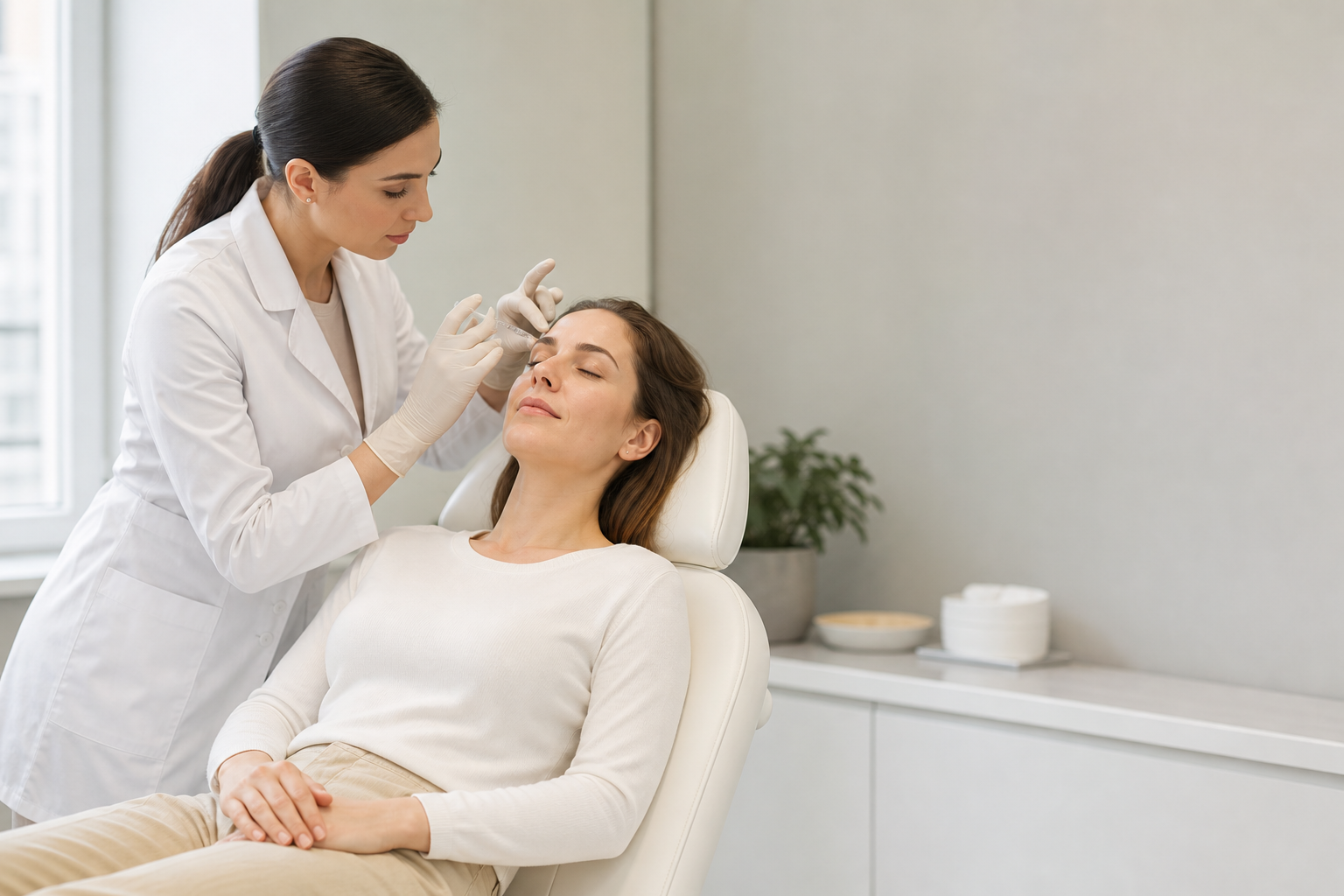
Using a fine needle, the healthcare professional administers Botulinum toxin precisely into preselected muscle groups responsible for dynamic wrinkles. Each injection site is strategically chosen after careful anatomical assessment, ensuring that only the muscles contributing to unwanted lines are relaxed. This precision preserves natural facial expressions and avoids adverse effects such as eyelid drooping or asymmetry.
Throughout injection, the clinician monitors patient response and ensures dosage appropriateness tailored to individual muscular strength and aesthetic objectives. Aftercompletion, patients are advised against manipulating treated areas for several hours to prevent unintended diffusion of the toxin, which could lead to unwanted outcomes.
Realistic Anticipations and Recognizing Treatment Boundaries
While Botox can significantly improve the appearance of certain wrinkles, it is not a universal remedy for all aging signs. It primarily targets dynamic wrinkles—the lines created by muscle contractions during expressions. These include horizontal forehead lines, vertical lines between the eyebrows (glabellar lines), and crow’s feet around the eyes. In contrast, static wrinkles, established by long-term skin laxity and volume loss, generally require complementary treatments such as dermal fillers or skin resurfacing procedures.
The timeline for visible results usually spans several days, with most patients noting appreciable improvement between three to seven days post-injection. Peak effects typically manifest within two weeks and can last anywhere from three to six months, varying greatly depending on individual factors, muscle activity, and lifestyle. Patients should understand that ongoing maintenance treatments are necessary to sustain the youthful appearance.
It is crucial to appreciate that Botox does not halt the biological aging process but instead temporarily modulates muscular contractions responsible for wrinkle formation. As a pharmaceutical agent, its units and potency differ among various commercial preparations, and these units are not interchangeable. Therefore, treatments must be conducted only by professionals familiar with specific formulations and dosing protocols to ensure safety and efficacy.
Monitoring Post-Treatment Effects and Managing Potential Adverse Events
Despite a strong safety record, Botox treatments carry a slight risk of adverse effects, primarily localized and transient in nature. Commonly, patients may experience mild redness, swelling, or bruising at injection sites, which typically resolve within a few days. Rarely, headache or flu-like symptoms can occur.
Patients must remain vigilant for more serious signs such as muscle weakness beyond treated areas, difficulty swallowing, speaking, or breathing—symptoms that demand immediate medical attention. Such outcomes are extremely uncommon but underscore the necessity of professional oversight. Follow-up appointments allow the practitioner to evaluate treatment response and address any complications early.
Post-procedural instructions often include avoiding strenuous exercise, excessive heat exposure such as saunas or sunbathing, and facial massages that could alter toxin distribution. Adhering to these guidelines assists in preventing side effects and helps optimize and prolong the aesthetic outcome.
The Vital Role of Expertise and Personalized Approach in Botox Therapy
The significance of entrusting Botox administration to qualified healthcare providers cannot be overstated. Their expertise encompasses both anatomical knowledge and up-to-date understanding of Botox pharmacology and safety protocols. A personalized treatment plan, accounting for the patient’s facial structure, health status, and cosmetic aspirations, forms the cornerstone of success.
Experienced clinicians also educate patients about the treatment’s realistic benefits and constraints, fostering a collaborative environment. This partnership enables informed decisions, aligns expectations, and facilitates tailored follow-up strategies. Furthermore, attention to detail in injection technique reduces the chance of complications and yields a natural, refreshed appearance.
Continuing education and adherence to evolving guidelines ensure that specialists maintain high standards, offering patients the reassurance needed when undergoing this aesthetic procedure.
Nuances and Specific Considerations in Botox Treatments for Different Facial Regions
Each facial area presents distinct anatomical and functional characteristics influencing Botox application. For instance, treatment in the forehead requires calibrated dosing to relax frontalis muscles responsible for horizontal lines without causing brow drooping or an unnatural flat appearance. The glabellar region, targeted to soften frown lines, demands precise technique to avoid asymmetry or impairment of eyebrow mobility.
Periorbital Botox treatments aiming at minimizing crow’s feet must balance efficacy with the preservation of natural expressions involved in smiling and eye movement. The thin skin and delicate musculature in this zone necessitate smaller doses and meticulous placement.
Customized approaches also consider variations in muscle mass and activity levels across individuals, further emphasizing the importance of individual assessment. These complexities highlight why a one-size-fits-all method is inappropriate and underscore the necessity of a skilled and knowledgeable injector to choose the proper injection sites, volumes, and intervals for maintenance.
Lifestyle Impact on Botox Durability and Overall Treatment Success
The longevity and effectiveness of Botox results can be influenced considerably by lifestyle choices and environmental factors. Smoking has been shown to accelerate skin aging and may diminish the duration of toxin effects. Similarly, frequent, unprotected sun exposure promotes photoaging, undermining the skin’s capacity to maintain a youthful appearance enhanced by Botox.
Stress, inadequate hydration, poor nutrition, and inconsistent skincare routines also negatively impact skin health and wrinkle formation rates. Patients who integrate healthy habits, such as balanced diets rich in antioxidants, daily moisturization, and sun protection, complement their Botox treatments and maximize the duration of improvements.
Regular follow-ups with the administering physician provide opportunities to adjust treatment plans in response to changes in lifestyle or health status, ensuring that aesthetic goals continue to be met effectively.