
Topic Edition
65 articles
Laser vs. IPL for Rosacea and Diffuse Redness: Choosing the Right Treatment
Rosacea and diffuse redness affect millions, presenting treatment challenges that require tailored solutions. Understanding the di...
Read more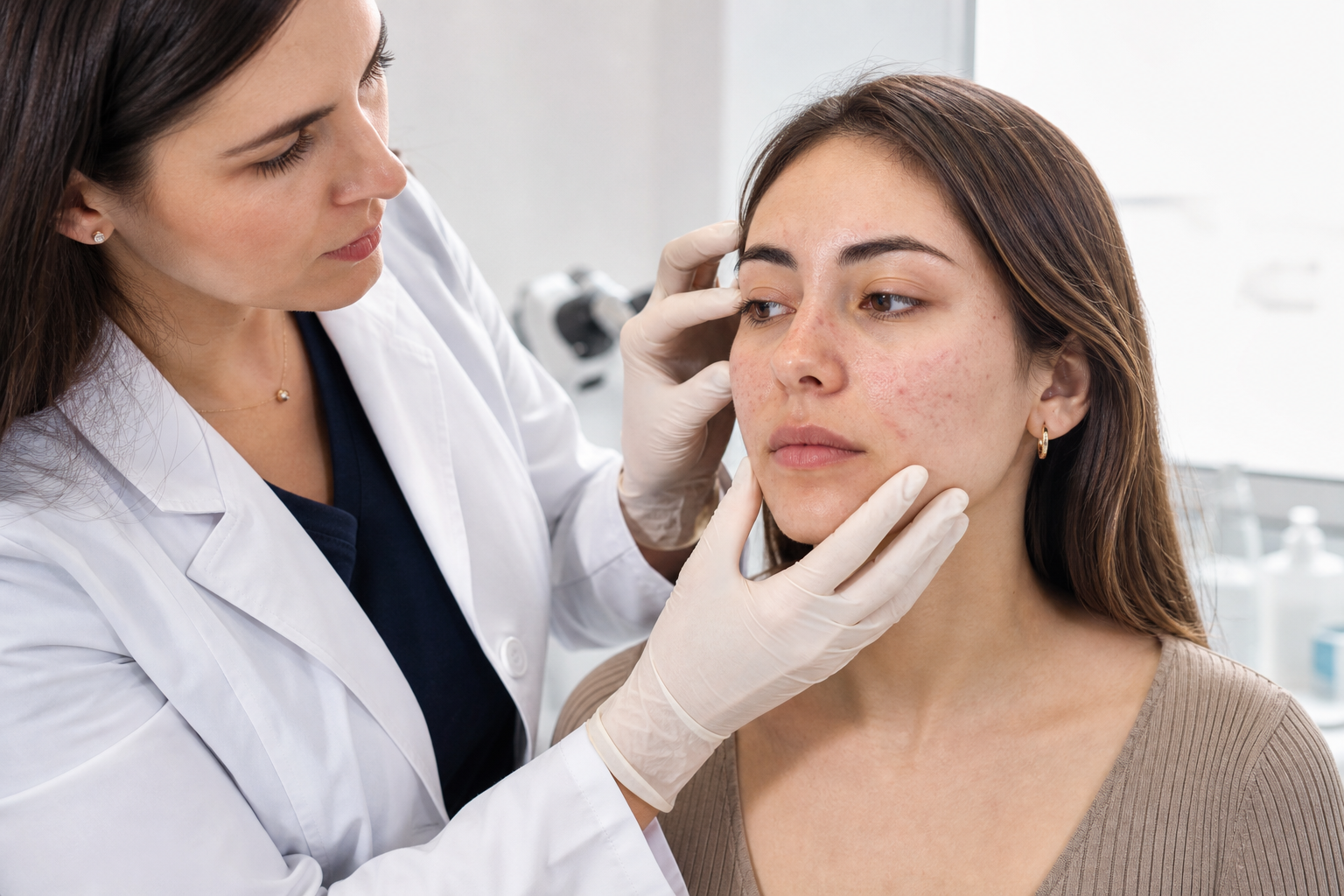
Red Spots After Pimples: Erythema or Scarring?
Red spots that remain after pimples heal are often due to post-inflammatory erythema or acne scarring. Understanding these conditi...
Read more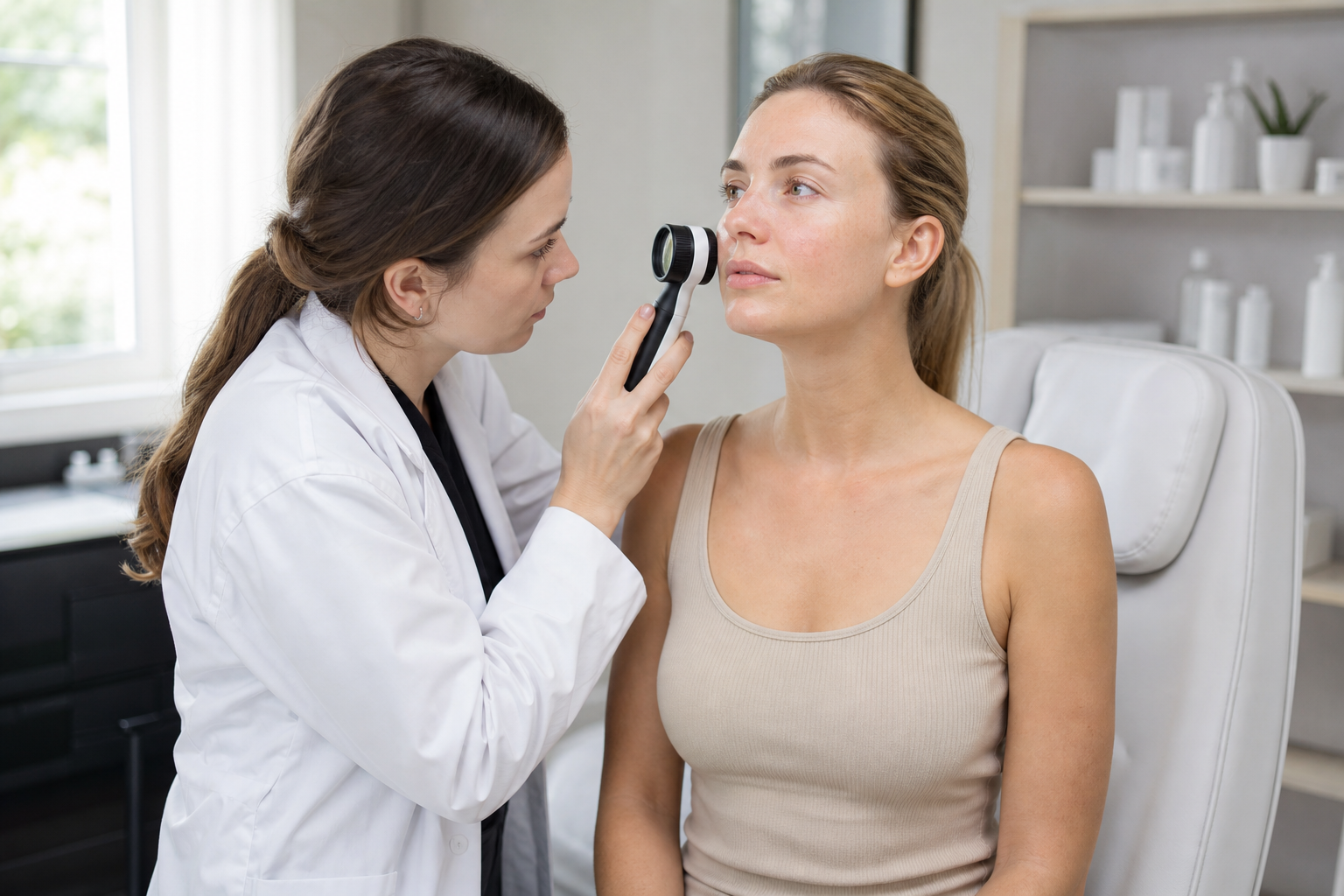
Rosacea vs. Sensitive Skin: Key Differences Explained
Facial redness often leads to confusion between rosacea and sensitive skin, conditions with distinct causes and treatments. Unders...
Read more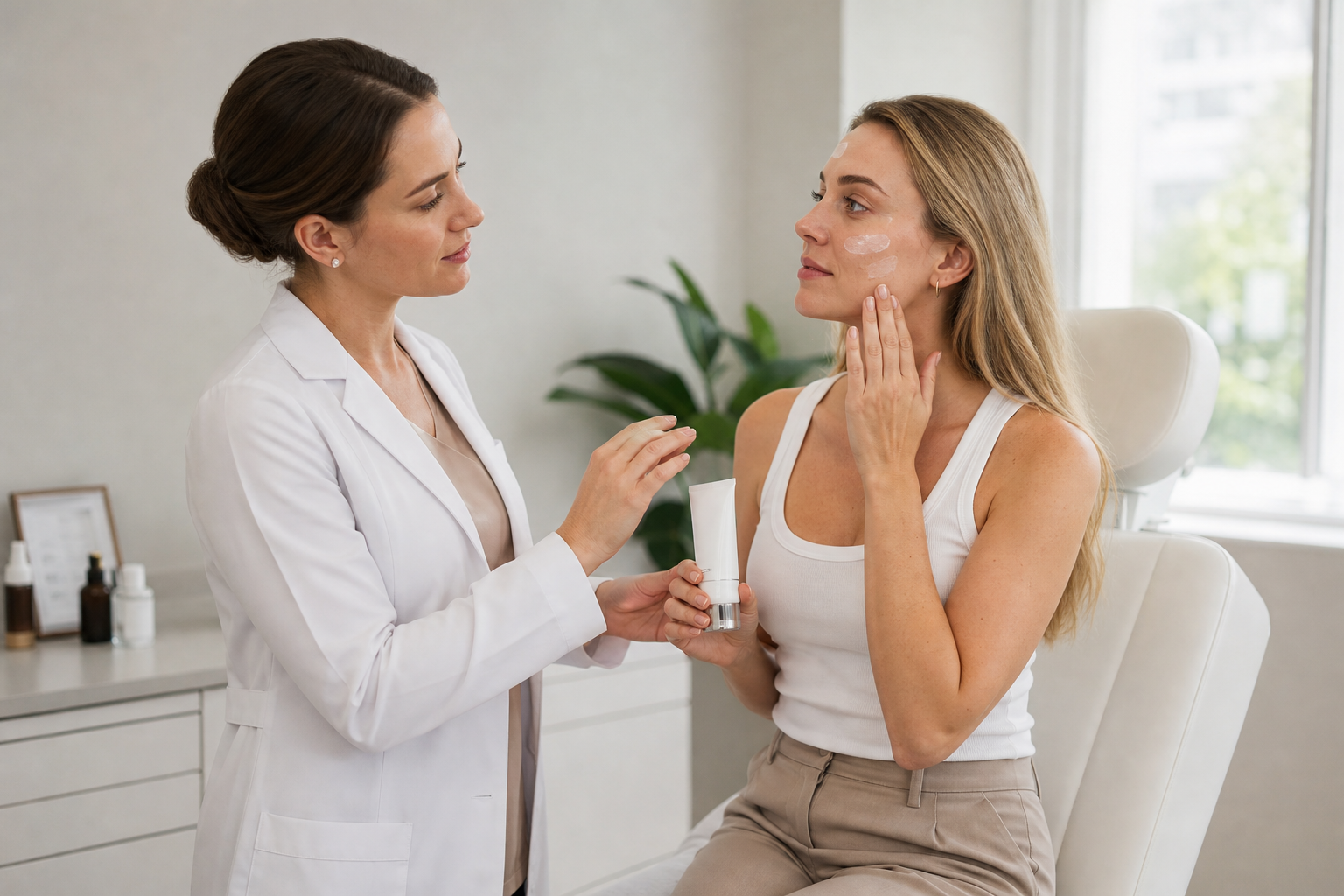
How Is the Vascular Component of Rosacea Treated?
The vascular component of rosacea manifests as persistent facial redness and visible dilated blood vessels, significantly affectin...
Read more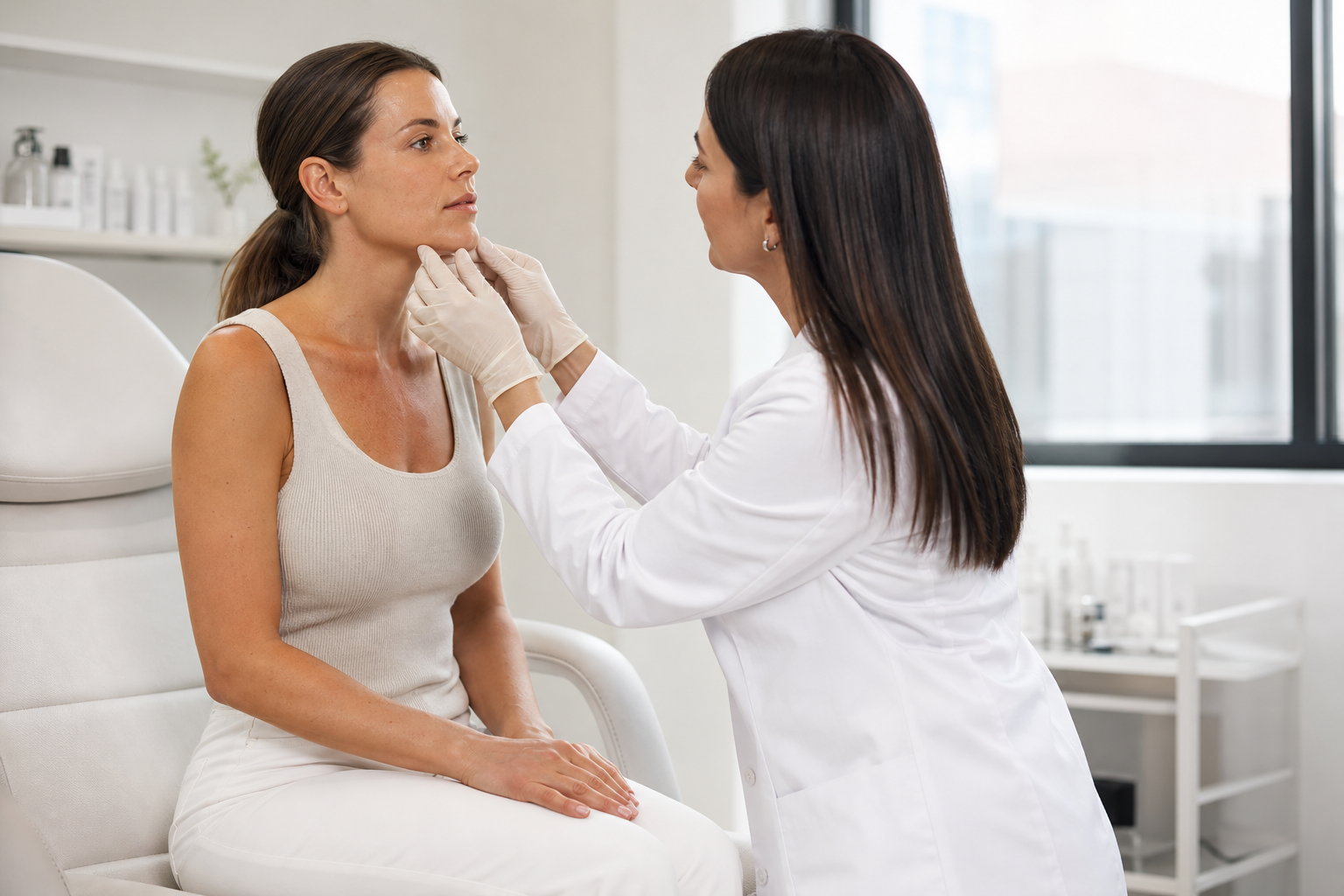
Chin Capillaries: When to See a Dermatologist?
Chin capillaries are small, visible blood vessels that can affect both the appearance and health of facial skin. Understanding whe...
Read more
Why Can Redness Return After Treatment?
Facial redness often recurs after treatment due to the chronic and multifactorial nature of underlying skin conditions like rosace...
Read more
What Treatment Is Used for Diffuse Facial Redness?
Diffuse facial redness, characterized by widespread and persistent redness, involves various underlying vascular and inflammatory...
Read more
Leg Capillaries: Are They Treated with the Same Laser as Facial Capillaries?
Leg and facial capillaries differ significantly in their anatomy and causes, requiring distinct laser treatments. Understanding th...
Read more
Can Laser Therapy Reduce Rosacea-Related Redness?
Laser therapy offers a targeted approach to reduce the persistent redness caused by rosacea by addressing dilated blood vessels. W...
Read more
How Long Does One Facial Capillary Treatment Take?
Facial capillary laser treatment sessions typically last between 15 and 30 minutes, depending on factors like treatment area size...
Read more
How IPL Works for Capillaries and Redness
Intense Pulsed Light (IPL) is a versatile dermatological technology that effectively treats visible capillaries and redness by tar...
Read more
Cheek Capillaries: Possible Causes and Treatments
Visible cheek capillaries, or telangiectasias, manifest as fine red lines beneath the skin and arise due to factors like genetic p...
Read more
Bruising and Darkening of Blood Vessels After Treatment
Bruising and darkening of blood vessels commonly occur after vascular laser treatments targeting visible capillaries. These expect...
Read more
How to Care for Your Skin After Capillary Removal?
Proper skin care following capillary removal via laser treatment is essential for healing and long-term results. This article outl...
Read more
Is the Device Name Enough to Choose the Right Treatment?
Choosing the right treatment for vascular skin issues requires much more than relying on the device name alone. Understanding the...
Read more
Swelling After Laser Capillary Treatment
Swelling after laser capillary treatment is a common, temporary inflammatory response signaling the skin's healing process. Unders...
Read more
IPL Is Not a Laser: What’s the Real Difference?
IPL and laser treatments use light energy for skin and vascular concerns but differ fundamentally. IPL emits broad-spectrum, pulse...
Read more
Couperose and Rosacea: Are They the Same Condition?
Couperose and rosacea both cause facial redness and visible blood vessels, but they are distinct conditions with different causes...
Read more
How Many Treatments Are Needed for Facial Capillaries?
Facial capillaries, visible as fine red lines on the skin, can be effectively treated with vascular laser therapies. While treated...
Read more
When Can You Expect to See Results from Laser Capillary Removal?
Laser capillary removal uses targeted laser technology to close visible facial capillaries, reducing redness and spider veins. Res...
Read more
Facial Redness and Rosacea: When Can Laser Treatments Help?
Facial redness arises from various conditions like rosacea, couperose, and sensitive skin, each requiring distinct care approaches...
Read more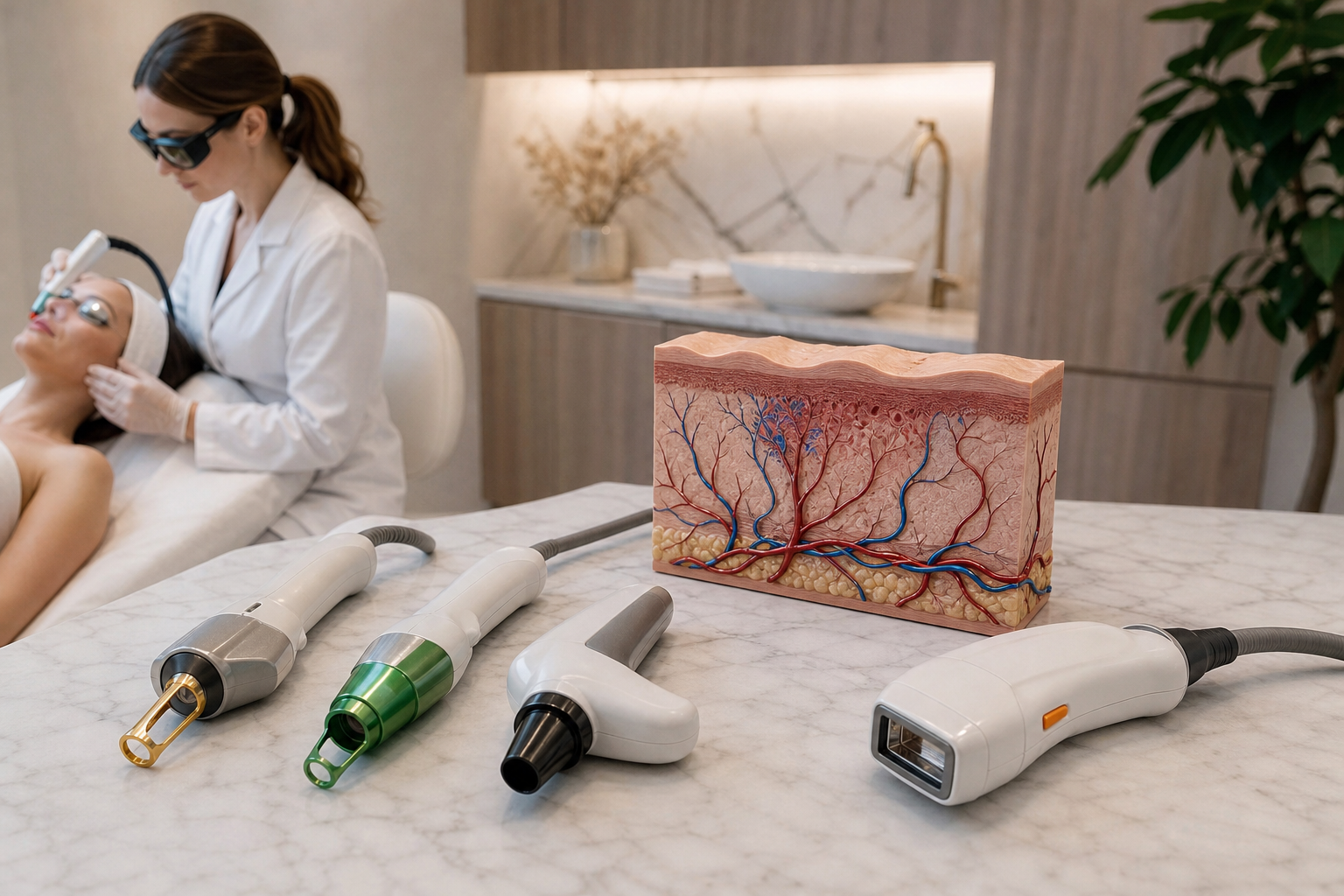
Vascular Lasers for Capillaries and Redness: Types and Mechanisms of Action
Vascular lasers offer targeted treatment for visible capillaries and facial redness by using selective photothermolysis to precise...
Read more
Why Do Facial Capillaries Appear?
Facial capillaries, also known as telangiectasias or spider veins, are tiny, visible blood vessels near the skin's surface that co...
Read more
Capillaries and Sun Exposure: How Does UV Radiation Affect Blood Vessels?
Ultraviolet (UV) radiation from sun exposure can damage the skin's delicate capillaries, causing them to dilate, rupture, and beco...
Read more
Why Are Laser Parameters Customized for Each Patient?
Laser treatments for vascular skin concerns require individualized parameter settings to ensure safety and effectiveness. Customiz...
Read more
Redness After Vascular Laser: How Long Can It Last?
Redness after vascular laser treatment is a common, temporary response caused by inflammation as the skin heals from targeted bloo...
Read more
Who Is Not a Candidate for Vascular Laser Treatment?
Vascular laser treatment effectively reduces visible blood vessels and redness but isn't suitable for everyone. This article detai...
Read more
Post-Acne Redness: Can Laser and IPL Treatments Help?
Post-acne redness, caused by dilated blood vessels after acne heals, can persist for months or years. Laser and IPL treatments off...
Read more
Can Visible Capillaries Disappear on Their Own?
Visible capillaries, commonly seen as fine red or purple lines on the skin, rarely disappear on their own, especially when caused...
Read more
Can Capillaries Reappear After Laser Treatment?
Laser treatment effectively reduces visible capillaries by collapsing targeted vessels, improving skin appearance. However, new ca...
Read more
Which Laser Is Used for Nose Capillaries?
Visible capillaries on the nose, known as telangiectasias, can be effectively treated using specialized vascular lasers. Understan...
Read more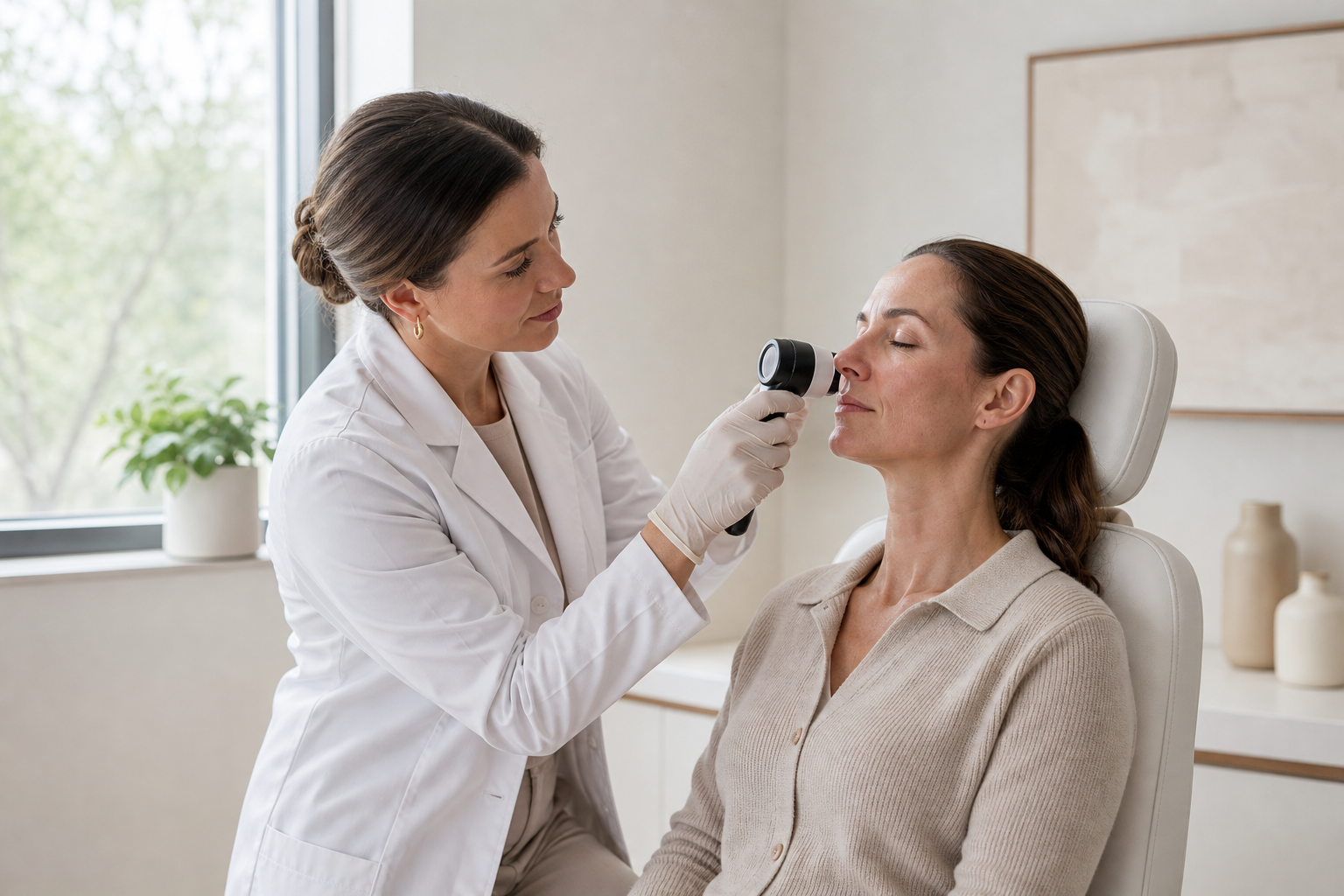
Redness Around the Nose: Capillaries, Dermatitis, or Rosacea?
Redness around the nose can result from various conditions such as dilated capillaries, dermatitis, or rosacea, each requiring dis...
Read more
Does Laser Treatment for Capillaries Hurt?
Laser treatment for capillaries offers a targeted approach to diminish visible blood vessels with typically mild and manageable di...
Read more
Nasal Capillaries: Causes and Treatment Approaches
Nasal capillaries, visible as fine red or purple lines on the nose, often result from dilated superficial blood vessels known as t...
Read more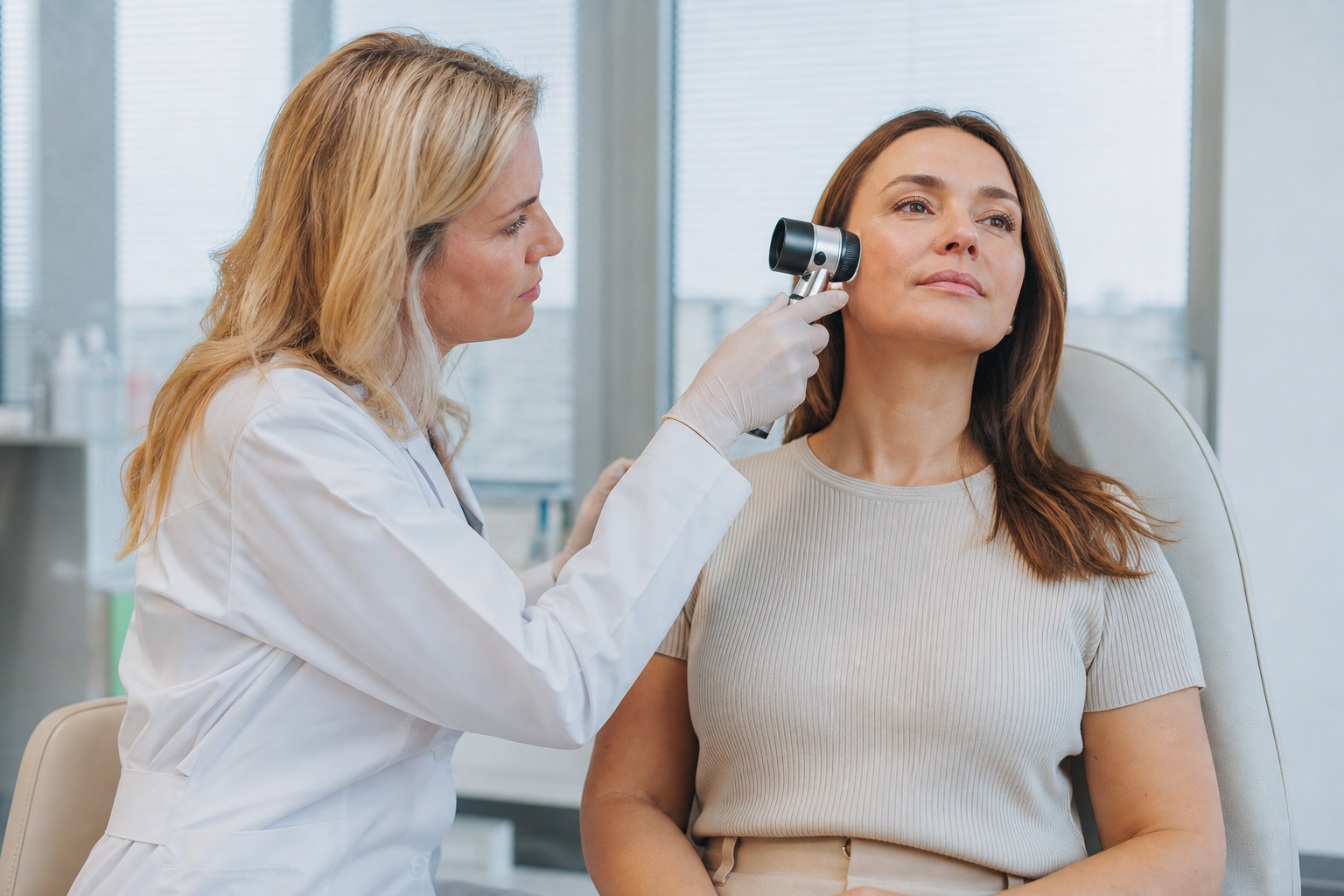
Facial Redness and Stinging: When to Consult a Dermatologist?
Facial redness and stinging can indicate various skin conditions ranging from sensitive skin to chronic inflammatory disorders lik...
Read more
How to Prepare for Vascular Laser Treatment
Preparing effectively for vascular laser treatment enhances safety and results by addressing skin type, medication use, and lifest...
Read more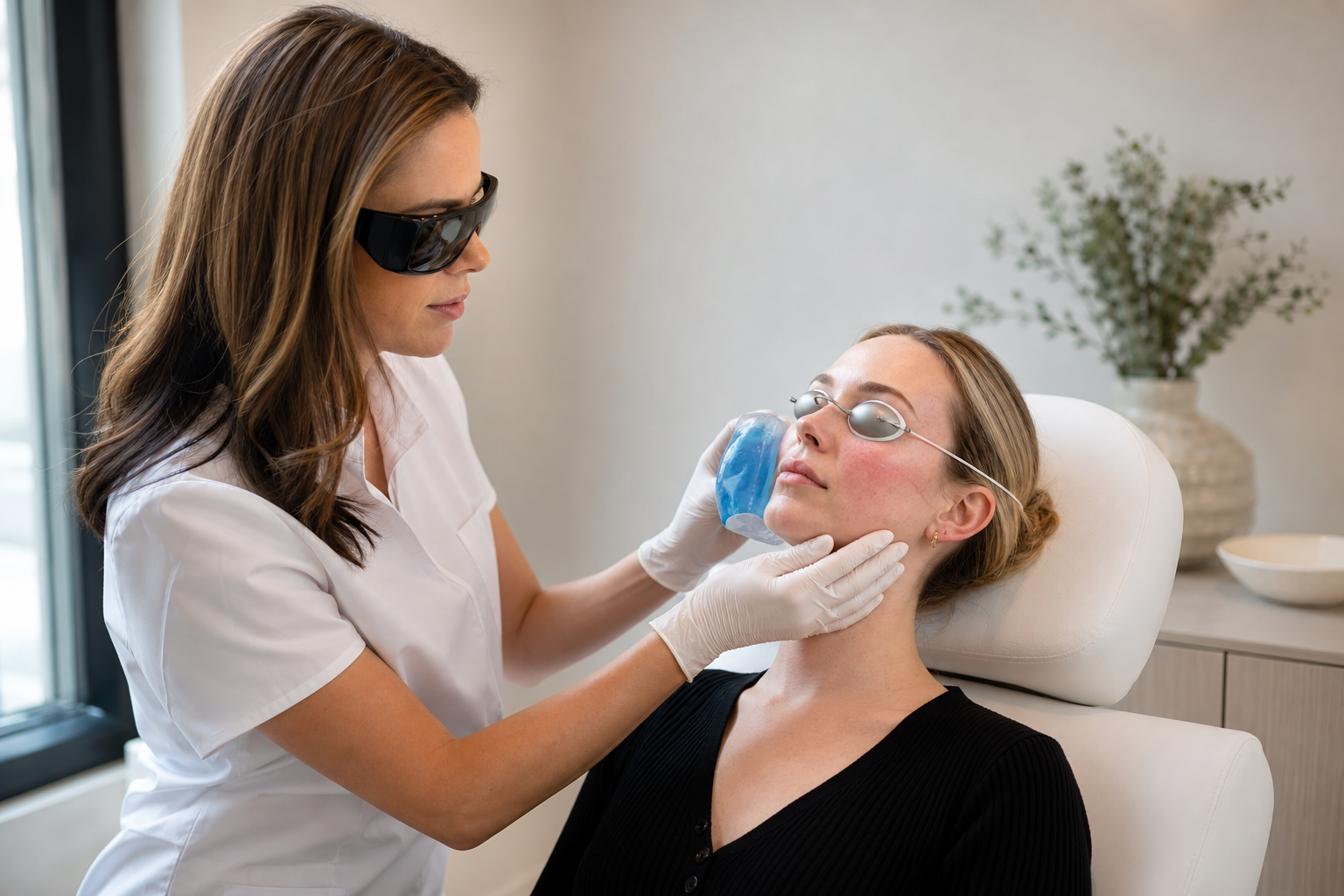
Rosacea Triggers: What Can Worsen Facial Redness?
Rosacea triggers like sun exposure, temperature changes, stress, diet, and skincare products can worsen facial redness. Understand...
Read more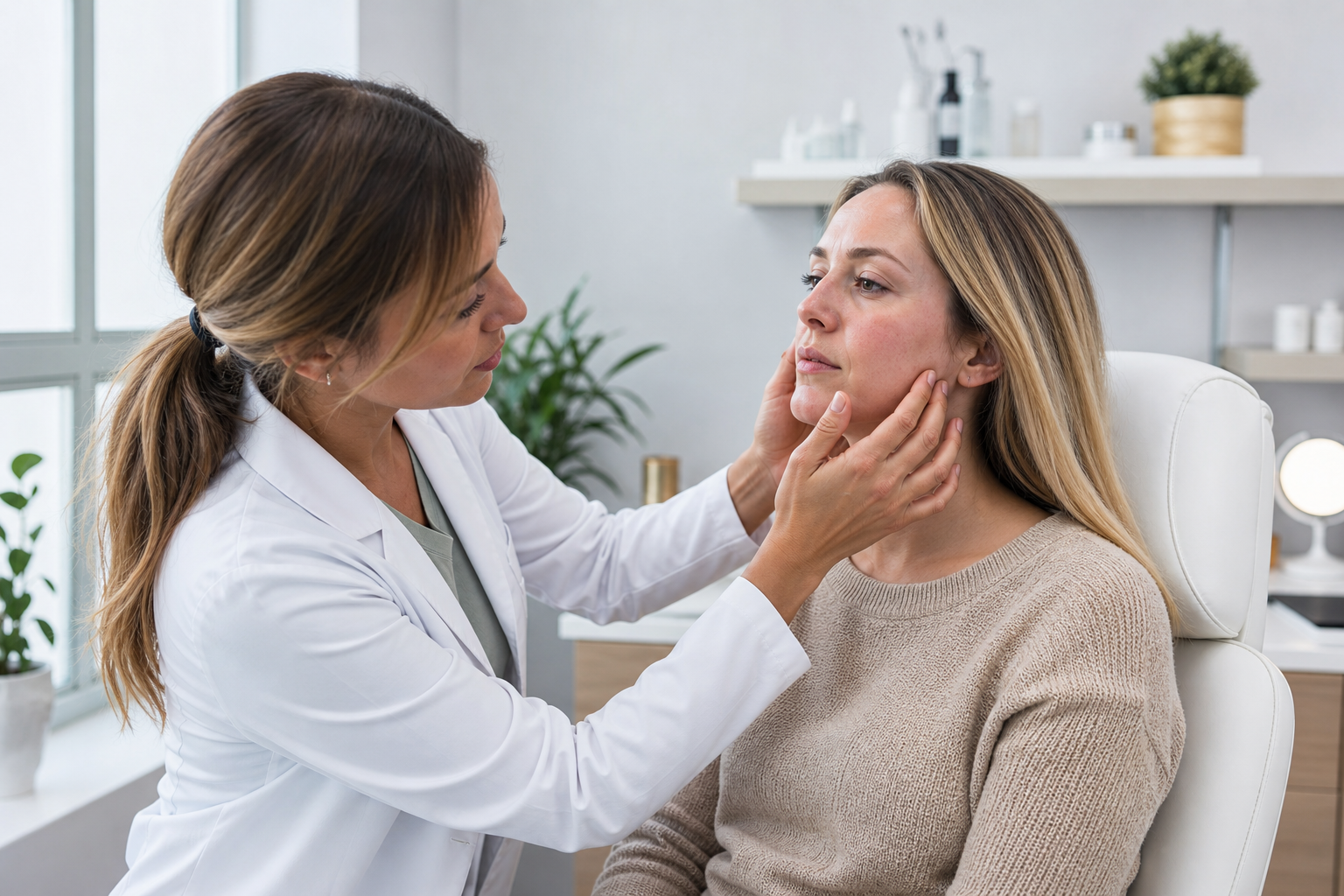
Red Cheeks: When It's More Than Just Sensitive Skin?
Persistent red cheeks can indicate more than sensitive skin, potentially signaling conditions like rosacea, dermatitis, or post-ac...
Read more
Potential Complications Following Capillary Treatment
Capillary treatments use vascular lasers to improve skin appearance but carry risks such as redness, bruising, burns, pigmentation...
Read more
Superficial vs. Deep Blood Vessels: Why Are Treatments Different?
Understanding the fundamental differences between superficial and deep blood vessels is essential in dermatology for effective vas...
Read more
Can a Single Treatment Eliminate Nasal Capillaries?
Nasal capillaries, visible tiny blood vessels on and around the nose, can be effectively reduced with laser treatments. However, a...
Read more
Laser vs. IPL for Capillaries: Understanding the Differences
This article provides a clear comparison between laser and IPL treatments for visible capillaries, highlighting their differences...
Read more
Nd:YAG Laser for Capillaries: When Is It Used?
The Nd:YAG laser offers a targeted and effective treatment for deeper and more persistent capillary issues, such as prominent redn...
Read more
Does Laser Cure Rosacea or Just Relieve Symptoms?
Laser therapy effectively reduces facial redness and visible blood vessels in rosacea patients by targeting vascular symptoms. How...
Read more
When Can You Use Makeup After Treatment?
Laser treatment for capillaries and redness requires a careful makeup-free recovery to protect the healing skin barrier. Timing to...
Read more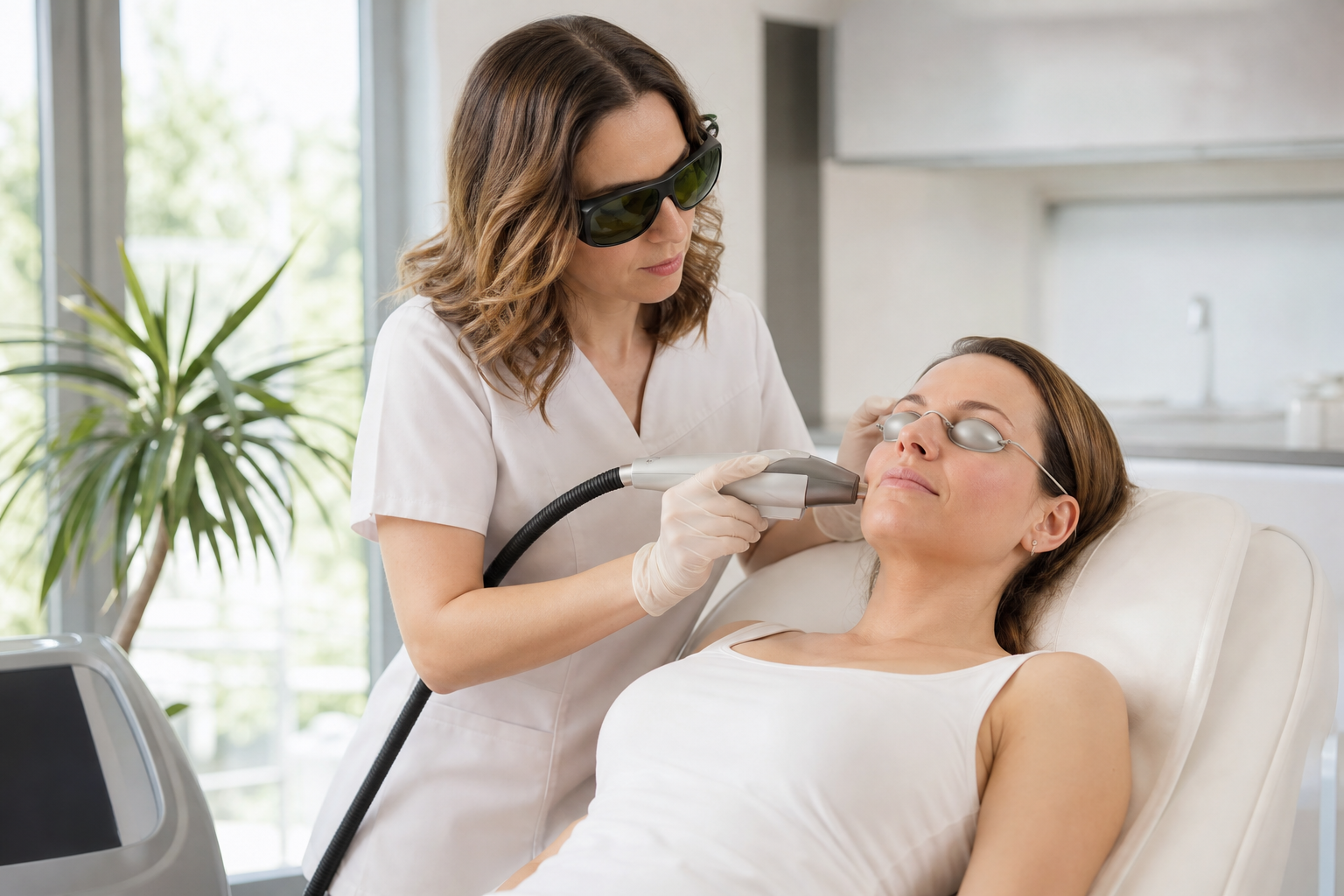
Pulsed Dye Laser: Which Red Skin Lesions Does It Treat?
Pulsed dye laser (PDL) effectively treats various red skin lesions by targeting abnormal blood vessels with precise wavelength ene...
Read more
Why Do Capillaries Burst on the Face?
Visible facial capillaries, or telangiectasias, appear as tiny red or blue lines on the skin and result from dilated or damaged ve...
Read more
Safety of Vascular Lasers: Risks, Contraindications, and Patient Selection
Vascular lasers offer effective treatment for visible blood vessels and redness, but ensuring safety requires careful patient sele...
Read more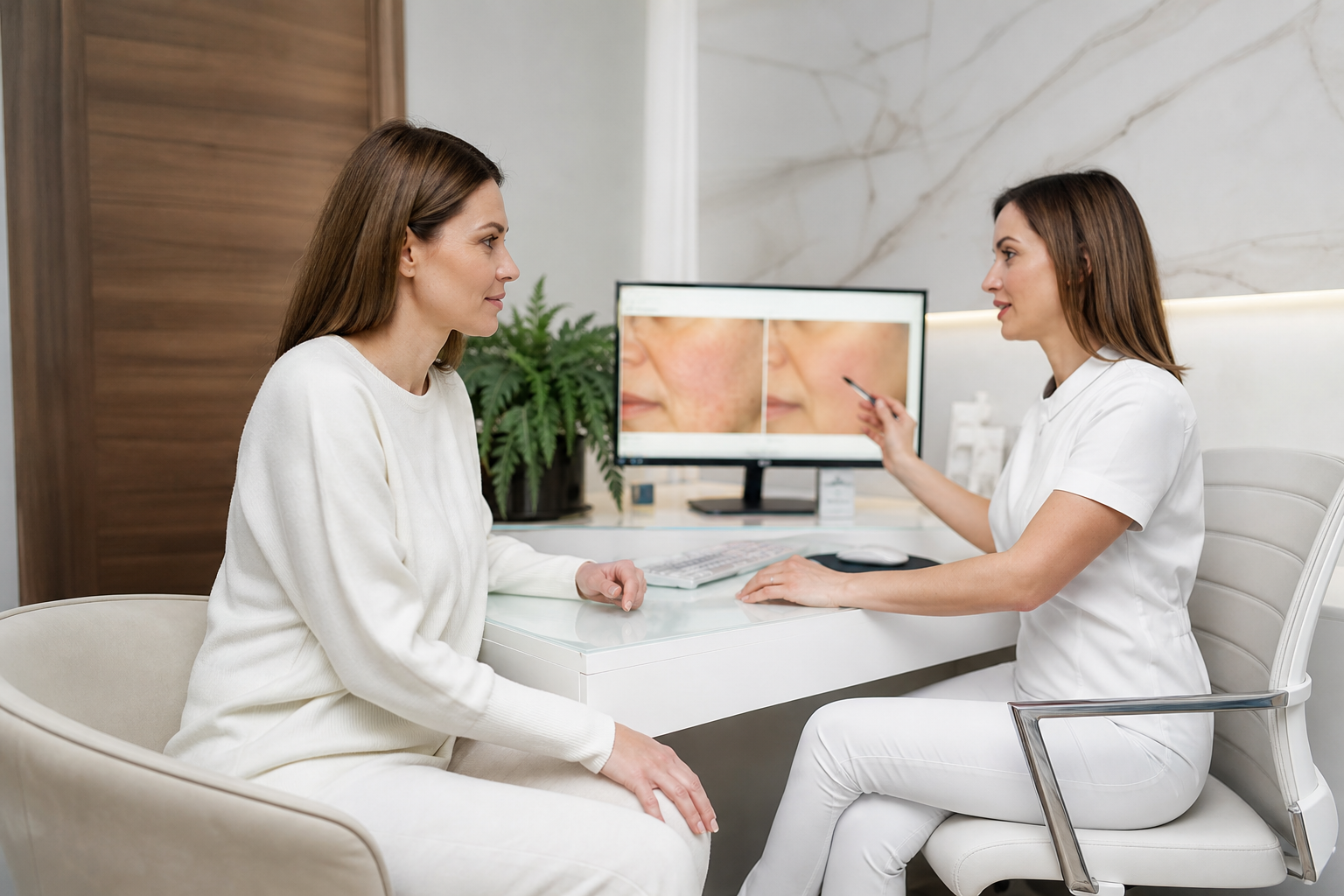
Laser Treatment for Capillaries: When Results Appear and How Long They Last
Laser treatment for capillaries gradually closes visible blood vessels, with results appearing weeks after sessions. Multiple trea...
Read more
Capillaries Around the Nose: Laser, IPL, or Other Treatments?
Visible capillaries around the nose, known as telangiectasias, are tiny dilated blood vessels that can affect skin appearance. Tre...
Read more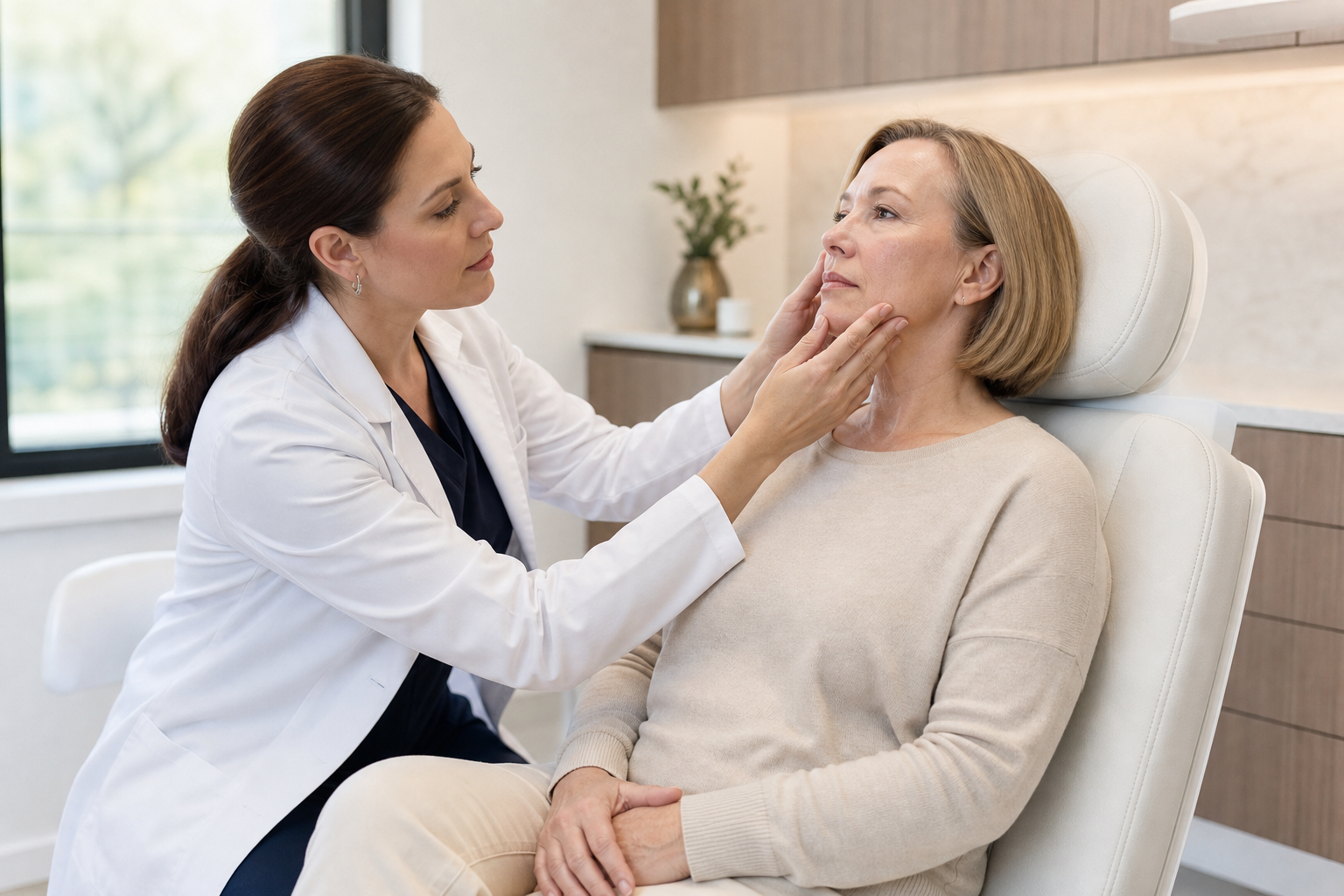
Nd:YAG vs. IPL for Visible Blood Vessels: A Clinical Comparison
Visible blood vessels, such as spider veins and broken capillaries, can be treated using Nd:YAG laser or Intense Pulsed Light (IPL...
Read more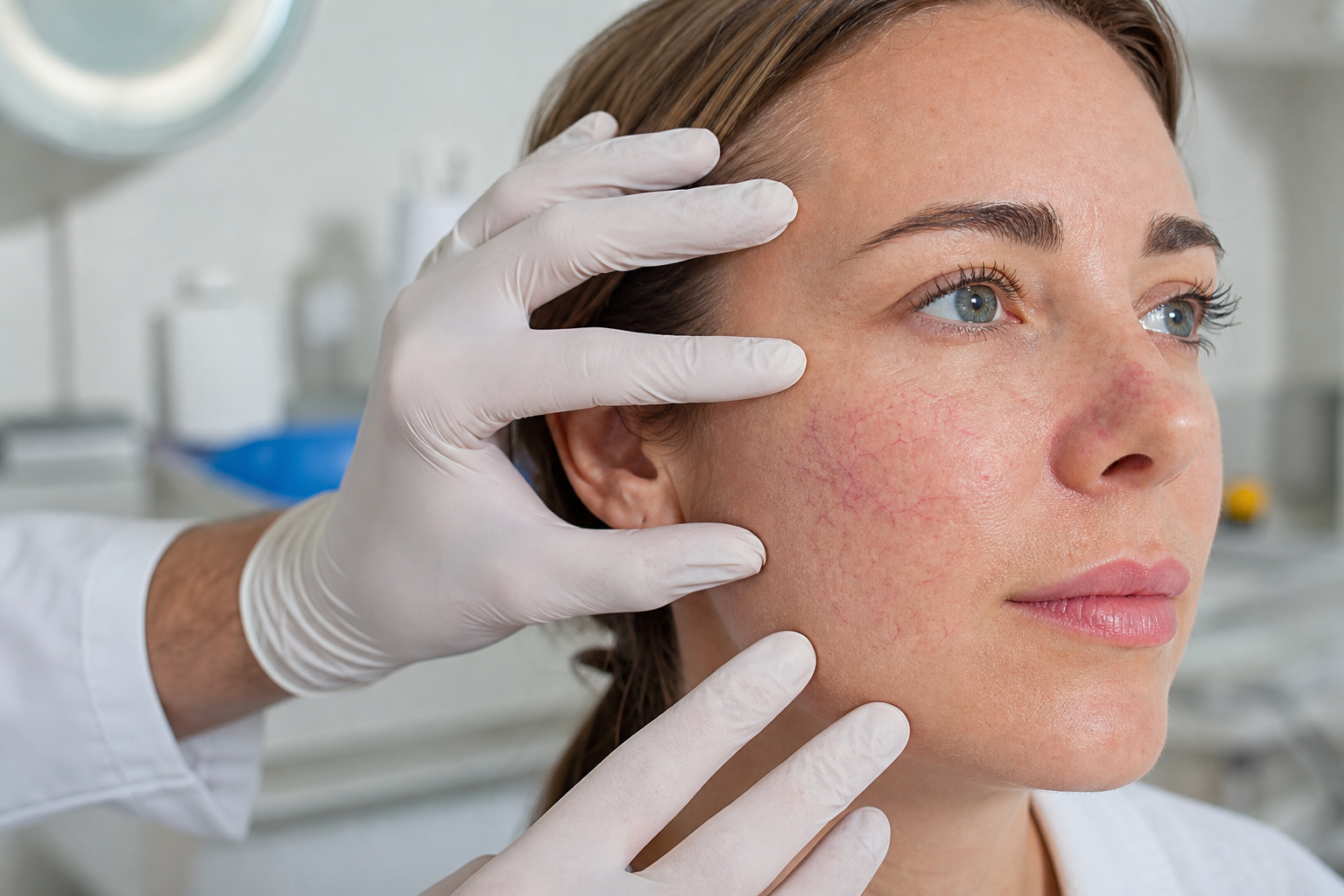
Spider Veins vs. Visible Capillaries: Are They the Same?
Spider veins and visible capillaries are distinct types of vascular skin changes that often cause cosmetic concerns. Understanding...
Read more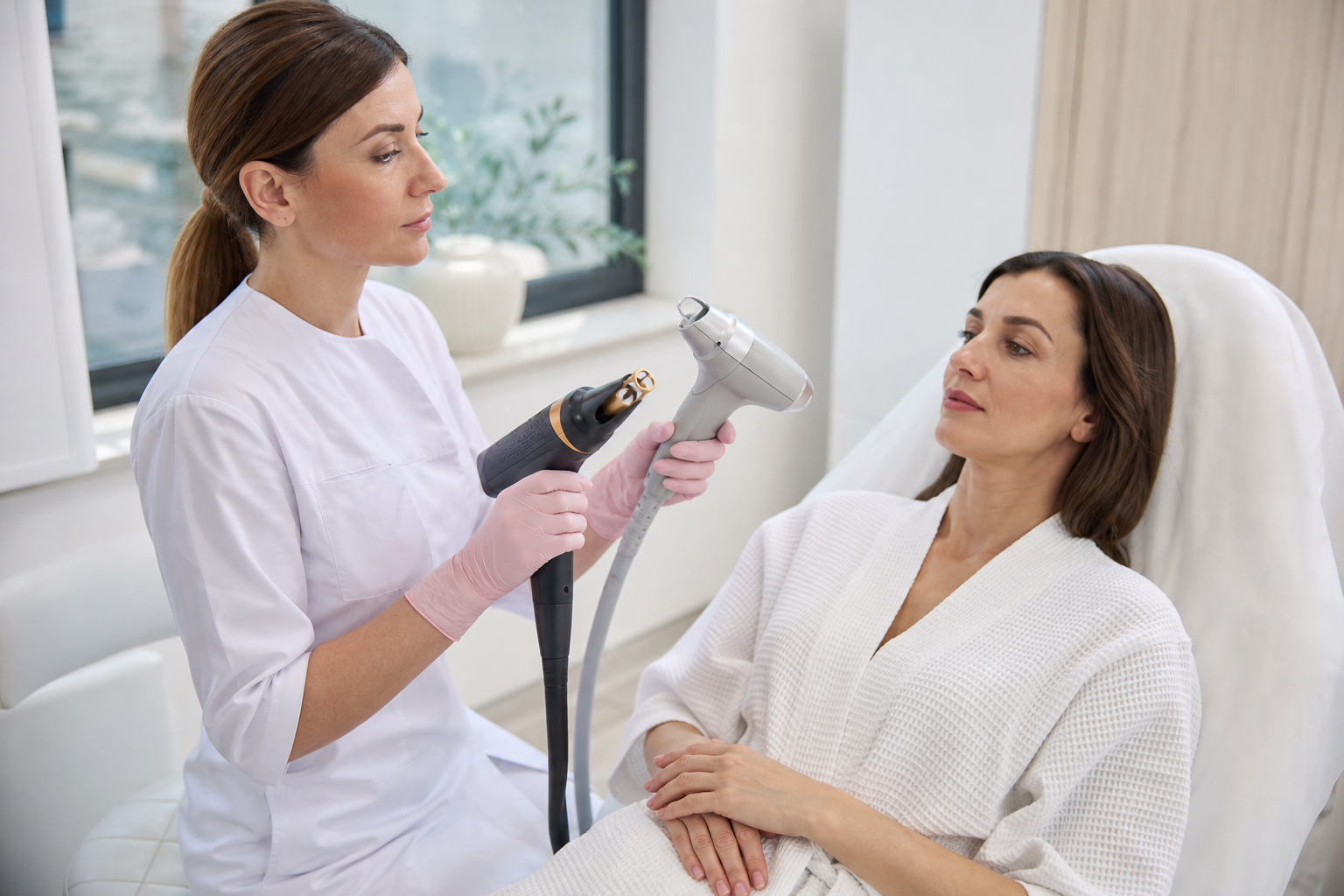
What to Expect from Laser Treatment for Capillaries
Laser treatment for capillaries offers a precise solution to reduce visible blood vessels and facial redness. Outcomes depend on f...
Read more
KTP Laser for Redness and Superficial Capillaries
KTP laser therapy offers a precise and effective solution for reducing facial redness and superficial capillaries, especially in i...
Read more
Understanding Selective Photothermolysis in Vascular Treatments
Selective photothermolysis is a precise laser technique targeting abnormal blood vessels beneath the skin without harming surround...
Read more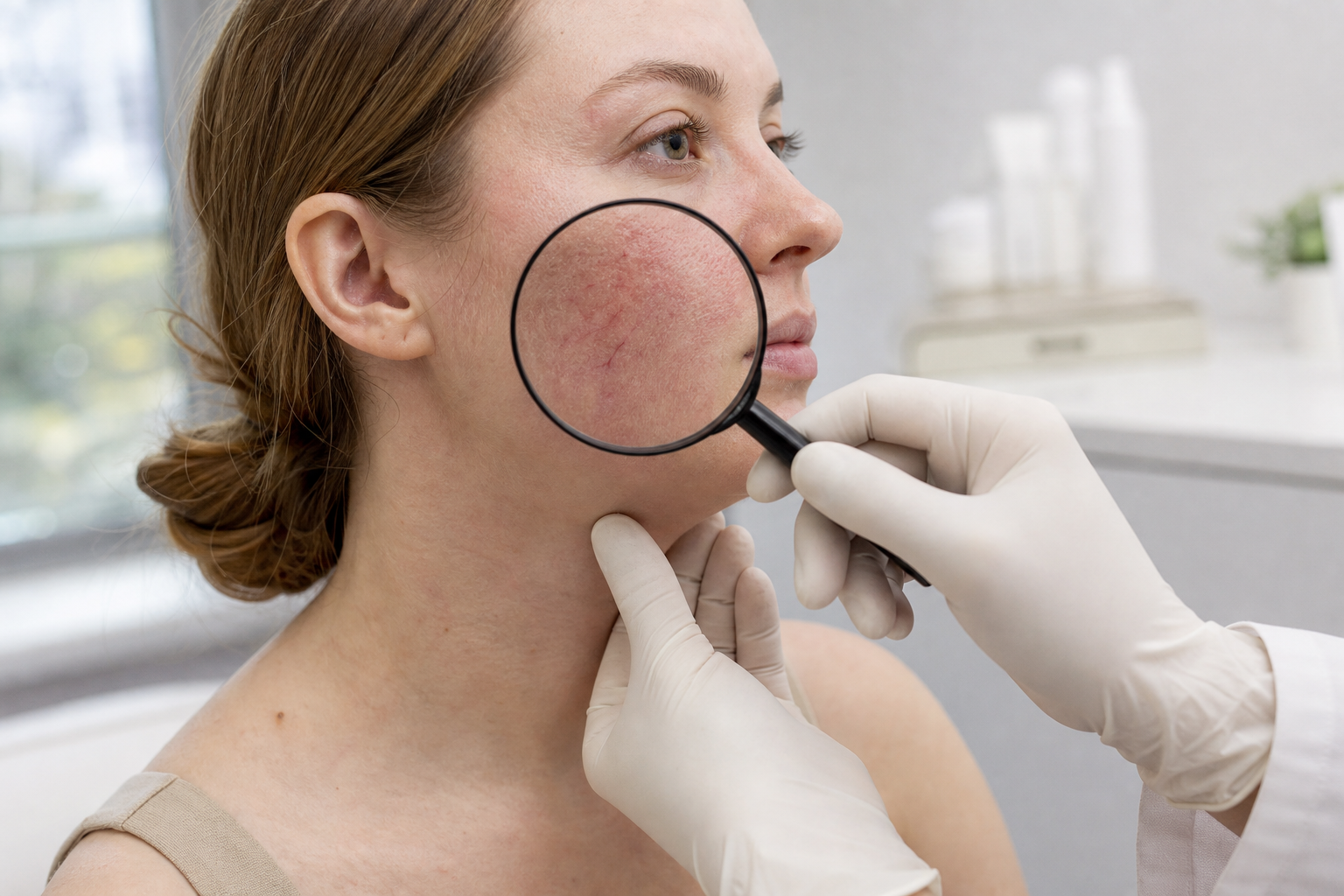
Why Is Your Face Constantly Red? Common Causes Explained
Persistent facial redness can stem from conditions such as rosacea, dermatitis, sensitive skin, or post-acne erythema. Understandi...
Read more
Is Laser Treatment for Broken Capillaries Safe?
Laser treatment is a widely used option for reducing the appearance of broken capillaries, offering targeted skin rejuvenation. Th...
Read more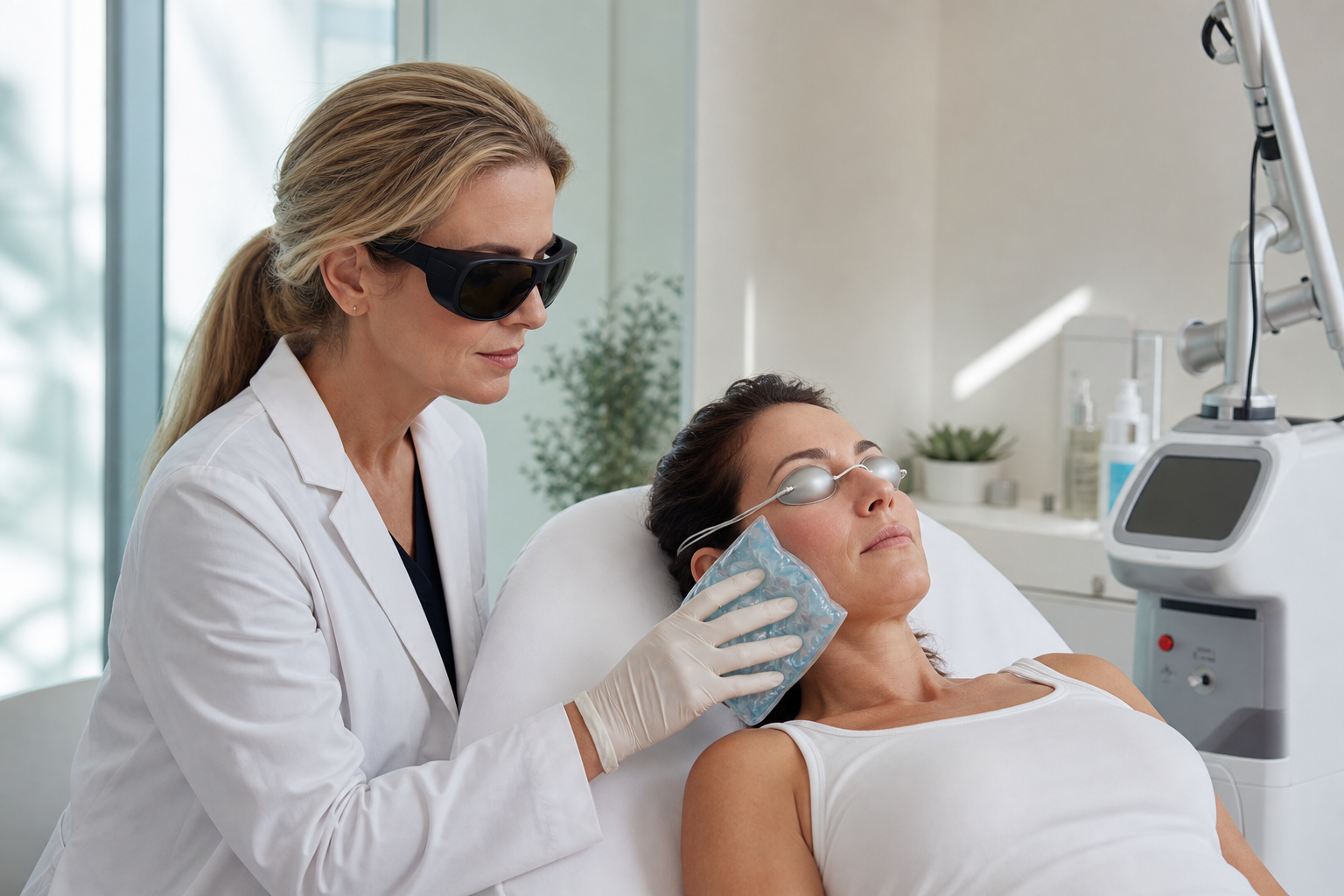
How Important Is SPF After Capillary Treatment?
Sun protection factor (SPF) plays a vital role after capillary laser treatments to protect sensitive skin from UV damage, prevent...
Read more
Permanent vs. Temporary Facial Redness: Key Differences
Facial redness manifests as either temporary or permanent, each with distinct causes and implications. Understanding these differe...
Read more
Laser Treatment for Capillaries: Preparation, Procedure, and Recovery
Laser treatment for capillaries is a precise, minimally invasive procedure that targets visible blood vessels to improve skin appe...
Read more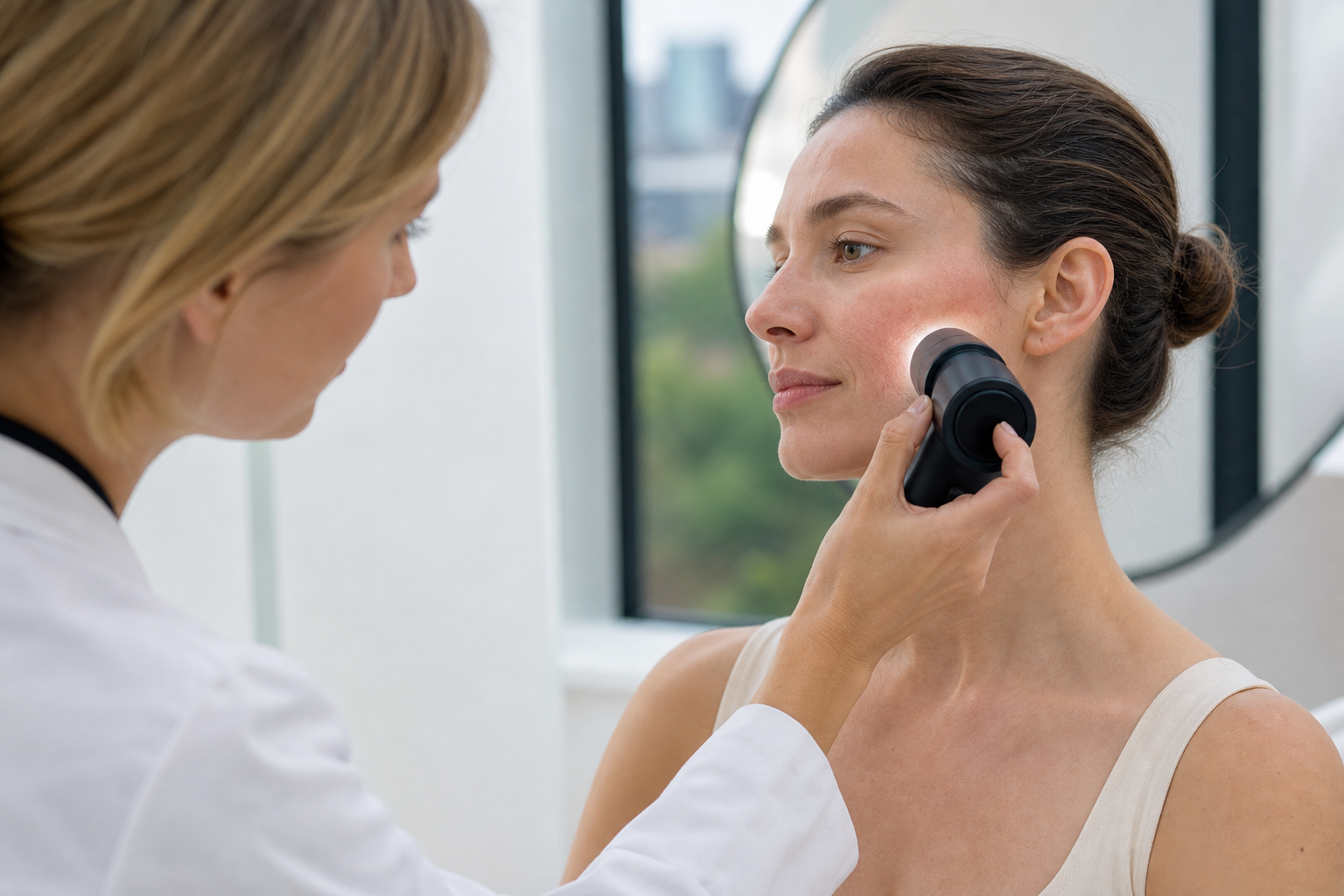
Understanding Telangiectasias: Appearance and Distinctions
Telangiectasias are small, dilated blood vessels visible near the skin's surface, appearing as fine red or bluish lines or network...
Read more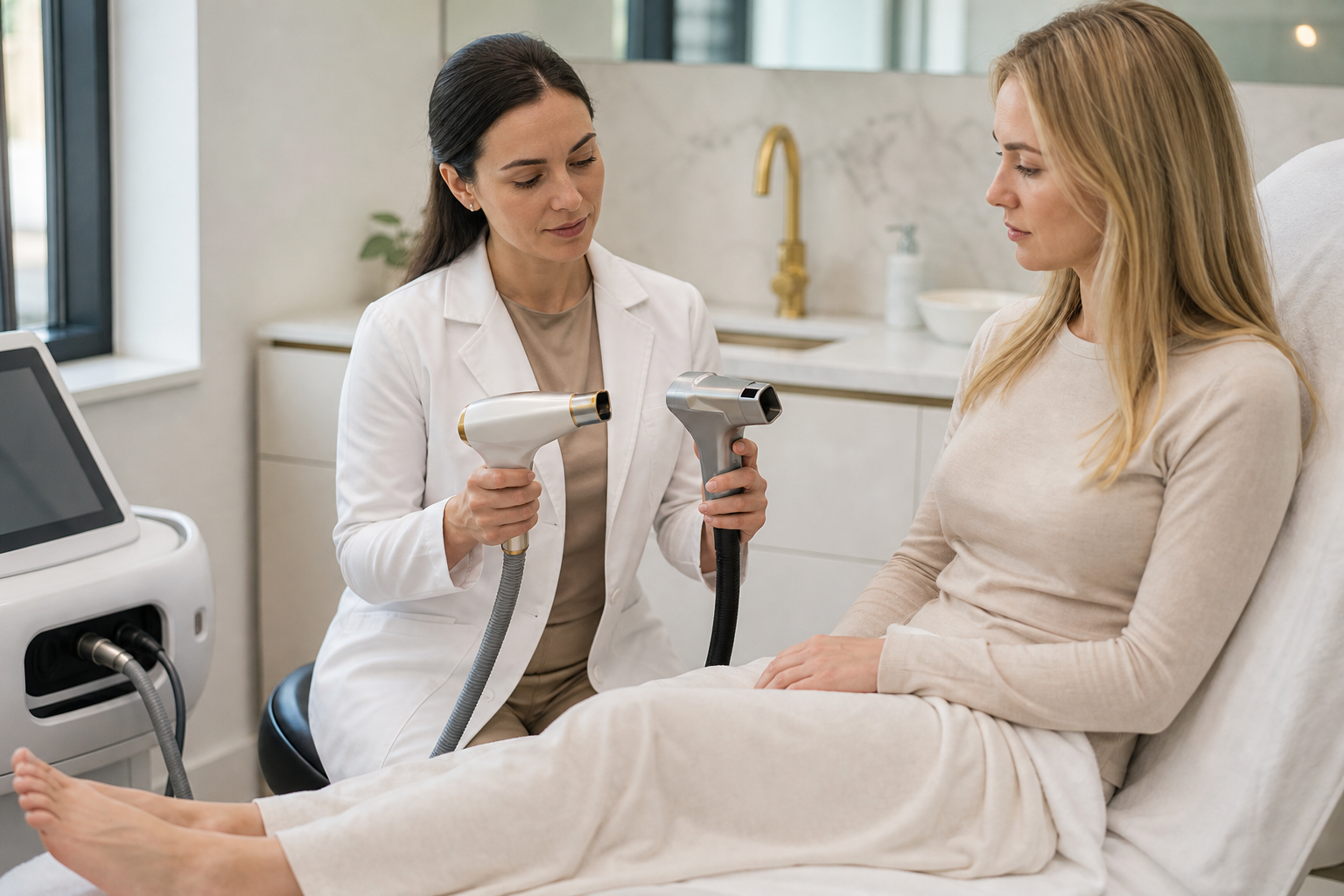
How Vascular Lasers Work on Capillaries
Vascular lasers precisely target capillaries by using wavelengths absorbed by hemoglobin, enabling selective treatment of visible...
Read more
Laser vs. IPL for Capillaries and Redness: Understanding the Differences in Treatments
This article offers a detailed comparison between laser and Intense Pulsed Light (IPL) treatments for visible capillaries and skin...
Read more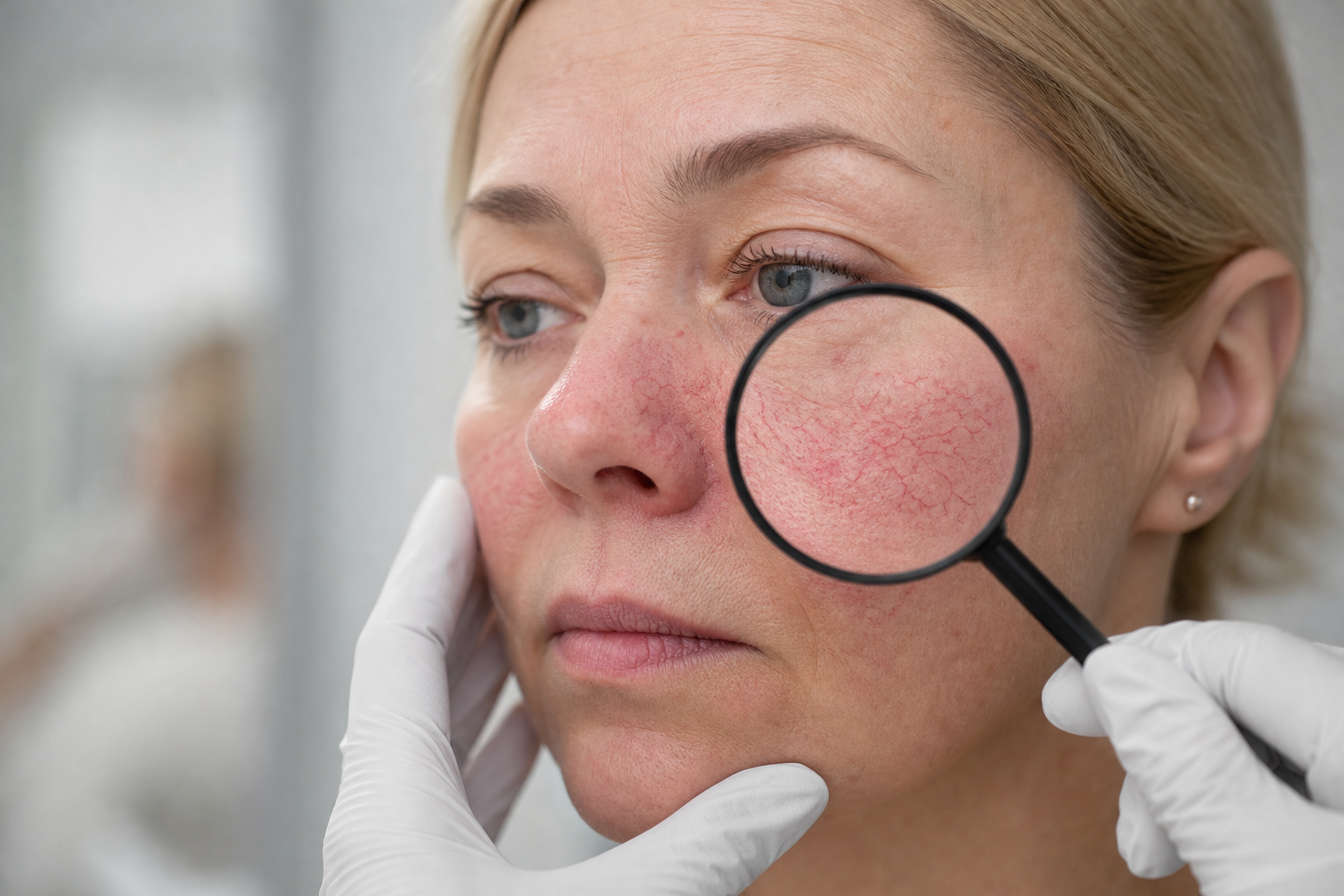
Visible Facial Capillaries: Causes, Treatments, and Removal Options
Visible facial capillaries, known as telangiectasias, are small dilated blood vessels often seen on the nose, cheeks, and chin. Th...
Read more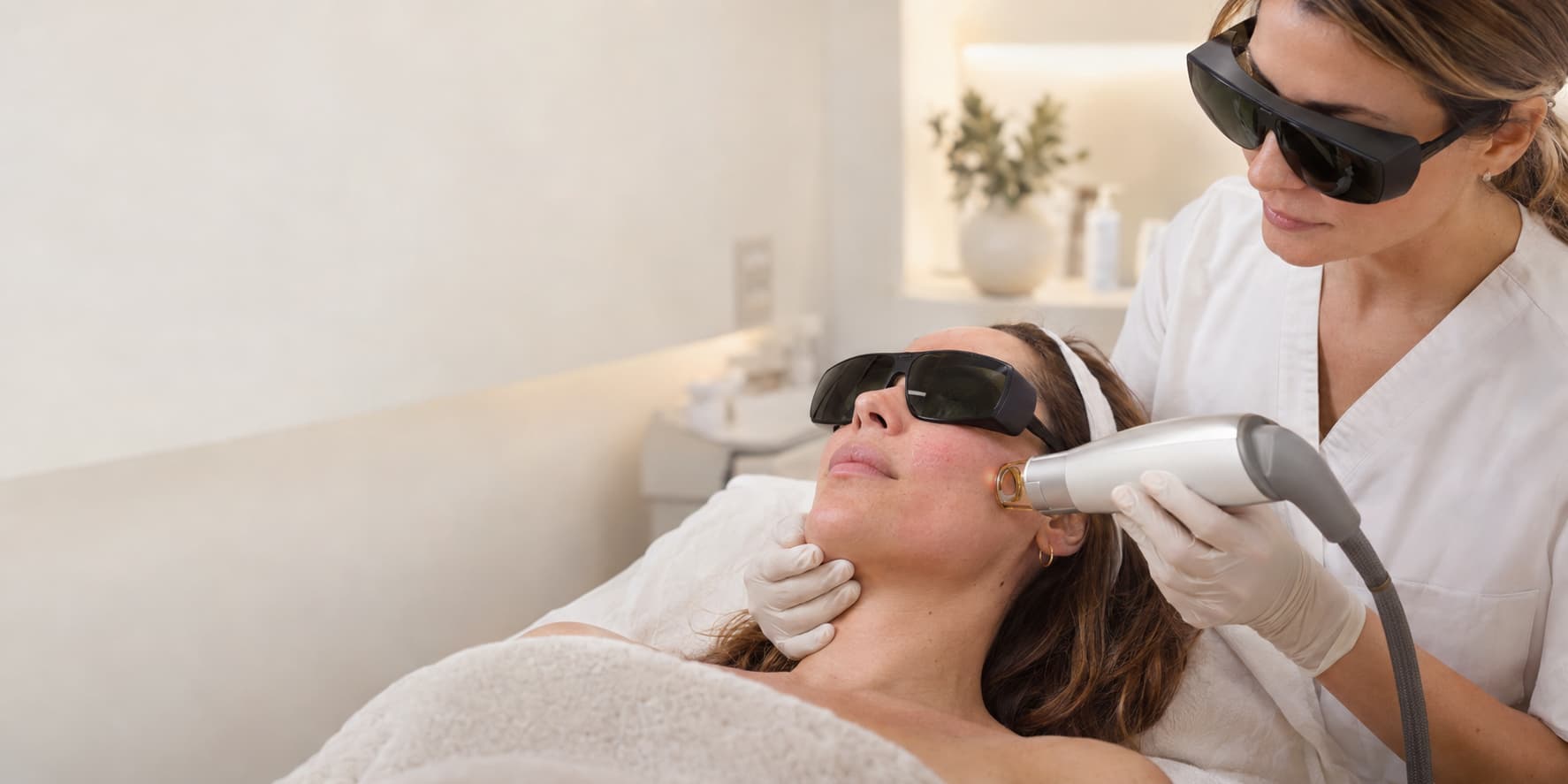
Laser Treatment for Visible Vessels and Redness – Complete Guide
Visible facial veins and persistent redness can be effectively addressed with tailored laser and light-based treatments. This guid...
Read more