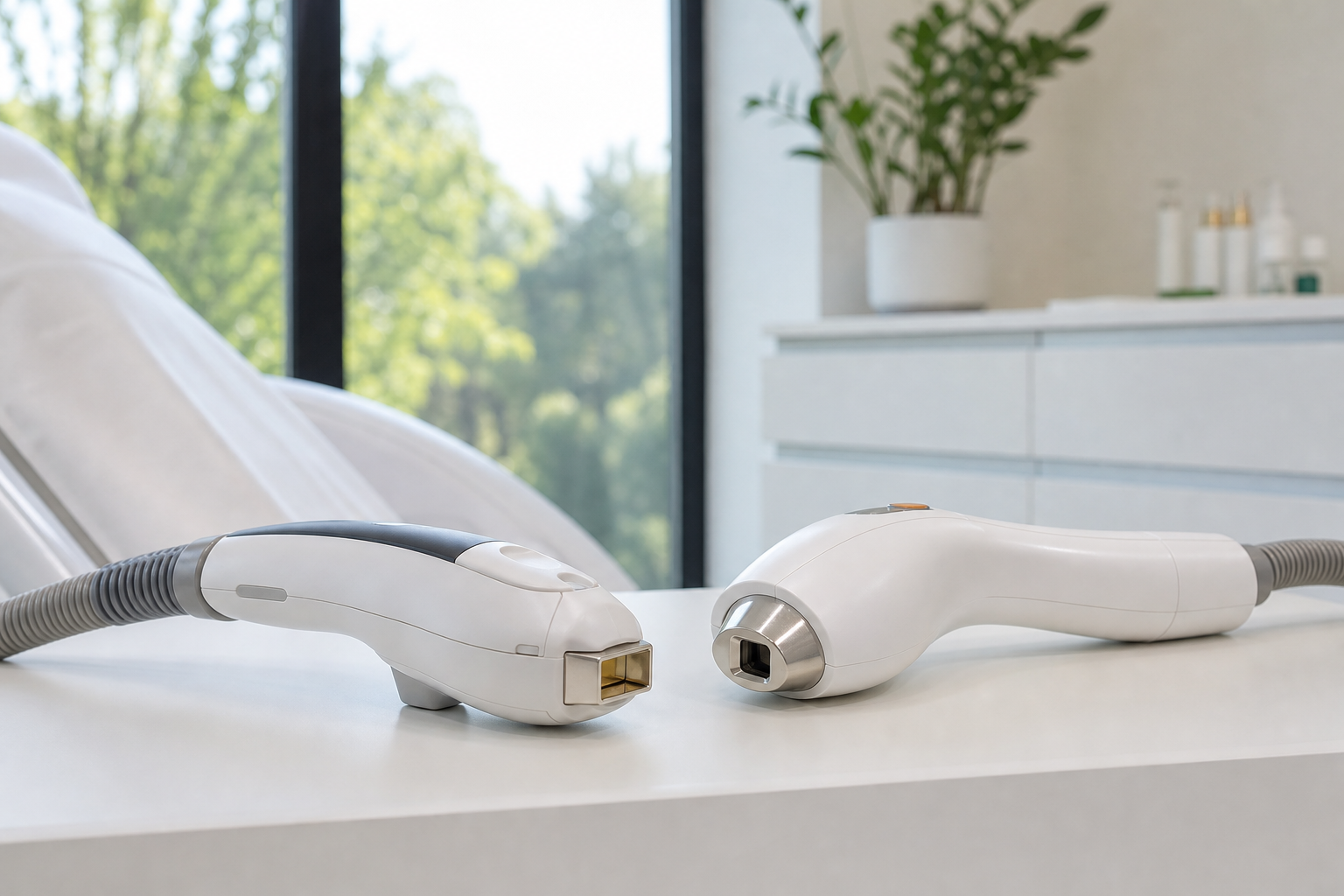
Laser treatments have gained significant traction in the realm of advanced esthetic procedures, offering remarkable solutions for skin rejuvenation, pigmentation correction, and vascular issues. These sophisticated interventions harness focused light energy to stimulate deep regenerative processes within the skin, producing results that often surpass those attainable through topical formulations or superficial therapies. However, the remarkable benefits of laser procedures come paired with pivotal considerations, particularly concerning post-treatment care and protection.
One of the most critical aspects of aftercare is the application of sun protection factor (SPF) products following laser treatments. The importance of maintaining diligent sun protection after such procedures cannot be overstated. It is primarily because the skin, having undergone controlled injury to trigger renewal, is temporarily vulnerable, and its natural defense barrier is compromised. Without adequate sun protection, this sensitive state can predispose the skin to inflammatory responses, pigmentary changes, and even lasting damage, all of which may undermine the gains achieved through laser therapy.
This article is crafted for individuals considering or recently having undergone laser skin treatments. It aims to elucidate why SPF post-laser care is a non-negotiable component of the recovery regimen and how it contributes fundamentally to preserving the efficacy and longevity of the results. Readers will gain insights into the physiological effects lasers have on the skin, the rationale behind heightened photosensitivity post-treatment, criteria for selecting suitable sun protection products, and comprehensive strategies to optimize skin health during the healing phase.
The Impact of Laser Treatments on Skin Structure and Sensitivity
Laser skin procedures operate by delivering concentrated light pulses that target specific chromophores within the skin, like melanin or water, depending on the treatment goals. This targeted energy induces micro-injuries or controlled thermal damage, stimulating the body's intrinsic repair systems. The process upgrades skin texture, mitigates pigmentation anomalies, and enhances collagen synthesis, collectively leading to a younger, more radiant complexion.
Following treatment, the skin’s epidermal barrier and superficial dermis remain in a fragile state. The exposure to laser energy disrupts the outermost layers, which typically perform as a primary shield against environmental aggressors. Consequently, the skin’s resilience to external factors, especially ultraviolet (UV) radiation, is substantially lowered. This compromised barrier increases susceptibility to irritation, inflammation, and photodamage.
Moreover, the regeneration of new skin cells heightens melanocyte activity as part of healing. These pigment-producing cells become more reactive to UV exposure during this phase, significantly elevating the risk of post-inflammatory hyperpigmentation (PIH)—a common and often persistent side effect characterized by localized dark spots or uneven skin tone. This biological response underscores the necessity for robust sun protection after laser treatments.
Why Sun Protection Factor (SPF) Is Essential Following Laser Procedures
The central purpose of employing SPF post-laser is to safeguard the newly forming skin against UV radiation, which is composed chiefly of UVA and UVB rays. UVB rays are primarily responsible for causing sunburn and direct DNA damage, whereas UVA rays penetrate deeper, contributing to premature skin aging and long-term collagen degradation. High-quality SPF products offer broad-spectrum protection that mitigates these destructive effects, thereby fostering a safer environment for skin recovery.
Applying SPF post-laser serves several key functions. First, it prevents the acceleration of melanogenesis (melanin production), which could otherwise culminate in hyperpigmentation and scarring. Second, it reduces inflammatory reactions by limiting UV-induced oxidative stress on compromised skin tissues. Third, by restricting UV damage, SPF ensures that the treatment’s results endure longer, as the delicate balance of skin remodeling is preserved.
Without adequate SPF, risks exponentially increase. Unprotected UV exposure can lead to undesirable outcomes such as protracted erythema (redness), swelling, slower wound healing, and the formation of new pigmentation irregularities that may require further intervention. Therefore, sun protection emerges not merely as an ancillary recommendation but as an integral safeguard in post-laser care.
Determining Appropriate SPF Products After Laser Skin Treatments
Choosing the right sun protection product following laser interventions involves more than selecting any standard sunscreen. It demands keen consideration of several factors aligned with the skin’s delicate post-treatment status.
SPF Level: A product with a minimum SPF of 30 is generally advised, though many clinicians recommend SPF 50 for enhanced safety, especially in the initial recovery period.
Broad-Spectrum Coverage: Protection against both UVA and UVB rays is critical. While SPF rating pertains specifically to UVB protection, the presence of UVA filters ensures a comprehensive shield, crucial for preventing deep dermal damage.
Formulation Type: Mineral-based sunscreens containing zinc oxide and titanium dioxide are often preferable after laser therapies. These physical blockers function by deflecting UV radiation and tend to be less irritating than chemical counterparts. Their gentle profiles help minimize the risk of allergic reactions or stinging sensations on sensitive skin.
Texture and Compatibility: Lightweight, non-comedogenic, and fragrance-free formulations support better adherence to a post-laser skin care regimen. Creams or lotions designed specifically for sensitive or compromised skin often deliver the best tolerability.
Additionally, many SPF products incorporate added moisturizing and soothing agents, such as hyaluronic acid or niacinamide, that can assist with hydration and calming inflammation, complementing the recovery process.
Duration and Timing: How Long to Apply SPF After Laser Treatments?
The timeline for obligatory SPF use after laser skin procedures lacks a one-size-fits-all answer and is highly contingent on various factors including treatment type, depth of ablation, skin phototype, and individual healing response. Nevertheless, broad guidelines exist to support safe recovery.
Generally, the initial two to four weeks post-treatment represent a phase of high vulnerability when the skin is visibly sensitive and more prone to UV damage. During this time, stringent SPF application is imperative, ideally as a non-negotiable daily ritual before any outdoor exposure. Reapplication every two hours, especially after sweating, swimming, or prolonged sun exposure, enhances protection efficacy.
After this acute window, continued daily SPF use is often recommended for several months, as underlying skin remodeling persists beyond visible recovery. This extended protection curbs latent photo-induced side effects and supports sustained treatment benefits.
Ultimately, patients should adhere to personalized instructions provided by their dermatologic specialist or laser clinician. These recommendations integrate specific procedural parameters and patient-specific considerations for optimized outcomes.
Consequences of Skipping or Inadequate Sun Protection Post-Laser
Foregoing proper sun protection in the post-laser phase can precipitate several complications with both aesthetic and medical ramifications.
Post-Inflammatory Hyperpigmentation (PIH) is a prevalent concern, where UV exposure triggers excessive melanin synthesis in healing skin, manifesting as persistent dark spots. Such pigmentary disturbances can significantly detract from the cosmetic success of laser treatments.
Delayed Healing and Persistent Irritation occur as UV rays exacerbate inflammatory cascades, causing prolonged redness, tenderness, and increased susceptibility to secondary irritation or infection.
Compromised Structural Integrity results from UV-mediated collagen breakdown, potentially negating the intended skin tightening and rejuvenation effects. This degradation also accelerates premature aging signs like fine lines and loss of elasticity.
Collectively, these adverse outcomes highlight that sun exposure without protection can effectively reverse or diminish the advantageous changes elicited by laser procedures. Therefore, advocating diligent and consistent SPF application is fundamental to achieving lasting skin improvements.
Comprehensive Strategies to Enhance Sun Protection Beyond SPF after Laser Treatment
While SPF application forms the cornerstone of sun protection, incorporating additional measures amplifies the overall defensive arsenal and fosters more effective healing.
Timing Outdoor Activity: Avoiding sun exposure during peak ultraviolet radiation hours—typically from 10 a.m. to 4 p.m.—mitigates excessive damage risk.
Physical Barriers: Wearing wide-brimmed hats, UV-protective clothing, and sunglasses enhances mechanical protection and reduces cumulative UV dose to skin and eyes.
Consistent Application Techniques: Ensuring adequate quantity (approximately one teaspoon for the face) and uniform application helps attain the labeled SPF efficacy. Reapplication every two hours or more frequently is essential for sustained coverage.
Supportive Skin Care: Using hydrating and soothing products, as recommended by healthcare professionals, maintains skin barrier function and complements UV defense, reinforcing natural resilience.
This multi-layered approach—combining topical SPF with behavioral and physical protective measures—establishes optimal conditions for the skin’s restorative processes and long-term health.
Recognizing When to Seek Medical Advice Regarding Sun Protection Post-Laser
Despite adherence to recommended precautions, some patients may experience unwarranted reactions or complications warranting professional evaluation.
Signs such as unusually persistent redness, swelling, increasing pain, or signs of infection (e.g., discharge, warmth) necessitate prompt consultation. Additionally, the appearance of atypical pigment changes or hypersensitivity reactions to sun protection products should be addressed with a dermatologist.
Early intervention can prevent escalation of issues and guide appropriate adjustments in post-treatment care protocols, thereby maintaining treatment safety and effectiveness.


