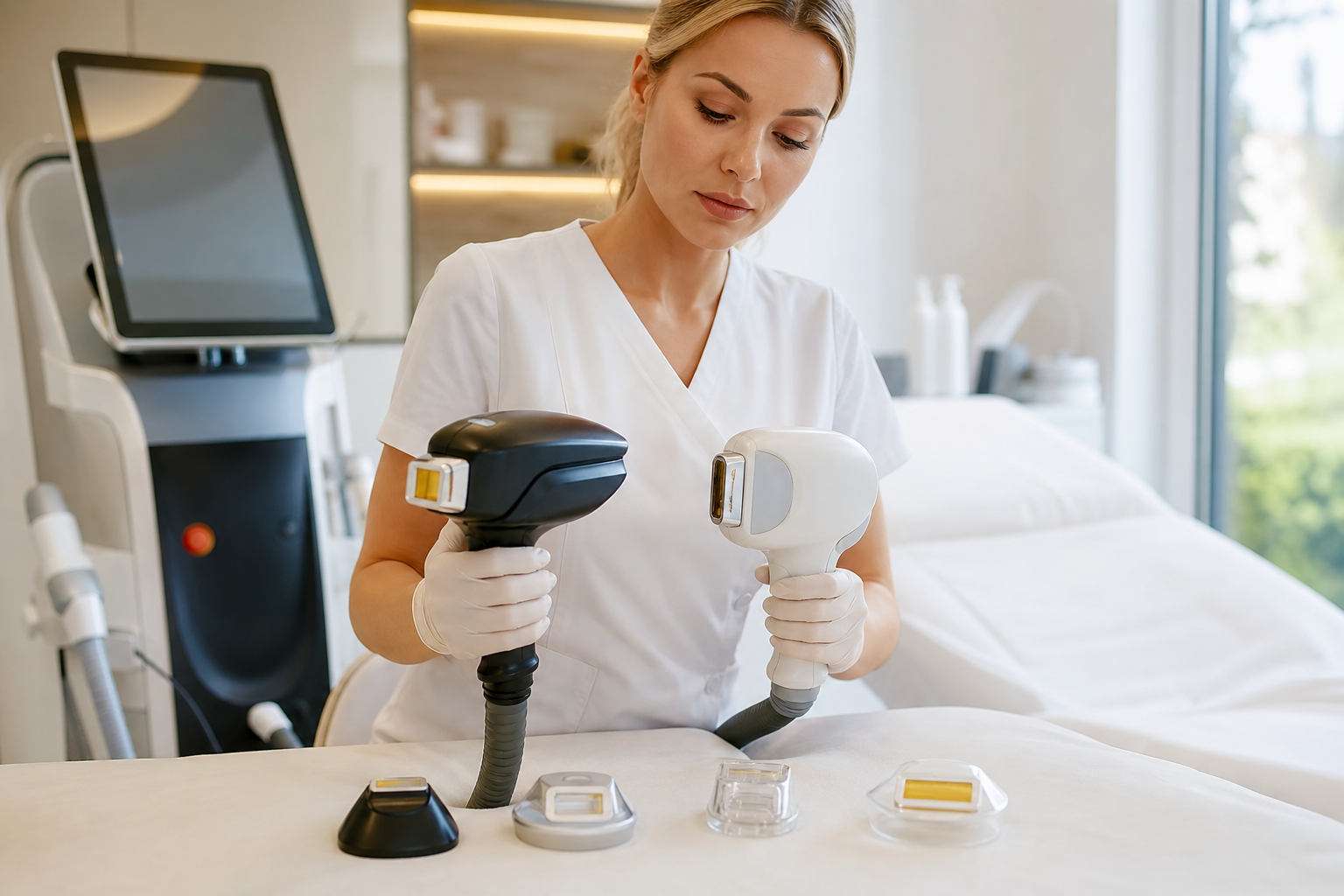
When considering laser hair removal and other laser-based skin treatments, patients and practitioners alike may wonder if all diode lasers are created equal. The question, "Do all diode lasers deliver the same results?" is both pertinent and complex, as it touches on technological nuances, treatment efficacy, patient safety, and long-term outcomes. This article delves deeply into the varying capabilities and differences among diode lasers, aiming to clarify what factors influence treatment success and how to identify the best-suited laser for individualized needs.
Diode lasers have become a cornerstone in advanced dermatological therapies due to their precision and versatility. They are widely used not only for laser hair removal but also for skin rejuvenation, pigmentation correction, and vascular treatments. Understanding how these devices vary and what this means for patients is essential whether you are a practitioner selecting equipment, a patient seeking treatment, or a skincare professional advising clients. The significance of this topic lies in the promise of long-lasting results and safe skin interventions tailored to diverse skin types and conditions.
In this comprehensive exploration, we will examine diode laser technology, its applications in cosmetic treatments, and the critical distinctions that affect performance. This knowledge empowers informed decisions, improving treatment experiences and outcomes in the realm of laser dermatology.
What Exactly Are Diode Lasers and How Do They Work in Skin Treatments?
At its core, a diode laser is a semiconductor device that emits coherent light when electrically stimulated. The wavelength of the emitted laser light plays a fundamental role in determining its interaction with skin tissue. Most diode lasers used in dermatology operate within the 800 to 810 nanometer wavelength range, which is particularly effective for targeting melanin in hair follicles during hair removal procedures.
The mechanism behind treating unwanted hair or skin imperfections involves selective photothermolysis. This process means that the laser light selectively heats and destroys targeted cells—such as hair follicles or pigmented skin cells—while sparing the surrounding tissue. This precision results from carefully calibrated wavelength, pulse duration, and energy fluence specific to the diode laser system used.
Because skin types and hair colors vary widely, the diode laser's ability to adjust these parameters is critical. The device needs to penetrate sufficiently to reach the hair follicle without causing damage or discomfort at the skin surface. This is why diode lasers have become favored for patients with darker skin tones or coarser hair, as certain wavelengths offer optimal absorption with minimal risk.
Who Should Consider Diode Laser Treatments and What Benefits Can They Expect?
Individuals seeking long-term hair reduction, especially those frustrated with the limitations of shaving, waxing, or depilatory creams, make prime candidates for diode laser treatments. Additionally, diode lasers have proven effective for patients interested in managing pigmentation irregularities or vascular lesions, to some extent, thereby expanding their therapeutic applications.
The benefits of diode laser treatments include significant hair reduction after a series of sessions, improved skin texture, and a reduction in treatment-related side effects compared to older methods. For many, this translates into smoother skin, reduced ingrown hairs, and a reduction in pigmentation or redness, depending on the condition treated.
Moreover, diode lasers typically offer a favorable safety profile with relatively minimal downtime. This makes them practical for both medical spas and dermatology clinics aiming for efficient patient turnover without compromising quality. The versatility of diode laser systems allows treatments to be customized based on skin type, hair color, and individual tolerance, enhancing patient satisfaction.
What Factors Influence the Effectiveness of Different Diode Laser Systems?
While many diode lasers share common features, several factors differentiate their clinical outcomes. One of the primary distinctions involves the laser’s wavelength and pulse duration settings. Subtle variations in emitted wavelength can affect the laser’s ability to penetrate skin and target melanin or blood vessels accurately.
Another significant factor is the technology that governs energy delivery, such as contact cooling systems that mitigate pain and protect the epidermis. Some diode lasers incorporate advanced cooling to enhance patient comfort and allow for higher fluence settings without increasing the risk of burns or adverse reactions.
The size and design of the laser spot also impact both treatment speed and precision. Larger spot sizes enable practitioners to cover more skin surface quickly but may reduce accuracy for detailed vascular or pigmentation work. Conversely, smaller spot sizes increase precision but require longer treatment times.
Furthermore, the mode of operation—whether continuous wave or pulsed—and customizable parameters like fluence (energy per unit area) and repetition rate can tailor treatments to individual needs. The availability of such adjustable settings allows providers to optimize protocols for different hair colors, skin types, and treatment goals.
How Does Skin Type Affect Diode Laser Performance and Safety?
One of the critical considerations in diode laser treatments is the Fitzpatrick skin type classification, which ranges from I (very fair) to VI (very dark). Since diode lasers rely on chromophore (melanin) targeting, patients with darker skin tones possess higher melanin levels that can absorb laser energy, thereby increasing the risk of burns or hyperpigmentation.
Modern diode lasers address these challenges by incorporating longer wavelengths (around 810 nm) that penetrate deeper and preferentially target hair follicles while sparing epidermal melanin. This makes diode lasers particularly effective for darker skin types compared to other laser types such as alexandrite lasers, which are less safe for those patients.
However, treatment parameters must be carefully adjusted, and practitioners need adequate training to identify the correct settings. Pre-treatment skin assessments and test spots help mitigate adverse effects by ensuring patient safety. The presence of skin conditions, recent sun exposure, or medication use can also affect laser suitability and performance.
In What Ways Do Treatment Protocols Vary Among Different Diode Laser Devices?
The protocols set by different diode laser manufacturers can influence the number of sessions required, session duration, and downtime. Some advanced systems offer faster repetition rates, allowing treatment of larger areas in a shorter time, which improves convenience but requires practitioner expertise to avoid overtreatment.
Additionally, cooling mechanisms—such as contact cooling, cryogen spray, or air cooling—play a role in enhancing patient comfort and enabling higher fluence safely. Treatment intervals also vary based on hair growth cycles, the mechanism of laser damage to follicles, and individual hair characteristics.
Practitioners often tailor session frequency to maximize hair follicle targeting during the anagen (growth) phase and minimize side effects. Differences in laser software, treatment modes, and user interface can shape provider preference and treatment consistency as well.
What Should Patients Expect During and After Diode Laser Hair Removal Sessions?
During a diode laser session, patients typically experience a sensation described as a mild stinging or snapping, often likened to a rubber band snap against the skin. Modern diode lasers with integrated cooling systems significantly reduce discomfort, often negating the need for topical anesthesia.
Post-treatment, patients may notice redness and mild swelling in the treated areas, which usually resolves within hours to days. Proper aftercare includes avoiding sun exposure, refraining from waxing or plucking between sessions, and moisturizing the skin to promote healing.
The hair reduction becomes noticeable gradually, with some hairs shedding over several weeks following initial treatment. Because hair grows in cycles, multiple sessions—commonly 6 to 8 spaced 4 to 8 weeks apart—are necessary to achieve optimal, long-lasting results. Maintenance treatments may be required depending on individual factors.
How Do Diode Lasers Compare to Other Types of Hair Removal Lasers?
Aside from diode lasers, other prominent hair removal lasers include the Alexandrite and Nd:YAG lasers, each with distinct wavelengths and characteristics. Alexandrite lasers emit light around 755 nm, effective for lighter skin types but less safe for darker skin.
Nd:YAG lasers operate at 1064 nm and penetrate deeper with less epidermal melanin absorption, making them safer for dark skin types but sometimes less effective on fine hair. Diode lasers offer a middle ground, combining efficacy across various skin tones and hair characteristics with a favorable safety and comfort profile.
Choosing the right laser depends on patient skin type, hair color, treatment goals, and tolerance for discomfort. A clinic equipped with multiple laser options and experienced staff often provides the best individualized approach.
What Are the Potential Risks and Limitations of Diode Laser Treatments?
While diode lasers are generally safe, no treatment is without risk. Potential side effects include transient redness, swelling, blistering, pigmentation changes (either hypo- or hyperpigmentation), and rarely scarring. These are more likely if treatment protocols are not properly followed or if the patient has underlying skin sensitivities.
The effectiveness can also be limited by factors such as very light or gray hair, which contain insufficient melanin for the laser to target effectively. Hormonal factors and certain medications may influence hair regrowth and require adjunct therapies or maintenance treatments.
Patients must have realistic expectations; multiple sessions are essential, and results vary based on individual biology and laser settings. Comprehensive consultation and candid discussions help mitigate dissatisfaction and enhance outcomes.
How Can Consumers Identify High-Quality Diode Laser Providers and Equipment?
Patients seeking diode laser treatments should carefully evaluate the credentials of the clinic and the technology used. High-quality providers typically offer consultations with licensed dermatologists or trained laser technicians and employ FDA-approved or CE-marked diode laser systems from reputable manufacturers.
Inquiring about the device’s specifications—including wavelength, cooling technology, and spot size—can provide insights into its capability. Reviews, treatment portfolios, and before-and-after photos should be scrutinized, alongside asking about individualized treatment plans.
Consumer education regarding proper pre- and post-treatment care is equally important. Providers who demonstrate thorough knowledge and transparency foster trust and better patient experiences.


