Healing skin changes, such as moles, warts, fibromas, or pigmented spots, are common dermatological occurrences that often prompt personal concern or aesthetic discomfort. These changes manifest as areas of altered skin color, texture, or tissue type compared to the surrounding skin. While it may seem tempting to pick at, remove, or alter these skin changes personally, doing so can lead to serious complications and is strongly discouraged by medical professionals. Understanding why you should never pick or remove healing skin changes yourself is crucial, especially for individuals contemplating skin care or cosmetic improvement and those seeking safe, effective dermatological treatments.
This article is designed for anyone considering the removal of skin changes, whether for cosmetic reasons or health concerns. It will clarify the risks of self-removal, underscore the necessity of professional evaluation, and illustrate the importance of individualized treatment protocols found in clinical practice. By comprehensively answering why professional guidance and medical supervision are indispensable when dealing with skin changes, readers will gain a responsible perspective on skin health management.
Healing skin changes are not mere cosmetic issues; they represent complex biological phenomena that require accurate diagnosis and tailored care. Improper handling through self-removal methods can lead to infections, scarring, misdiagnosis of potentially malignant changes, and other adverse outcomes. Hence, an informed approach to these skin conditions supports optimal medical and aesthetic results while safeguarding overall health.
What Are Healing Skin Changes and Why Demand Cautious Management?
Healing skin changes refer to skin lesions or formations that vary from the normal skin pattern. These include benign growths such as nevi (moles), viral warts, fibromas, cysts, as well as pigmentary alterations like lentigines and hyperpigmentation. Each type represents different tissue changes and may vary in their potential health risks.
The diverse nature of these changes necessitates a cautious, methodical approach. What appears harmless to the untrained eye might represent a premalignant or malignant lesion requiring urgent medical intervention. Conversely, benign changes may only need conservative or cosmetic treatments. Self-removal risks damaging surrounding tissues and complicating accurate diagnosis, which may delay appropriate management of serious skin conditions.
Furthermore, the healing process of these lesions is integral to their prognosis. Disrupting a lesion through picking or unskilled removal interferes with natural tissue repair mechanisms, potentially leading to chronic wounds, secondary infections, or undesirable pigmentation changes. This unpredictability makes professional assessment and treatment indispensable.
Who Is Qualified to Assess and Treat Skin Changes?
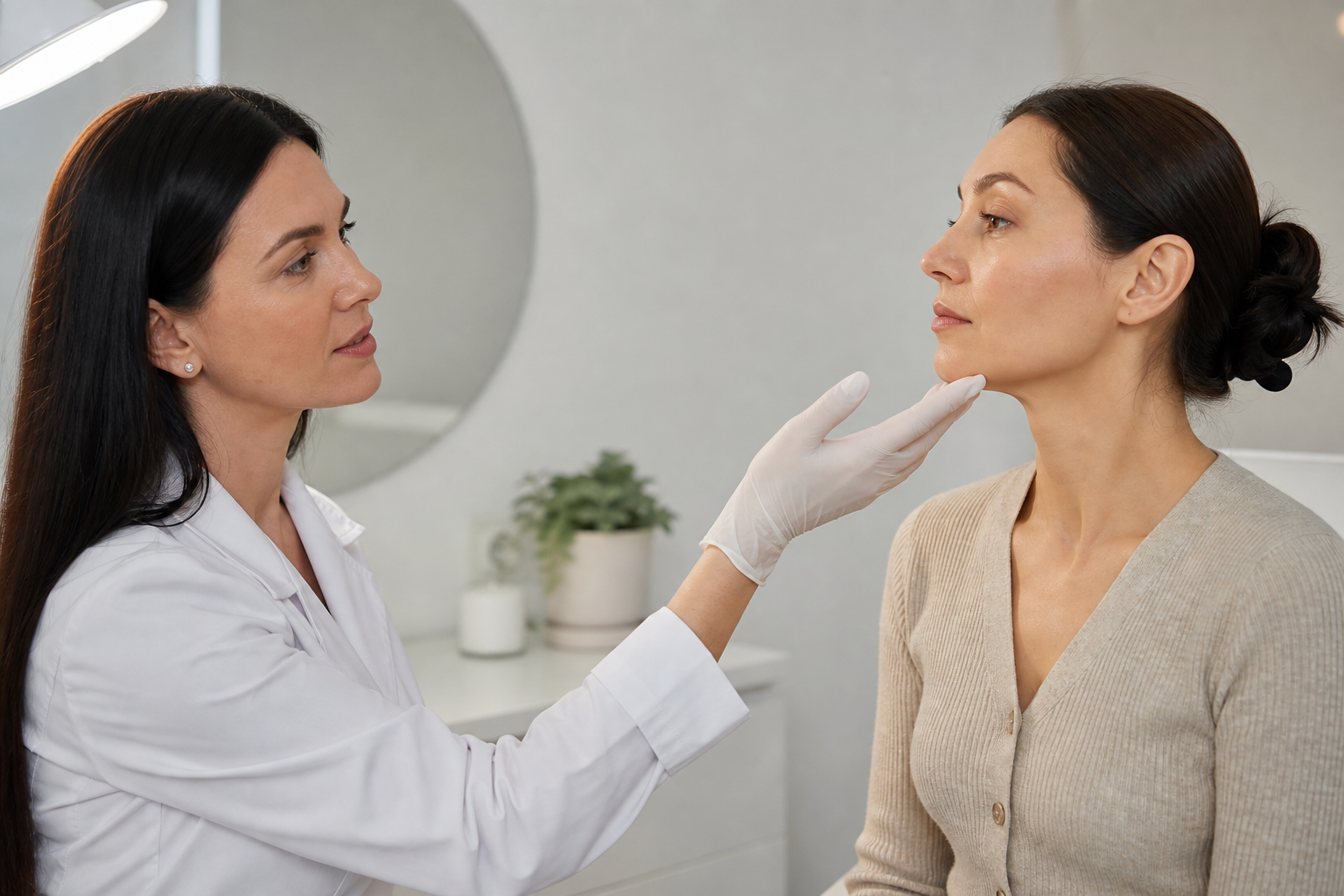
Qualified dermatologists and certified medical professionals specializing in dermatology and aesthetic medicine hold the expertise necessary to evaluate and manage healing skin changes. Their training enables them to distinguish benign from suspicious lesions by employing advanced diagnostic techniques such as dermatoscopy—providing magnified images of the lesion structure—and, when warranted, histopathological biopsy for microscopic tissue examination.
An expert's assessment not only identifies the nature of the lesion but also determines the safest and most effective removal technique or therapeutic approach. This personalized strategy considers the lesion's characteristics, patient's skin type, medical history, and treatment goals.
Moreover, these specialists employ test spot protocols before permanent or invasive treatments, such as laser therapy, to anticipate the skin's response. Such precaution minimizes risks of unexpected pigmentation changes, scarring, and other complications. Self-removal lacks these safeguards, posing significant hazards.
What Are the Risks Associated with Self-Removal of Skin Changes?
Engaging in self-removal of healing skin changes exposes the individual to numerous health risks, many of which can have lasting consequences:
Infections: Non-sterile techniques introduce bacteria or viruses, precipitating infections that can escalate to cellulitis or systemic involvement requiring prolonged treatment.
Damage to Deep Skin Layers: Aggressive or improper removal methods may harm the dermis and subcutaneous tissues, leading to scarring, pigmentation disorders, and compromised skin integrity.
Delayed or Missed Diagnosis of Malignancy: Some skin alterations may represent early stages of skin cancers or pre-cancerous lesions. Removing these without professional evaluation hampers early detection and treatment, potentially endangering the individual's life.
Uncontrolled Healing and Scarring: Without proper wound care knowledge, the healing process can result in hypertrophic scars, keloids, or pigmentary changes that affect both function and appearance.
These risks collectively underscore how critical it is to avoid self-manipulation of skin changes and instead seek specialized consultation.
How Do Professional Laser Treatments Work on Skin Changes?
Professional laser therapies offer a contemporary, controlled approach to treating various skin lesions. These devices emit specific wavelengths of light designed to precisely target pigments or tissue components within the lesion. The laser energy disrupts the targeted cells or pigments, which the body then naturally metabolizes and removes.
Each laser session is preceded by a detailed consultation and skin assessment to properly select the laser type, energy settings, and treatment frequency according to the lesion type and patient’s individual skin characteristics.
A critical component of this process is the test treatment on a small skin area, allowing evaluation of the skin’s reaction to the laser, thus reducing the likelihood of adverse effects such as pigment changes or blistering.
Post-treatment care provided by the specialist also plays a significant role in recovery, including instructions for wound care, sun protection, and follow-up evaluations to monitor healing progress and address any complications promptly.
Why Are Individualized Treatment Protocols Essential?
Skin changes vary widely concerning size, depth, location, and skin type. A one-size-fits-all treatment approach is neither safe nor effective. Individualized protocols incorporate comprehensive assessment, patient history, lesion pathology, and skin reaction patterns in formulating a customized treatment plan.
This methodology ensures the safest elimination of the lesion with optimal healing and minimal side effects. For example, patients with darker skin tones may require adjusted laser parameters and careful monitoring to prevent pigmentation disorders, while others may benefit from alternative, less invasive treatments.
Individualized care also includes continuous evaluation, allowing modification of treatment plans in real-time based on patient response, ultimately improving overall outcomes and satisfaction.
When Should You Seek Professional Consultation Regarding Skin Changes?
It is advisable to consult a dermatologist or qualified healthcare professional whenever a new skin change appears, or when an existing lesion exhibits alterations such as size increase, color variation, bleeding, itching, or discomfort. Early evaluation ensures timely diagnosis and intervention, which may prevent progression to more severe conditions.
Do not delay consultation due to uncertainty or fear. The examination process is typically non-invasive and aimed at providing reassurance or early treatment options. Prompt expert intervention significantly enhances safety and efficacy in managing skin changes.
What to Expect During and After Professional Skin Change Removal?
Treatment modalities may range from minimally invasive procedures to advanced laser therapies, selected based on lesion characteristics and patient factors. Sessions are generally performed in sterile medical settings, with attention to patient comfort and safety.
During treatment, patients may feel mild sensations such as warmth or brief stinging, generally well-tolerated and minimized through cooling systems or topical anesthetics when appropriate.
Post-procedure, a well-defined aftercare protocol follows, including wound protection, avoidance of sun exposure, and monitoring for signs of infection or adverse reactions. Healing times vary from days to weeks, contingent on the treatment type and individual healing capacity.
Follow-up appointments allow the specialist to assess healing, address any complications early, and plan additional treatments if necessary.
Frequently Asked Questions About Removing Healing Skin Changes
Is it safe to remove skin changes at home with over-the-counter products? No, over-the-counter or home remedies lack the diagnostic and procedural safeguards necessary and often aggravate the condition leading to complications.
How can I identify if a skin change is dangerous? Only a professional evaluation can accurately determine the risk associated with a skin change. Suspicious features include irregular borders, uneven color, rapid growth, and symptomatic changes.
Are laser treatments painful, and are they safe? When performed by trained specialists with appropriate protocols and patient selection, laser treatments are generally safe and cause minimal discomfort. Pre-treatment testing ensures individual tolerance and safety.


