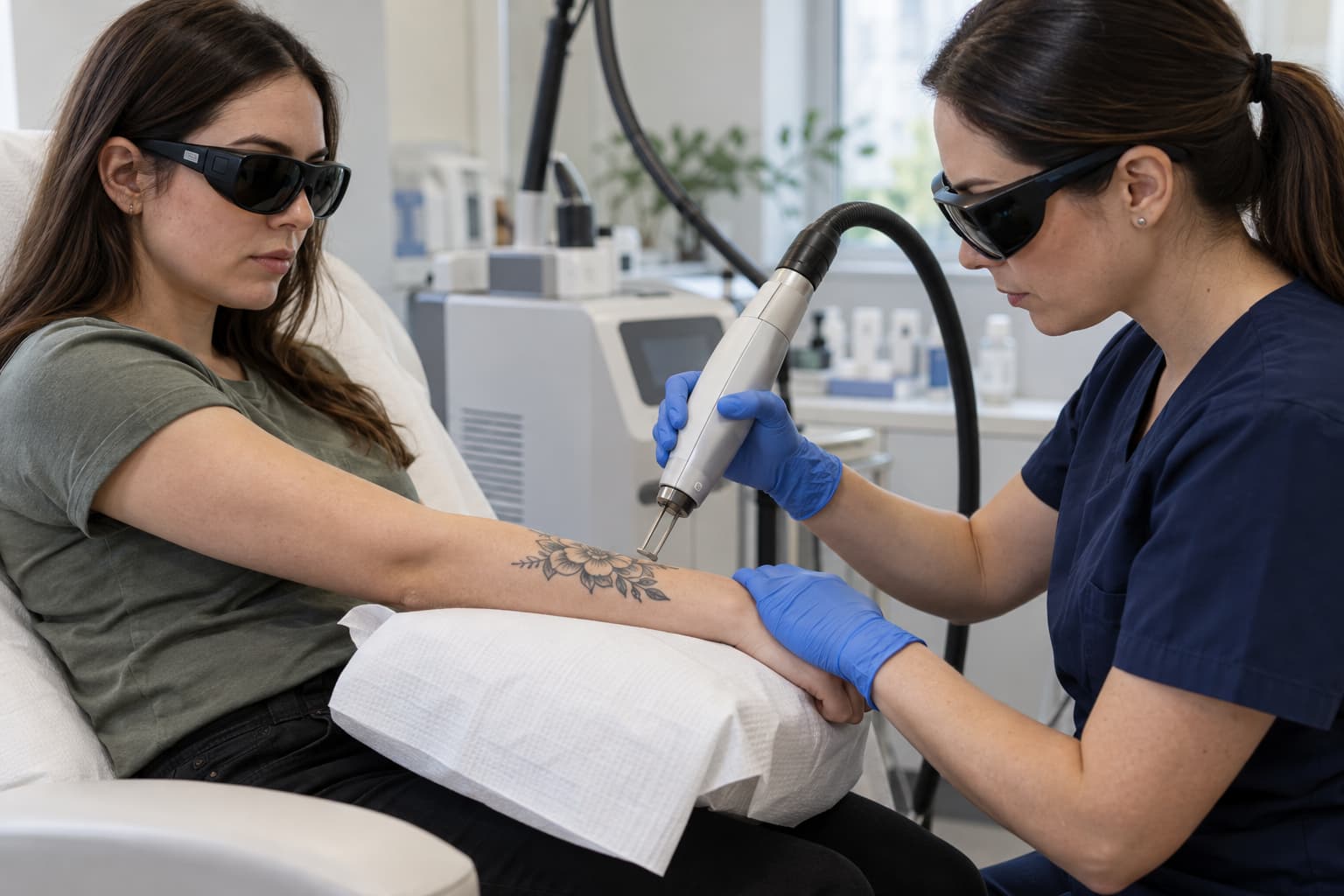
Laser tattoo removal has emerged as one of the most sought-after aesthetic procedures in contemporary dermatology and cosmetic medicine. This technique employs specific laser wavelengths designed to target and fragment tattoo pigment into smaller particles, enabling the body's natural processes to gradually clear the ink from the skin. For many individuals, tattoo removal transcends mere cosmetic preference; it offers a pathway to correct past decisions or rejuvenate skin following significant life changes.
Yet, the very nature of this intervention—rooted in the interaction between high-energy laser beams and skin pigment—raises important questions about its safety. Is laser tattoo removal truly safe across the spectrum of skin types and ink colors? What adverse skin reactions might occur after treatment? How do factors such as practitioner experience, skin condition, tanning, and allergies influence the outcome? These pivotal concerns necessitate a well-informed and carefully nuanced approach to understanding the balance of benefits and potential risks.
This comprehensive editorial aims to illuminate the safety profile of laser tattoo removal by examining skin reactions, pigmentary alterations, risks of scarring and burns, the importance of individualized evaluation, and the crucial role of medical supervision and expertise. Its intent is to empower prospective patients with knowledge so they can make informed decisions aligned with their unique needs and realistic expectations.
How Does Laser Tattoo Removal Work and Why Is Safety Paramount?
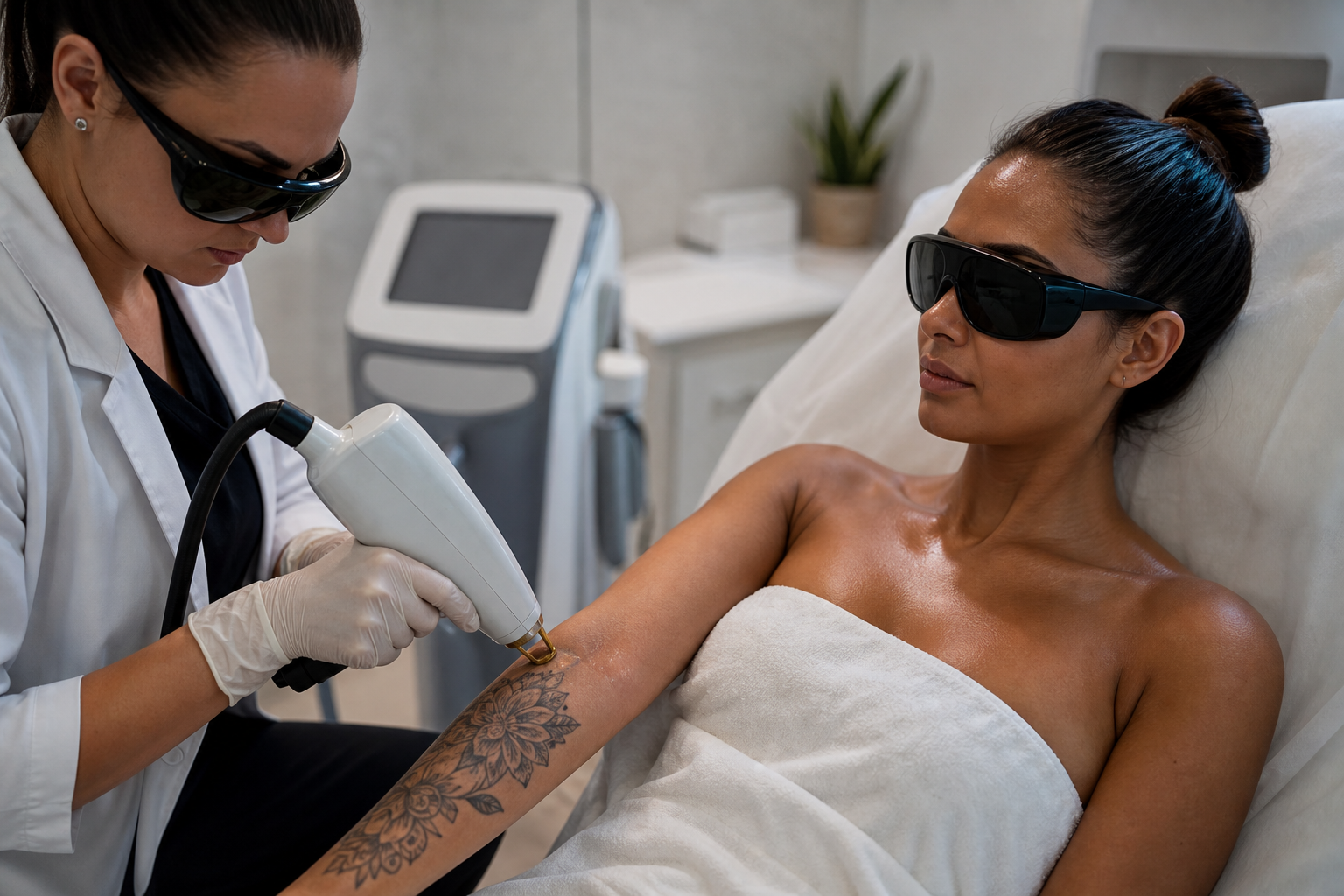
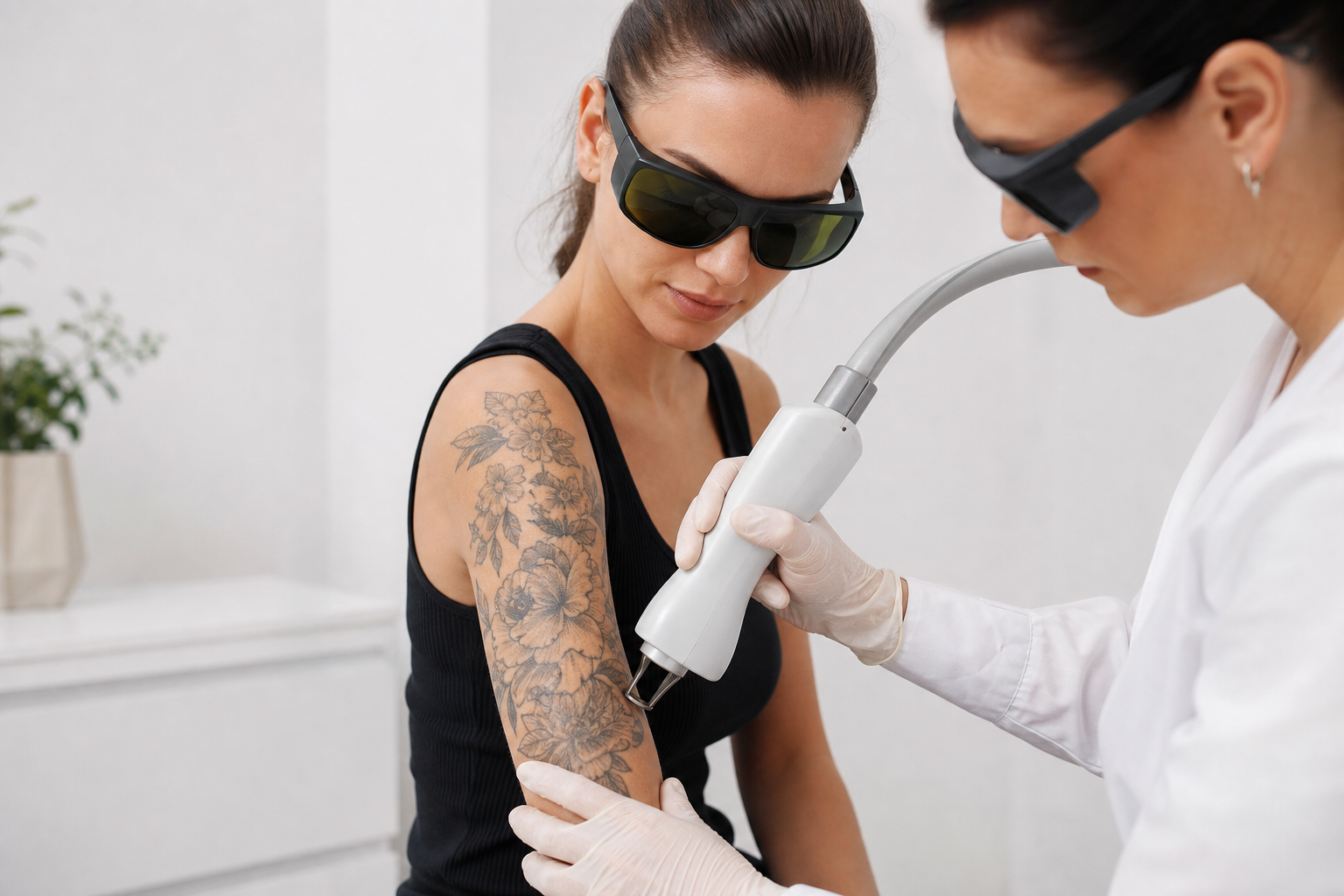
Laser tattoo removal is based on the photoacoustic effect, where laser light precisely targets tattoo ink particles. The laser's specific wavelengths and pulse durations are calibrated to break these pigment particles into microscopic fragments without damaging the surrounding skin tissue. Subsequently, the body's immune system can naturally eliminate these fragmented pigments through lymphatic drainage.
The process is highly sophisticated because different tattoo inks absorb laser energy differently, and each skin type reacts uniquely to laser exposure. Achieving an effective and safe treatment requires lasers capable of delivering the right wavelengths, energies, and pulse widths to maximize pigment breakdown while minimizing collateral tissue damage.
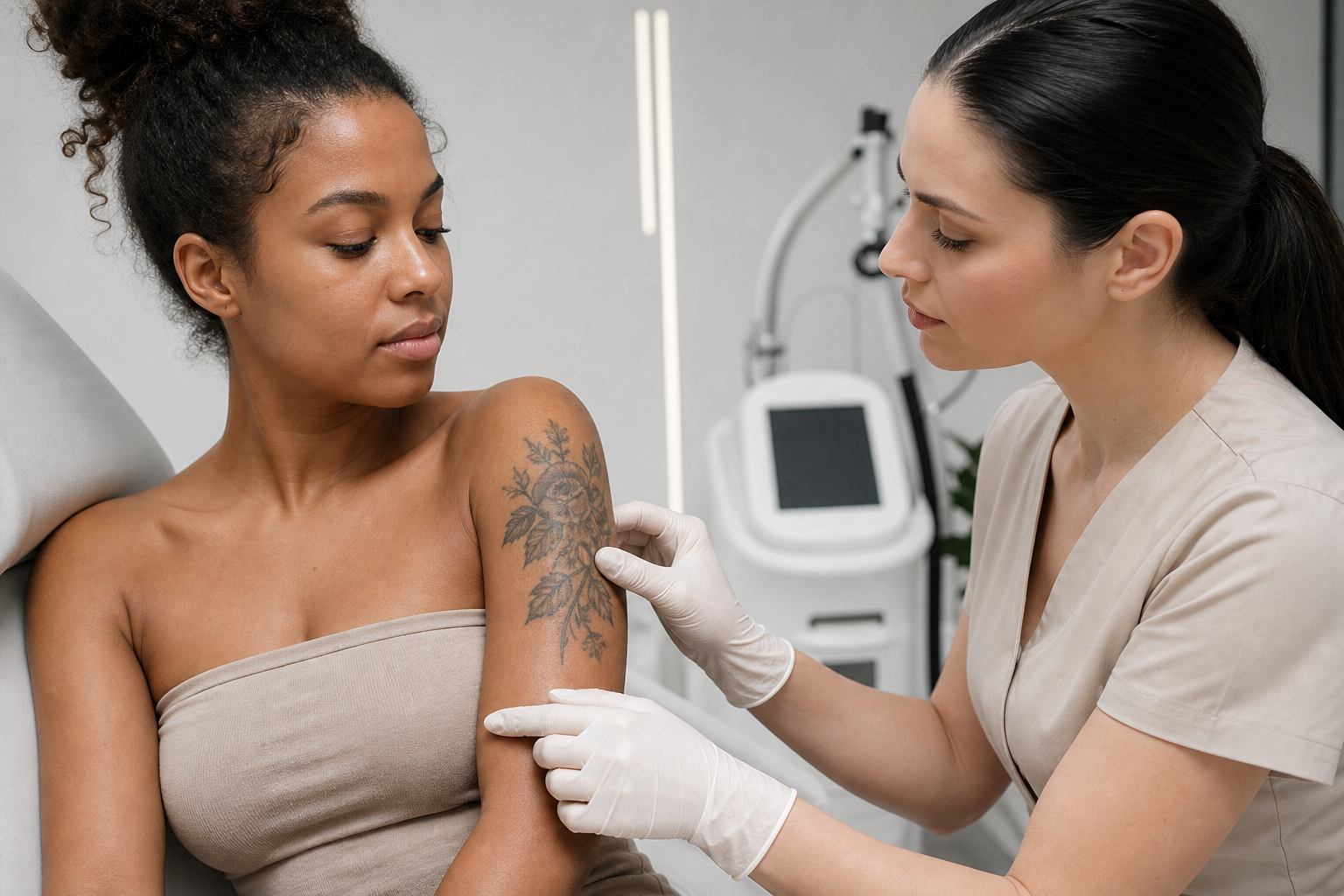
Safety is critical because inappropriate laser use can lead to adverse effects like burns, discoloration, and scarring. Skin types classified on the Fitzpatrick scale, varying pigment colors, depth of the tattoo ink, and the patient's overall health status all influence treatment outcomes. Thus, an individualized assessment prior to treatment is essential. This includes a thorough evaluation of the tattoo’s size, pigment color, ink depth, and skin condition, along with screening for any medical contraindications.
Moreover, the operator’s expertise plays a crucial role in tailoring laser parameters and monitoring treatment progress to reduce risks and enhance efficacy.
What Common Skin Reactions Occur After Laser Tattoo Removal?
Following laser tattoo removal, the treated area typically exhibits several temporary skin responses. Commonly, patients experience redness and mild swelling, signs of the skin’s natural inflammatory reaction to laser-induced microtrauma. These symptoms often subside within hours to days post-procedure.
Patients may also feel itching or a burning sensation. Some develop small blisters or crusts, which are part of the healing cascade and must be managed carefully to avoid secondary infections and permanent scarring. It is imperative not to forcibly remove any crusts or scabs, as this can disrupt healing.
Though rare, infections can arise if proper hygiene and post-treatment care instructions are not meticulously followed. Educating patients about the typical healing process and warning signs of complications is vital, emphasizing the importance of scheduled follow-up evaluations with the treating specialist to monitor recovery.
How Can Pigmentary Changes Affect the Safety and Outcome of Tattoo Removal?
Laser treatments for tattoo removal can induce pigmentary changes in the skin, notably post-inflammatory hyperpigmentation (PIH) and hypopigmentation. PIH manifests as darkened skin patches resulting from increased melanin production secondary to inflammation, whereas hypopigmentation involves a loss of melanin, resulting in lighter skin areas.
Those with darker skin tones are at a higher risk for such pigmentary shifts, especially if treated skin is exposed to ultraviolet radiation without adequate protection. While many pigment changes are transient, resolving within months, some may persist longer or become permanent if not properly managed.
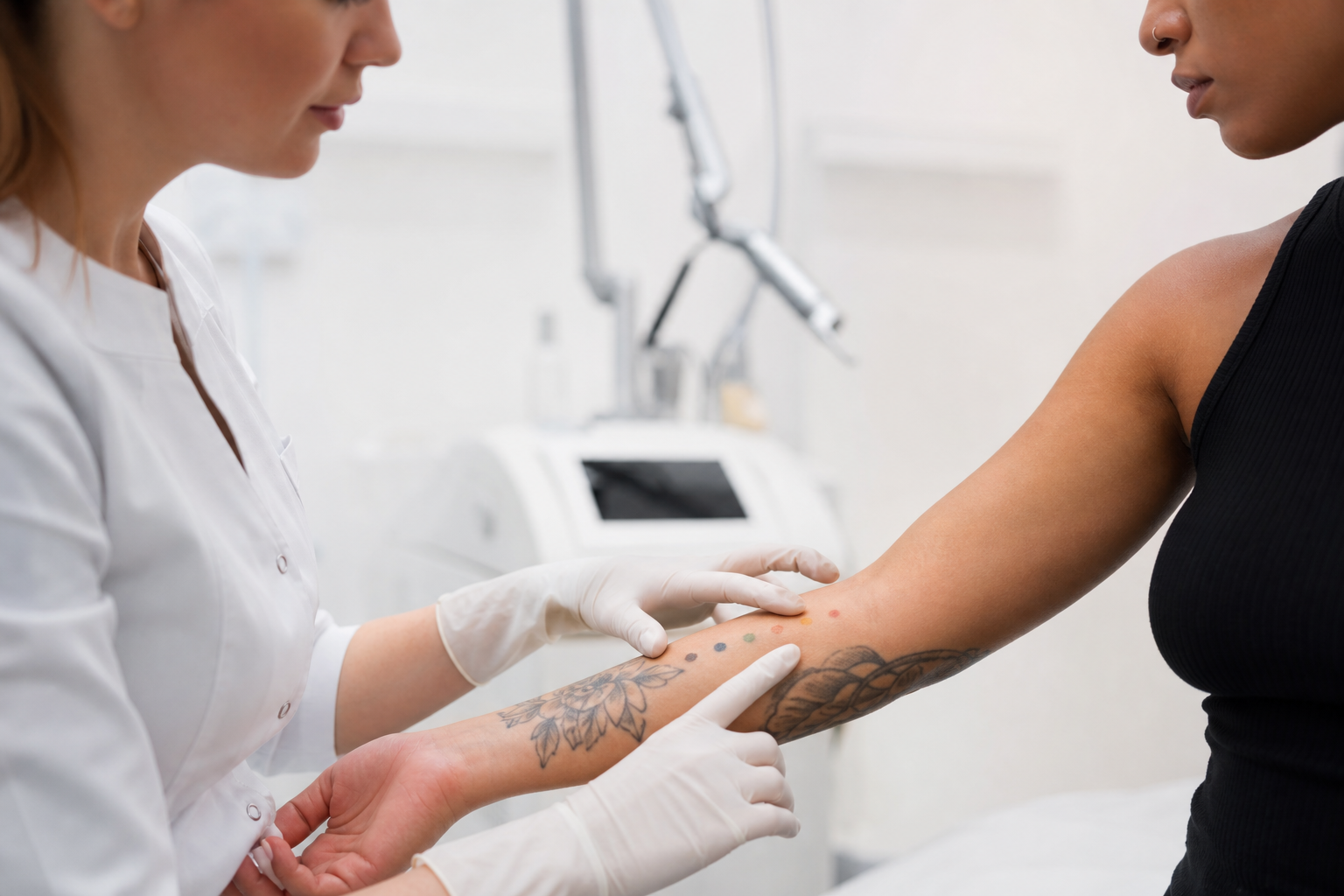
Therefore, practitioners often perform test spots before full treatment, particularly on patients with darker complexions, to gauge the skin’s response. Comprehensive patient education on sun avoidance, diligent application of broad-spectrum sunscreens, and adherence to post-treatment care can significantly reduce these risks.
What Is the Risk of Scarring and Burns in Laser Tattoo Removal?
Burns and scarring represent some of the most concerning complications associated with laser tattoo removal. These adverse outcomes mainly occur when laser energy parameters exceed the skin’s tolerance, or when the treatment is performed on improperly prepared or pre-tanned skin.
Excessive energy delivery can cause thermal damage to the dermis, leading to burns that prolong healing time and increase scarring likelihood. Conditions such as pre-existing skin sensitivities, impaired wound healing, or improper aftercare further elevate these risks.
Pre-tanned or sunburned skin absorbs more laser energy due to increased melanin, raising the risk of thermal injury. Consequently, it is advisable to avoid laser removal treatments immediately after sun exposure or during seasons with high ultraviolet levels unless strict protective measures are enforced.
Professional practitioners follow standardized dermatological protocols that emphasize skin assessment, conservative initial laser settings, and a cautious treatment progression to minimize burn and scar formation.
Why Does the Experience of the Practitioner Influence Treatment Safety?
The knowledge, training, and clinical experience of the practitioner directly impact both the safety and efficacy of laser tattoo removal. Skilled specialists understand the nuanced interplay of laser parameters, skin biology, and tattoo characteristics. They can accurately determine optimal laser wavelength choices, energy settings, and session intervals tailored to each case.
Conversely, novice operators may misjudge treatment intensity or fail to recognize contraindications, increasing complication risks. Experienced clinicians also are adept at promptly identifying and managing adverse reactions, thus safeguarding patient wellbeing.
Medical expertise extends beyond technical proficiency to encompass patient selection, pre-treatment counseling, and post-procedure monitoring—components integral to a safe removal journey.
How Does Tanned Skin Affect the Safety of Laser Tattoo Removal?
Tanned skin contains elevated melanin levels serving as a natural sunscreen but also increases laser energy absorption, which complicates tattoo removal. This heightened absorption can lead to overheating of the skin, manifesting in unexpected burns or pigmentary disturbances.
As a result, clinicians often advise scheduling treatments when the skin has returned to its baseline hue to optimize safety. If treatment must proceed on tanned skin, patch testing, reduced laser fluence, and close monitoring become indispensable strategies to mitigate risk.
This cautious approach ensures that laser tattoo removal remains a viable option while safeguarding skin integrity.
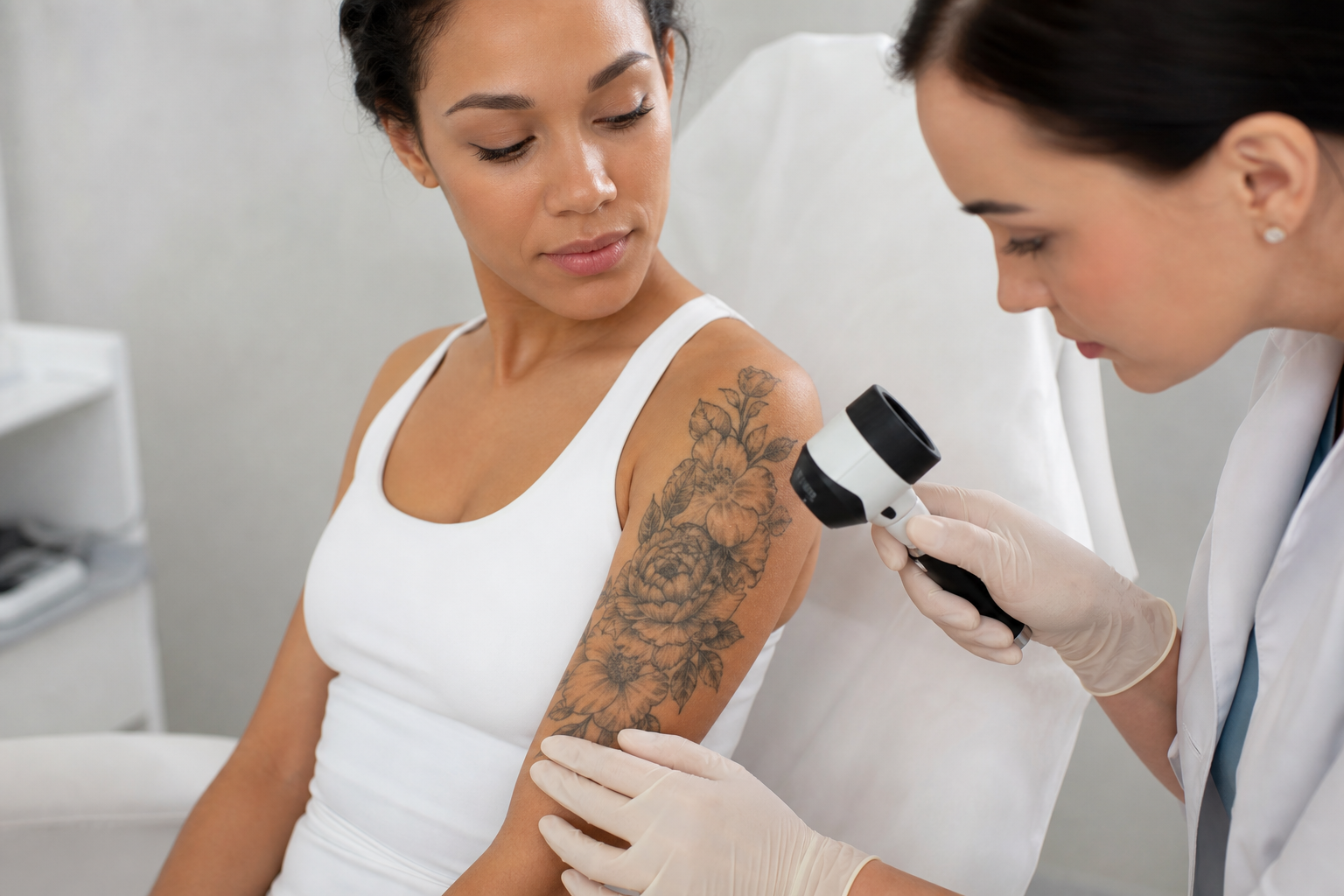
When Should a Dermatologist Examine a Tattoo Before Removal?
Before commencing laser removal, any tattoo exhibiting atypical physical features—such as irregular borders, unexpected color changes, bleeding, ulceration, or rapid size variations—should be evaluated by a dermatologist. Such signs may indicate underlying pathological conditions, including malignancies, that contraindicate laser treatment.
A dermatologist’s comprehensive assessment allows exclusion of suspicious lesions and ensures safe proceeding only when no skin cancers or other abnormalities are detected. This step is especially important since laser treatment can mask or obscure diagnostic features if applied prematurely.
Dermatological referral also benefits patients with histories of skin disorders or previous adverse reactions, supporting tailored treatment plans that optimize safety and results.
What Are Realistic Expectations and Why Is Individual Assessment Crucial?
Understanding that laser tattoo removal is a gradual process requiring multiple sessions over months is fundamental to forming realistic expectations. The number of treatments depends on tattoo size, ink colors, pigment depth, and the patient’s skin type and healing response.
Complete eradication without residual pigment or scarring cannot always be guaranteed, so patients should be counseled accordingly. Individualized evaluation by a qualified specialist, including clinical examination and medical history review, informs the feasibility and anticipated outcomes of laser removal.
Such personalized assessments also identify contraindications and highlight necessary precautions, ensuring treatment choices align with patient safety and satisfaction.