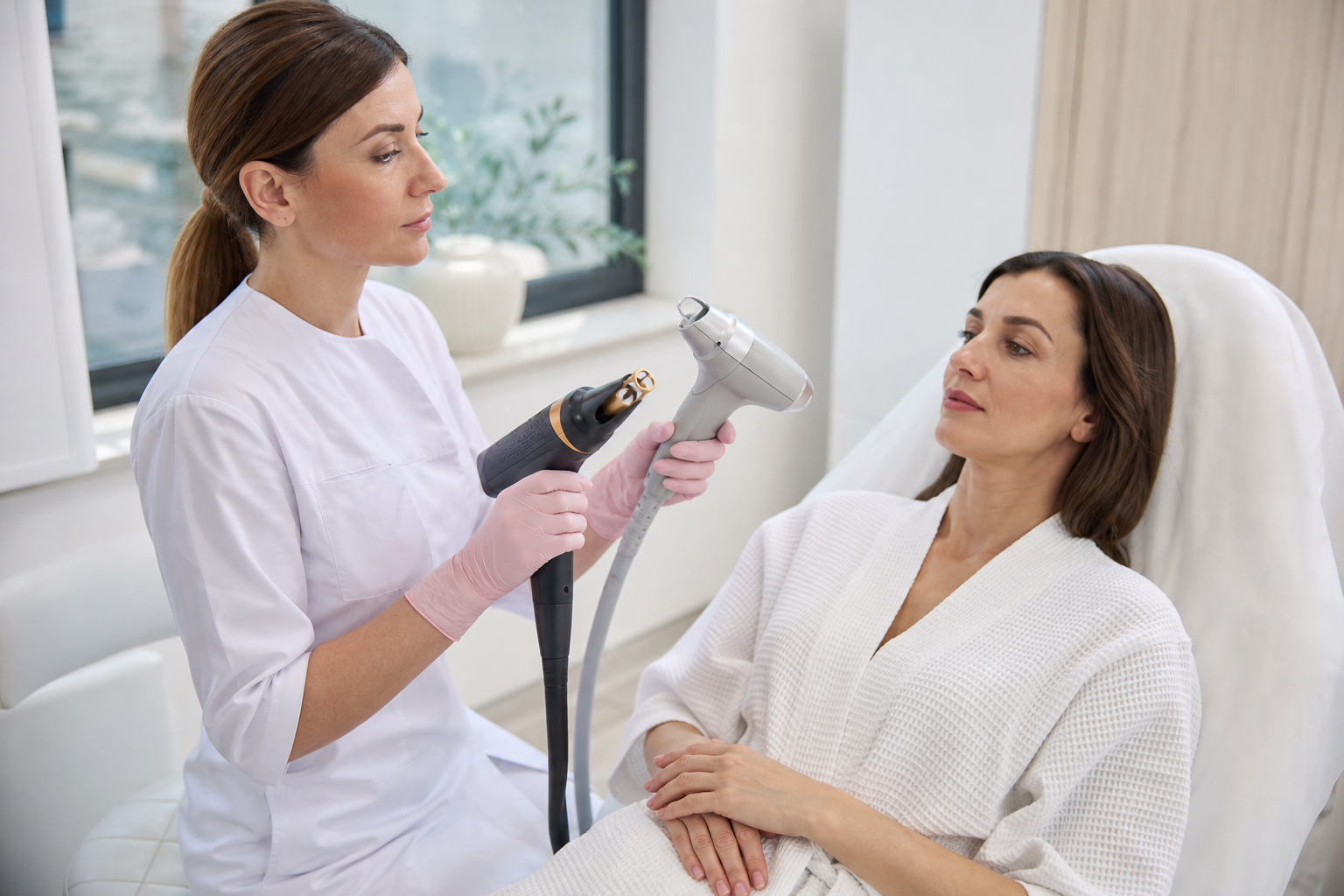
Laser treatment for capillaries represents a significant advancement in dermatological care, offering targeted solutions for individuals troubled by visible blood vessels on their skin. These capillaries, commonly appearing as fine red lines or clusters on the face and legs, can affect one’s complexion and confidence. Understanding what to expect from such laser procedures is essential for patients considering this option, as the experience and outcomes are influenced by numerous factors including the chosen device, treatment parameters, the skin area targeted, and the practitioner’s expertise.
Unlike general skin treatments or home remedies that claim rapid results, laser intervention for capillaries requires a nuanced approach grounded in medical practice. It is designed to safely and effectively reduce the appearance of visible vessels and redness, helping restore a clearer and more even skin tone. This article serves to demystify the procedure, offering a comprehensive overview that caters to individuals seeking vascular laser treatment and those curious about the intricate details of preparation, procedural experience, and recovery processes.
For readers, whether they are newly exploring treatment options for facial redness, persistent capillaries, or spider veins, this guide provides a balanced, informed perspective rooted in trusted dermatological insights. Emphasizing realistic expectations over fixed recovery timelines, it clarifies the interplay between advanced laser technologies and skin reactions, supporting a well-rounded understanding essential for decision-making.
What Exactly Is Laser Treatment for Capillaries, and How Does It Work?
Laser treatment for capillaries is a specialized vascular procedure utilizing focused beams of light to target and diminish the appearance of superficial blood vessels. The principle rests on selective photothermolysis, where the laser’s wavelength specifically absorbs into the blood vessels without harming surrounding skin tissue. This targeted heat coagulates the affected vessel, causing it to collapse and gradually be absorbed by the body, while leaving adjacent skin unaffected.
The technology encompasses a variety of laser types and parameters, each calibrated to different skin types, vessel sizes, and treatment zones. Commonly used devices include pulsed dye lasers (PDL), Nd:YAG lasers, and intense pulsed light (IPL) systems—each offering distinct benefits and considerations based on the patient's condition. The precision and control offered by modern vascular lasers have revolutionized the management of capillary-related concerns, enabling safer, more effective treatments compared to older methods such as electrocautery or sclerotherapy.
Laser treatment is typically suited for individuals experiencing visible capillaries on the face, especially the cheeks, nose, and chin, as well as those with telangiectasia—small dilated blood vessels near the surface of the skin. It may also address redness associated with conditions like rosacea or post-inflammatory erythema. However, candidacy depends on several factors, including skin tone, vessel characteristics, overall skin health, and any coexisting medical conditions.
How to Prepare for Vascular Laser Treatment to Ensure Optimal Results
Preparation plays a vital role in maximizing the efficacy of laser treatment for capillaries and minimizing potential side effects. Prior to the procedure, patients should undergo a thorough consultation with a qualified dermatologist or laser specialist who will assess the skin condition, capillary distribution, and medical history to tailor the treatment plan accordingly.
Key preparatory steps include avoiding sun exposure and tanning beds for several weeks before treatment, as excessive pigmentation can increase the risk of adverse effects such as hyperpigmentation or blistering. Patients are usually advised to discontinue topical agents that increase photosensitivity, such as retinoids or certain acids, to reduce skin sensitivity.
During the consultation, the practitioner may also recommend avoiding blood-thinning medications or supplements that can elevate bruising risk, provided this is medically safe. Hydrating the skin well in the days leading up to the session can also improve healing dynamics. It is important to discuss any medications, allergies, or previous skin reactions to ensure safety and customize device settings for optimal tissue interaction.
Lastly, patients should plan for post-treatment care by securing soothing skincare products recommended by their provider and allocating downtime if necessary. Setting realistic expectations about possible transient redness, swelling, or bruising will aid psychological preparation for the healing journey.
What Happens During the Laser Procedure for Visible Capillaries?
The procedure begins with cleansing the treatment area to remove oils, makeup, or impurities that might interfere with laser efficacy. Some practitioners apply a topical anesthetic or cooling gel to enhance comfort, especially when treating sensitive facial zones.
During the session, the laser device is calibrated to specific parameters such as wavelength, pulse duration, and energy fluence based on the patient’s skin type and vascular features. The practitioner then directs the laser pulses toward the targeted capillaries. Patients may feel sensations ranging from mild tingling to a snapping feeling akin to a rubber band against the skin.
Treatment durations vary depending on the size of the area and the vessel burden but typically last from a few minutes up to half an hour. More extensive or layered treatments may require multiple sessions spaced several weeks apart to achieve desirable results without compromising skin integrity.
Throughout the procedure, specialized cooling mechanisms often accompany laser delivery to protect the outer skin layers from thermal damage and increase patient comfort. The operator continuously monitors skin responses, adjusting settings as necessary to balance effectiveness with safety.
What Can Patients Expect Immediately After Laser Capillary Removal?
Post-treatment skin reactions are a natural and expected part of the vascular laser healing process. Most patients experience redness at the treated sites, which may resemble a mild sunburn and typically subsides within hours to a few days, though timelines can vary. This initial erythema signals increased blood flow as part of the body's repair response.
Swelling is also common, particularly when treating delicate facial areas, and often peaks within the first 24 to 48 hours before gradually diminishing. In some cases, small pinpoint bleeding or bruising may occur due to vessel rupture, resulting in transient darkening of the treated capillaries, a phenomenon sometimes described as purpura.
In rare instances, blistering or scabbing can develop, indicating a more intense inflammatory response. Proper adherence to post-care instructions helps mitigate these reactions and promotes smoother recovery. Patients should avoid direct sun exposure, apply gentle moisturizers, and refrain from picking at any crusts or peeling skin to decrease the risk of scarring or infection.
How Long Does Recovery Take, and When Will Visible Improvements Appear?
The duration of recovery following laser capillary treatment is highly individualized. Factors influencing healing include the laser type used, treatment intensity, skin type, and the specific area addressed. Generally, superficial redness and swelling resolve within several days, but residual bruising or darkened vessels may persist for a week or longer.
Visible improvements typically become noticeable over several weeks as the body absorbs the damaged vessels and repairs the skin. Multiple treatment sessions are often necessary to achieve optimal reduction in capillary visibility, often spaced 4 to 6 weeks apart to allow adequate healing and vessel clearance.
While many patients observe a significant decrease in redness and vessel prominence after the first session, the cumulative effect of multiple treatments provides the most lasting and aesthetically pleasing results. Patience and consistency are key, as the gradual remodeling processes inherent in vascular laser therapy unfold over time rather than instantaneously.
Are There Risks or Side Effects Associated with Laser Treatment for Capillaries?
Like all medical procedures, laser treatment carries potential risks, though serious adverse events are uncommon when performed by skilled practitioners under appropriate conditions. The most frequent side effects include transient redness, swelling, mild discomfort, and bruising as previously described.
Less common risks involve hyperpigmentation or hypopigmentation—changes in skin color at the treatment site—particularly in individuals with darker skin tones or who do not adhere to sun protection recommendations. Scarring and infection are rare but possible complications, underscoring the importance of professional expertise and proper aftercare.
Patients with certain health conditions such as active skin infections, photosensitive disorders, or those taking photosensitizing medications may be contraindicated for laser vascular treatment. Open communication with the healthcare provider about medical history and skin concerns is essential to mitigate risks and select the most appropriate treatment plan.
Comparing Laser Options: Which Devices Are Most Effective for Capillary Removal?
The variety of laser devices available for vascular treatment allows tailoring therapy to specific patient needs. Pulsed dye lasers (PDL) operate at wavelengths ideal for absorbing oxyhemoglobin in blood, making them highly effective for superficial capillaries and redness, with well-documented safety profiles.
Nd:YAG lasers reach deeper vessels due to their longer wavelength and are preferred for thicker or more extensive veins, such as those found on the legs. Their capacity to penetrate deeper layers makes them versatile but requires experienced hands to prevent unwanted tissue damage.
Intense pulsed light (IPL) devices use a broad spectrum of light wavelengths filtered to target blood vessels and pigmentation. IPL treatments often encompass larger areas and offer quicker sessions but may require more repetitions than single-wavelength lasers to achieve comparable results.
Choosing the proper device depends on the patient's skin type, capillary size, location, and the desired treatment outcomes. The practitioner’s familiarity with each technology and ability to customize parameters is critical for maximizing results while minimizing discomfort and risks.
Addressing Common Questions About Pain, Session Duration, and Post-Treatment Experience
A frequent patient concern involves the degree of discomfort during laser capillary removal. Most report sensations analogous to mild stinging or the snap of a rubber band against the skin. Use of topical anesthetics or cooling devices usually makes the procedure well-tolerated, and discomfort is brief, lasting only during laser application.
Session length varies based on the treatment area size and capillary density but commonly lasts between 10 to 30 minutes, providing a convenient option compatible with a busy schedule. Patients often resume normal activities immediately afterward, although they should plan for possible mild redness or swelling that may benefit from temporary downtime.
Education on post-treatment care is essential to reduce redness duration, swelling, and bruising. Avoiding sun exposure, applying gentle emollients, and following the practitioner’s recommendations help promote optimal recovery and satisfaction with results.
Who Should Consider Laser Treatment for Visible Vessels and Redness?
Individuals troubled by the aesthetic impact of broken capillaries, facial redness, spider veins, or conditions such as rosacea may find laser vascular treatments beneficial. Those seeking a non-invasive alternative to surgical or invasive techniques often appreciate the safety and precision of laser therapy.
However, candidates should have realistic expectations that laser treatment improves the appearance of capillaries but may not permanently eliminate underlying susceptibility. Maintenance treatments might be necessary to sustain results, especially in cases linked to chronic skin conditions or genetic predisposition.
Consultation with a qualified specialist is crucial to determine suitability, customize the approach, and discuss alternative or complementary therapies when appropriate. This individualized approach ensures patients receive care aligned with their skin health goals and lifestyle considerations.


