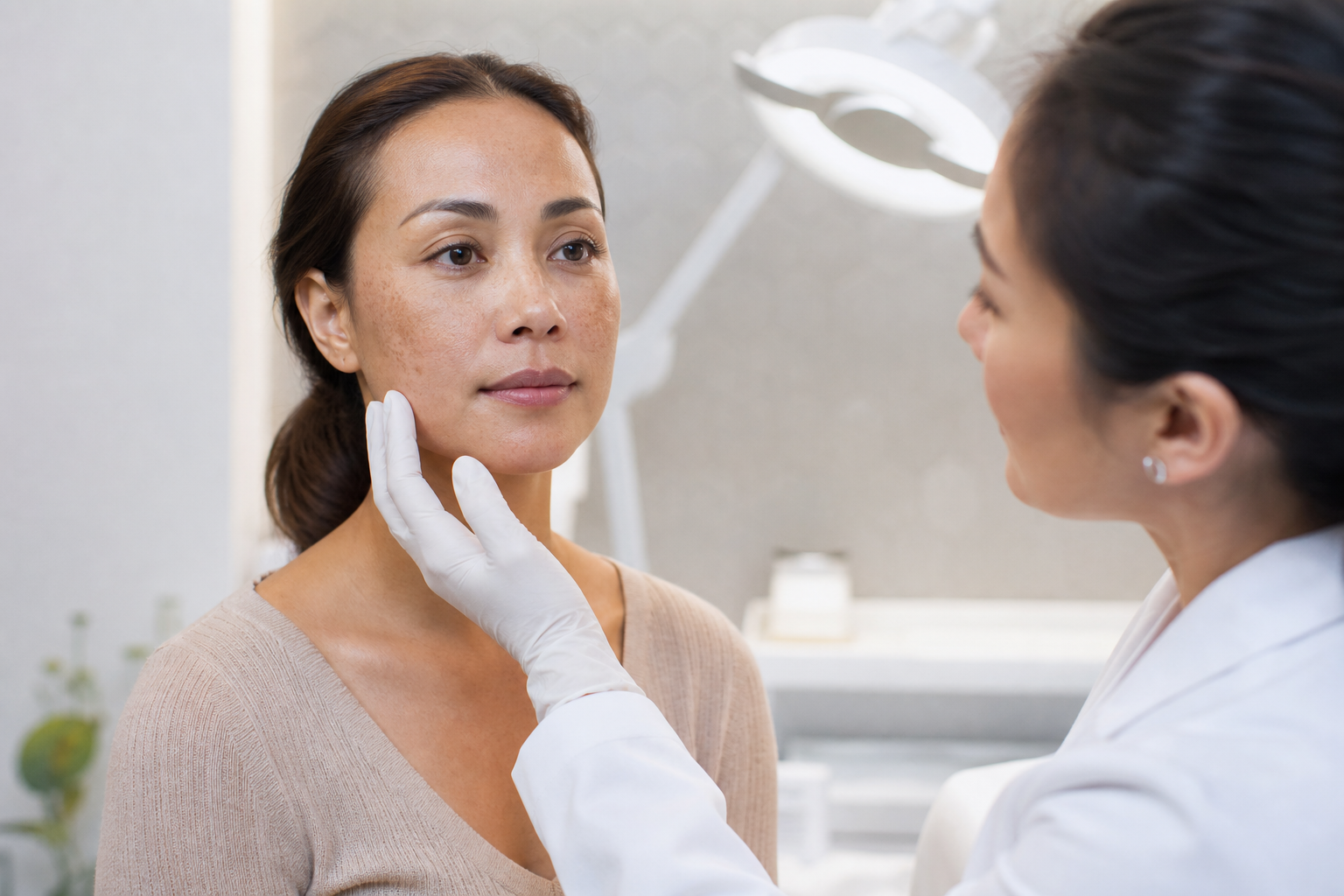
Melasma is a common and often frustrating skin condition characterized by persistent dark patches, primarily on the face. Despite the availability of various treatments, many individuals afflicted with melasma seek a definitive and permanent solution. One such frequently considered option is laser therapy. Inquiring whether laser treatments can permanently remove melasma is not just natural but essential for those looking to manage this condition effectively.
This article addresses the question "Can Laser Permanently Remove Melasma?" by examining the scientific evidence, treatment intricacies, potential risks, and practical considerations. It is written for patients exploring treatment options and clinicians seeking to better understand and communicate realistic expectations for laser interventions in melasma management.
Melasma's stubborn nature and recalcitrant tendency make it a uniquely challenging pigmentary disorder. Understanding the capabilities and limitations of laser treatments within a comprehensive therapeutic approach is crucial. This article emphasizes a medically cautious view, highlighting the importance of individualized assessment, combined therapies, and rigorous photoprotection rather than promises of a permanent cure.
What Is Melasma and Why Is It So Difficult to Treat Permanently?
Melasma is a type of hyperpigmentation resulting from the overproduction and abnormal distribution of melanin by melanocytes in the skin. It appears as irregularly shaped brown to gray-brown patches, most commonly on sun-exposed facial areas like the cheeks, forehead, upper lip, and chin.
Unlike other pigmentary conditions, melasma is often symmetrical and tends to recur despite treatments. Its pathogenesis is multifactorial: genetic predisposition, hormonal factors such as pregnancy or oral contraceptive use, ultraviolet (UV) and infrared radiation exposure, and even visible light contribute to its development and persistence.
This complex etiology contributes to its chronic and recurrent behavior, making complete and permanent eradication challenging. The interaction of intrinsic factors (like hormones) and extrinsic triggers (like sun exposure) means treatment must be ongoing and multifaceted, rather than relying on a single modality.
How Do Laser Treatments Work on Melasma?
Laser therapies target melasma by delivering specific wavelengths of light energy to the pigments in the skin. The principle is to break down the excess melanin granules within the epidermis and dermis into smaller fragments, which the body can then naturally remove through immune-mediated processes.
Several types of lasers have been utilized for melasma, including Q-switched lasers, picosecond lasers, and fractional nonablative lasers. These vary in their modes of action, penetration depths, and safety profiles. Technologies like laser toning – which involves repeated sessions using low-fluence, multiple-pass laser delivery – aim to gently reduce pigmentation while minimizing skin damage.
Laser treatments can accelerate pigment clearance and improve skin texture and tone. However, it is critical to note that lasers do not alter the underlying triggers or melanocyte dysfunction responsible for melasma, which explains why effects may be temporary without additional interventions.
What Does Current Evidence Say About the Permanence of Laser Treatment Outcomes?
Clinical studies and dermatological expertise consistently demonstrate that while lasers can yield significant short-term improvement in melasma's appearance, they do not provide a guaranteed permanent cure. Melasma’s natural propensity to relapse means pigmentation commonly returns over time, especially if preventive measures are not maintained.
Some research, including insights from the article Picosecond Lasers and Melasma: What Does Current Evidence Show?, indicates that newer laser technologies may offer safer and more effective reduction in melasma pigmentation with fewer side effects. Nonetheless, recurrence rates remain notable, emphasizing that laser therapy is best viewed as part of a comprehensive, long-term management strategy.
Moreover, the risk of postinflammatory hyperpigmentation (PIH) or paradoxical worsening after laser treatment can complicate outcomes, particularly in patients with darker skin phototypes. This further underscores that laser is not an infallible permanent solution.
What Are the Risks and Complications Associated with Laser Treatment for Melasma?
Laser interventions for melasma carry several potential risks that must be weighed against their benefits.
Postinflammatory Hyperpigmentation (PIH): A common complication, especially in Fitzpatrick skin types IV-VI, where laser-induced inflammation stimulates melanocytes to produce more melanin, paradoxically deepening pigmentation.
Worsening or Recurrence of Melasma: Laser energy can sometimes trigger melanocyte overstimulation or dermal inflammation, leading to onset of new pigment spots or intensification of existing melasma.
Skin Irritation and Damage: Inappropriate laser parameters or operator inexperience can cause erythema, edema, blistering, and scarring.
Given these risks, laser treatments must be conducted by qualified dermatology professionals experienced in pigmentary disorders. Pre-treatment evaluation and cautious adjustment of laser settings tailored to individual skin type and melasma characteristics are vital to minimize adverse outcomes.
Why Is Individual Assessment Crucial Before Undergoing Laser Therapy?
No two cases of melasma are identical. Individuals vary in skin phototype, melasma depth (epidermal, dermal, or mixed), degree of pigmentation, hormonal milieu, sun exposure habits, and history of prior treatments. These factors influence treatment response and risk profile.
Thorough patient evaluation including Wood's lamp examination, medical and hormonal history, and assessment of prior therapies helps clinicians tailor the choice of laser type, intensity, and treatment schedule most appropriate for the patient. It can also guide the integration of laser with topical agents and photoprotection plans.
Without careful assessment, there is a higher risk of suboptimal results and complications like PIH or rebound melasma. Individual evaluation allows for realistic expectation setting and design of comprehensive, personalized care plans.
How Does Combining Laser with Other Therapies Enhance Melasma Management?
Laser treatment is seldom a standalone solution for melasma. Combining laser therapy with topical agents and lifestyle modifications produces more durable results.
Topical treatments, including hydroquinone, azelaic acid, kojic acid, retinoids, and corticosteroids, reduce melanin synthesis and inflammation. Concurrent use with laser sessions can amplify pigment reduction and prolong remission.
Strict photoprotection—daily high broad-spectrum sunscreens, physical barriers like hats and sunglasses, and avoiding peak UV hours—is indispensable. Considering that UV and visible light can photosensitize melanocytes and promote melasma, this step cannot be overstated.
Moreover, addressing hormonal influences, such as adjusting contraceptive use or treating thyroid dysfunction, can mitigate melasma triggers. This multifaceted approach aligns with expert guidance, including insights from Combining Laser and Topical Therapy for Melasma and How Hormones, Heat and Sun Exposure Contribute to Melasma Recurrence articles.
What Can Patients Reasonably Expect from Laser Treatment for Melasma?
Patients undergoing laser therapy can expect noticeable improvement in facial skin tone and a reduction in pigmentation intensity following multiple treatment sessions. The process is gradual; most protocols recommend several treatments spaced weeks apart to minimize side effects and allow skin recovery.
Although initial results may be encouraging, melasma typically requires ongoing maintenance therapy given its chronicity. Post-procedure redness or mild peeling is common but transient.
Long-term remission is possible when laser is integrated into a holistic regimen including topical agents and photoprotection, but patients should be counseled that complete, permanent eradication remains elusive.
Frequently Asked Questions about Laser Treatment for Melasma
1. Is laser the best treatment for melasma?
Laser is one effective option among several; its suitability depends on individual patient factors and disease characteristics. It is normally combined with other therapies for best results.
2. Can laser make melasma worse?
Yes, improper laser use or inappropriate patient selection can lead to PIH or aggravate melasma. Expert evaluation is essential.
3. How many laser sessions are typically needed?
The number varies, commonly 4–8 sessions spaced 2–4 weeks apart, depending on laser type and patient response.
4. Are there safer laser types for melasma?
Low-fluence Q-switched and picosecond lasers, as well as fractional nonablative lasers, have shown relatively safer profiles but no laser is risk-free.
5. Is strict sun protection necessary after laser treatment?
Absolutely. UV protection is critical to prevent recurrence and avoid treatment-related complications.


