Self-tanning has risen in popularity as a preferred alternative to sunbathing, offering a radiant, bronzed appearance without the harmful exposure to ultraviolet rays. For many, this cosmetic routine enhances confidence and complements personal style. Yet, for individuals who bear scars—whether from surgery, injury, acne, or other skin conditions—the act of self-tanning introduces complexities that differ from typical use. Scars, due to their unique texture, pigmentation, and healing characteristics, respond distinctively to self-tanning products, which can affect the uniformity and aesthetic of the tan.
This article offers an authoritative and detailed exploration of how self-tanner looks over scars, addressing the expectations, limitations, and safety considerations for those considering this procedure. It targets individuals with varying kinds of scars who seek a more consistent skin tone, as well as healthcare and beauty professionals looking for realistic and evidence-based insights to guide recommendations.
Understanding the interplay between scar tissue and self-tanning products is essential for achieving satisfying cosmetic outcomes. Equally important is acknowledging the inherent limitations of spray tans or lotions—they are cosmetic enhancers, not medical treatments or permanent concealment solutions. Navigating this terrain with clarity helps users make informed decisions and fosters realistic expectations.
What Are Scars and How Do They Influence Self-Tanning?
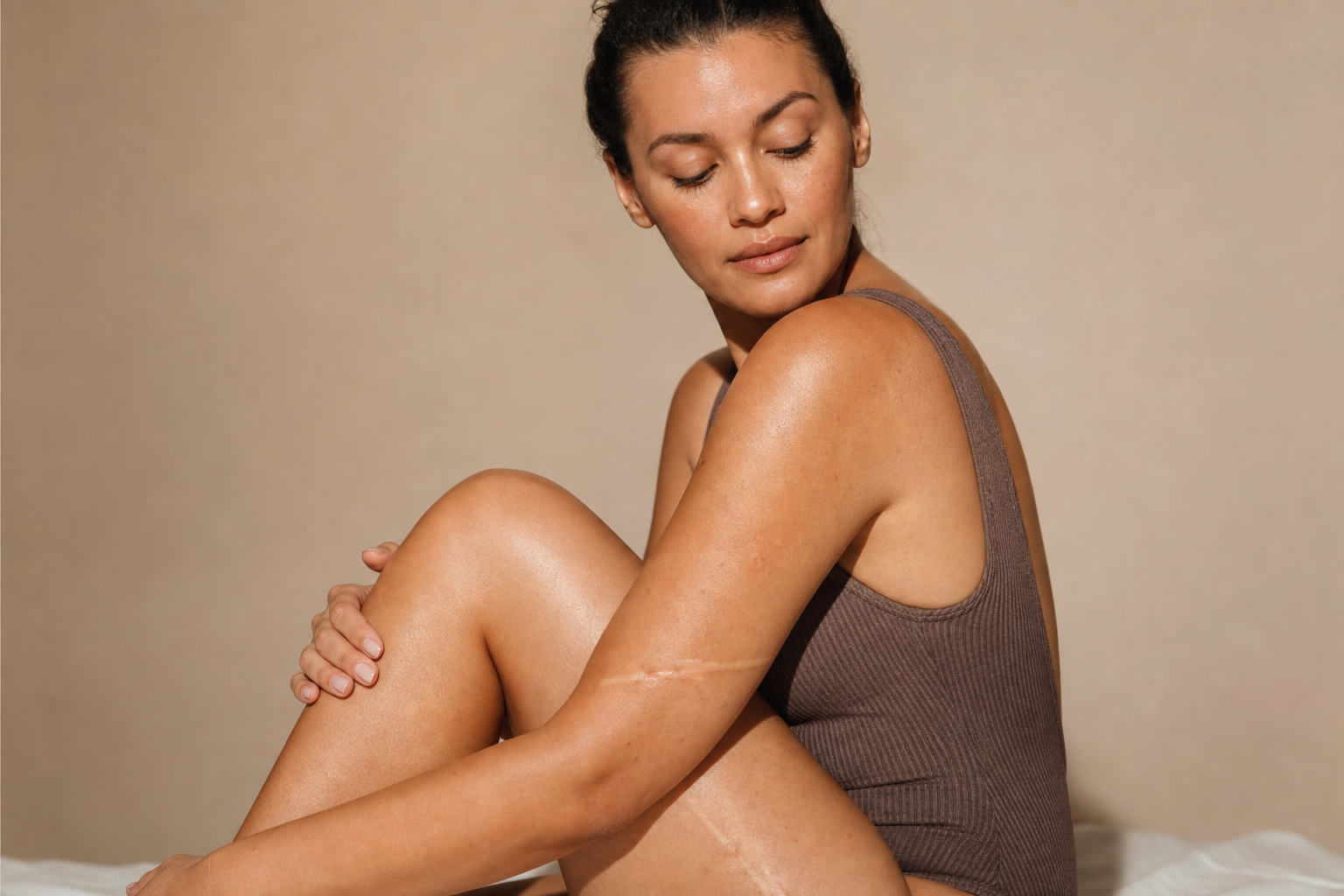
Scars are the skin’s natural response to injury, reflecting the complex healing processes after trauma such as cuts, surgical incisions, burns, acne, or certain dermatological procedures. Their physical qualities—color, thickness, and texture—often diverge significantly from the surrounding skin. For instance, scars can be hypopigmented (lighter than the adjacent skin), hyperpigmented (darker), raised, indented, or have a firm surface.
The active ingredient in most self-tanning products, dihydroxyacetone (DHA), reacts with amino acids in dead skin cells in the outermost layer, the stratum corneum, producing a darkened pigment known as melanoidin. However, scar tissue frequently has altered cell composition and turnover rates. The stratum corneum over scars may be thinner or irregular, and pigmentation changes intrinsic to scars mean DHA application will not uniformly darken these areas as it does healthy skin.
This biological discrepancy often results in noticeable color variations after self-tanning: scars may appear lighter, darker, or more pronounced depending on their characteristics. Raised scars, such as hypertrophic or keloid scars, can hinder even application, while atrophic scars like those from acne might accumulate tan unevenly in indentations. Therefore, recognizing these variations is crucial before applying any self-tanner to ensure expectations remain grounded.
Who Benefits Most from Self-Tanning Over Scarred Skin?
Individuals with scars who wish to visually reduce the contrast between their scars and the surrounding skin can find self-tanning a useful cosmetic tool. This includes those dealing with post-acne scarring, postoperative scars, stretch marks, or scars resulting from chronic skin conditions. While self-tanning will not eradicate scars, it can soften their appearance by delivering a more uniform coloration.
Nevertheless, self-tanning may not be advisable for everyone. People with active skin infections, inflamed or open wounds, or highly sensitive or compromised skin should seek professional dermatological advice prior to attempting self-tanning. Proper medical consultation mitigates the risk of irritation, allergic reactions, or interference with wound healing.
For others, with well-healed scars and stable skin, self-tanning—when applied thoughtfully—can enhance self-esteem by camouflaging discolorations, contributing to the perception of smoother and more consistent skin tone. They are ideal candidates for investigating both professional spray tan services and at-home gradual tanner formulations suited to their skin’s needs.
What Results Can You Expect When Applying Self-Tanner Over Scars?
The cosmetic outcomes of self-tanning over scars are nuanced and depend on factors such as scar type, product formulation, skin type, and application method. Potential results include mild to moderate visual blending of discoloration and a more harmonious overall tone.
It is common for hypopigmented scars to remain lighter, as DHA requires neutral or existing pigment to develop a tan, and scar tissue may lack the structure to produce an even color change. Conversely, hyperpigmented scars can deepen in color, occasionally increasing their visibility.
Textural differences introduce additional variances. Raised scars might resist the smooth absorption of tanners, leading to patchiness or accentuated edges. Indented scars may pool excess product, creating darker spots. Furthermore, since self-tanners fade as the skin naturally exfoliates over several days, maintenance involves regular reapplication, especially in scarred areas where color retention may vary.
While self-tanning can enhance the appearance of scars by lessening stark contrast, it does not erase or permanently disguise their presence. Users should embrace realistic expectations—that the procedure is an aesthetic adjunct and not a corrective treatment.
Which Self-Tanning Products Are Suitable for Skin with Scars?
Selecting the appropriate self-tanning product is paramount for individuals with scars. Options range from professional spray tans to self-applied lotions and gradual tanners, each presenting unique advantages and considerations.
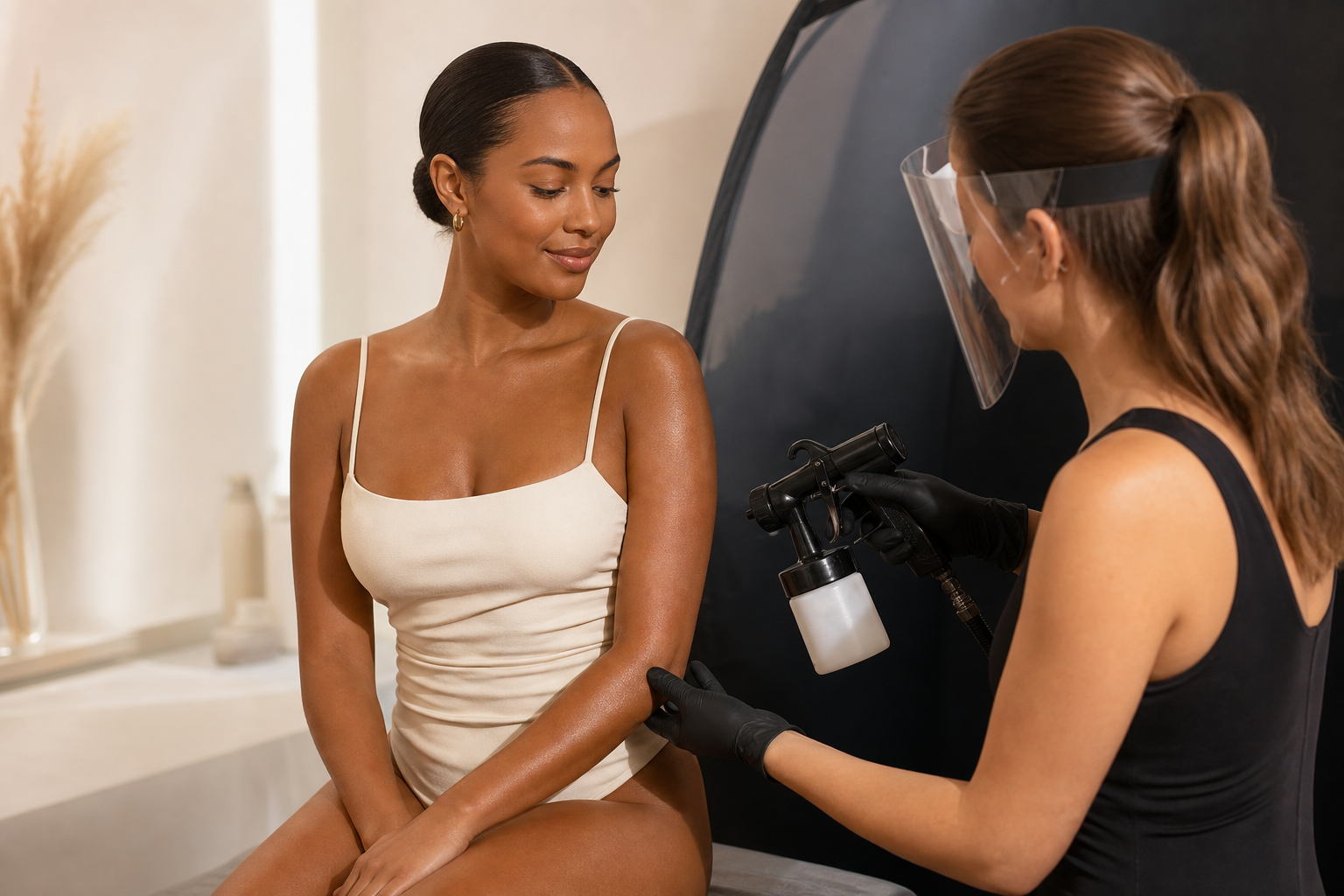
Professional Spray Tans: Administered by trained technicians, spray tans permit precision targeting, allowing subtlety when applying product near scars. Professionals can tailor the application to avoid heavy deposition on raised or sensitive areas, promoting a more balanced appearance. However, such treatments should only be performed by qualified personnel who understand scar variations and the skin’s condition.
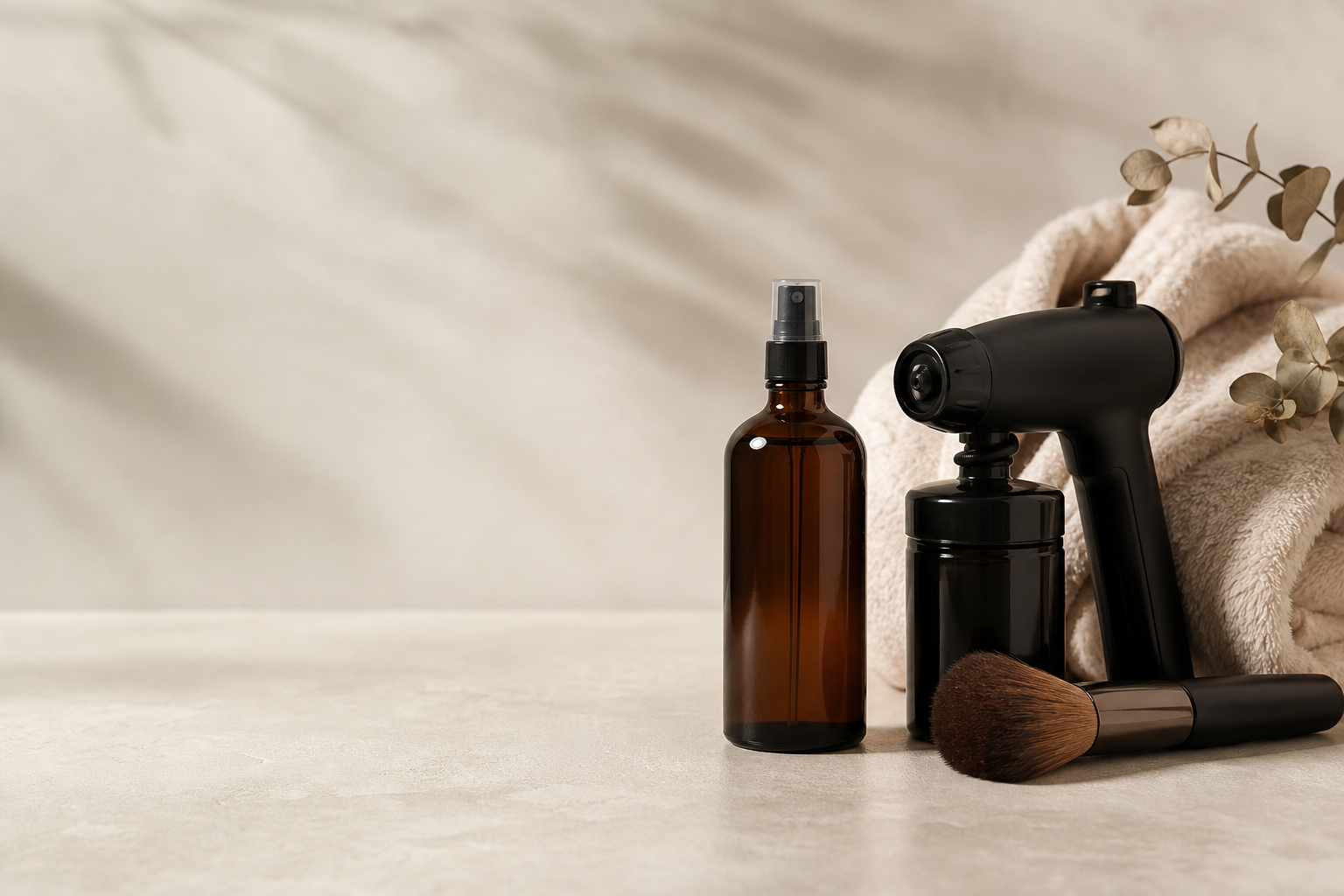
At-Home Lotions and Gradual Tanners: These products offer controlled build-up of color over time, enabling users to modulate shade intensity and correct outcomes incrementally. Selecting formulations designed for sensitive or delicate skin can mitigate irritation risks. Hydrating ingredients contribute to a smoother finish and may assist in more even application over uneven scar surfaces.
Specialized Formulations: Some brands develop lines aimed expressly at sensitive or problem-prone skin, incorporating lower DHA concentrations and additional moisturizers to support skin health during tanning. While marketing might imply superior scar camouflaging effects, it is essential to differentiate between scientific evidence and promotional claims.
Ultimately, patch testing products before full application is a prudent step. Consulting skin care professionals ensures product choice aligns with individual skin needs and cosmetic goals.
How to Use Self-Tanner on Scarred Skin Safely and Effectively?
Safety and technique are critical when self-tanning over scars to prevent irritation and achieve the best visual effect. Key recommendations include:
1. Assess Skin and Scar Condition: Only apply self-tanners on fully healed, non-irritated skin. Avoid application on open wounds or inflamed scars.
2. Perform Patch Tests: Test a small area to detect any adverse reactions before widespread use.
3. Prepare Skin Carefully: Gently exfoliate surrounding areas while leaving scars unharmed, and moisturize to enhance product adherence.
4. Apply Product Moderately: Use minimal product on scarred regions, layering gradually if needed to avoid oversized color concentration or patchiness.
5. Maintain Skin Hydration: Hydrated skin supports more even tanning results and comfort.
6. Protect From Sun Exposure: Remember that self-tanners do not provide UV protection. Consistent use of broad-spectrum sunscreen SPF 30+ is necessary to protect both normal and scarred skin areas.
Moreover, individuals should avoid DIY spray tanning devices or unsupervised professional treatments to reduce potential harm. Education on specific product instructions and scar care is integral to safe practice.
When Should Self-Tanning Over Scars Be Avoided or Postponed?
Certain circumstances warrant deferral or avoidance of self-tanning to prioritize skin health and healing:
Recent or Healing Scars: Newly formed scars or those with active redness and inflammation require time to heal before any cosmetic intervention to prevent aggravation.
Known Allergies or Sensitivities: Those prone to skin allergies or with conditions like eczema or psoriasis near scars should proceed cautiously and consult dermatologists to avoid flare-ups.
Unpredictable Skin Reactions: First-time users or those uncertain about product tolerance should delay extensive self-tanning until allergy assessment is complete.
Unqualified Professional Services: Avoid treatments performed by personnel lacking training in managing scarred skin to minimize risks of uneven application or skin damage.
What Can You Expect After Self-Tanning Over Scars and How to Maintain Results?
Following self-tanning application, the immediate tan appears within hours, with full color development typically occurring over 4 to 8 hours. On scarred skin, color may be less uniform initially, stabilizing as the product penetrates and the skin’s natural process evens the tone.
Results generally last from several days up to a week, influenced by skin type, hygiene habits, and exfoliation rates. Since scars might shed skin at different speeds, the tan in these regions can fade unevenly, necessitating more frequent touch-ups.
Daily moisturizing and gentle cleaning routines support skin health and prolong the tan’s aesthetic. Avoid abrasive scrubbing or harsh cleansers that strip color rapidly. Reapplication schedules should be tailored individually, favoring gradual color replenishment over heavy single applications to maintain a natural and balanced look.