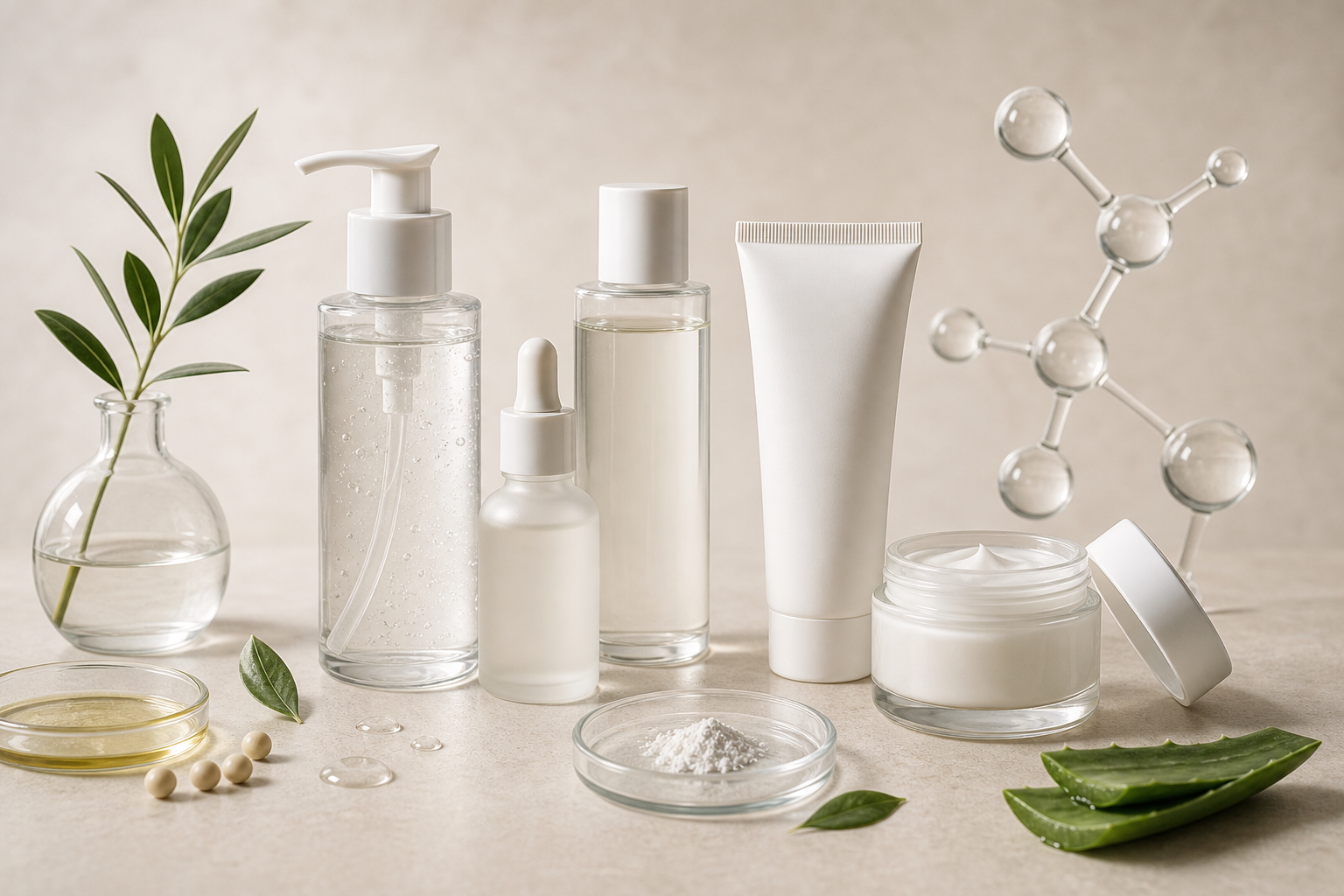
Hydration and skin renewal are foundational aspects of maintaining healthy, resilient, and vibrant skin. For individuals seeking to enhance their complexion or maintain their skin’s youthful elasticity and softness, understanding a targeted skincare routine that focuses on these principles is essential. This article delves into a comprehensive, step-by-step hydration and skin renewal routine—designed for anyone looking to optimize their skin's moisture balance and promote natural regenerative processes.
Whether you’re new to skincare or experienced in day-to-day facial rituals, this guide clarifies the science behind hydration and renewal, outlines the key steps and product types involved, and highlights realistic outcomes alongside the limitations of topical care. Additionally, it offers guidance on when professional dermatological advice should be sought.
By exploring this routine, readers will gain the tools to transform their skincare regimen into one that supports sustained hydration and effective skin renewal. This knowledge empowers individuals to preserve their skin’s health, combat dryness and sensitivity, and maintain a luminous complexion amid environmental and age-related challenges.
What Constitutes a Hydration and Skin Renewal Routine?
At its core, a hydration and skin renewal routine encompasses a series of deliberate skincare steps aimed at providing moisture to the skin while encouraging its natural repair processes. Hydration involves the uptake and retention of water within the epidermal layers, crucial for maintaining softness, suppleness, and elasticity. Renewal refers to the skin’s intrinsic ability to regenerate cells, shed dead surface layers, and restore barrier function.
A well-structured routine integrates these elements through complementary products and practices, addressing both the immediate need for hydration and longer-term cellular rejuvenation. It is not merely a surface-level treatment but a continuous regimen tailored to individual skin types—including dry, dehydrated, sensitive, or combination skin—and contextual factors such as climate and lifestyle.
This approach goes beyond transient improvements, aiming to reinforce the skin’s defenses and vitality against aging and environmental stressors. It serves those who face persistent dryness or skin barrier disruptions as well as those committed to proactive aging prevention and overall skin wellness.
Why Are Hydration and Skin Renewal Vital for Skin Health?
The skin acts as the body’s primary barrier against external aggressors, including pollution, UV radiation, and microorganisms. Maintaining optimal hydration preserves this protective barrier by ensuring the skin remains flexible and resilient. Conversely, insufficient hydration leads to tightening, flaking, and diminished barrier performance, heightening vulnerability to irritation and damage.
Similarly, skin renewal facilitates the continuous replenishment of skin cells, removing accumulated dead cells and promoting a fresh, vibrant surface. When renewal is slowed or impaired, dullness, uneven texture, and premature signs of aging can manifest. Therefore, supporting this process aids in sustaining the skin’s structural integrity and radiance.
Hydration without renewal may provide temporary glossiness but fails to address underlying cellular functions. Renewal without adequate hydration can leave new cells vulnerable and dry. A balanced routine targeting both facets harnesses their synergistic effects for comprehensive skin health.
What Are the Key Principles Behind Effective Hydration and Skin Renewal?
Success in crafting a hydration and renewal routine hinges on understanding several foundational principles about skin physiology and product functionality:
Conservation of the Hydro-Lipid Barrier: This surface layer combines water and lipids, forming a protective seal that minimizes water loss and shields against irritants. Skincare products should protect and enhance this barrier rather than disrupt it.
Use of Humectants to Attract Moisture: Ingredients like hyaluronic acid, glycerin, and urea draw water from the environment and deeper skin layers, increasing hydration levels within the epidermis.
Emollients and Occlusives to Lock Moisture: Emollients soften the skin by filling gaps between cells, while occlusives form a film to prevent moisture evaporation, together sustaining long-term hydration.
Support of Natural Epidermal Turnover: Encouraging the skin's regeneration—through gentle exfoliation and nutritionally supportive ingredients—helps maintain a healthy, revitalized surface conducive to moisture retention.
Adhering to these principles enables the selection of suitable products and their correct application, crucial for achieving meaningful skin improvements while avoiding irritation.
How to Build an Ideal Step-by-Step Daily Hydration and Renewal Routine?
An effective daily routine is composed of sequential steps designed to prepare, hydrate, nurture, and protect the skin. Here is a detailed breakdown:
1. Gentle Cleansing: Removing makeup and impurities with mild cleansers avoids stripping natural oils and preserves the skin's barrier. Cleansing primes the skin for subsequent hydration.
2. Toner Application: Hydrating toners restore the skin’s pH and add a light layer of moisture. This step calms any residual sensitivity and lays the groundwork for absorption of active treatments.
3. Use of Essences and Ampoules: These lightweight formulations penetrate deeply, boosting skin hydration and stimulating renewal processes with concentrated active ingredients. Essences typically offer hydration, while ampoules target specific concerns.
4. Serum Application: Serums deliver higher potency actives like hyaluronic acid, vitamins, peptides, or antioxidants directly into the skin, enhancing moisture retention and repair.
5. Moisturizer: Selecting a cream or lotion that matches skin type is essential. The moisturizer seals previous layers, adds nourishment, and further restores barrier function.
6. Sun Protection: Applying a broad-spectrum sunscreen with appropriate SPF protects against UV damage, preventing moisture loss and skin aging.
This daytime sequence supports hydration throughout the day while rebuilding and protecting the skin barrier against environmental challenges.
What Constitutes an Effective Evening Hydration and Renewal Routine?
Nighttime provides the optimal environment for the skin's regeneration, as repair mechanisms are naturally more active. Therefore, the evening routine emphasizes deeper hydration and skin cell renewal with a slightly different focus:
1. Double Cleansing: Using an oil-based cleanser followed by a water-based cleanser ensures thorough removal of makeup, sunscreen, and pollutants without overdrying.
2. Toner or Mild Exfoliation: Hydrating toners continue to balance moisture, whereas gentle chemical or enzymatic exfoliants 1–2 times weekly remove dead cells, stimulating the renewal cycle.
3. Essences, Ampoules, and Targeted Serums: Evening products often incorporate ingredients like peptides, retinoids, or antioxidants to enhance collagen synthesis and cell turnover. Introducing potent actives gradually is vital to minimize irritation.
4. Rich Night Moisturizer or Facial Oils: Night creams usually have a thicker texture and contain reparative elements that nourish and support barrier recovery during sleep. Oils can supplement or substitute creams, particularly for very dry skin.
Tailoring the evening routine to skin sensitivities and needs maximizes restorative benefits and ensures long-term skin resilience.
Which Ingredients Should You Prioritize in Hydrating and Renewing Products?
Effectiveness in hydration and skin renewal depends heavily on ingredient choices. Below are some key active components to look for:
Hyaluronic Acid: A powerful humectant capable of binding up to 1000 times its weight in water, it deeply hydrates the skin.
Glycerin: A natural moisturizing factor that attracts moisture and softens the skin surface.
Niacinamide (Vitamin B3): Strengthens the skin barrier, reduces inflammation, and enhances moisture retention.
Ceramides: Essential lipids that repair and reinforce the protective skin barrier.
Peptides: Stimulate collagen production, aiding structural renewal and skin firmness.
Antioxidants (Vitamin C, Vitamin E, Green Tea Extract): Protect against oxidative stress and promote a healthy, radiant appearance.
Botanical Extracts and Natural Oils: Provide soothing, anti-inflammatory properties and additional nourishment.
Choosing products with these ingredients supports both immediate hydration and the longer-term repair and maintenance of skin integrity.
When Should You Consult a Dermatologist in Your Hydration and Renewal Journey?
While a thoughtfully composed skincare routine benefits most people, certain situations require expert evaluation to prevent adverse effects or to address underlying conditions:
Persistent irritation or allergic reactions: Redness, burning, itching, or rashes after product use warrant professional guidance to identify sensitivities or allergies.
Compromised skin barrier symptoms: Chronic dryness, peeling, or inflamed patches could indicate barrier dysfunction needing targeted medical treatment.
Chronic skin disorders (eczema, rosacea, psoriasis): These conditions need individualized care plans often involving prescription treatments alongside hydration protocols.
Use of potent actives: Ingredients such as retinoids and strong acids can cause irritation or contraindications and should be introduced under dermatologic supervision.
Proactive consultation ensures a safe and effective regimen tailored to specific skin challenges and overall health.
What Realistic Benefits and Limitations Should You Expect from This Routine?
A consistent hydration and skin renewal regimen can yield significant improvements including:
Enhanced skin moisturization, reducing dryness and tightness;
Smoother, softer texture with more even tone;
Strengthened skin barrier minimizing sensitivity and irritation;
Healthier, more youthful radiance as skin maintains an optimal moisture balance and regenerative activity.
However, it is important to acknowledge limitations:
The routine is not a cure for severe dermatological diseases or structural skin damage requiring medical intervention;
It cannot fully reverse deep wrinkles or genetic skin attributes;
Visible effects take time and consistent application—sporadic use diminishes outcomes;
Understanding these realities helps manage expectations and promotes patient adherence without frustration.
How Does the Order of Product Application Impact Effectiveness?
The sequencing of skincare products is crucial for efficacy. Applying products in the correct order ensures optimal absorption and activity:
From Lightest to Heaviest: Cleanser → Toner → Essence → Serum → Moisturizer → Sunscreen (for daytime)
Lighter, water-based products penetrate more readily when applied first, while heavier creams and oils form protective layers, sealing in actives.
In the evening, additional layers such as targeted treatments or chemical exfoliants should be thoughtfully positioned to avoid ingredient interactions and adverse effects.
Following this hierarchy maximizes the benefits of each component within the hydration and renewal routine.
Integrating Hydration and Renewal Into Your Broader Skincare Knowledge
This step-by-step routine should be viewed within the wider context of skin biology and daily care strategies. Complementary educational materials such as comprehensive guides on hydration and skin renewal, diagnostic distinctions between dry and dehydrated skin, and detailed discussions on compromised skin barriers provide deeper insights that enhance routine effectiveness.
Furthermore, topics covering specialized morning and evening regimens for sensitive and dry skin deepen understanding of timing, product selection, and lifestyle influences. Also worthy of review are analyses comparing serums versus creams and the nuanced roles of toners, essences, and ampoules in comprehensive hydration protocols.
Exploring these related areas equips individuals to refine their routines dynamically, responding to changing skin needs and environmental conditions.