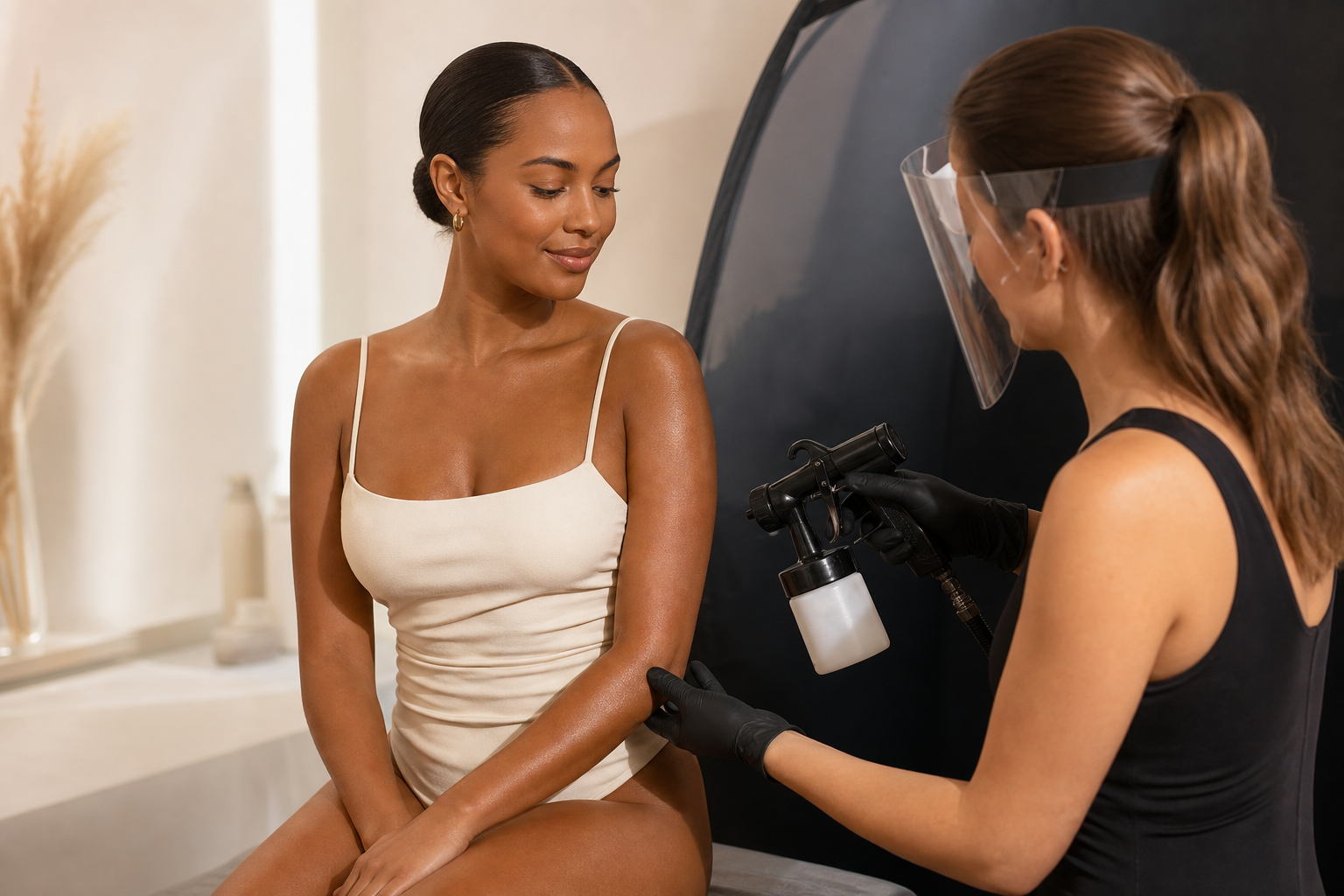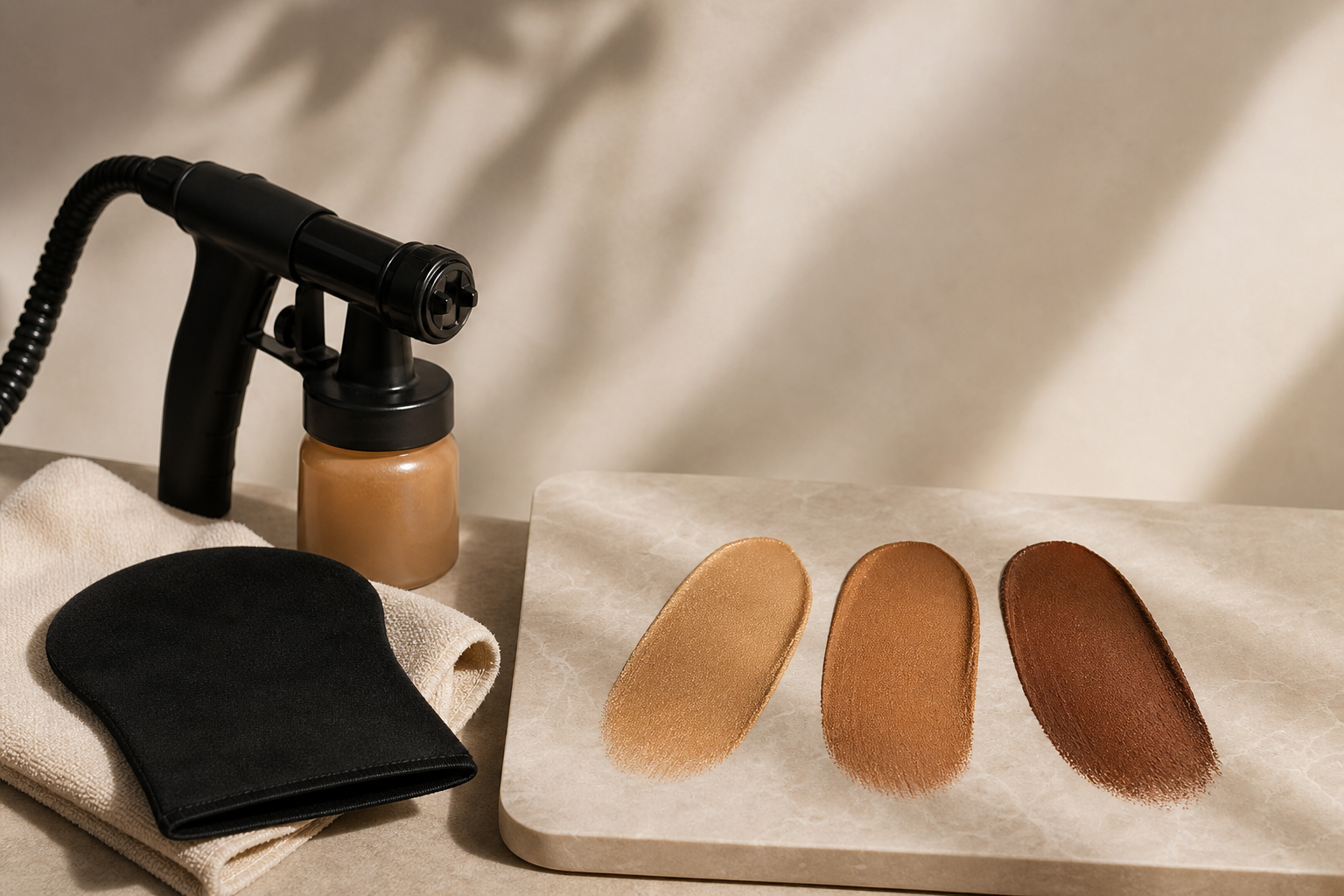
In today’s beauty landscape, achieving a radiant, sun-kissed glow without the risks associated with ultraviolet (UV) exposure has made spray tanning a coveted option. Whether you are someone exploring your first spray tan or an experienced glow-seeker wanting to refine your look, understanding the spectrum of spray tan shades—commonly labeled as light, medium, and dark—is essential. These labels are more than just marketing terms; they guide you in selecting a shade that complements your natural skin tone, skin undertone, and desired aesthetic, while ensuring that your tan looks natural and flattering.
Choosing the right spray tan shade can prevent common pitfalls such as unnatural colors, streaking, or overly dramatic shades that do not harmonize with your complexion. This comprehensive article will demystify the labels light, medium, and dark spray tan, revealing what these intensities truly mean, who they best suit, and how to make informed decisions based upon your skin type and style preferences. Furthermore, it emphasizes the importance of safe tanning practices, realistic expectations, and maintaining skin health in the process.
For anyone seeking a sunless bronzed complexion that is both beautiful and safe, a clear grasp of spray tan intensity labels is crucial. It not only ensures satisfaction with results but also integrates into an overall skin care approach that values both appearance and wellness. Let us explore what each tan intensity entails, their unique benefits, and guidance on how to choose the best shade tailored to your individual needs.
What Do the Labels Light, Medium, and Dark Spray Tan Really Mean?
The terms light, medium, and dark in spray tanning refer primarily to the depth and intensity of color that the tanning solution imparts on the skin. These categories function as a practical framework to help users identify which shade range aligns with their natural complexion and the type of glow they wish to achieve.
Light spray tans offer a subtle enhancement, typically suitable for those with fair or very light skin tones who desire a gentle bronzing effect without an overly pronounced transformation. The light formulations are engineered to provide a delicate warmth and a hint of color, often preserving a natural appearance that does not conflict with one's base skin tone. This makes light tans excellent for beginners experimenting with spray tanning for the first time or individuals who prefer a barely-there glow.
Medium spray tans strike a balance between subtlety and richness. They provide a more noticeable sun-kissed look without veering into dramatic color alteration. Medium tans are popular among people with light to medium skin shades or those seeking a healthy, golden glow that accentuates their natural undertones. This category is the most versatile, offering a radiant finish that can be adapted for everyday use or special occasions.
Dark spray tans are formulated to deliver a deep, intense bronze, often favored by those with medium to darker skin tones aiming for a pronounced tan or by individuals who want a striking and bold sunless glow. However, dark tans require careful consideration and application to avoid looking unnatural or orange-toned, especially for lighter skin types.
Each intensity level not only varies in color depth but also in formulation specifics, such as the concentration of DHA (dihydroxyacetone), the active ingredient in tanning solutions. Understanding these differences is foundational to achieving a harmonious tan that enhances rather than overpowers your natural beauty.
Who Should Choose Light, Medium, or Dark Spray Tan Shades?
Selecting a spray tan shade is not a one-size-fits-all decision; it must consider your natural skin color, skin undertones, lifestyle, and the kind of tan effect you desire. Having a clear picture of your skin's baseline properties helps you make an informed choice from the light, medium, and dark spectrum.
Light spray tan: Best suited for individuals with very fair or sensitive skin tones. If you have porcelain or pale skin with cool or neutral undertones, a light tan avoids overwhelming your natural tones. Light shades also provide a safe option for those new to tanning who want to gradually acclimate to a bronzed effect without drastic changes. Additionally, those seeking to maintain an understated and elegant appearance often gravitate toward light formulas.
Medium spray tan: This shade range is appropriate for a broad audience—people with fair to medium skin tones benefit most. Medium tans harmonize with light olive, neutral, or warmer undertones and provide a balanced, natural-looking glow. If you desire a noticeable enhancement that still reads as authentic and not costume-like, medium is the ideal choice. It caters well to different occasions, lending versatility to your sunless tanning routine.
Dark spray tan: Those with medium to deep skin tones arranging for an even deeper bronze glow may find dark spray tans a good match. Dark tans cater to warm, golden, or bronze undertones, emphasizing radiance without obscuring natural shade variations. Alternatively, fairer-skinned individuals who enjoy a dramatic, event-focused tan can opt for dark formulas but should do so with professional guidance to ensure the shade complements their skin without tipping into unnatural hues.
Understanding your skin undertone is equally critical, as explained in How Does Skin Undertone Affect Spray Tan Formula Choice? Choosing the appropriate spray tan shade in relation to undertones prevents discoloration issues and promotes an authentic finish.
What Are the Benefits and Drawbacks of Each Spray Tan Shade?
An insightful look at the pros and cons of light, medium, and dark spray tan options can help set realistic expectations and inform safe use.
Light Spray Tan:
Benefits: Offers a subtle glow that enhances complexion gently, making it suitable for those cautious about tanning or with sensitive skin. It reduces chances of unwanted orange tones, and the fading process is generally more even. This shade tends to mesh well with natural skin tones, minimizing the risk of patchiness.
Drawbacks: The color might be too faint for individuals aiming for a distinctly deeper tan or seeking a bold change. It may require more frequent applications to maintain the desired glow, depending on how quickly the color fades from your skin.
Medium Spray Tan:
Benefits: Provides a noticeable yet natural bronze effect, enhancing skin warmth and radiance effectively. Suitable for a wide variety of skin tones, medium tans are versatile for both daily wear and special events. The balance between color impact and natural blending makes this the most popular choice for many.
Drawbacks: If not chosen carefully according to skin undertones, medium tans can risk slight discoloration or appear uneven as they fade. Overexposure or layering without correct application can exaggerate color intensity beyond natural limits.
Dark Spray Tan:
Benefits: Ideal for achieving a dramatic and deep bronze look, perfect for occasions where a strong tan presence is desired. For darker skin tones, it can amplify natural richness and add a healthy sheen.
Drawbacks: Dark tans carry a higher risk of looking unnatural or orange if mismatched to skin tone. They may highlight imperfections or uneven spray application, and fading can be less predictable, sometimes leaving blotches or uneven patches. Careful professional application and maintenance are recommended.
How to Select the Ideal Spray Tan Shade for Your Skin and Desired Result
Choosing the right spray tan shade is a composite decision informed by skin tone, undertone, personal preferences, and occasion. Here's a practical approach to assist you:
Evaluate Your Natural Skin Tone and Undertone: Identify whether your skin is fair, medium, or deep and ascertain undertones—cool, warm, or neutral. This insight guides the shade intensity and color base that will harmonize best. For a detailed understanding, refer to How to Choose a Spray Tan Shade for Your Skin and Desired Result.
Consider Your Desired Appearance: Ask yourself if you prefer a subtle sheen or a bold bronze. Light tans suit those aiming for subtlety, mediums for everyday radiance, and darks for dramatic transformations.
Think About Longevity and Maintenance: Darker tans may last longer but might require more vigilance in maintenance to avoid uneven fading. Light tans usually fade more gracefully but may necessitate more frequent applications.
Consult a Professional Tanning Expert: Professional spray tan technicians can recommend a shade tailored to your complexion and style while applying formulas designed to maximize natural appearance and minimize risks of undesirable tones.
Avoid Common Mistakes: Do not select a shade based solely on desire without considering your complexion. Avoid using harsh exfoliants or strong acids before tanning, and never mix unverified homemade recipes that can lead to patchy or unsafe results. Understand that spray tans provide no UV protection; always continue your regular SPF 30+ skin protection routines.
What to Expect During and After a Spray Tan Session Based on Shade Choice
The spray tan experience and its immediate aftermath differ slightly depending on whether you opt for light, medium, or dark formulations:
During Application: Lighter formulas typically require less product layering, producing a quicker and often more comfortable session. Medium and dark sprays involve thicker coatings to achieve their intensity, which may feel slightly heavier on the skin but deliver more substantial color payoff.
Initial Appearance: Light tans appear faint and develop fully within a few hours, usually resulting in a gentle glow. Medium tans show a developing bronze over the same period, giving a warm and visibly tanned look. Dark tans initially might appear more intense or even streaked but settle into a rich, deep bronze upon full development.
Longevity: The longevity of your tan depends on both shade intensity and skincare maintenance. Darker tans often last longer but may reveal imperfections if exfoliation or moisturizing is inconsistent. Light and medium tans tend to fade more evenly but might require touch-ups to sustain visibility.
Aftercare: Regardless of shade, post-application care—including avoiding harsh scrubbing and strong acids, as advised in Spray Tan: The Complete Guide to a Sun-Kissed Look Without UV Exposure—is vital to preserving a flawless, natural finish.
Common Questions About Light, Medium, and Dark Spray Tans
Q: Can very fair skin achieve a natural spray tan result? Absolutely. Utilizing a light spray tan specifically designed for very fair skin tones can create a natural, sun-kissed effect without excess color or orange undertones For detailed guidance, see this resource.
Q: Why isn't the darkest spray tan formula always the best choice? Darkest formulas can be too intense for lighter skin, leading to unnatural-looking tans, orange discoloration, or uneven fading. They also require heightened care and precise application. More can be learned about this at Why Isn't the Darkest Spray Tan Formula Always the Best Choice?
Q: How can I avoid an orange tone after spray tanning? Orange hues often result from incorrect shade selection or improper product formulation relative to skin undertone. Selecting the right shade, using quality products, and consulting professionals reduce this risk. For expert tips visit How to Avoid an Orange Tone After Spray Tanning.
Q: How does spray tanning work for deeper skin tones? Individuals with deeper skin can benefit from medium to dark tanning formulas that enhance natural warmth and add luminosity without masking original skin color. Uniform application ensures an even, radiant finish. Explore more at Spray Tanning for Deeper Skin Tones: Evenness and Radiance.