A compromised skin barrier represents a fundamental issue in dermatology and skincare, manifesting as a disruption in the skin’s natural protective layer and resulting in a cascade of symptoms such as dryness, redness, irritation, and heightened sensitivity. This condition is particularly significant for anyone seeking to maintain skin health or address chronic issues like acne, eczema, or rosacea, as the integrity of the skin barrier directly correlates with overall skin resilience and appearance.
Understanding what compromises the skin barrier, recognizing its symptoms early, and implementing effective recovery strategies are essential steps in skin science. These actions ensure not only aesthetic benefits but also promote the skin’s crucial role in defending the body against environmental aggressors, pathogens, and moisture loss. This comprehensive editorial explores the anatomy and function of the skin barrier, elucidates common causes of its compromise, details the symptoms to watch for, and provides practical guidance on recovery and prevention, all while highlighting when medical consultation is advisable.
For skincare professionals, enthusiasts, or anyone experiencing unexplained skin sensitivity, this detailed overview will demystify the complexities of barrier impairment and offer evidence-based approaches to restoration and protection—a topic central to the master cluster of “Hydration and Skin Renewal: The Complete Guide.”
What Exactly Is the Skin Barrier and Why Is It So Vital?
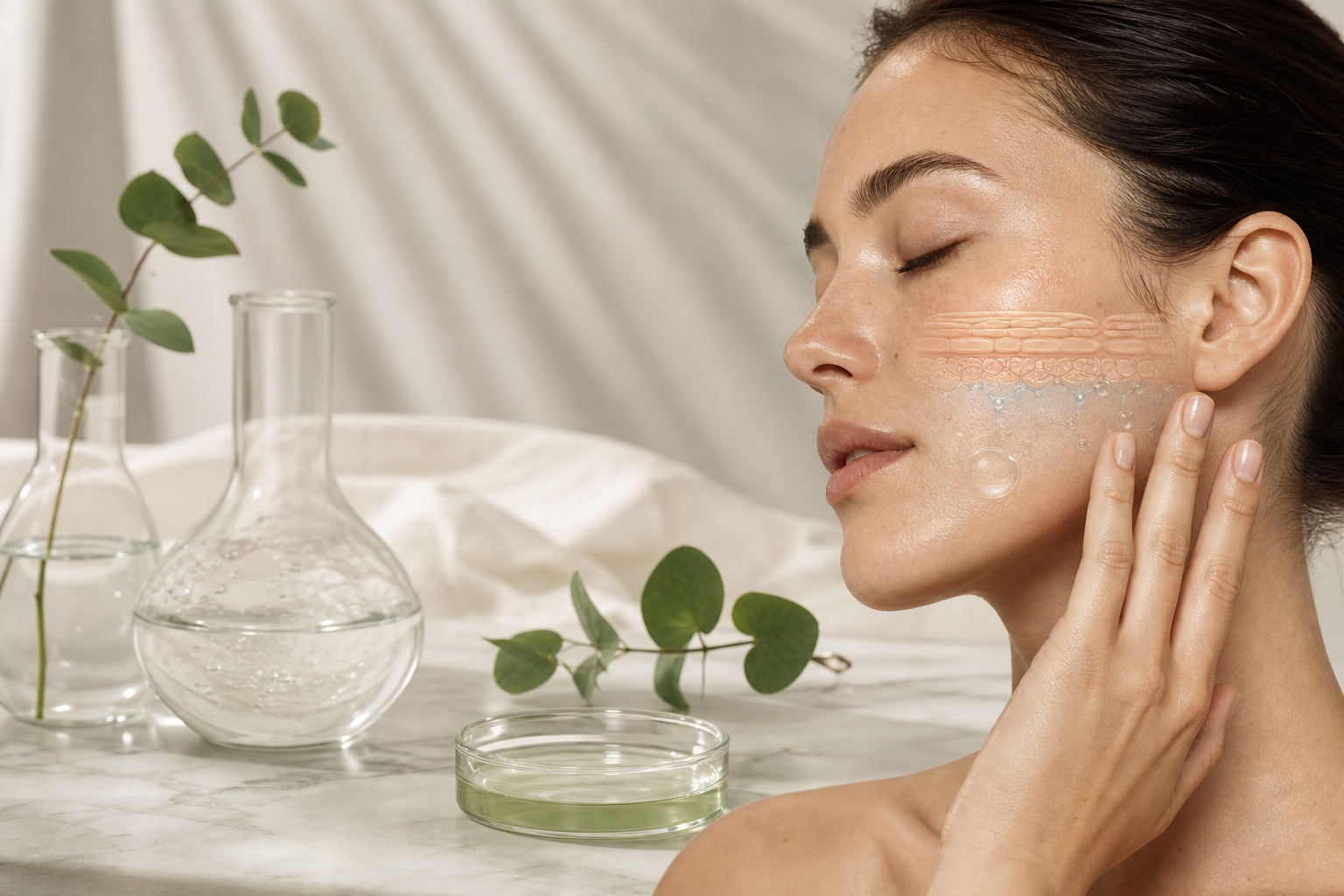
The skin barrier, primarily located in the stratum corneum—the outermost layer of the epidermis—is a complex structure composed of corneocytes (dead skin cells) embedded within a lipid matrix. This “brick and mortar” arrangement forms a semi-permeable membrane that accomplishes two vital tasks: it prevents excessive transepidermal water loss (TEWL) and blocks external irritants, allergens, and microorganisms from invading deeper layers or entering the body.
The lipids present, mainly ceramides, cholesterol, and free fatty acids, are essential for maintaining the barrier’s integrity and flexibility. When these components are abundant and balanced, the skin appears plump, hydrated, and resistant to environmental stressors. However, disturbances in this equilibrium—whether due to endogenous factors or external influences—can erode the barrier functionality, leaving skin vulnerable and compromised.
Given the skin’s role as the largest organ and first line of defense, a compromised barrier not only undermines cosmetic outcomes but also can predispose individuals to chronic dermatological conditions, infections, and systemic inflammation. Thus, skin barrier health is foundational for both beauty and wellness.
Which Symptoms Reveal a Compromised Skin Barrier?
Early and accurate recognition of barrier impairment empowers timely intervention. Symptoms of a compromised skin barrier commonly manifest in several telltale ways that may vary in intensity:
1. Dryness and Flaking: Loss of moisture due to increased TEWL leads to dry, rough patches and visible scaling, reflecting an inability to retain hydration effectively.
2. Redness and Irritation: The weakened barrier allows irritants and allergens greater access, promoting inflammation and resulting in erythema (redness) and sensitivity.
3. Tightness and Discomfort: A hallmark sensation following cleansing or exposure to air, tightness signals depleted surface lipids and moisture deficits.
4. Stinging or Burning After Product Application: Even mild skincare formulations can provoke sensations of burning or tingling, indicating compromised defense mechanisms and heightened nerve sensitivity.
5. Increased Sensitivity to Environmental Factors: Exposure to sun, wind, pollution, and temperature extremes becomes more impactful, often exacerbating symptoms.
In some cases, barrier damage might also contribute to abnormal keratinocyte renewal cycles, causing scaling or rough texture. It is important to note that these symptoms can overlap with other skin conditions, making patient history and clinical judgment crucial.
What Are the Predominant Causes That Undermine the Skin Barrier?
Identifying the roots of barrier compromise enables targeted restoration and preventive practices. Common causes can be broadly categorized into external and internal factors:
Excessive or Improper Exfoliation: Both physical scrubs and potent chemical exfoliants (such as alpha hydroxy acids [AHA] and beta hydroxy acids [BHA]) remove the skin’s natural lipid layer if overused, impairing the protective functions.
Harsh Cleansers and Alkaline Soaps: Products with elevated pH levels disrupt the acid mantle, the skin’s natural protective film, thus destabilizing barrier lipids and proteins.
Environmental Stressors: UV radiation, pollution particles, wind, and temperature extremes generate oxidative stress and inflammation, accelerating barrier degradation.
Inadequate Hydration: Both external lack of moisturizing agents and internal dehydration compromise the skin’s water content, weakening the barrier structure.
Underlying Dermatological Conditions: Chronic skin disorders like atopic dermatitis, psoriasis, and rosacea inherently involve barrier dysfunction as part of their pathology.
Lifestyle and Physiological Factors: Stress, nutritional deficiencies, aging, and certain medications can also reduce barrier resilience.
Understanding these contributing elements is pivotal when crafting a skincare regimen tailored to individual needs and recognizing when adjustments are warranted.
How Can Acid-Based Skincare Ingredients Impact the Skin Barrier?
It is essential to clarify the dual nature of acid exfoliants in skincare. Substances such as AHAs (glycolic acid, lactic acid) and BHAs (salicylic acid) possess well-documented properties to accelerate exfoliation, enhance texture, and improve hydration via humectant effects. When used judiciously, they support skin renewal without compromising the barrier.
However, misuse—characterized by high concentrations, over-application, or combining acids with other irritating agents—can strip essential lipids and cause microabrasions. This intensifies TEWL and triggers irritation, manifesting as redness, burning, and peeling. The weakened barrier then becomes more sensitive to UV damage and environmental irritants, creating a cycle of ongoing irritation and reduced tolerance.
Therefore, the application of acid treatments requires a balanced approach: starting with low concentration, infrequent usage, and progressively adapting skin tolerance, always accompanied by diligent sun protection. For individuals with sensitive or already compromised skin, it may be prudent to avoid acid exfoliants until the barrier is fully restored.
What Practical Steps Are Recommended to Restore a Damaged Skin Barrier?
Restoring skin barrier integrity is a careful, methodical process that involves minimizing further insult while actively supporting repair. Effective recovery protocols include:
Gentle Cleansing: Opt for mild, pH-balanced (around 5.5) cleansers free from sulfates and harsh detergents to maintain the acid mantle and preserve sebaceous lipids.
Rich, Lipid-Replenishing Moisturizers: Products enriched with ceramides, cholesterol, and essential fatty acids help rebuild the barrier’s lipid matrix. Ingredients like niacinamide and panthenol contribute to anti-inflammatory and reparative processes.
Limit or Pause Exfoliation: Halting mechanical and chemical exfoliation is critical during active barrier repair to prevent aggravation.
Sun Protection: Broad-spectrum sunscreens shield the skin from UV-induced oxidative damage, which can further degrade barrier function.
Avoidance of Known Irritants: Fragrance, alcohol, abrasive textures, and unnecessary active ingredients should be minimized during the recovery phase.
Hydration Support: Regular application of humectants like hyaluronic acid ensures optimal moisture levels within the skin.
Healthy Lifestyle: Maintaining hydration through water intake, a nutrient-rich diet supporting omega-3 fatty acids and antioxidants, and stress management bolster systemic and skin health.
Consistency in this regimen is key, with recovery timelines varying from weeks to several months depending on severity.
When Should You Consult a Dermatologist for a Compromised Skin Barrier?
Although many mild cases respond well to proper home care, persistent symptoms warrant professional evaluation. If irritation worsens despite regimen changes, or if there are signs of infection, open sores, severe inflammation, or unusual discoloration, consulting a board-certified dermatologist is advisable.
Dermatologists can perform diagnostic assessments to rule out or treat underlying skin conditions that may manifest as barrier dysfunction, such as eczema or psoriasis. Moreover, they can prescribe prescription emollients, anti-inflammatory agents, or barrier repair therapies tailored to the patient’s unique needs.
Early intervention by a skincare specialist minimizes the risk of chronicity, secondary complications, and supports more rapid restoration.
How Does Skin Barrier Health Fit Within the Context of Hydration and Skin Renewal?
The skin barrier is intricately linked to the concepts of hydration and skin renewal. As the interface controlling water retention, its integrity profoundly affects the skin’s plumpness, elasticity, and smoothness, fundamental markers of youthful and healthy skin.
Within master educational frameworks such as “Hydration and Skin Renewal: The Complete Guide,” the compromised skin barrier is examined as a specific symptom cluster and treatment target. Here, the synergy between moisturizing strategies, mild exfoliation to enhance renewal, and barrier repair offers a holistic understanding and practical roadmap for both consumers and professionals.
Moreover, distinguishing between dry and dehydrated skin—an often misunderstood subject addressed in complementary articles like “Dry vs. Dehydrated Skin: How to Tell the Difference”—underscores the significance of barrier repair in achieving optimal hydration dynamics.
What Realistic Outcomes Can One Expect After Addressing a Damaged Skin Barrier?
Patience and commitment are essential virtues in barrier recovery. Improvements may proceed gradually as the skin requires several weeks for cell turnover cycles to complete. Initial changes include reduced irritation and improved comfort, followed by enhanced texture and hydration.
It is important to maintain realistic expectations and acknowledge that certain intrinsic factors—age, genetic predispositions, or chronic diseases—may influence the degree and speed of restoration. Although no single product offers an instantaneous fix, adherence to a barrier-supportive regimen fosters optimal conditions for natural regeneration.
Attempting aggressive treatments or frequent introduction of new products during recovery may disrupt progress, prolong symptoms, or provoke rebound sensitivity, underscoring the importance of cautious, informed care.