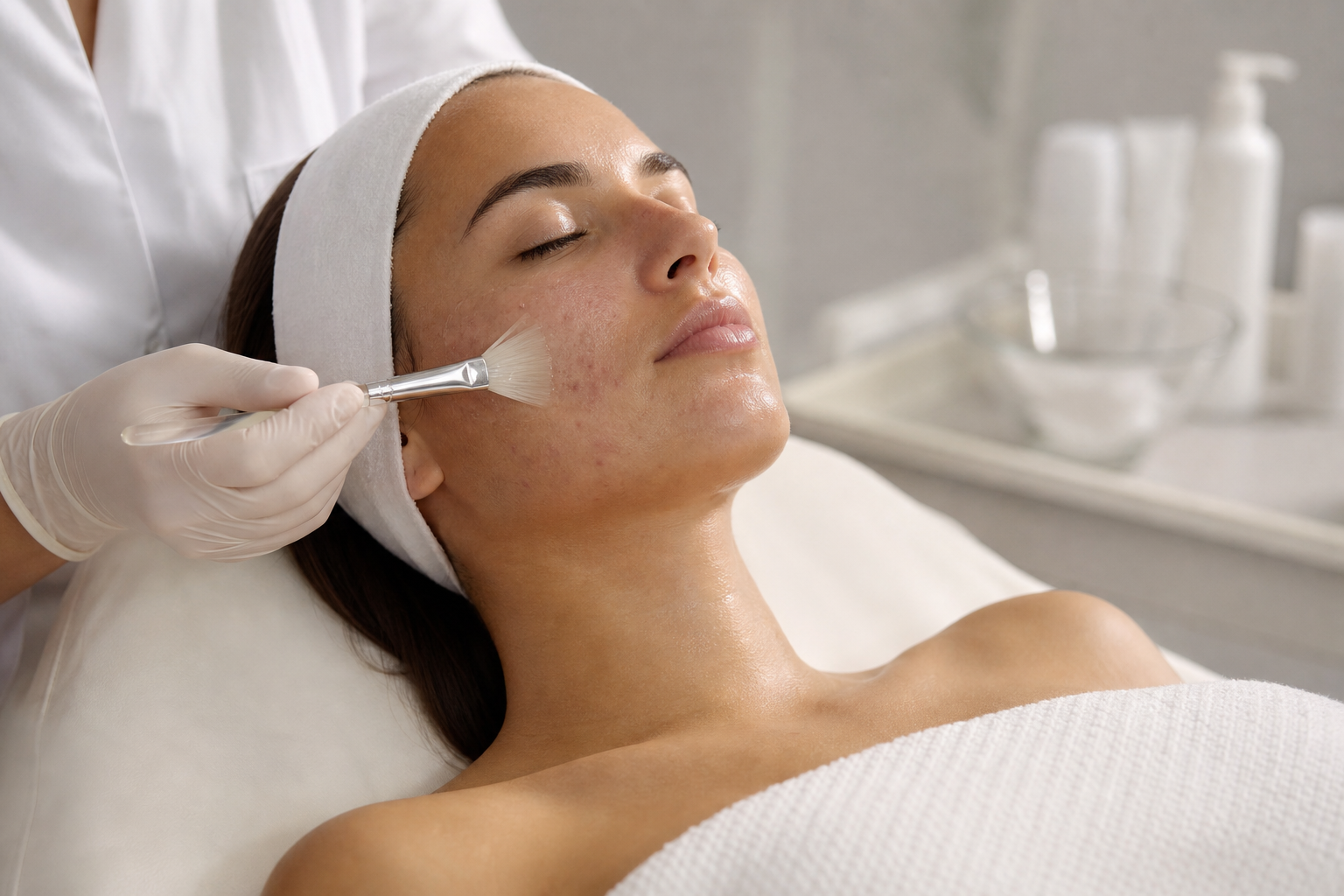
Acne is a prevalent and often stubborn dermatological condition that affects individuals across various age groups, from adolescents to adults. Managing acne effectively requires an understanding of available treatment options, including both conventional and innovative methods. One such treatment gaining recognized efficacy in dermatology and aesthetic medicine is the chemical peel, a procedure designed to exfoliate the skin and encourage regeneration.
Chemical peels have long been utilized not only for general skin rejuvenation and anti-aging purposes but also as a targeted intervention for acne management. Understanding how chemical peels affect acne is pivotal for individuals seeking to improve their skin condition safely while minimizing potential risks. This professional guide aims to provide a comprehensive exploration of chemical peels in the context of acne treatment—detailing their mechanisms, indications, expected outcomes, limitations, safety considerations, and the importance of specialist consultation.
Whether you are struggling with mild to moderate acne, looking to address post-acne scars and pigmentation, or interested in integrating anti-aging facial treatments into your skincare regimen, this guide offers valuable insights to help you make informed decisions. Recognizing how chemical peels function on acne-prone skin equips you to weigh the benefits against possible side effects and to engage in effective dialogue with qualified dermatologists or skincare professionals.
What Are Chemical Peels and How Do They Work on Acne-Affected Skin?
Chemical peels involve the application of specialized acidic solutions to the skin surface to induce controlled exfoliation. This process removes dead skin cells, excess sebum, and other debris that accumulate and contribute to blocked pores, a primary culprit in acne formation. By accelerating the shedding of the epidermis, chemical peels promote cellular turnover and facilitate the emergence of cleaner, healthier skin.
On skin affected by acne, chemical peels exert several therapeutic actions. Primarily, they unclog pores by dissolving comedones—both blackheads and whiteheads—and reducing follicular keratinization, which obstructs normal skin barrier function. Additionally, certain peeling agents possess anti-inflammatory and antibacterial properties that combat the Propionibacterium acnes bacteria implicated in inflammatory acne lesions.
The stimulation of deeper skin layers through controlled damage initiates collagen remodeling and epidermal regeneration. This is particularly beneficial not only in preventing new acne lesions but also in improving skin texture, reducing post-inflammatory hyperpigmentation, and diminishing acne scars—all while contributing to an overall more youthful complexion.
Who Is an Ideal Candidate for Chemical Peel Treatment in Acne Management?
Chemical peel treatments are best suited for individuals exhibiting mild to moderate forms of acne, encompassing comedonal and inflammatory subtypes, but who do not have extensive cystic or nodular lesions. Those experiencing oily or combination skin types often derive substantial benefits, as certain peels regulate excess sebum production and refine pore size.
Adults suffering from persistent acne or residual marks from prior outbreaks stand to gain noteworthy improvements from tailored peeling sessions. The dual effect of both anti-acne and anti-aging benefits attracts mature skin patients seeking to revitalize their complexion while addressing acne sequelae.
Conversely, chemical peels may not be appropriate for people with active severe acne, deep cysts, or those with sensitive, rosacea-prone skin without careful medical supervision. Pregnant or breastfeeding women and individuals with skin infections or hypersensitivity reactions should avoid peel treatments or undertake them only under stringent specialist guidance.
What Are the Primary Types of Chemical Peels Utilized for Acne, and How Do They Differ?
A range of chemical peeling agents is available, each with unique characteristics and suitability depending on acne type and skin condition. The choice revolves around balancing exfoliation depth, penetration ability, and skin tolerance.
Salicylic Acid Peels: This beta-hydroxy acid is lipophilic, meaning it penetrates oily follicles effectively to dissolve excess sebum and reduce inflammation. Salicylic acid stands out for its antibacterial properties and is widely favored for managing oily, acne-prone skin, particularly in treating mild to moderate acne lesions.
Glycolic Acid Peels: As an alpha-hydroxy acid (AHA) derived from sugar cane, glycolic acid promotes superficial exfoliation and hydration. It works primarily on the epidermis, improving skin texture and fading post-acne pigmentation. Its relatively gentle action makes it suitable for individuals with milder acne and those combining anti-aging concerns.
Mandelic Acid Peels: Another AHA derived from bitter almonds, mandelic acid has a larger molecular structure, enabling slower penetration and reduced irritation. Its anti-inflammatory and antibacterial effects make it appropriate for sensitive, acne-prone skin that requires a gentler approach.
Jessner’s Peel: This synergistic formula combines salicylic acid, lactic acid, and resorcinol. It delivers a medium-depth peel with robust exfoliative and antibacterial effects, often reserved for more stubborn acne cases and superficial scarring.
Trichloroacetic Acid (TCA) Peels: TCA peels penetrate deeper into the dermis depending on concentration. These peels are used for severe acne scarring and significant post-inflammatory changes but require expertise due to the higher risk of irritation and longer recovery periods.
What Benefits Do Chemical Peels Offer in Controlling Acne and Post-Acne Conditions?
Chemical peels confer multiple therapeutic benefits for acne management:
Reduction in Comedones and Blocked Pores: By exfoliating the skin surface and clearing follicular debris, peels diminish the formation of new comedones, helping to break the acne cycle.
Sebum Regulation: Balancing oil production helps to create an environment less conducive to acne development. Chemical peels can modulate sebaceous gland activity, particularly beneficial for oily skin types.
Anti-Inflammatory Effects: Select peeling agents reduce skin redness and inflammation, alleviating the discomfort and visual prominence of active lesions.
Acceleration of Skin Regeneration: Promotion of collagen synthesis and renewal of dermal architecture helps fade pigmentation marks and reduces the depth and visibility of acne scars.
Improvement of Skin Texture and Tonality: Enhanced smoothness and minimized pore size contribute to a refreshed, youthful appearance that elevates self-confidence.
What Is the Procedure for Chemical Peeling, and What Should Patients Expect During and After Treatment?
The process begins with a thorough skin assessment by a qualified dermatologist or esthetician to determine the appropriate peeling agent and strength according to individual skin type and acne severity. Preparation may involve pre-peel regimens including topical retinoids or antibiotics to optimize skin readiness.
During treatment, the chemical solution is carefully applied to the cleansed skin, typically for 15 to 30 minutes, depending on the peel type. The practitioner monitors for patient comfort and skin reaction, adjusting exposure time as needed. Upon completion, a neutralizer may be applied to halt the peeling action, followed by soothing agents.
Post-procedure expectations include initial redness, mild swelling, and flaking or peeling over several days, signaling effective exfoliation. Healing time varies with peel depth, with superficial peels requiring minimal downtime and deeper peels necessitating a longer recovery.
It is crucial to maintain rigorous sun protection and skin hydration throughout the recovery phase to prevent complications such as post-inflammatory hyperpigmentation or irritation.
When Is It Necessary to Consult a Dermatologist or Specialist Before Undergoing a Chemical Peel?
Consultation with a qualified dermatology professional is essential to tailor chemical peel treatments safely and effectively. Certain clinical situations warrant expert evaluation:
Active Acne Infections: Presence of inflamed cysts or pustules may require medical therapy before peeling.
Scarring and Pigmentation: Comprehensive assessment guides the choice of peel type and depth for optimal results.
Skin Sensitivity or Allergy History: Identifying contraindications minimizes risks of adverse reactions.
Medication Review: Some topical or systemic medications can increase photosensitivity or interfere with healing.
Personalized recommendations and pre- and post-treatment care instructions derive from such consultations, enhancing the safety profile of chemical peel interventions.
What Are the Contraindications and Limitations of Using Chemical Peels for Acne?
While chemical peels provide significant benefits, certain factors limit their applicability:
Severe Acne Variants: Nodulocystic acne often requires systemic medication and is less amenable to peel treatment alone.
Pregnancy and Lactation: Avoidance of certain acids is recommended due to safety concerns.
Active Skin Infections: Herpes simplex virus or bacterial infections contraindicate peels until resolved.
Hypersensitivity Reactions: Allergies to peeling agents or their components preclude treatment.
Post-Inflammatory Hyperpigmentation Risk: Patients with darker skin tones or history of discoloration require cautious evaluation due to potential adverse effects.
Understanding these limitations ensures realistic expectations and prioritizes patient safety.
How Does Integrating Chemical Peels Enhance Broader Acne Treatment Regimens?
Chemical peels often serve as an integral component of a multifaceted acne management strategy. By addressing follicular obstruction, bacterial proliferation, and inflammatory processes, peels complement topical therapies, oral medications, and lifestyle interventions.
In the anti-aging context, combining chemical peels with other non-invasive modalities such as laser treatments, microneedling, and tailored skincare products optimizes skin rejuvenation while concurrently managing acne symptoms. This holistic approach offers synergistic benefits, facilitating superior outcomes in skin clarity and texture.
What Are the Latest Advances in Chemical Peel Formulations for Acne Prone Skin?
Recent developments in chemical peel technology focus on maximizing efficacy while minimizing irritation. Novel formulations combine traditional peeling agents with adjunctive ingredients like antioxidants, peptides, and anti-inflammatory compounds to support skin healing and barrier function.
Enhanced delivery systems allow controlled release of active substances, tailoring peel depth and action intensity. These innovations foster broader accessibility of chemical peels across diverse skin types and conditions, expanding their therapeutic range in acne care.


