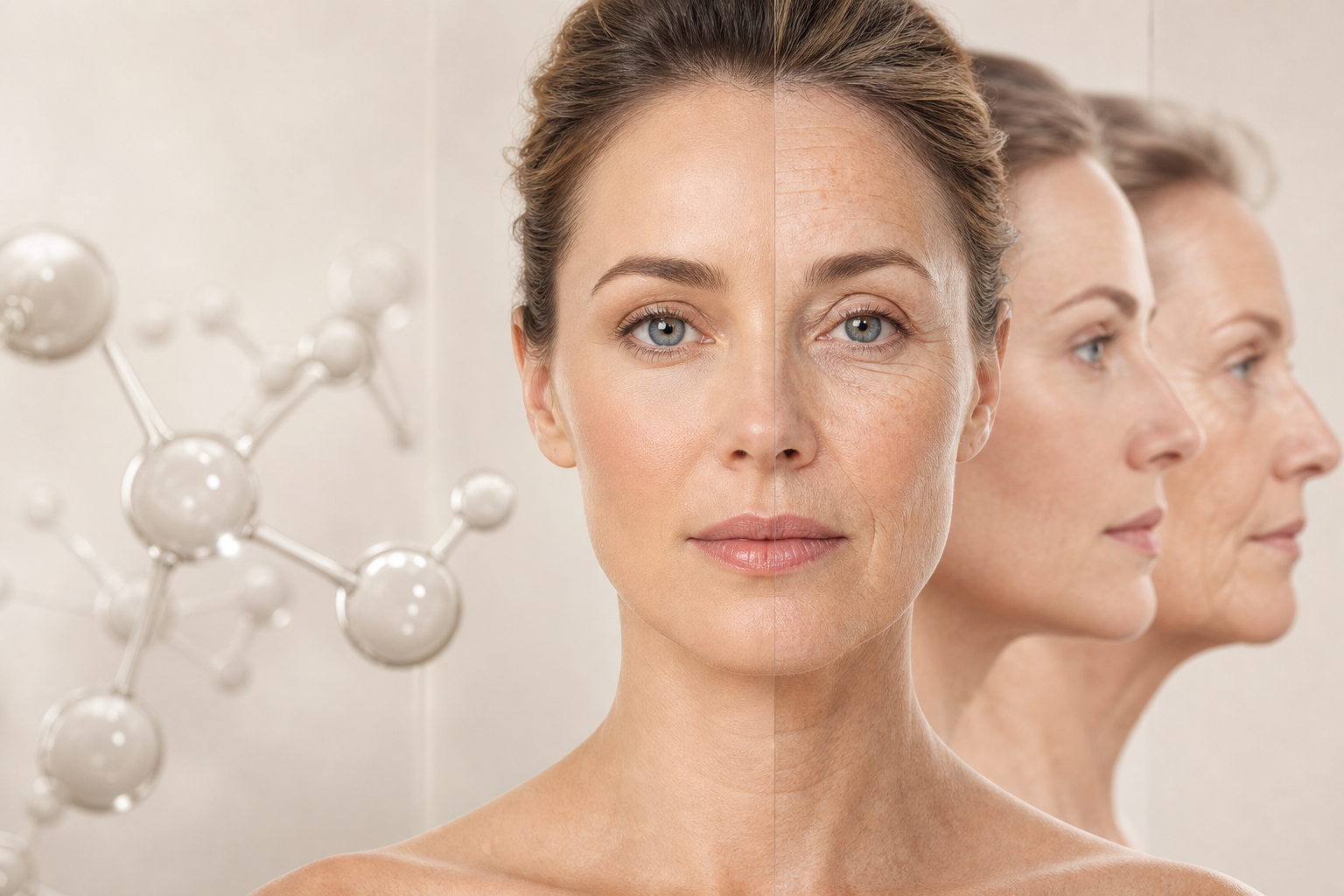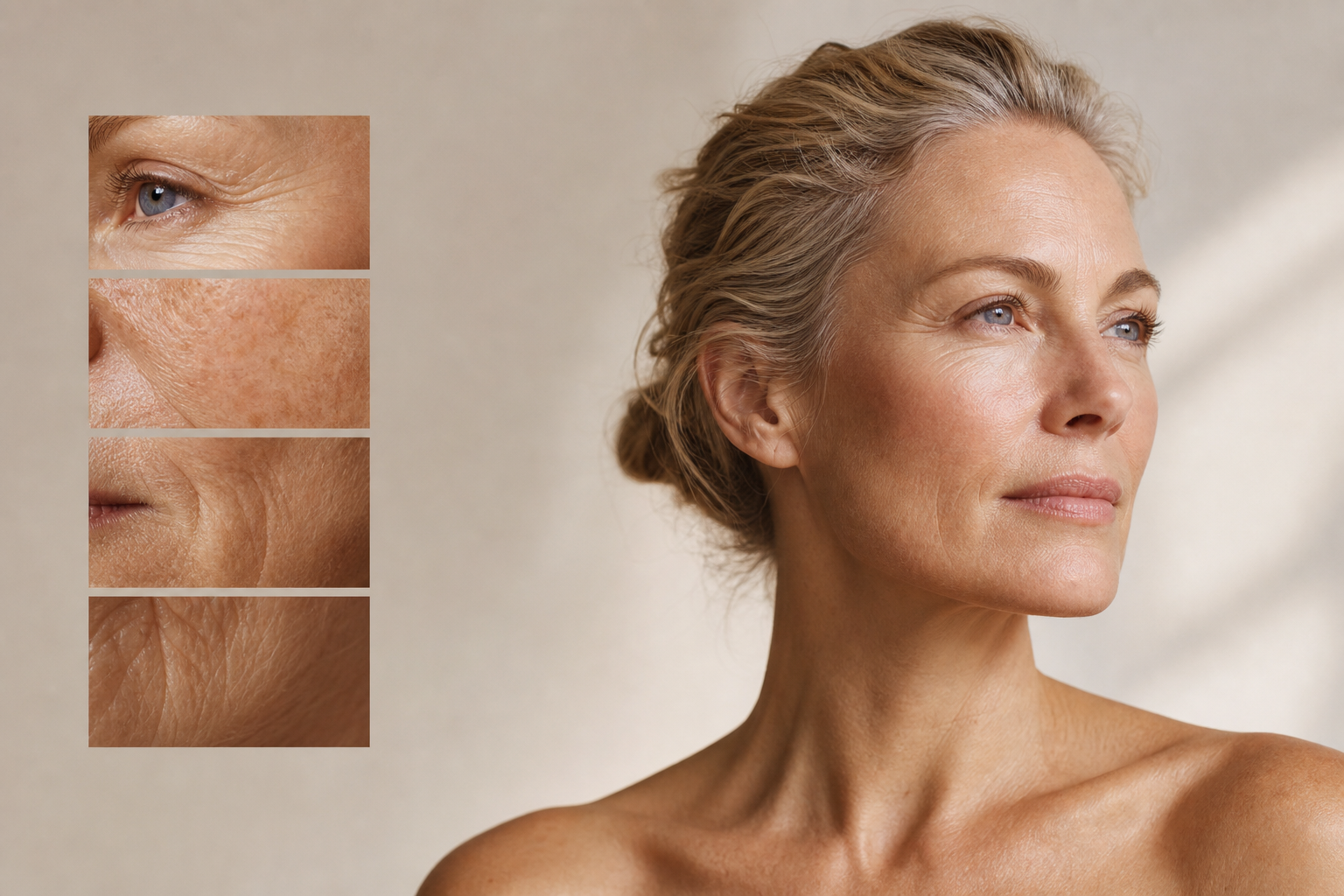
The aging of the skin is a fundamental biological process that every individual experiences, regardless of their skin type or genetic make-up. Understanding how skin ages is essential for those who wish to maintain a healthy, youthful appearance and to tailor their skincare routines to the evolving needs of their skin as time passes. This knowledge not only empowers people to make informed decisions about various treatments and products but also helps discern what specific interventions address in terms of the skin's aging mechanisms.
This article is aimed at readers seeking an in-depth comprehension of the complex changes skin undergoes with age. It is particularly useful for those considering anti-age facial treatments, helping them distinguish between intrinsic (chronological) aging and extrinsic factors—like photoaging caused by sun exposure—that accelerate this process. By exploring why skin becomes thinner, drier, and more sensitive over the years, the discussion clarifies how diverse factors influence its appearance and health from youthful decades into maturity.
Grasping the biological underpinnings of skin aging allows for more effective prevention and selection of treatments, particularly non-invasive facial therapies. These approaches enhance hydration, texture, and tone, supporting a long-lasting youthful look. Thus, understanding not only what changes occur but how and why they happen leads to a more comprehensive skincare strategy without unnecessary compromises.
What are the fundamental mechanisms driving skin aging?
The skin, as the body's largest organ, has a multilayered structure composed of the epidermis, dermis, and subcutaneous tissue. Over time, the natural processes that maintain skin's vitality slow down and alter. Key contributors to skin aging include a reduction in collagen and elastin production, diminished hyaluronic acid levels, decreased moisture retention, and damage from free radicals and environmental factors such as ultraviolet (UV) radiation.
Collagen and elastin are proteins critical for maintaining skin's firmness, elasticity, and overall tone. Their gradual decline leads to wrinkle formation and sagging. Hyaluronic acid, a molecule responsible for regulating skin hydration, also decreases, resulting in dryness and roughness. Compounding these internal changes, factors like sun exposure, pollution, poor nutrition, and stress accelerate aging signs and degrade skin’s resilience.
Ultraviolet rays, particularly UVA, penetrate deep into the dermis and damage collagen fibers, causing photoaging characterized by wrinkles, hyperpigmentation, and loss of facial volume. Recognizing these mechanisms is essential to distinguishing between natural aging and that accelerated by external stressors.
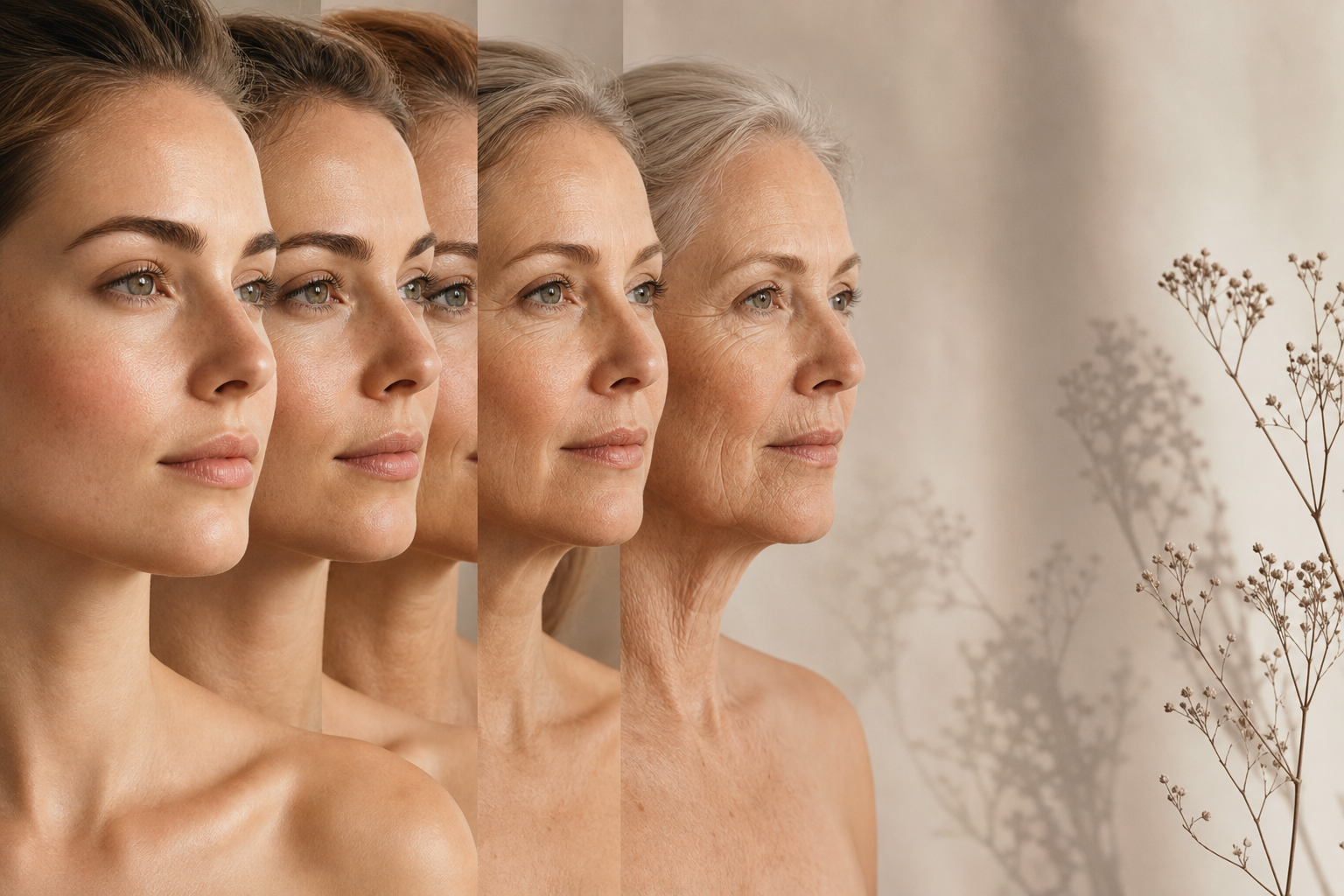
How does skin evolve through the decades: after 25, 30, 40, and 50 years of age?
Each decade of life brings distinct transformations in skin biology related to decreasing synthesis of structural proteins and changes in both epidermal and dermal layers.
After age 25, the skin loses approximately 1% of its collagen annually. Initial signs, such as fine lines around the eyes and mouth, may emerge but are often subtle. Hyaluronic acid remains relatively abundant, allowing adequate hydration, but preventive measures like sun protection and early skincare interventions become increasingly important.
In the 30s, cellular turnover slows, resulting in a less smooth skin surface. Deeper wrinkles develop as facial volume diminishes and skin elasticity lessens. The reduction in natural oils leads to drier skin, further impacting hydration and texture.
The 40s intensify these changes: collagen and elastin decline accelerate, leading to more pronounced skin laxity and deeper wrinkles that reshape facial contours. Thinning skin becomes sensitive and frequently shows signs of fatigue and dehydration. At this stage, anti-aging treatments gain prominence as non-invasive means to sustain skin health.
Post-50, significant reductions in collagen and hyaluronic acid cause drastic volume loss and prominent wrinkles. Skin becomes visibly thinner, drier, and more delicate, especially as hormonal changes during menopause further impact skin quality. Treatments targeting hydration, collagen stimulation, and volume restoration become critical to maintaining a youthful appearance.
Why is it important to differentiate chronological aging from premature skin aging?
Distinguishing between chronological (intrinsic) aging, dictated by genetics and time, and premature (extrinsic) aging is vital as it guides treatment choices. Premature aging—commonly termed photoaging—is mainly driven by environmental exposures, especially ultraviolet radiation, but also smoking, pollution, and inadequate skincare.
Photoaged skin typically presents more severe pigmentation issues, deep wrinkles, and elasticity loss caused by direct damage to collagen and elastin from UVA and UVB rays. Incorporating protective skincare products containing high SPF, antioxidants, and pursuing treatments promoting skin regeneration can mitigate these effects.
While chronological aging is inevitable, it can be alleviated with appropriate care and lifestyle modifications. Understanding the complex interaction between intrinsic and extrinsic factors facilitates a more precise and effective skincare strategy.
What role do collagen and elastin play in facial aging?
Collagen accounts for roughly 75% of the dermis's dry weight and forms the structural framework of the skin, conferring strength and integrity. Elastin provides elasticity, enabling the skin to return to its shape after stretching. As we age, fibroblast cells that synthesize these proteins diminish in number and activity, while enzyme activity that degrades collagen and elastin increases.
This imbalance weakens the skin’s internal scaffolding, causing loss of firmness, sagging, and wrinkle formation. Volume reduction is most noticeable in the cheeks and jawline, altering facial contours and giving a more aged appearance.
Topical retinoids, vitamin C, and various non-invasive procedures can stimulate collagen and elastin production, improving skin texture and tone. Awareness of these processes supports targeted skincare and the prolongation of youthful skin attributes.
How does hyaluronic acid production change with age, and why does it matter?
Hyaluronic acid is a powerful hydrating molecule that can bind water up to 1000 times its weight, maintaining skin moisture and plumpness. Aging reduces its natural synthesis, contributing to skin dryness and vulnerability to environmental insults.
As hyaluronic acid levels decline, skin texture suffers, appearing dull and tight, and wrinkles become more prominent. Many anti-aging approaches aim to replenish or stimulate hyaluronic acid production using topical serums or injections. Nonetheless, non-invasive treatments including mesotherapy and moisturizers rich in hydrating agents can improve hydration effectively.
Maintaining optimal hydration plays a pivotal role in slowing visible aging by strengthening skin function and resilience, particularly for dry or sensitive skin types more prone to premature aging signs.
What causes the thinning, dryness, and sensitivity of aging skin?
With advancing age, the epidermis layer thins, accompanied by a reduction in the number of skin cells. Concurrently, sebum production decreases, diminishing the skin’s natural lipid barrier. These physiological shifts lead to thinner, drier skin that is more susceptible to irritation and sensitivity.
Moreover, slower cell regeneration hampers wound healing, while the impaired barrier function allows irritants and pathogens to penetrate more easily, increasing sensitivity and the risk of inflammation.
Understanding these developments guides the formulation of effective skincare routines emphasizing rich hydration, barrier repair, and gentle ingredients suitable for sensitive aging skin. Needle-free treatments targeting these concerns can substantially enhance skin texture and overall comfort.
In what ways does sun exposure accelerate skin aging through photoaging?
Photoaging is premature skin aging due to ultraviolet radiation. UVA rays, in particular, penetrate deeply into the dermis, triggering collagen and elastin breakdown and generating free radicals that induce oxidative stress.
The resultant skin damage includes age spots, loss of elasticity, broken capillaries, and deep wrinkles disproportionate to chronological age. Preventative measures such as consistent application of broad-spectrum sunscreen, wearing protective clothing, and minimizing sun exposure are the most effective defenses against photoaging.
If photoaging signs are already present, non-invasive facial treatments like chemical peels, LED therapy, and antioxidant-rich serums can stimulate skin repair and diminish damage.
What advantages do non-invasive anti-aging treatments offer for aging skin?
Anti-aging treatments without needles have grown in popularity as safe, effective alternatives to injectables or surgical interventions. They are ideal for individuals seeking noticeable improvements in hydration, texture, and firmness with minimal discomfort and downtime.
Techniques such as ultrasound therapy, microdermabrasion, chemical exfoliation, and LED phototherapy encourage natural skin regeneration, stimulate collagen and hyaluronic acid production, enhance circulation, and remove dead skin cells. These treatments accommodate various skin types and ages, posing lower risks with sustained benefits.
Compared to invasive methods, non-injectable therapies require shorter recovery times, making them accessible for people committed to natural, ongoing skin maintenance that supports a youthful, healthy appearance.
How should skincare routines adapt to the changes that come with aging?
Adapting skincare to the evolving needs of aging skin involves recognizing its specific requirements during different life stages. In the 20s and 30s, focus is placed on prevention, hydration, and sun protection. Beginning in the 40s and beyond, treatments shift toward collagen stimulation, preserving elasticity, and smoothing wrinkles.
Consistent daily routines centered on cleansing, moisturization, and using serums containing vitamin C, retinoids, and hyaluronic acid, combined with diligent sun protection, form the foundation. Periodic professional interventions like peels or LED therapy promote rejuvenation.
When aligned with the skin’s changing biology, such tailored care retards visible aging and helps maintain luminosity and health over time.
What realistic outcomes can one expect from diligent skincare and facial treatments?
High-quality skincare and professional facial therapies cannot halt aging but can meaningfully slow its visible effects and enhance skin quality. Reasonable expectations include improved moisture levels, smoother texture and tone, diminished wrinkle depth, even complexion, and increased resilience against environmental stress.
These improvements contribute to a youthful, vibrant appearance and boost confidence and life quality, albeit requiring dedication and patience. Personalized treatment plans and consistent care are crucial to achieving satisfying, durable results with anti-aging strategies.
Common questions about skin aging and care
Are wrinkles inevitable? Wrinkles are a natural part of aging; however, their extent depends on genetics and external influences. Proper skincare and sun protection can mitigate their severity.
When is the right time to start anti-age treatments? Preventative care ideally begins in the 20s, while more intensive treatments are suitable once early signs appear in the 30s or 40s, customized to individual skin conditions and lifestyles.
Do non-invasive treatments truly work? Many needle-free approaches effectively enhance skin hydration, texture, and collagen production, especially when applied regularly and tailored to skin needs.