In the ever-evolving landscape of skincare and anti-aging solutions, light-based therapies such as Intense Pulsed Light (IPL), Light Emitting Diode (LED) treatments, and other phototherapies have emerged as transformative options. These technologies harness the power of specific wavelengths of light to stimulate natural regeneration processes within the skin. Designed for individuals seeking effective yet non-invasive alternatives to traditional anti-aging approaches, these treatments address common concerns like wrinkles, pigmentation, and loss of skin elasticity without the need for needles or surgery.
This article delves deeply into the mechanisms behind IPL, LED, and related light-based anti-aging therapies. We explore who benefits most from these treatments, their distinct advantages, potential limitations, and how they fit into a holistic skincare regimen. Whether you are starting to notice early signs of aging or looking to maintain a youthful complexion gracefully, understanding these innovative therapies is essential.
Light-based anti-aging treatments provide a promising pathway for skin rejuvenation that blends science with subtlety. By optimizing skin health at the cellular level, these methods contribute to restoring texture, tone, and resilience. In the following sections, we lay out a comprehensive guide to these therapies, exploring their place within modern skincare and how to select the best option based on your unique skin needs and aesthetic goals.
What Are IPL, LED, and Other Light-Based Anti-Aging Therapies, and How Do They Function?
Intense Pulsed Light (IPL) therapy involves the application of broad-spectrum light via controlled pulses. Unlike lasers that emit a single wavelength, IPL uses a range of wavelengths that penetrate the skin to target various chromophores such as melanin and hemoglobin. This selective absorption leads to precise correction of pigmentation irregularities, vascular lesions, and stimulates deeper dermal layers to enhance collagen production. Collagen and elastin are crucial proteins that maintain skin firmness and elasticity, which tend to diminish with age.
LED therapy, in contrast, employs light-emitting diodes that produce specific, narrow wavelengths without generating heat. Most commonly, red and blue LED lights are used for their distinct photobiomodulatory effects. Red LED light penetrates deeper skin layers, stimulating fibroblast activity and collagen synthesis, effectively reducing fine lines and improving skin tone. Blue LED light exhibits antibacterial properties, making it effective for acne-prone and sensitive skin, indirectly contributing to an overall youthful appearance by reducing inflammation and purifying the skin.
Other light-based treatments, including low-level laser therapy and photodynamic therapy, use similar principles by delivering focused energy to skin cells to activate repair pathways. The unifying concept behind these therapies is their ability to jumpstart the skin’s innate renewal processes, promoting healing, enhancing vascularization, and improving texture without damaging the skin surface.
Who Are the Ideal Candidates for Light-Based Anti-Aging Treatments?
Light-based anti-aging interventions suit a wide demographic, particularly those beginning to observe subtle changes in their skin such as fine lines, uneven pigmentation, or diminished radiance. These therapies appeal to individuals who prefer non-invasive options that incorporate minimal downtime while delivering noticeable improvements.
People with early to moderate signs of photoaging—such as sun spots, mild redness, or early wrinkle formation—often experience the most benefit. Individuals aiming to maintain skin health while preventing further age-related changes also find these treatments valuable. Because these procedures stimulate collagen remodeling, they work well as proactive maintenance strategies.
However, the suitability of specific treatments requires careful assessment. For example, IPL is typically recommended for lighter skin tones since darker skin may risk post-inflammatory pigmentation changes. Moreover, not everyone is an ideal candidate for IPL if they are on photosensitizing medications or have active skin infections. LED therapy is generally safe across various skin types, including very sensitive or reactive skin, given its gentle nature.
Consulting with a qualified dermatologist or skincare professional is crucial to determine the most appropriate protocol and to set realistic expectations tailored to individual skin characteristics and aesthetic objectives.
What Are the Benefits of IPL, LED, and Other Light-Based Anti-Aging Treatments?
The benefits of these light-based treatments extend beyond simple cosmetic enhancement; they foster fundamental improvements in skin quality by targeting underlying biological factors of aging. One of the primary advantages is the stimulation of collagen and elastin synthesis. As these proteins accumulate, skin regains firmness and elasticity, diminishing the prominence of wrinkles and fine lines gradually.
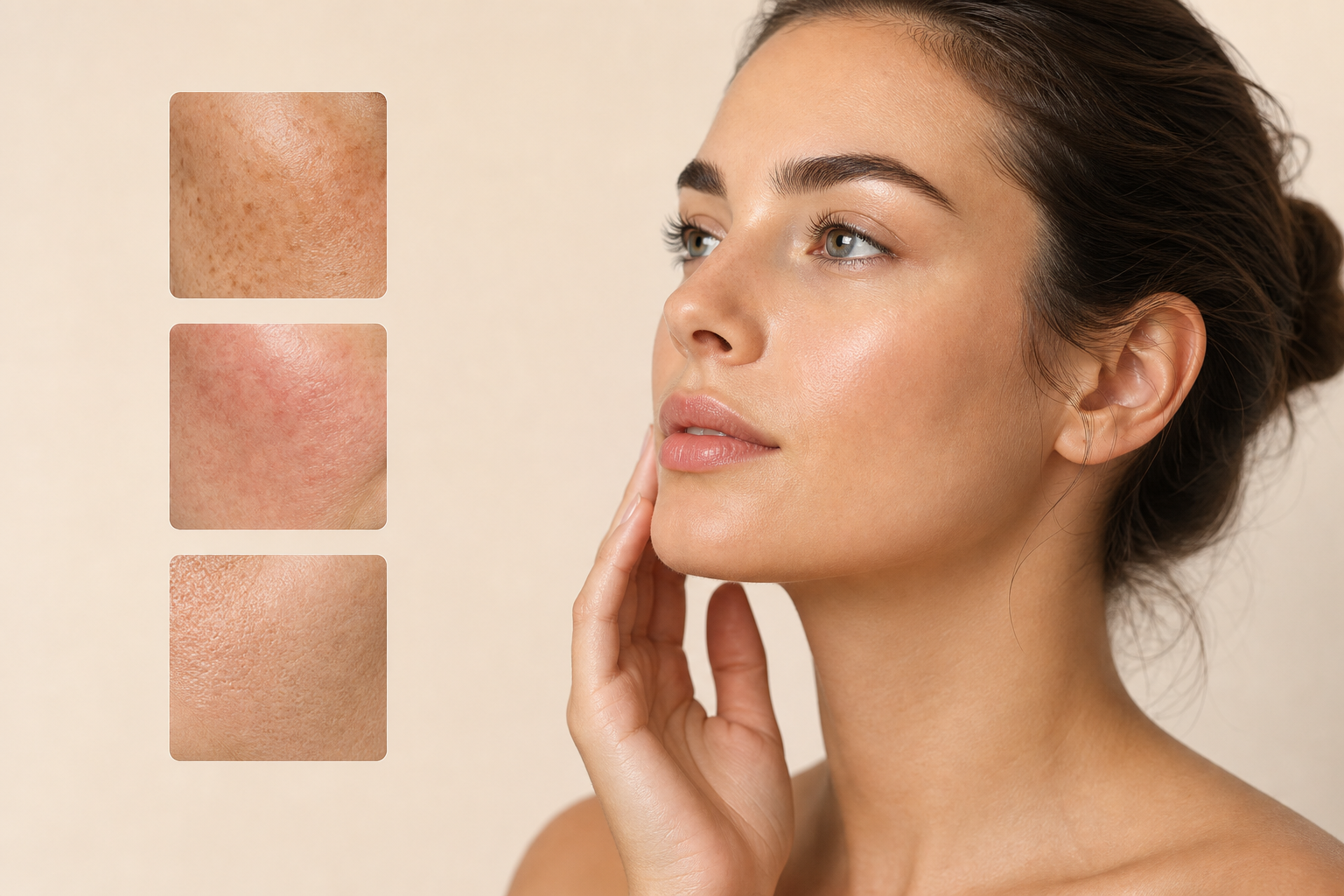
Additionally, IPL effectively addresses pigmentation issues such as sun spots, freckles, and rosacea-related redness, promoting more even skin tone. The absorption of light energy by hemoglobin also reduces superficial blood vessels that contribute to visible redness.
LED therapy’s anti-inflammatory properties help soothe irritated skin, diminish redness, and support cellular repair mechanisms, leading to a brighter, more radiant complexion. The non-thermal nature of LED makes it excellent for sensitive skin and for enhancing recovery when used alongside other treatments.
Furthermore, these therapies improve overall skin texture, refining pores and smoothing surface irregularities. Because treatments are usually well-tolerated, they can be integrated into comprehensive skincare regimens, complementing topical products and other professional procedures.
These benefits collectively contribute to a refreshed and youthful appearance without the risks and downtime associated with invasive interventions.
How Should One Prepare for and What Can Be Expected During IPL and LED Sessions?
Preparation is pivotal to optimize safety and effectiveness of light-based therapies. For IPL treatments, it is advisable to avoid sun exposure and refrain from using photosensitive medications or harsh exfoliants for at least two weeks beforehand. Skin should be clean and free of makeup or lotions prior to the session.
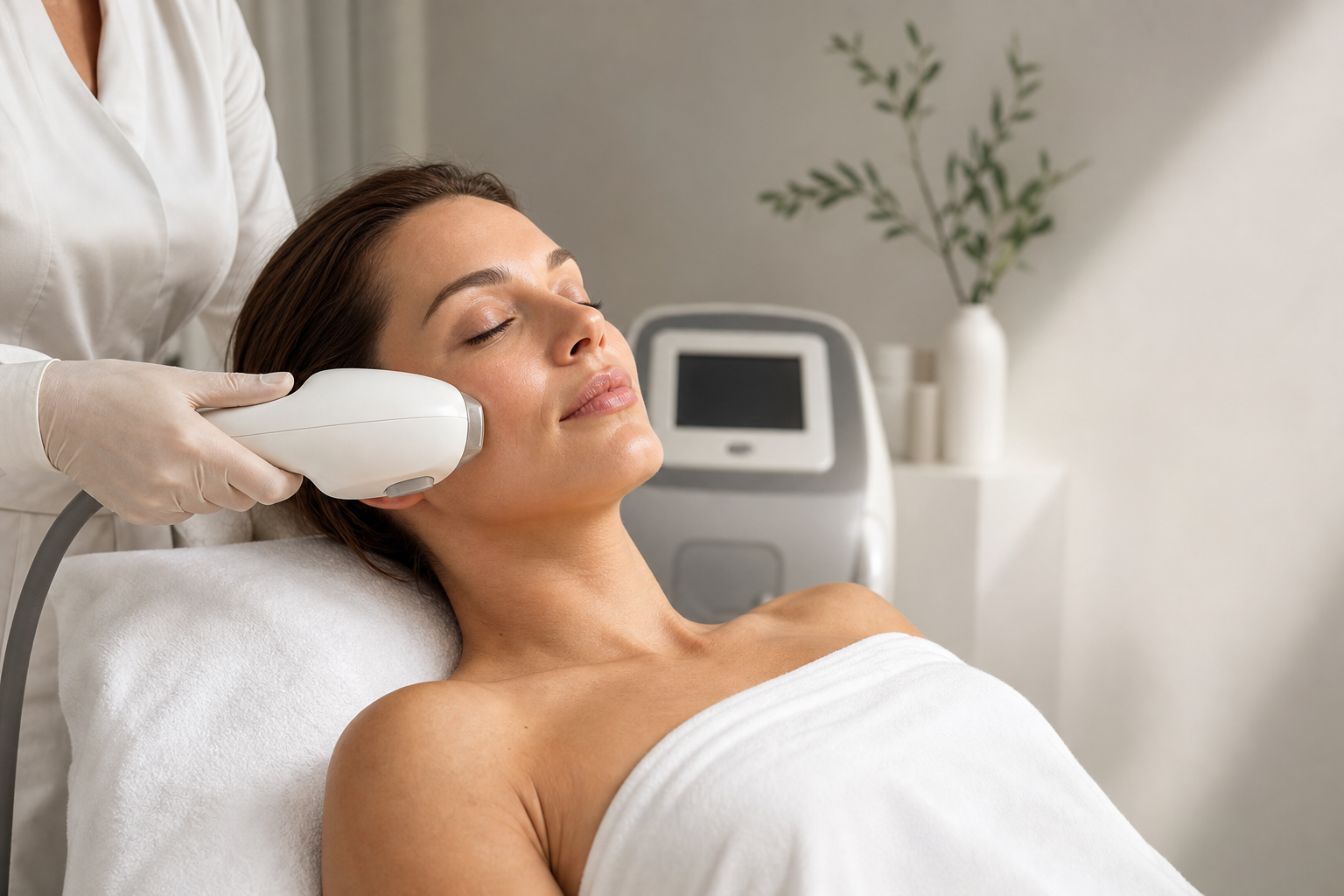
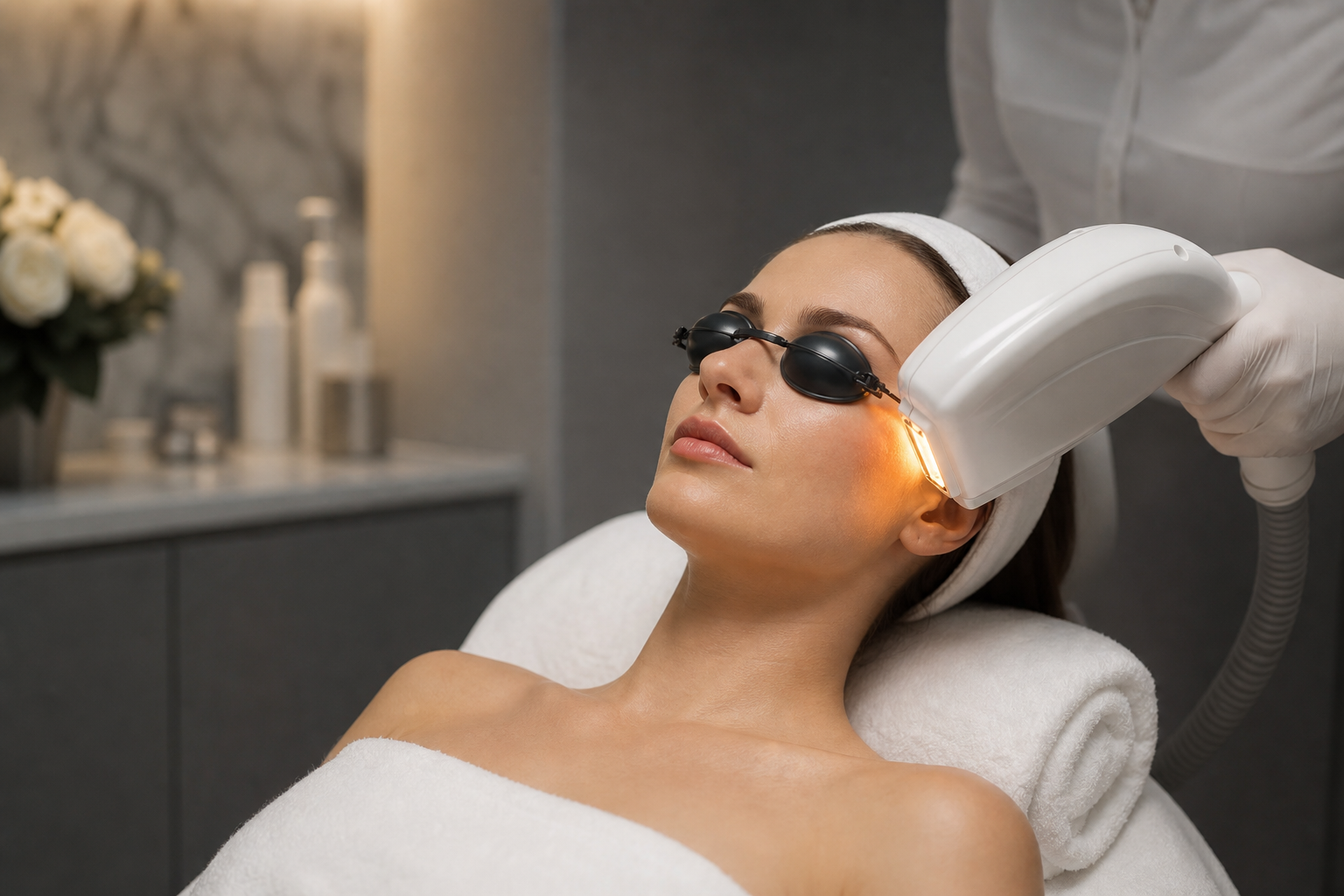
During an IPL treatment, you may experience sensations described as mild tingling, warmth, or brief snapping, as short bursts of intense light penetrate the skin. Protective eyewear is mandatory for both patient and practitioner. The duration of a session varies depending on the treatment area but typically lasts between 20 and 45 minutes.
LED therapy, by contrast, is completely painless and relaxing. The patient simply sits or lies under the LED panel or wears a mask emitting specific wavelengths of light. Sessions commonly last from 15 to 30 minutes, and there is no need for anesthesia or recovery time.
Post-treatment reactions for IPL can include transient redness or swelling similar to mild sunburn, which normally subsides within a few hours to a couple of days. LED therapy generally elicits no adverse sensations or redness and can often be repeated regularly without interruption to daily activities.
How Many Treatments Are Needed and When Do Results Appear?
The number of required sessions varies based on the initial skin condition, the specific protocol used, and individual biological response. Typically, IPL treatments are recommended in a series of 3 to 6 sessions spaced 3 to 4 weeks apart to achieve cumulative improvements. Initial changes, such as reduced redness or lightening of pigment spots, may be perceivable after the first one or two treatments.
LED therapy is frequently applied in more frequent intervals, sometimes weekly or biweekly, especially when used to combat ongoing inflammation or to maintain skin health. Visible results such as enhanced brightness and texture can manifest after several sessions but tend to improve progressively over time.
Consistent adherence to the prescribed treatment schedule, combined with proper skin care and sun protection, maximizes long-term benefits. It is important to understand that light-based therapies promote gradual remodeling processes that unfold over weeks to months, contributing to natural-looking rejuvenation rather than abrupt changes.
What Are Common Questions and Considerations Regarding Safety and Effectiveness?
Is IPL painful? Most individuals tolerate IPL well, describing the sensation as mild stinging or snapping, comparable to a rubber band flick. Discomfort levels depend on sensitivity and treatment area but can be managed with cooling devices or topical anesthetics if necessary.
Is LED safe for sensitive skin types? LED therapy is generally regarded as very safe, including for sensitive or reactive skin due to its non-invasive mechanism. It often serves as an adjunct to soothe skin after more aggressive treatments.
Can IPL permanently eliminate wrinkles? While IPL can reduce the appearance of fine lines by stimulating collagen, it does not provide permanent elimination of deep wrinkles. For more pronounced signs of aging, combination treatments or other modalities might be recommended.
Who should avoid IPL treatments? IPL is contraindicated in individuals with active skin infections, open wounds, or certain photosensitive conditions. It is typically avoided during pregnancy, in very dark skin tones without appropriate assessment, or for those on photosensitizing drugs.
Engaging a knowledgeable practitioner for a thorough skin evaluation and treatment plan helps mitigate risks and ensures suitability.
How Do Light-Based Therapies Integrate Within a Broader Anti-Aging Skincare Strategy?
IPL, LED, and related phototherapies are not standalone miracles but rather integral components of comprehensive anti-aging regimens. When combined with topical antioxidants, moisturizers, and sun protection, these treatments foster a synergistic environment conducive to skin health.
Moreover, they can complement other professional modalities such as chemical peels, microneedling, radiofrequency, and ultrasound-based tightening techniques by enhancing cellular responsiveness and recovery.
Strategic scheduling of light-based therapy sessions can maintain collagen levels and manage pigmentation issues over time, reducing the need for more invasive interventions. This approach aligns with the modern philosophy of skin preservation, emphasizing gradual improvement and maintenance rather than sudden, aggressive correction.