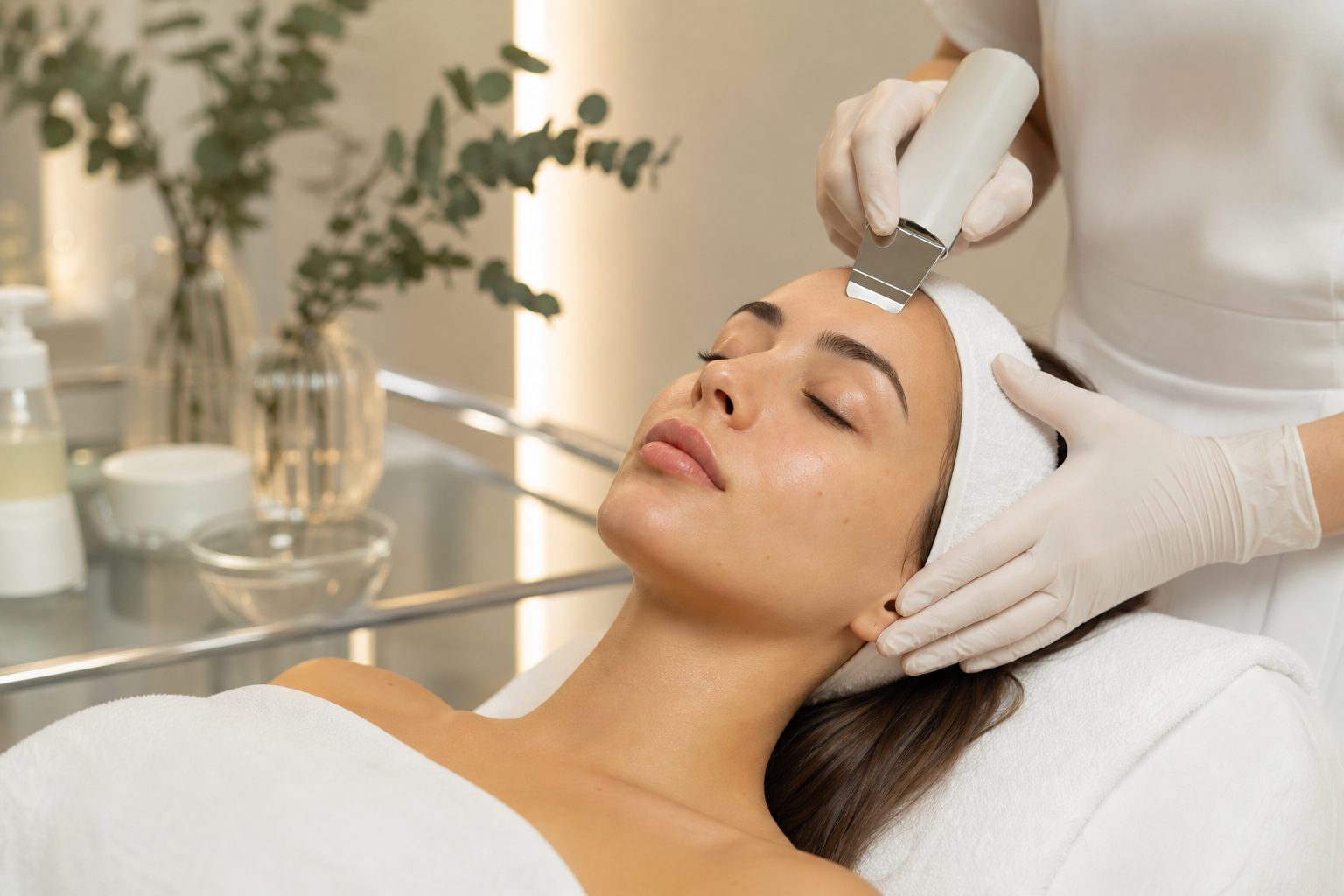
Deep facial cleansing represents a pivotal step in comprehensive skincare routines, targeting the removal of impurities, excess sebum, dead skin cells, and blackheads to reveal a refreshed and healthy complexion. However, the effectiveness and safety of this procedure depend significantly on tailoring the approach to the unique characteristics of individual skin types. Understanding how to customize deep cleansing methods for oily, dry, combination, and sensitive skin is essential not only for enhancing appearance but also for preserving skin health and avoiding irritation or damage.
This article is designed for skincare enthusiasts, professionals, and anyone keen on mastering deep facial cleansing techniques that respect the diversity of skin types. Whether you are a beauty specialist seeking to refine treatment protocols or an individual performing self-care at home, this guide offers evidence-based insights and practical recommendations to adapt cleansing routines appropriately. By aligning deep cleansing practices with skin-specific needs, you can ensure both efficacy and safety, fostering radiant skin sustainably.
Given the array of facial cleansing options available, from mechanical exfoliation to chemical peels, an informed selection rooted in skin type considerations becomes indispensable. Uninformed or generalized treatments may exacerbate skin concerns, leading to inflammation, dehydration, or increased sebum production. Therefore, a nuanced understanding of skin physiology and cleansing modalities forms the foundation for optimal skincare outcomes.
What Constitutes Deep Facial Cleansing and Why Is Skin Type Adaptation Crucial?
Deep facial cleansing exceeds routine surface-level washing by employing techniques that penetrate pores, dissolve comedones, and thoroughly eliminate accumulated debris. This process may incorporate steps like steaming, gentle exfoliation, extraction, and application of specialized cleansers or masks. The goal is to improve texture, clarity, and overall skin integrity, setting the stage for enhanced absorption of subsequent skincare products.
The necessity of customizing this protocol according to skin type arises from intrinsic variations in skin barrier function, sebum production, and sensitivity. For example, oily skin produces surplus sebum that can clog pores and foster acne, demanding degreasing yet gentle cleansing. Conversely, dry skin is characterized by compromised hydration and a fragile lipid barrier, necessitating nourishing and non-stripping methods. Sensitive skin predisposes to irritation from harsh ingredients or mechanical action, while combination skin requires balancing different zones with contrasting needs.
Improperly matched cleansing interventions may trigger adverse reactions such as redness, peeling, heightened oiliness, or breakouts. Therefore, discerning subtle differences in skin biology and responding with targeted approaches preserve skin health and maximize the benefits of deep cleansing.
How to Determine Your Skin Type Accurately Before Deep Cleansing
Before implementing a deep cleansing routine, precise identification of your skin type is paramount. Skin can broadly be classified into oily, dry, combination, or sensitive types, each exhibiting distinctive signs. Oily skin tends to be shiny, with visible pores and susceptibility to acne and blackheads. Dry skin often feels tight, may show flaking, and lacks a natural glow. Combination skin manifests as an oily T-zone (forehead, nose, chin) with drier cheeks. Sensitive skin reacts easily with redness, itching, or burning sensations upon exposure to irritants.
To assess your skin type objectively, start with a clean face devoid of products, and observe how your skin behaves after a few hours. Presence of shine primarily in the T-zone indicates combination, persistent shine suggests oily skin, whereas tightness and roughness point to dryness. If your skin feels comfortable but reacts negatively to various products, it may be sensitive.
For ambiguous or changing skin conditions, consulting skincare professionals or dermatologists equipped with diagnostic tools can provide tailored insights. Proper classification is the cornerstone for selecting compatible deep cleaning agents and techniques.
Effective Deep Cleansing Strategies for Oily Skin: Balancing Purification and Hydration
Oily skin benefits significantly from deep cleansing aimed at removing excess sebum and clearing obstructed pores without over-drying. Excessive cleansing or harsh ingredients can prompt compensatory hyper-secretion of oils, exacerbating the problem.
Optimal deep cleansing for oily skin involves the use of gentle foaming gels or active cleansers containing ingredients like salicylic acid, which penetrates pores to exfoliate and exert anti-inflammatory effects. Performing mild steaming can open pores, facilitating impurity extraction, but care must be taken to avoid overheating or prolonged exposure that could inflame the skin.
Mechanical exfoliation should be cautious and infrequent; instead, biochemical exfoliants based on beta-hydroxy acids offer a safer option. After cleansing, application of lightweight, oil-free moisturizers often containing hyaluronic acid helps maintain hydration without clogging pores. Regular professional deep facial cleansing can assist in managing oily skin, but self-administered treatments require moderation and knowledge.
Deep Facial Cleansing for Dry and Dehydrated Skin: Prioritizing Gentle Nourishment
Dry and dehydrated skin demands a contrasting approach that emphasizes gentle removal of impurities without stripping lipids and moisture. Aggressive cleansers or exfoliants may exacerbate tightness, redness, and sensitivity.
Cleansing formulations for this skin type typically feature creamy, moisturizing bases enriched with ceramides, plant oils, or humectants like glycerin and aloe vera. These components cleanse while replenishing the skin’s natural barrier.
Chemical exfoliation should be minimal and only with mild alpha-hydroxy acids at low concentrations, avoiding physical scrubs which can irritate. Warm, not hot, water aids in cleansing without promoting moisture loss. Integration of soothing masks rich in antioxidants and hydrating agents post-cleansing fosters repair and resilience.
Adhering to these principles protects vulnerable skin layers, promoting comfort and a supple texture.
Balancing Act: Approaches to Deep Cleansing Combination Skin Effectively
Combination skin necessitates a nuanced balancing act due to its mixed nature, with oiliness concentrated in the central facial area and dryness across the cheeks. Uniform cleansing may inadequately address warring demands.
One recommended technique is the selective application of cleansing products—for example, using a foaming gel or salicylic acid-based cleanser on the T-zone to reduce sebum and blackheads, while applying creamier, hydrating cleansers on drier zones. Multi-masking with purifying and moisturizing masks simultaneously may assist in zone-specific management.
Steaming and gentle exfoliation tailored to oily areas can facilitate pore cleansing, while avoiding irritation on sensitive dry patches. Post-cleansing hydration should be balanced with lightweight emulsions or gel-creams that do not clog pores yet provide adequate moisture.
This compartmentalized strategy requires attentive observation and may benefit from professional consultations to optimize results.
Safely Navigating Deep Facial Cleansing for Sensitive Skin
Sensitive skin reacts readily to environmental and product-induced stressors, making deep facial cleansing particularly challenging. The objective is to clean thoroughly without exacerbating redness, itching, or discomfort.
Gentle, fragrance-free cleansers with minimal ingredients are advised. Cleansing should be performed with soft hands, avoiding abrasive tools like brushes or scrubs. The use of products leveraging anti-inflammatory agents such as niacinamide, chamomile, or oat extracts can provide calming effects.
Steaming may be contraindicated due to the risk of aggravation; instead, lukewarm water avoids stripping the skin’s surface. Chemical peels are generally discouraged unless supervised by a professional with experience in sensitive skin management.
After cleansing, barrier-repair moisturizers containing ceramides and occlusive agents support resilience. Patch testing new products prior to full application mitigates unexpected reactions.
Recognizing When Professional Guidance Is Necessary Before Deep Facial Cleansing
While deep facial cleansing can be safely performed at home with informed preparation, certain situations demand professional evaluation. Chronic or severe skin conditions such as rosacea, eczema, psoriasis, or persistent acne require tailored dermatological intervention to avoid harm.
If symptoms like intense redness, inflammation, peeling, or unusual sensitivity occur, or if previous cleansing attempts led to deterioration, consulting a dermatologist is essential. A specialist can accurately diagnose underlying issues, recommend suitable cleansing agents, and possibly perform medically supervised procedures that protect and improve skin health.
Additionally, first-time users of chemical exfoliants or advanced cleansing treatments benefit from expert advice to understand indications, contraindications, and proper application methods.
Key Safety Considerations and Limitations in Deep Facial Cleansing Practices
Excessive or aggressive deep cleansing can disrupt the skin’s natural barrier, leading to dehydration, irritation, or increased vulnerability to environmental aggressors. Frequency and intensity must be calibrated to skin type and condition.
Generally, deep cleansing treatments for oily or combination skin may be conducted once or twice monthly, whereas dry and sensitive skin require less frequent and more delicate interventions. Avoid overuse of chemical peels or vigorous mechanical scrubs.
It is vital to select products that complement your skin’s biology and to discontinue treatments causing adverse effects immediately. Maintaining vigilant observation of skin responses ensures early correction and prevents long-term consequences.
Post-Cleansing Skincare: Essential Practices to Support Skin Recovery and Maintain Health
Following deep facial cleansing, the skin’s permeability increases, necessitating protective and restorative care. Hydration is fundamental, achieved through serums or moisturizers rich in hyaluronic acid, ceramides, and antioxidants to reinforce barrier function and soothe potential irritation.
Applying broad-spectrum sunscreen daily is crucial to defend against ultraviolet damage, particularly after exfoliation, as skin may be more sensitive to light exposure. Avoiding makeup and harsh treatments for at least 24 hours post-cleansing facilitates regeneration.
Incorporating calming masks, gentle massage, or targeted serums can extend benefits and maintain skin balance. Listening to your skin’s needs and responding adaptively prevents complications and supports a radiant complexion.