In the realm of skincare and aesthetic treatments, both sunbeds and laser hair removal have carved out significant niches. These procedures are routinely sought by individuals aiming to enhance their appearance, whether for a long-lasting smooth skin effect or a radiant sun-kissed glow. Yet, when considering the combination or sequencing of sunbed use and laser hair removal, many find themselves confronted with questions regarding safety, effectiveness, and how one treatment might influence the results of the other.
This article is designed to address exactly these concerns. It is intended for anyone contemplating the use of sunbeds alongside laser hair removal—whether you are already engaged in one or both treatments, or are planning to incorporate them into your personal care routine. Understanding the physiological interactions between ultraviolet (UV) exposure from sunbeds and the mechanism of laser hair removal is crucial. Equally important is knowing how to approach these treatments safely without compromising skin health or treatment outcomes.
Given the increasing prevalence of both procedures, it is paramount to explore their interplay responsibly. We aim to clarify how sunbed exposure affects the skin in the context of laser hair removal, detail professional recommendations on treatment timing, outline the risks associated with UV exposure before or after laser treatments, and suggest alternative methods for achieving aesthetic goals without jeopardizing skin integrity. This informed perspective should empower readers to make thoughtful, health-conscious decisions regarding their skincare and beauty regimens.
Understanding the Mechanisms: How Sunbeds and Laser Hair Removal Affect the Skin
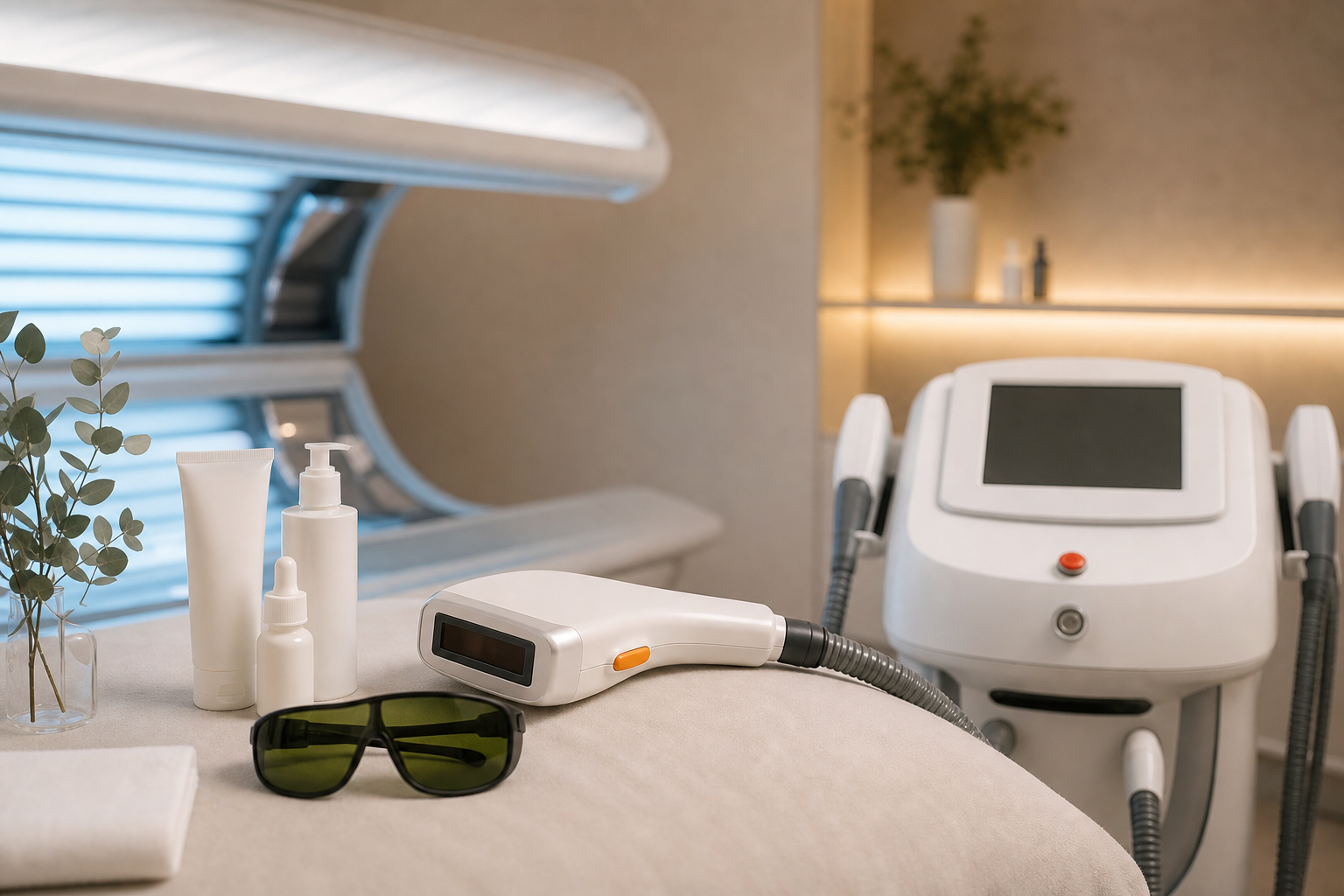
Sunbeds function by emitting ultraviolet rays, primarily UVA radiation, which penetrate the skin's deeper layers. This exposure triggers melanocytes—cells responsible for skin pigmentation—to increase melanin production. The resulting effect is a tanned complexion, mimicking the skin’s natural response to sun exposure.
However, this intentional stimulation comes with cellular stress. The UV radiation from sunbeds can accelerate skin aging, contribute to DNA damage in skin cells, and increase the long-term risk of skin cancers. These effects are cumulative and depend on frequency and intensity of exposure.
Laser hair removal, conversely, employs targeted light energy designed specifically to be absorbed by melanin within hair follicles. This absorption converts light into heat, effectively disabling the follicle’s ability to regenerate hair without adversely impacting surrounding skin tissue. The efficacy and safety of this treatment hinge on precise targeting; excessively pigmented skin can absorb more laser energy, complicating treatment and increasing side effects.
Why Timing Matters: The Importance of Coordinating Sunbed Use and Laser Hair Removal
Given the interplay of melanin absorption in both processes, timing between sunbed sessions and laser hair removal treatments becomes critical. A tan induced by sunbed use increases melanin concentration in the skin, not just in the hair follicle but throughout the epidermis. This elevated pigment level can divert laser energy away from the target follicle, reducing treatment efficacy and heightening the potential for adverse effects such as burns or skin discoloration.
Furthermore, skin that has been recently exposed to UV radiation is inherently more sensitive. Undergoing laser hair removal during this heightened reactivity can exacerbate inflammation, causing discomfort, redness, or longer healing times.
Because individuals vary widely in skin type, tan depth, and their skin’s reaction to both UV light and laser exposure, no universal waiting period can be prescribed. Instead, it is essential to consult with dermatology professionals who can evaluate one’s unique skin condition and advise on safe intervals between treatments.
What Are the Risks of Combining Sunbed Exposure with Laser Hair Removal?
The risks associated with closely timed sunbed use and laser hair removal are multifaceted. First, increased melanin from recent tanning can lead to uneven energy absorption during laser treatment, raising the likelihood of hyperpigmentation (dark spots) or hypopigmentation (light spots).
Second, the compounded stress of UV-induced skin damage plus laser-induced heat may heighten the chance of burns, swelling, and irritation. For skin already in a delicate reparative phase following laser hair removal, subsequent UV exposure from sunbeds might prolong recovery and increase discomfort.
Finally, although direct evidence tying laser hair removal and UV tanning to serious skin disease is limited, the recognized risks of UV radiation exposure alone—such as heightened chances of skin cancers—underscore the prudence of minimizing unnecessary UV stress.
What Do Experts Recommend Regarding Sunbed Use Around Laser Hair Removal?
Professional guidance consistently advises against tanning immediately before or after laser hair removal sessions. Dermatologists emphasize allowing skin sufficient time to restore its normal pigment levels and barrier function to optimize laser effectiveness and reduce complications.
Individual consultation is paramount; practitioners assess factors such as skin phototype, extent of tanning, prior treatments, and overall skin health to tailor advice. This personalized approach ensures treatments are safe, effective, and aligned with patient goals.
Moreover, practitioners may suggest alternatives to sunbed tanning in the peri-treatment period to maintain aesthetic preferences without compromising skin safety.
Exploring UV-Free Alternatives for a Sun-Kissed Look Compatible with Laser Hair Removal
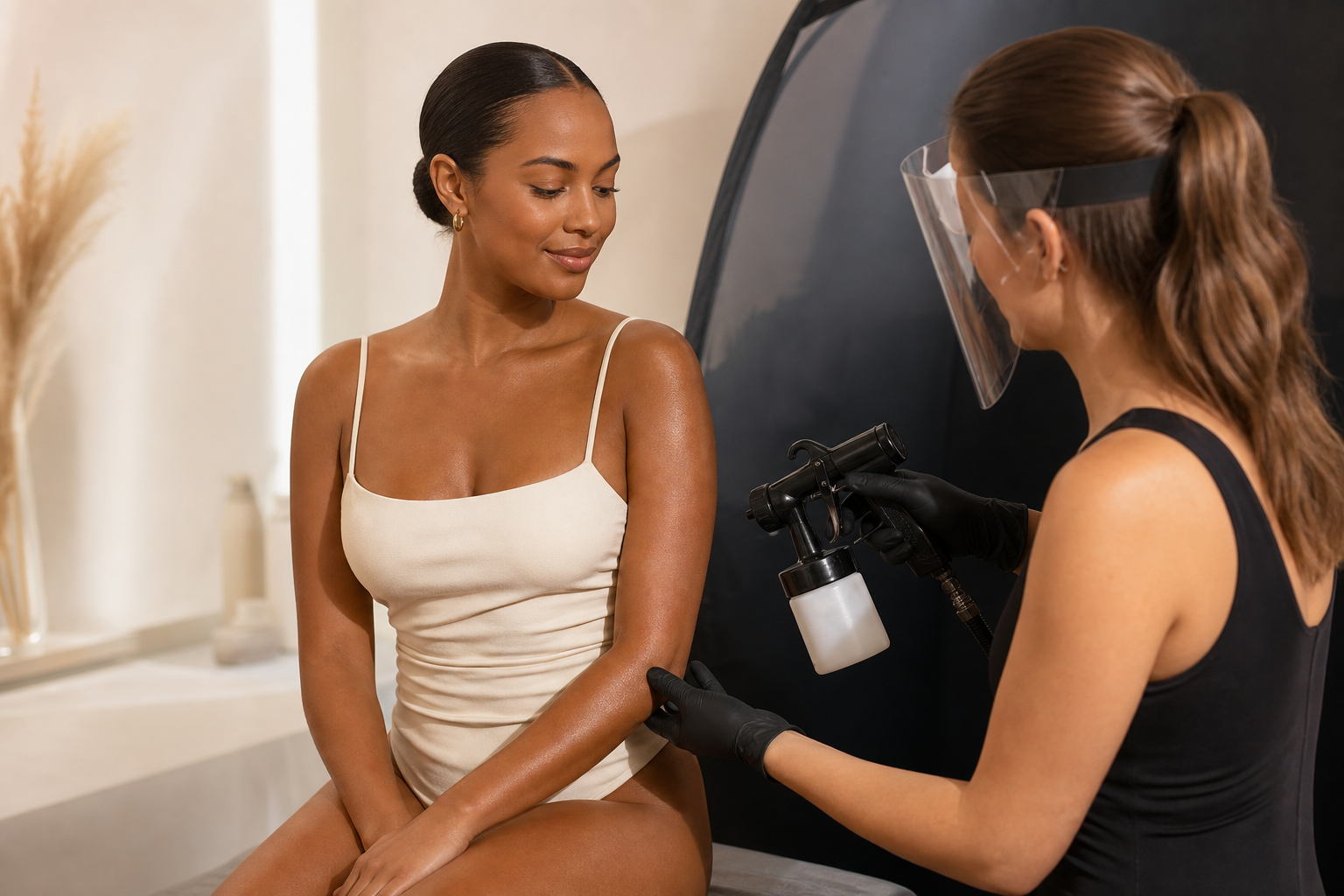
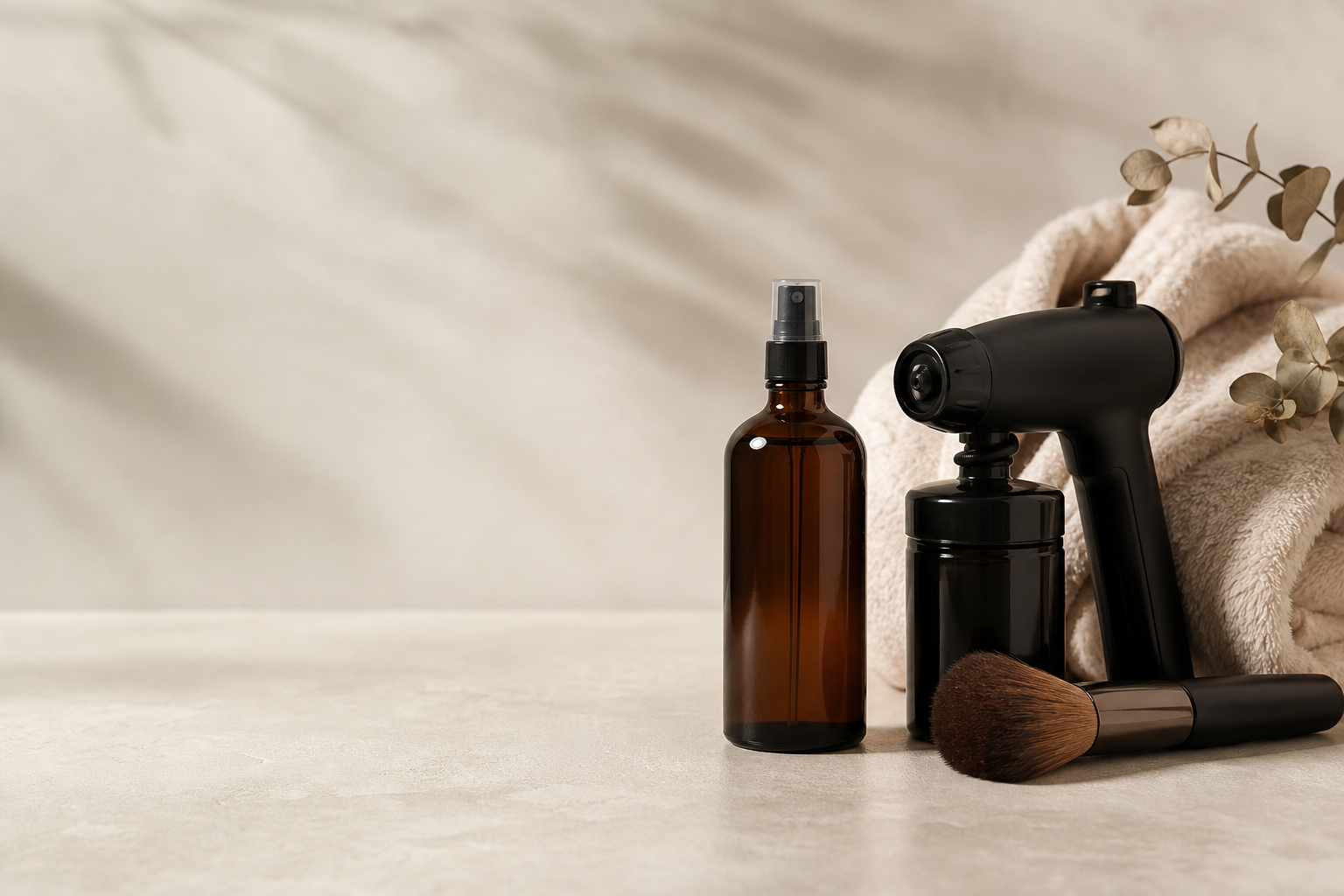
For those seeking a bronzed complexion without the risks tied to UV radiation, a variety of options exist that harmonize well with laser hair removal protocols. Spray tans and self-tanning products can impart a natural-looking color to the skin without penetrating or altering melanin pigment within the basal skin layers.
It is essential to recognize that these cosmetic tans do not offer protection against UV radiation; sunscreen use remains mandatory during any sun exposure. Nevertheless, they circumvent the risks of UV-induced skin sensitization and pigment changes that could interfere with laser treatments.
Incorporating these alternatives allows for maintaining an even, glowing skin tone while avoiding the pitfalls of sunbed use. Such approaches align well with a conscientious skincare regimen emphasizing long-term skin health.
Consultation and Individualized Planning: Pillars of Safe Combined Treatment
A fundamental takeaway for anyone considering sunbeds and laser hair removal is that consultation with qualified healthcare professionals is indispensable. Dermatologists, laser technicians, and pharmacists are equipped to provide tailored guidance accounting for medical history, skin type, current skin conditions, and medications that may affect treatment safety.
Because no single protocol suits all individuals, this bespoke planning optimizes treatment outcomes and minimizes complications. It also reinforces the importance of patients voicing concerns, sharing their skin care routines, and following professional advice rigorously.
Incorporating these consultative steps fosters a safety-first mindset that prioritizes the integrity of the skin and the longevity of the desired aesthetic results.