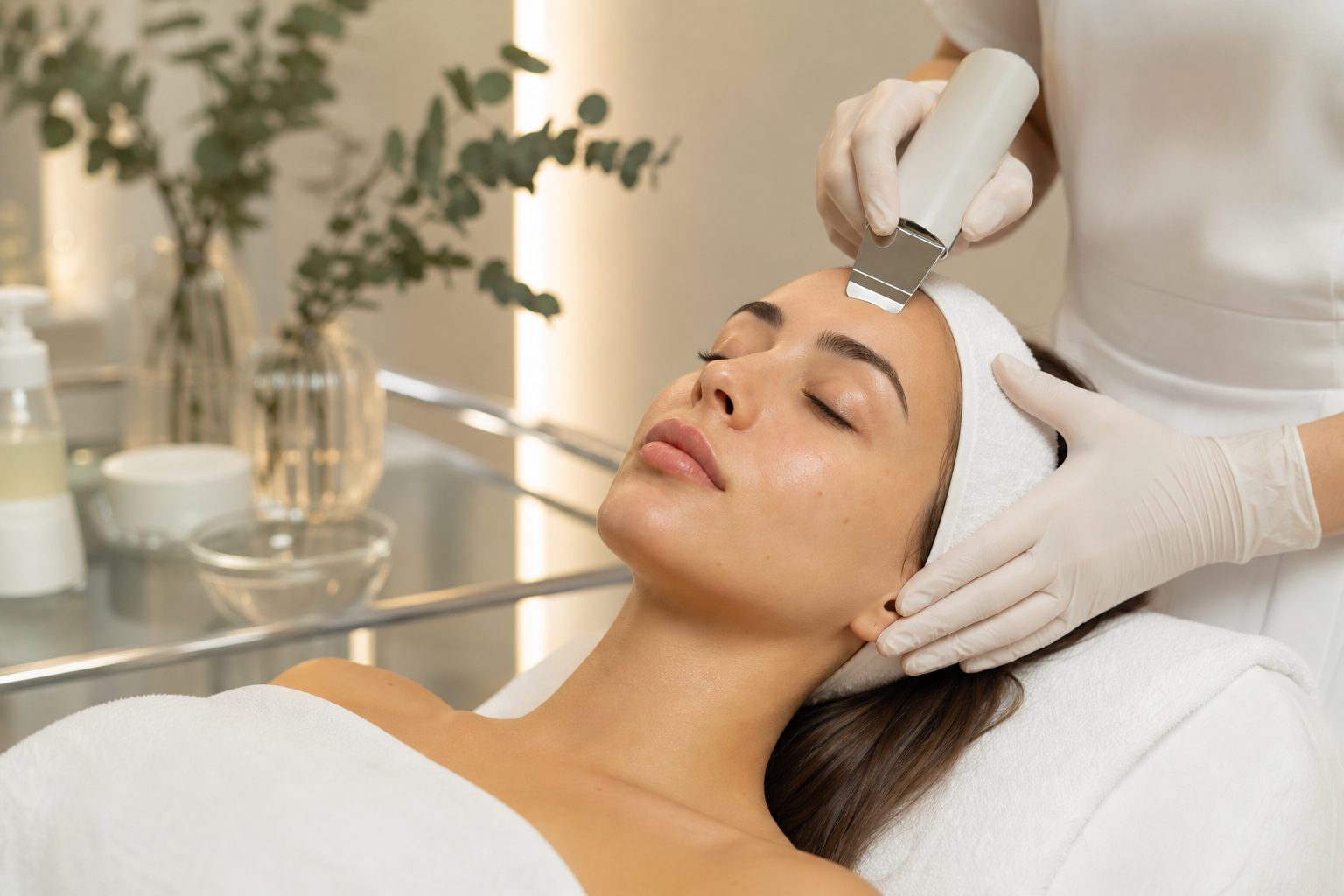
Deep cleansing for oily skin is a specialized skincare approach that targets the chronic challenges faced by individuals with excess sebum production. Unlike routine cleansing routines, deep cleansing aims to thoroughly remove trapped dirt, bacteria, dead skin cells, and the surplus oils that clog pores, while maintaining the delicate balance of the skin's natural protective barrier. This type of cleansing is essential for those prone to oily skin issues such as persistent shine, frequent breakouts, enlarged pores, and irritation from unsuitable products.
Understanding the nuances of deep cleansing for oily skin is critical, not only for individuals directly experiencing these concerns but also for skincare professionals who recommend treatments tailored to specific skin types. Employing the right methods and products designed for deep pore care can substantially improve the skin’s health, minimizing inflamed blemishes and balancing oil secretion that contributes to an uneven complexion.
This article is crafted for those seeking effective strategies for managing oily skin through targeted deep cleansing. Whether struggling with acne, clogged pores, or the quest for a less shiny, healthier facial appearance, exploring the foundational principles and best practices of deep cleansing is invaluable. As oily skin requires a nuanced care routine to avoid exacerbating problems commonly associated with excess sebum, attention to detail and informed product choices become paramount.
What Is Deep Cleansing for Oily Skin and Why Is It Essential?
Deep cleansing for oily skin involves a meticulous process that goes beyond surface-level cleansing. It targets the accumulations inside the pores — excess sebum, dead skin cells, impurities, and bacteria — factors that standard washing often misses. These accumulations are the breeding ground for acne and other skin irritations commonly seen with oily skin types.
Oily skin is characterized by hyperactive sebaceous glands producing more oil than necessary, which can create a shiny layer on the face and encourage pore blockages. The consequence of this imbalance is frequent blackheads, whiteheads, and pimples. Hence, deep cleansing becomes vital in normalizing sebum levels and supporting pore health.
Beyond the cosmetic benefit of a clearer, matte complexion, deep cleansing acts as a preventative care measure. By maintaining pore cleanliness, it reduces inflammation risk and bacterial overgrowth, which are common catalysts for acne flare-ups. Thus, deep cleansing is not merely about appearance but integral to skin’s overall health management.
Who Benefits Most from Deep Cleansing Treatments for Oily Skin?
Individuals with oily or combination skin types who frequently experience shine, blemishes, or clogged pores stand to gain the most from targeted deep cleansing routines. Those dealing with stubborn acne and visible pore congestion will find these cleansing protocols helpful in managing and improving their skin condition.
Moreover, people wanting to prevent the onset of acne or maintain skin clarity amid oily tendencies should incorporate deep cleansing steps into their skincare regimen. It serves both as a therapeutic and a protective measure to stabilize oily skin’s often unpredictable behavior.
Conversely, individuals with sensitive or dry skin must approach deep cleansing with caution. For these groups, professional advice may be necessary to avoid irritation or damage stemming from overly harsh cleansing agents designed for oil-heavy skin.
What Are the Advantages of Proper Deep Cleansing for Oily Skin?
Implementing deep cleansing tailored for oily skin offers multidimensional benefits. Primarily, it effectively removes blockages within pores, which translates to fewer breakouts and clearer skin texture. Eliminating the excess oil that accumulates throughout the day helps achieve a reduction in unwanted facial shine and a balanced skin surface.
Additionally, by lifting dead skin cells and impurities, deep cleansing encourages skin cell renewal, resulting in a brighter and more even-toned complexion. It also supports the improved penetration of subsequent skincare products, allowing for better hydration and treatment absorption.
Regular deep cleansing contributes to a smoother skin texture and can boost overall confidence, as individuals notice diminished acne, refined pores, and a more controlled oily appearance.
How Does Deep Cleansing for Oily Skin Differ from Cleansing Other Skin Types?
The process and product selection for deep cleansing oily skin differ notably from those used for dry or sensitive skin types. Oily skin requires agents that can dissolve excess oils and exfoliate pore linings without stripping the skin completely, which would otherwise trigger compensatory oil overproduction.
For example, deep cleansing oily skin often utilizes ingredients such as salicylic acid (a beta-hydroxy acid) that penetrates deep into pores to dissolve oil and debris. Chemical exfoliants like glycolic acid may also be incorporated to gently slough off dead cells and reduce pore congestion.
In contrast, cleansing dry or sensitive skin focuses more on hydration and barrier protection, employing milder, cream-based cleansers that do not threaten the skin’s moisture levels. Aggressive cleansing routines appropriate for oily types may damage such delicate skins.
What Steps Constitute an Effective Deep Cleansing Routine at Home for Oily Skin?
A successful home deep cleansing regimen for oily skin consists of a balanced sequence of thorough but gentle steps:
Step 1: Makeup and Surface Impurity Removal – Begin with a gentle cleanser or micellar water designed to dissolve surface oils and makeup residue without irritation.
Step 2: Exfoliation – Two times per week, apply an exfoliant containing beta-hydroxy acids like salicylic acid to penetrate pores and remove dead skin cells, preventing buildup that leads to blackheads and blemishes. Avoid over-exfoliation to prevent skin barrier disruption.
Step 3: Toning – Use an alcohol-free toner that restores the skin’s pH balance and smooths the skin, prepping it to better absorb hydration products.
Step 4: Moisturizing – Despite oily skin, hydration remains essential. Choose a lightweight, non-comedogenic moisturizer with ingredients that regulate sebum and soothe the skin.
Consistency and attention to product ingredients are paramount in maintaining a healthy oily complexion through home deep cleansing.
When to Seek Professional Advice for Deep Cleansing of Oily Skin?
It is advisable to consult a dermatologist or licensed cosmetologist when home cleansing methods fail to produce improvement or when acne severity rises. Professional treatments can offer stronger but safe exfoliations, extractions, and customized product recommendations that address deeply rooted oily skin challenges.
Individuals experiencing persistent inflammation, scarring, or signs of infection should prioritize professional evaluation, as improper self-treatments can worsen their skin condition.
Professionals can also tailor deep cleansing techniques to one’s specific skin condition, ensuring balanced oil control without compromising skin integrity.
Are There Risks or Limitations Associated With Deep Cleansing for Oily Skin?
While beneficial, deep cleansing can bear risks if not done properly. Over-exfoliating or using harsh products may strip the skin, leading to irritation, dryness, or an increased oil response as the skin attempts to compensate.
Oily skin individuals with sensitive tendencies need to be vigilant about allergic reactions or excessive redness resulting from aggressive cleansing agents.
Moreover, manual extraction of blemishes during or after deep cleansing, if done incorrectly, can spread bacteria and potentially cause scarring.
Therefore, moderate and thoughtful application of deep cleansing techniques is essential to avoid unintended harm.
How Can Daily Skincare Complement Deep Cleansing for Oily Skin?
Deep cleansing alone isn’t sufficient for optimal oily skin health. Daily skincare should incorporate gentle cleansing routines to manage surface oils, alongside targeted products that regulate sebum production without clogging pores.
Components such as niacinamide, zinc, and hyaluronic acid in moisturizers can enhance skin balance and hydration in non-greasy formulas suitable for oily skin.
Sun protection using oil-free, non-comedogenic sunscreens is also critical to maintaining healthy skin and preventing irritation that can worsen oiliness or blemishes.
What Results Can Be Anticipated Following Deep Cleansing for Oily Skin?
Post deep cleansing, a temporary mild redness or tight feeling may occur as the skin adjusts; these symptoms usually resolve within hours to a day. Users often report a fresher, clearer, and less shiny complexion with minimized pore appearance.
However, deep cleansing is part of an ongoing skincare process and not an instant cure. Long-term use combined with appropriate maintenance helps sustain improvements and prevents new skin issues.
Any prolonged irritation or worsening symptoms should prompt consultation with a skincare specialist to reassess the regimen.


