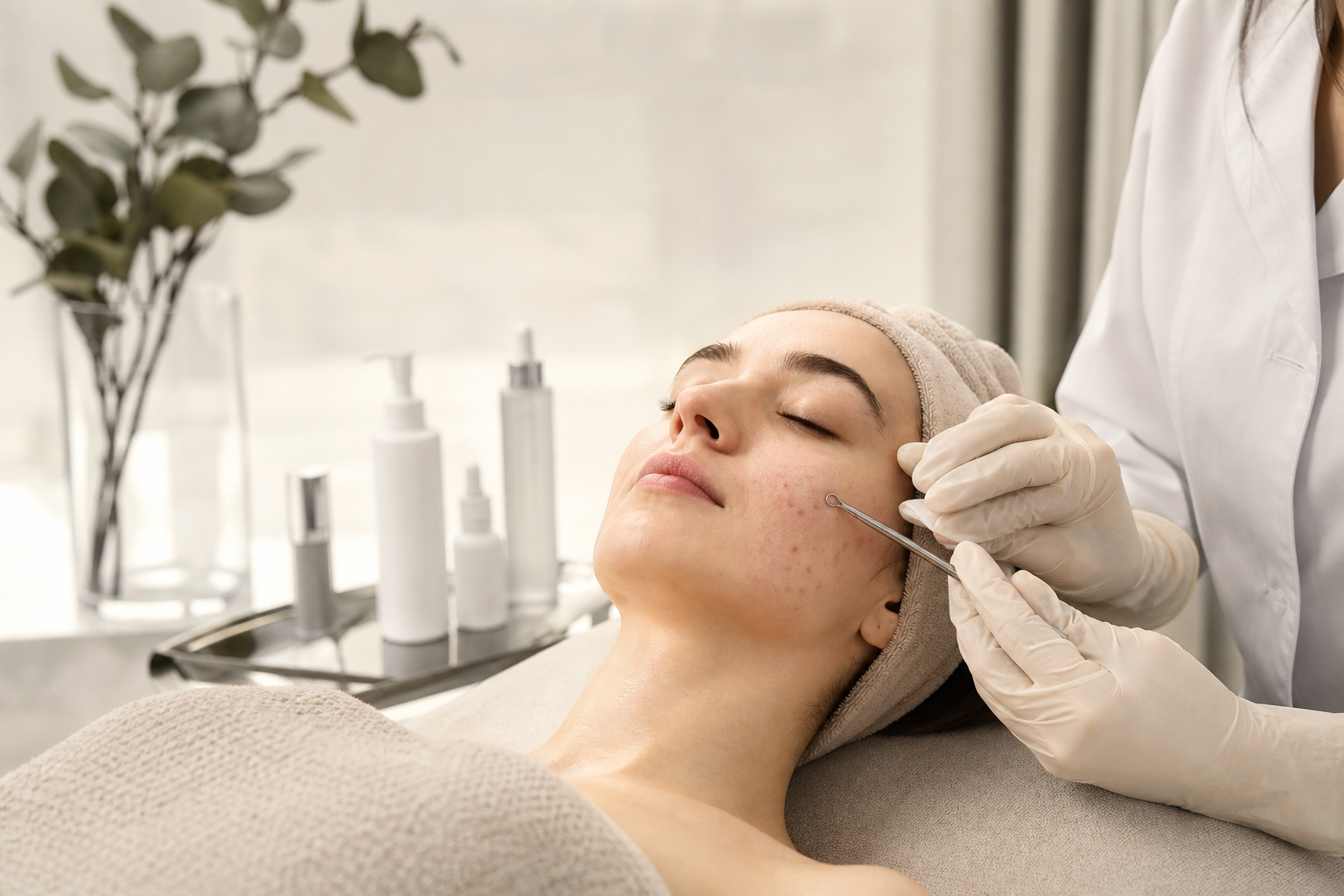
Acne is a prevalent skin condition affecting individuals across various age groups and skin types, prompting frequent inquiries about the safest and most effective treatment methods. Among these, manual extraction stands out as a common technique aimed at removing clogged pores and blemishes. However, not all acne lesions are suitable for manual extraction, and understanding the nuances of which types can be safely treated in this way is crucial for both skincare enthusiasts and professionals.
This article seeks to clarify which forms of acne can be manually extracted without compromising skin health, who should perform these extractions, and under what circumstances manual extraction should be avoided. It provides insight into why differentiating acne types matters, the risks associated with improper extraction, and how to integrate safe practices into personal or professional skincare routines. Whether you are managing mild comedonal acne at home or considering professional facial rituals, this comprehensive guide offers valuable knowledge to optimize outcomes and minimize complications.
Manual acne extraction is especially relevant for individuals experiencing comedonal acne—characterized by the presence of blackheads and whiteheads—who desire clear skin without resorting to invasive medical treatments. By understanding the delicate balance between skin anatomy, acne pathology, and extraction techniques, readers will be empowered to make informed decisions that support skin wellness and aesthetic goals.
Understanding Acne Types: Why Classification Matters for Manual Extraction
Acne manifests in various forms, ranging from non-inflammatory comedones to inflammatory lesions and deeper nodular cysts. The safety and efficacy of manual extraction are inherently tied to the nature of these lesions. Comedonal acne, involving blackheads (open comedones) and whiteheads (closed comedones), is generally considered the appropriate target for manual extraction due to its superficial blockage of hair follicles without significant inflammation.
Blackheads appear as small dark spots on the skin, resulting from the oxidation of sebum and keratin within open pores. Whiteheads, on the other hand, are small, flesh-colored bumps where the pore is clogged but remains closed, preventing oxidation. These are primarily mechanical obstructions without active inflammation, which makes extraction less risky when performed correctly.
In contrast, inflammatory acne lesions such as papules, pustules, nodules, and cysts involve localized infection, redness, and swelling. Attempting manual extraction on these types of acne can exacerbate inflammation, increase the risk of scarring, and potentially spread infection to surrounding skin areas. Therefore, correct lesion assessment is vital before considering manual extraction as a treatment strategy.
Which Types of Acne Are Suitable for Safe Manual Extraction?
The core principle in acne management through manual extraction is to focus exclusively on non-inflammatory lesions. Specifically, the following types are typically deemed safe for extraction under appropriate conditions:
Closed Comedones (Whiteheads): These blocked follicles present as small, skin-colored bumps often found on the forehead, chin, and nose. Since they represent a closed pore clogged with keratin and sebum, gentle extraction can help clear the blockage and prevent progression to inflammatory lesions.
Open Comedones (Blackheads): Open comedones are visible as small black dots on the skin surface, caused by oxidized material in the pore. Manual extraction helps dislodge the clog, promoting clearer pores and improved skin texture.
It is important to emphasize the following acne types are not safe for manual extraction:
Papules and Pustules: These inflamed red bumps, often tender or painful, indicate active infection and should be treated with medical therapies rather than manual extraction.
Nodules and Cysts: Deep, often large, painful lesions involving significant swelling and inflammation. Manual extraction can cause rupture and severe scarring; these require dermatological intervention.
Identifying these distinctions can help avoid exacerbating acne conditions through inappropriate manual extraction attempts.
Who Should Perform Manual Acne Extraction: Home Care, Esthetician, or Dermatologist?
The decision about who performs manual extractions depends on acne severity, skin sensitivity, and the individual's skill and knowledge level.
At-Home Manual Extraction: For people dealing with mild comedonal acne, at-home extraction can be a practical component of skincare if done responsibly. Hygiene is paramount; the use of clean hands or sterile extraction tools, proper skin cleansing, and gentle pressure to avoid trauma are essential. However, lack of experience increases the risk of skin injury and infection, so only those well-informed about technique should attempt self-extraction. Incorrect method or aggressive squeezing can lead to irritation, microtears, and long-term pigment changes.
Certified Estheticians: Professional estheticians trained in facial treatments and acne management offer a safer alternative for manual extraction. They employ sterile instruments and controlled techniques in a hygienic environment, reducing risks of infection and scarring. Estheticians assess skin condition comprehensively, often integrating extractions into broader deep cleansing facials designed to improve skin health and appearance.
Dermatologists: Medical professionals should be consulted for inflammatory or severe acne types. Dermatologists not only perform extractions under sterile conditions but can also prescribe medications (topical or systemic) to address the underlying pathology, inflammation, and prevent scarring. For complex acne, dermatological intervention provides a more holistic and effective approach than manual extraction alone.
Key Safety Considerations and Potential Risks of Manual Acne Extraction
While manual extraction may seem straightforward, several safety considerations must be taken into account to prevent adverse outcomes:
Proper Sterilization: Both the skin and extraction instruments must be thoroughly sterilized to prevent introduction of bacteria into the follicles, which can worsen acne or cause secondary infections.
Adequate Training and Technique: Excessive force or improper suction can traumatize the skin, causing microtears, prolonged redness, swelling, and potential scarring. The use of specific extraction tools designed to apply even pressure around the comedone base is recommended over finger squeezing.
Avoiding Extraction on Inflamed Lesions: As inflammation signifies active infection or skin injury, attempting to extract such lesions increases the risk of fibrosis and undesirable pigmentation changes.
Awareness of Skin Sensitivity and Condition: Skin types prone to sensitivity or with underlying dermatological conditions require personalized assessment to ascertain if extraction is advisable.
Ultimately, manual extraction must be performed conservatively, and repeated, frequent extractions should be avoided to prevent damage to the skin barrier and maintain healthy healing processes.
Preparing for and Caring for Skin Before and After Manual Extraction
Preparation enhances extraction success and mitigates risks. Prior to extraction, gentle warming of the skin via steam or warm compresses helps to open pores and soften sebum plugs. Proper cleansing removes surface dirt and excess oils, reducing the bacterial load.
Post-extraction care is critical to soothe and protect the skin. Skin may appear red and sensitive, and mild inflammation is a normal response. Application of gentle, non-comedogenic moisturizers and calming serums aids in skin recovery. Avoiding harsh skincare products that may irritate the treated areas during the healing phase is advisable.
Additionally, protecting the skin from UV exposure is essential, as post-extraction skin can be more vulnerable to sun damage and hyperpigmentation. Using sunscreen with appropriate SPF prevents adverse pigmentation changes during recovery.
Integration of Manual Extraction into a Broader Acne Care Regimen
Manual extraction represents one facet of a comprehensive strategy for managing acne-prone skin. It works best in synergy with other approaches such as consistent skincare routines, topical treatments, and when necessary, medical therapies.
Deep Cleansing Facials tailored for acne-prone skin can incorporate manual extraction along with exfoliation, calming masks, and hydration to support clearer, healthier skin. Professional guidance ensures that extraction complements other treatments and respects skin integrity.
For those seeking in-depth insights, exploring resources like Deep Cleansing for Acne-Prone Skin: Options and Limitations and Deep Facial Cleansing: A Comprehensive Guide can provide further context on how manual extraction fits within facial rituals designed for acne management.
Moreover, understanding the limitations of manual extraction clarifies that it is neither a standalone cure nor suitable for all acne types; rather, it should be part of a well-rounded approach guided by skin condition and professional advice.
Common Questions on Manual Extraction of Acne Answered
Can manual extraction be performed on all blackheads and whiteheads safely?
While most comedonal lesions are suitable candidates for extraction, it is important to assess for subtle signs of inflammation or skin sensitivity before attempting. Only lesions without redness or tenderness should be extracted.
Does manual extraction worsen acne or cause scars?
If performed incorrectly—such as with excessive force or on inflamed lesions—manual extraction can aggravate acne and increase scarring risk. Proper technique and hygiene reduce these risks considerably.
How often should manual extraction be performed?
Frequency depends on individual skin response and severity of comedonal buildup. Generally, it is advisable to limit extraction sessions to once every few weeks under proper conditions to avoid irritation.
What precautions should be taken when performing at-home extractions?
Wash hands and clean tools thoroughly, cleanse the skin gently before and after, avoid aggressive pressure, and discontinue extraction if lesions appear inflamed or painful.


