Vitamin D plays a pivotal role in maintaining human health, influencing bone strength, immune responses, and a myriad of metabolic processes. Among the various ways to obtain this essential nutrient, cutaneous synthesis stimulated by ultraviolet B (UVB) radiation is well-established. With the allure of controlled ultraviolet exposure through sunbeds (also known as tanning beds or solariums), many wonder if these devices serve as a reliable source for vitamin D production. This query holds importance for individuals seeking effective strategies to manage their vitamin D status, particularly in regions or seasons with limited natural sunlight.
This article is curated for anyone aiming to grasp the scientific realities behind sunbeds as vitamin D sources—whether you are a health-conscious individual, a skincare professional, or someone considering artificial UV exposure to improve your vitamin D levels. Understanding this relationship is critical; it informs healthier choices while acknowledging potential risks associated with UV radiation.
We will thoroughly examine how sunbeds work in the context of vitamin D synthesis, evaluate their efficacy and safety, explore safer and proven alternatives for maintaining optimal vitamin D levels, and clarify common misconceptions surrounding this topic. This evidence-based discussion strives to equip readers with factual clarity devoid of promotional bias, assisting informed decisions that prioritize your well-being.
What Is Vitamin D and Why Is It Vital for Health?
Vitamin D is a fat-soluble compound crucial for the regulation of calcium and phosphate metabolism, which directly impacts bone mineralization, dental health, and muscular function. Additionally, vitamin D affects the immune system and may influence the risk and progression of certain chronic diseases. Deficiency or insufficiency can result in various health concerns, from rickets in children and osteomalacia in adults to potential immunodeficiency-related complications.
The body primarily synthesizes vitamin D3 (cholecalciferol) when the skin is exposed to sufficient quantities of UVB radiation from sunlight. This endogenously produced vitamin D must undergo further metabolic activation in the liver and kidneys to become biologically active. However, factors such as seasonal changes, higher latitudes, indoor lifestyles, darker skin pigmentation, aging, and sunscreen use can markedly reduce natural UVB exposure and thus vitamin D synthesis.
Consequently, ensuring adequate vitamin D levels remains a challenge, particularly during winter months or in geographically disadvantaged settings. This predicament prompts consideration of alternative methods, including diet, supplementation, and artificial UV exposure methods like sunbeds.
How Do Sunbeds Work and What Types of UV Rays Do They Emit?
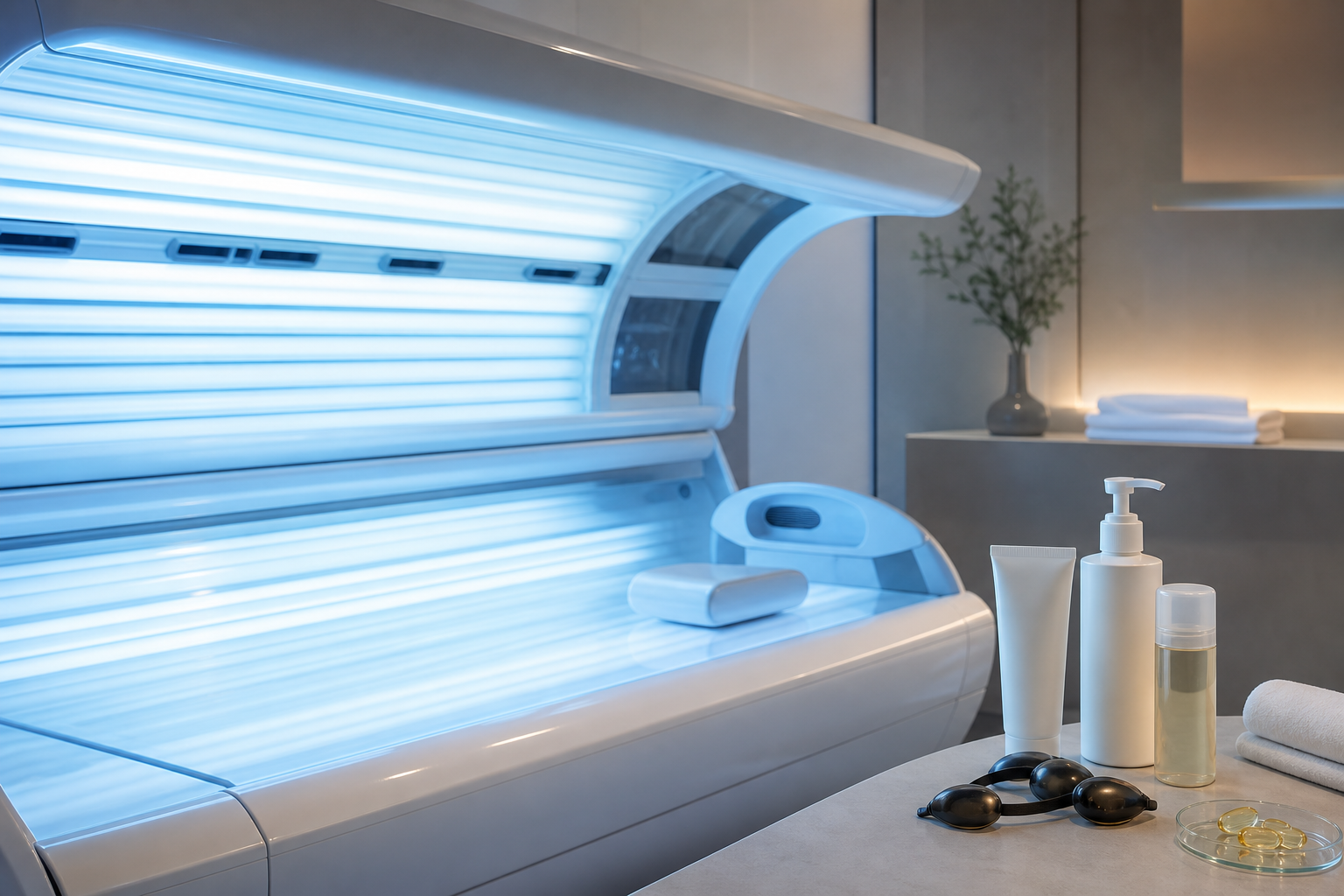
Sunbeds are devices designed to emit controlled ultraviolet radiation aimed at inducing skin tanning. They typically generate a blend of UVA and UVB radiation, although the ratio and intensity vary by device and lamp type. UVA rays (320–400 nm) penetrate deeper into the dermis and are associated mainly with tanning effects, premature skin aging, and DNA damage, whereas UVB rays (290–320 nm) have higher energy and are critical for vitamin D synthesis but also directly cause sunburn and contribute to skin carcinogenesis.
Most commercial sunbeds emit a predominance of UVA with a relatively lower fraction of UVB radiation compared to natural sunlight. The UV irradiance spectrum is optimized for cosmetic tanning rather than therapeutic vitamin D stimulation. Consequently, the balance of UVA to UVB is often skewed towards UVA, decreasing the potential vitamin D producing capacity of these devices.
It is crucial to distinguish between the types of UV radiation from natural sun exposure and sunbeds, since the biological effects and risks differ markedly. Sunbeds do not replicate the full spectrum of solar radiation and often provide inconsistent UVB doses necessary for reliable vitamin D synthesis.
Do Sunbeds Provide a Sufficient and Reliable Source of Vitamin D?
The key factor determining vitamin D production in the skin is exposure to UVB radiation. Although sunbeds emit UVB, the percentage and intensity are generally limited. This characteristic reduces their effectiveness as a vitamin D source compared to natural sunlight. Scientific studies confirm that while sunbed use can increase serum vitamin D levels, the increments are variable and often lower than those achieved with sun exposure or supplementation under safe conditions.
Moreover, the predominant UVA radiation in many sunbeds contributes negligibly to vitamin D synthesis and nonetheless poses risks associated with DNA damage. Therefore, relying on sunbeds for vitamin D production may not yield consistent or sufficient results for maintaining optimal vitamin D status.
It is important to note that vitamin D synthesis via UVB requires precise wavelengths and doses, which are difficult to control with commercial tanning beds operated outside medical supervision. Hence, sunbeds are not a dependable or medically endorsed option for addressing vitamin D insufficiency or deficiency.
What Are the Health Risks Associated with Using Sunbeds for Vitamin D?
Artificial UV radiation from sunbeds carries inherent health risks that must be carefully weighed. These include acute effects such as skin erythema (sunburn), as well as chronic consequences like photoaging, immunosuppression, DNA mutations, and increased risks of cutaneous malignancies—most notably melanoma and non-melanoma skin cancers.
The risk is amplified when sunbeds are used frequently or without regulatory compliance. Individuals with fair skin, a history of skin cancer, or genetic predispositions are particularly vulnerable. Importantly, the potential harms of UV exposure may outweigh uncertain vitamin D benefits when sunbeds are used loosely as vitamin D supplements.
Unlike medically supervised phototherapy, which employs calibrated UV doses for specific dermatological conditions, sunbeds do not typically offer controlled or individualized treatment settings. This lack of control complicates safe usage, making their employment for vitamin D synthesis inadvisable.
What Are Safer and More Effective Alternatives to Sunbeds for Maintaining Vitamin D Levels?
Recognizing the limitations and risks of sunbed use, healthcare professionals generally advocate for alternative strategies to ensure sufficient vitamin D. Dietary sources such as oily fish, fortified dairy products, and eggs provide vitamin D incrementally, though may be insufficient alone for many individuals.
Vitamin D supplements present a practical and well-researched option for correcting or preventing deficiency, with dosing tailored to individual needs under healthcare provider guidance. Such supplementation avoids UV exposure risks while effectively raising serum vitamin D concentrations.
Additionally, exposure to moderate, safe amounts of natural sunlight remains advantageous, tailored to local conditions and skin type to minimize risks. For those seeking a tanned appearance without UV exposure, cosmetic products like spray tans or lotions provide color without biological effects or UV protection, underscoring that cosmetic tanning is not a substitute for vitamin D synthesis or sun protection.
Why Isn’t Solar UV Exposure from Sunbeds Recommended to Correct Vitamin D Deficiency?
Despite the theory that sunbeds could elevate vitamin D status, expert consensus, including dermatological and public health authorities, generally advises against this practice. The unreliable UVB emission, combined with significant UVA exposure, complicates benefits versus risks calculations.
Clinical management of vitamin D deficiency emphasizes proven methods such as supplementation and controlled sun exposure rather than artificial tanning beds. Sunbed use for vitamin D purposes lacks standardized guidelines, posing challenges in safe dose administration and monitoring.
Furthermore, indiscriminate UV exposure may foster adverse dermatologic and oncologic outcomes, particularly when used as a substitute for medically supervised approaches like phototherapy or supplement regimens.
How Should Individuals Approach Vitamin D Supplementation and Sun Exposure for Optimal Health?
Effective management of vitamin D levels entails an individualized approach informed by medical advice. Healthcare professionals including doctors, dermatologists, and pharmacists can evaluate risk factors, serum vitamin D status, and lifestyle elements to recommend suitable supplementation and sun exposure regimens tailored to specific needs.
Self-directed sunbed use for vitamin D is discouraged. Instead, integration of dietary measures, appropriate supplementation, and cautious natural sun exposure better supports sustainable vitamin D homeostasis without compromising skin health.
Continuously monitoring vitamin D status under professional supervision ensures adjustments and interventions remain safe and efficacious, preventing both deficiency and excessive UV damage.


