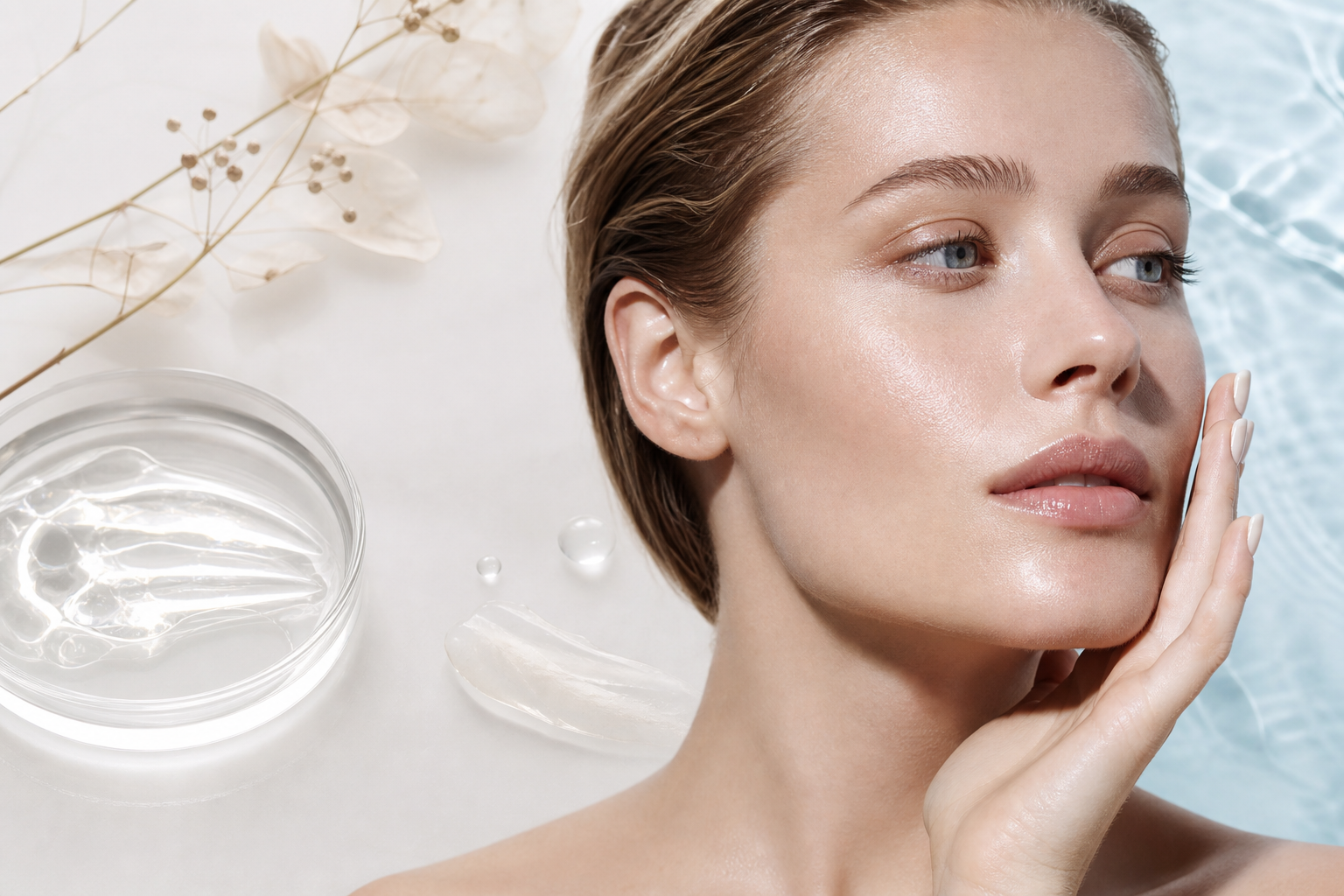
Dry skin is a common concern affecting individuals across all age groups and skin types. Characterized by a diminished capacity to retain moisture, dry skin often manifests as tightness, flakiness, and increased sensitivity, which can lead to discomfort and a compromised skin barrier. Understanding how to effectively hydrate dry skin is essential not only for cosmetic appearance but also for maintaining skin health and resilience against environmental stressors.
This article is tailored for anyone struggling with dry, dehydrated skin—whether caused by genetic factors, environmental conditions, or lifestyle choices. It provides an in-depth exploration of what dry skin entails, why proper hydration is critical, and how targeted skincare routines at home and professional treatments can restore moisture balance. By addressing the multifaceted nature of dry skin hydration, readers will gain practical insights to improve their skin’s condition and ensure an enduring protective barrier.
Hydrating dry skin is more than applying moisturizing products; it involves restoring the skin’s lipid layers, reducing water loss, and calming potential inflammation. This comprehensive approach plays a vital role in preventing premature aging and enhancing overall skin vitality. Throughout the article, we will examine the physiological underpinnings of dry skin, the signs that distinguish it from other skin conditions, and the key ingredients and techniques that underpin effective hydration strategies.
Understanding Dry Skin: Causes and Mechanisms of Moisture Loss
Dry skin, medically known as xerosis, occurs when the outermost layer of the skin—the stratum corneum—loses its ability to retain sufficient moisture. This deficiency often results from a reduced presence or dysfunction of natural moisturizing factors (NMFs) and lipids such as ceramides, which collectively maintain skin hydration and barrier function.
The skin’s barrier is composed of a complex matrix of lipids and proteins that help trap water inside the epidermis. When this matrix is disrupted—by genetic predisposition, harsh environmental factors like cold or dry air, frequent exposure to irritants, or certain health conditions such as atopic dermatitis—the skin begins to lose water transepidermally, a process referred to as transepidermal water loss (TEWL).
This sustained water depletion compromises the skin’s elasticity and texture, leading to the hallmark symptoms of dry skin: roughness, tightness, scaling, and sometimes redness. The severity of dryness can fluctuate based on seasonal changes, lifestyle habits such as excessive cleansing, and even indoor heating or air conditioning, which strip the skin of moisture.
Recognizing the Symptoms and Characteristics of Dry Skin
Identifying dry skin involves observing both visible signs and tactile sensations. The skin may appear dull with a lackluster complexion and display uneven tone due to flaking scales. Tactilely, it feels tight—especially after washing—and rough to touch, often accompanied by itchiness or sensitivity to skincare products.
Unlike dehydrated skin, which is a temporary condition caused by inadequate water content and can affect any skin type, dry skin is a more persistent condition involving structural changes in the skin's barrier. Over time, chronic dryness can lead to microcracks and even exacerbate inflammation, increasing the risk of irritation and vulnerability to external aggressors.
Why Proper Hydration Is Crucial for Maintaining Dry Skin Health
Hydrating dry skin transcends aesthetic concerns; it serves as a cornerstone for preserving the skin’s multi-layered defense mechanisms. When adequately hydrated, the skin maintains flexibility, resilience, and a fully functional barrier that protects against pathogens, allergens, and pollutants. Moisturized skin also supports the natural repair and renewal processes essential for longevity and youthful appearance.
Persistent dryness induces inflammatory cascades that accelerate the breakdown of structural proteins like collagen and elastin. This degradation contributes to premature wrinkling and loss of skin tone. Therefore, integrating effective hydration into skincare routines is fundamental to delaying visible signs of aging and ensuring overall skin vitality.
Customized Home Care: How to Effectively Hydrate Dry Skin
Caring for dry skin at home requires a deliberate regimen tuned to both replenish lost moisture and rebuild the protective lipid layer. The cleansing step is critical; opt for gentle, non-foaming cleansers such as micellar waters, cleansing milks, or oils that cleanse without stripping natural oils.
Post-cleansing, layering hydrating toners or serums enriched with humectants like hyaluronic acid and glycerin facilitates deep moisture retention by attracting and binding water into the skin’s layers. Following this, applying a rich moisturizer containing occlusive ingredients such as ceramides, squalane, and natural oils seals hydration and restores the lipid barrier.
Sun protection is another vital component often overlooked; ultraviolet radiation exacerbates dryness and damages skin cells. Use broad-spectrum sunscreens formulated for sensitive or dry skin daily to prevent further barrier degradation.
Key Ingredients That Nourish and Hydrate Dry Skin Effectively
Understanding the ingredients that promote optimal hydration empowers users to make informed product choices. Hyaluronic acid, renowned for its ability to retain water up to 1000 times its weight, penetrates the epidermis to provide sustained hydration. Ceramides complement hydration by restoring the skin’s lipid matrix and preventing moisture escape.
Humectants such as glycerin attract water molecules from the environment, bolstering the skin’s hydration reservoir. Complementary emollients like jojoba oil, almond oil, and avocado oil replenish fatty acids and maintain flexibility, while panthenol offers soothing benefits that reduce irritation and support barrier repair.
When Professional Hydration Treatments Become Necessary
While home care is foundational, there are instances when professional interventions become essential. Persistent dryness unresponsive to at-home products, accompanied by redness, flaking, or signs of inflammation, warrants dermatological evaluation to exclude underlying conditions.
Professional treatments, including hydrating facials with active ingredients, non-invasive mesotherapy, or gentle resurfacing techniques, can enhance moisture absorption and stimulate skin renewal mechanisms more effectively than topical applications alone. These treatments are carefully tailored to individual skin needs and contribute to long-term improvement of the skin’s health and appearance.
Setting Realistic Expectations: What Hydration Can and Cannot Achieve for Dry Skin
Despite the transformative potential of proper hydration, it is important to contextualize expectations. Dry skin is often a chronic condition that benefits from consistent care rather than immediate, permanent cures. The visible improvements in skin texture and comfort can be significant, but a continuous skincare routine remains necessary to sustain results.
Genetic factors, medical conditions, and environmental exposures may influence the skin’s inherent dryness and responsiveness to treatment. Additionally, over-reliance on superficial hydration without addressing lipid barrier restoration may lead to transient relief without lasting benefits.
Common Questions About Hydrating Dry Skin
Can moisturizer replace the skin’s natural hydration? Moisturizers supplement the skin’s hydration but do not replace the skin’s own physiological mechanisms. Supporting healthy habits complements topical care.
How often should moisturizers be applied? Typically, moisturizing twice daily—in the morning and evening—is advised, though frequency can be adjusted based on seasonality and skin condition.
Are natural oils suitable for dry skin? Yes, many natural oils restore critical fatty acids and lipids, but selecting non-comedogenic oils tailored to one’s skin type is important.
What should I look for in a dry skin moisturizer? Seek products rich in ceramides, hyaluronic acid, and free from irritants such as alcohol and synthetic fragrances that can exacerbate dryness.


