When considering a spray tan, individuals often ponder the ideal preparation methods to achieve a flawless, even, and long-lasting glow. Among the crucial preparatory steps, exfoliation—or skin peeling—stands out for its significant impact on the outcome of spray tanning. Understanding when to exfoliate before a spray tan is key for anyone seeking a natural-looking bronze without the risks of UV exposure.
This article is tailored for those new to spray tanning, habitual users aiming to optimize their routine, and beauty professionals guiding clients toward perfect results. It explores the role exfoliation plays in spray tan preparation, explains the optimal timing, and provides practical advice to help maximize results safely and effectively.
Given the increasing popularity of spray tanning as a non-UV alternative to sunbathing, knowing how and when to exfoliate helps individuals avoid common pitfalls such as uneven color or patchiness. It also primes the skin to absorb the spray tan solution uniformly, promoting a smooth and natural finish that lasts. Additionally, this guide clarifies misconceptions about spray tans and UV protection, underscoring the importance of continued skin care, including sunscreen use.
What Does Exfoliation Accomplish for Spray Tan Preparation?
Exfoliation involves the removal of dead skin cells from the skin's surface, revealing fresher, smoother skin beneath. Before a spray tan session, this process is fundamental because it ensures that the tanning solution adheres evenly and penetrates uniformly. Without exfoliation, dry or flaky skin patches may absorb the tanning solution differently, resulting in splotchy, uneven coloration.
The surface of the skin is in a constant state of renewal, shedding dead cells daily, which can accumulate and form rough or flaky patches. If left untreated, these areas attract more pigment during spray tanning, creating spots that appear darker or blotchy. Additionally, areas with less exfoliated skin might resist pigmentation, leaving lighter or uneven patches.
Beyond enhancing the spray tan's visual effect, exfoliation boosts skin texture and aids the longevity of the tan. By smoothing out rough patches, exfoliation reduces the likelihood of peeling or patchiness as the tan fades. The process also gently stimulates circulation, promoting a radiant complexion that complements the spray tan’s hue.
How Far in Advance Should You Exfoliate Before a Spray Tan?
The timing of exfoliation relative to your spray tan appointment is essential for optimal results. Professionals generally recommend exfoliating between 24 to 48 hours prior to the tanning session. This window allows the skin to recover from any potential sensitivity or microscopic abrasions caused by exfoliation, which could otherwise interfere with the tan's development.
Exfoliating too close to the spray tan—on the same day or just hours before—can leave the skin overly sensitive or irritated. This heightened skin reactivity may lead to uneven absorption of the tanning solution, discomfort, or quicker fading. Conversely, exfoliating too early, such as several days in advance, might result in the accumulation of dead cells again, lessening the effectiveness of the preparation.
During the 24 to 48-hour interval before your spray tan, it is advisable to keep the skin well moisturized to maintain smoothness and barrier function. Avoiding activities or products that might disrupt or irritate the skin—like hot tanning beds, harsh scrubs, or depilatory treatments—is also important. Planning exfoliation within this timeframe strikes the perfect balance between preparation and skin readiness for a beautiful, uniform tan.
Which Types of Exfoliation Are Best Before a Spray Tan?
There are two primary categories of exfoliation methods: mechanical (physical) and chemical. Each has benefits and considerations when preparing for a spray tan.
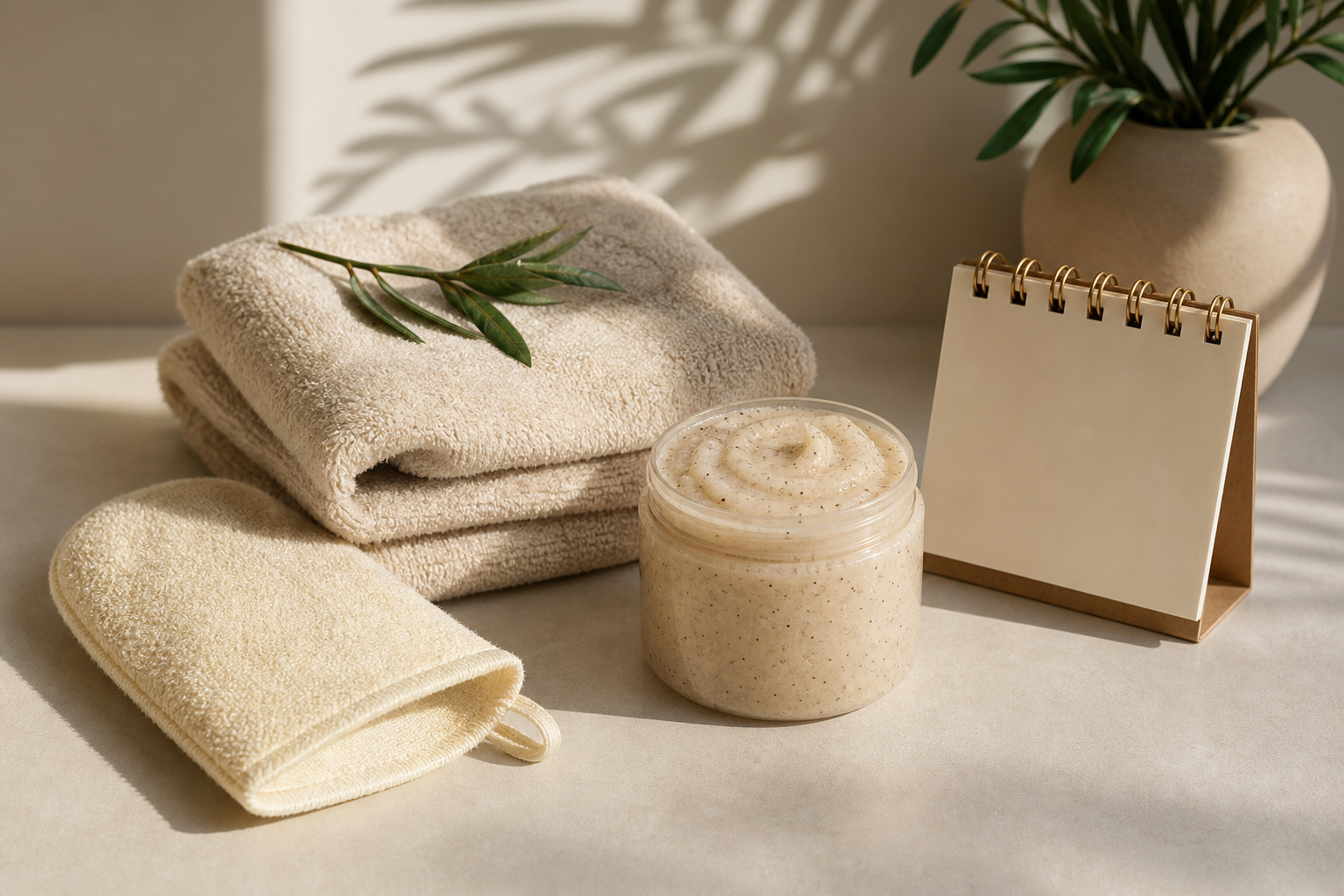
Mechanical exfoliation involves physically scrubbing the skin to slough off dead cells. Popular tools include exfoliating gloves, loofahs, or scrubs containing fine granules such as sugar or microbeads. For spray tan preparation, gentle mechanical exfoliation is preferred to avoid damaging or irritating the skin. At-home treatments using mild scrubs are commonly used and effective when performed carefully 1-2 days prior to tanning.
Chemical exfoliation employs mild acids like alpha-hydroxy acids (AHAs) — for instance, glycolic or lactic acid — or beta-hydroxy acids (BHAs) such as salicylic acid. These compounds encourage the breakdown and removal of dead skin cells without abrasive scrubbing. Chemical exfoliants can provide a deeper, yet gentle, skin renewal and are often administered professionally in salons or with safe at-home formulations. However, chemical peels should not be done immediately before a spray tan, as they can cause increased skin sensitivity and uneven color application. A minimum 48-hour gap between chemical exfoliation and spray tanning is advisable.
Deep or aggressive exfoliation, whether mechanical or chemical, should be avoided right before a spray tan since these can compromise the skin’s barrier, leading to irritation and poorer tanning outcomes.
How Can You Safely Perform Exfoliation at Home Before a Spray Tan?
Many people prefer preparing their skin at home before their spray tan appointment. Ensuring the exfoliation process is gentle yet thorough is crucial to avoid damaging the skin.
Begin by selecting a mild exfoliating product suited to your skin type. Natural options such as sugar or finely ground coffee mixed with a carrier oil (coconut or almond oil) offer effective and gentle physical exfoliation. Apply the mixture to damp skin, massaging in circular motions. Pay particular attention to rough or thicker skin regions such as elbows, knees, ankles, and heels, as these areas tend to retain more dry cells.
After exfoliation, rinse thoroughly with lukewarm water. Follow immediately with a hydrating lotion or cream to replenish moisture and support skin barrier function. Keeping the skin hydrated in the 24-48 hours prior to your spray tan is crucial to maintain the smooth surface necessary for even pigment application.
Avoid exfoliating sensitive areas aggressively, and steer clear of any products with harsh ingredients that might inflame or irritate the skin. During this preparation period, also refrain from shaving or waxing close to the tanning appointment, as these can increase skin sensitivity and affect spray tan uniformity; scheduling such treatments at least 24 hours before tanning is ideal.
What Common Mistakes Should You Avoid Regarding Exfoliation and Spray Tanning?
Avoiding typical missteps helps protect your skin and preserves the quality of your spray tan. One frequent error is exfoliating too close to the tanning session, often on the same day, which may cause redness, irritation, and resulting uneven coloration. Another pitfall is choosing overly abrasive scrubs or excessive force in mechanical exfoliation, leading to microtears or disruption of the skin barrier.
Use of oils, heavy moisturizers, perfumes, or deodorants immediately before your spray tan is also inadvisable, as these substances can create a barrier to the tanning solution, causing incomplete or patchy coverage.
Additionally, scheduling waxing or shaving inadequately relative to exfoliation and spray tanning can heighten skin irritation. The article Waxing and Shaving Before a Spray Tan: How to Time Them offers useful guidance on optimizing timing to avoid interference with your tan.
Why Does a Spray Tan Not Provide UV Protection, and How Should You Protect Your Skin?
A common misconception about spray tanning is that the color it imparts acts as protection against ultraviolet (UV) rays from the sun. In reality, spray tans deposit a pigment called dihydroxyacetone (DHA) on the skin surface without any inherent sunscreen properties. This pigment does not absorb or block UVA or UVB rays, meaning it offers no defense against sunburn or skin damage.
Therefore, applying a broad-spectrum sunscreen with SPF 30 or higher remains essential after receiving a spray tan, particularly when spending time outdoors. These products help protect the skin from harmful UV radiation and also support the longevity of the spray tan by reducing pigment breakdown caused by sun exposure.
Recognizing spray tanning as a cosmetic enhancement rather than a sun-protective measure is a vital part of responsible skin health practices, as underscored in the article Spray Tan: The Complete Guide to a Sun-Kissed Look Without UV Exposure.
How Does Exfoliation Fit Into the Broader Context of Spray Tan Skin Preparation?
Exfoliation is one critical piece of the comprehensive preparation process required for an optimal spray tan. Alongside exfoliating, effective skin preparation includes cleansing the skin gently, moisturizing appropriately, carefully selecting clothing to avoid staining or discomfort during tanning, and refraining from applying products that hinder pigment application.
Additionally, avoiding harsh treatments, such as intense scratching or prolonged hot showers, immediately before tanning helps maintain skin integrity. Planning your overall grooming schedule—incorporating waxing, shaving, and exfoliation well in advance—also enhances results.
For a detailed step-by-step overview, the resource How to Prepare for a Spray Tan: A Pre-Appointment Guide offers extensive tips and recommendations. Similarly, insights on managing delicate areas like elbows, knees, and ankles—which can present challenges for even tanning—can be found in Why Are Elbows, Knees and Ankles More Challenging?


