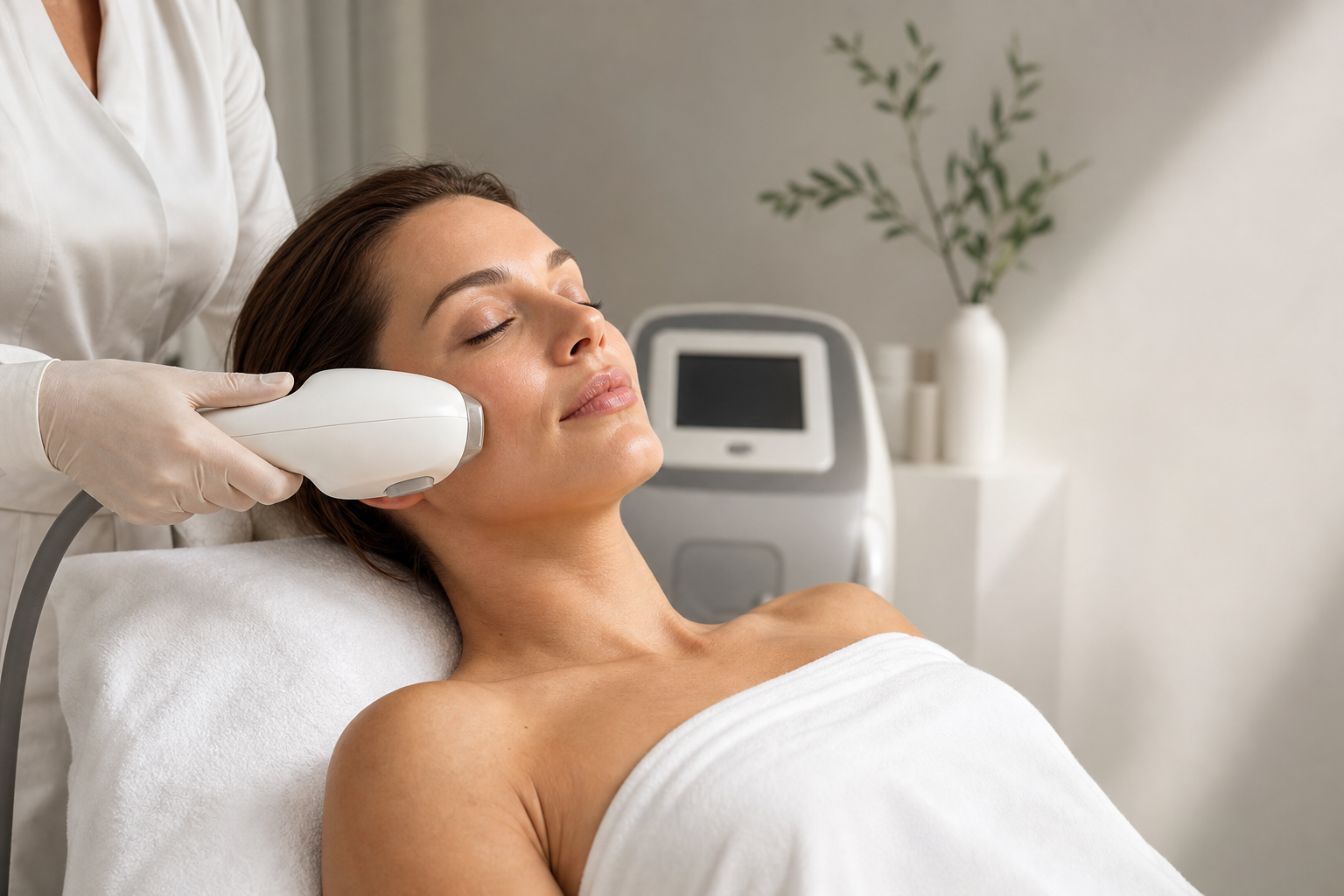
In the evolving landscape of skin care, maintaining a youthful, radiant complexion is a goal shared by many. Among the array of options available, IPL photorejuvenation has emerged as a prominent, non-invasive treatment designed to address the visible signs of aging and various skin imperfections. For individuals seeking effective facial anti-aging solutions without resorting to surgical procedures, understanding IPL photorejuvenation is essential. This comprehensive guide aims to provide a clear, expert overview of IPL photorejuvenation—what it is, whom it benefits, how it works, its limitations, and critical safety considerations—supporting informed decisions for those interested in facial skin rejuvenation.
IPL photorejuvenation harnesses the power of Intense Pulsed Light to stimulate the skin’s natural healing processes, reducing fine lines, pigmentation irregularities, and redness while enhancing overall texture and tone. It caters to a diverse range of users, from early-care individuals to those contending with specific dermatological concerns such as rosacea or sun damage. The value of this treatment lies in its blend of technology and convenience, offering noticeable improvements while maintaining patient comfort and minimizing downtime.
Given the spectrum of light-based therapies available, differentiating IPL photorejuvenation from other modalities and comprehending its unique capabilities and constraints is pivotal. This article will dissect IPL photorejuvenation in detail, covering fundamental mechanisms, patient suitability, procedural expectations, safety protocols, post-treatment care, and comparative insights alongside other anti-aging skin therapies.
What Is IPL Photorejuvenation and How Does It Operate?
Intense Pulsed Light (IPL) photorejuvenation is a dermatological procedure leveraging pulses of broad-spectrum light to improve skin appearance. Unlike lasers, which emit a single, focused wavelength, IPL devices emit multiple wavelengths simultaneously, targeting various components of the skin such as pigment cells and vascular structures. This multifunctional approach allows IPL to address a range of skin issues in one treatment session.
When IPL light is applied to the skin, specific wavelengths are absorbed by chromophores—principally melanin and hemoglobin. The absorption transforms light energy into heat, selectively destroying pigmented cells responsible for freckles, age spots, and other discolorations, or coagulating dilated blood vessels that cause redness and rosacea. Simultaneously, the heat activates dermal fibroblasts, triggering increased production of collagen and elastin. These proteins are vital for maintaining skin firmness and elasticity, thereby contributing to the smoothing of wrinkles and enhancement of skin texture.
The cumulative effect is a more even skin tone, reduction in superficial imperfections, improved skin tightness, and a refreshed, youthful glow. The treatment also stimulates a natural healing process, promoting skin regeneration over time.
Who Can Benefit from IPL Photorejuvenation?
IPL photorejuvenation suits a broad demographic of individuals looking to improve skin quality without undergoing invasive interventions. People in their late 20s to 50s who exhibit early signs of aging—such as fine lines, dullness, or mild pigmentation—may find IPL a preventative and corrective solution. Additionally, it is widely recommended for those experiencing hyperpigmentation, sunspots, redness due to rosacea, broken capillaries, and uneven skin texture.
It is also appropriate for individuals who want to boost skin radiance and refresh their complexion as part of a comprehensive anti-aging regimen. However, IPL is not equally effective for all skin types. Fitzpatrick skin types I to III (light to fair skin) respond best to IPL, given their lower melanin content, which reduces the risk of adverse reactions. Darker skin tones require cautious assessment because of the increased melanin, which could absorb excess light and lead to discoloration or burns.
Consultation with a qualified dermatologist or certified aesthetic practitioner is indispensable prior to treatment. They consider factors such as skin type, medical history, current medications, and specific skin issues to determine candidacy and tailor the treatment parameters accordingly.
What Are the Indications and Expected Outcomes of IPL Treatment?
IPL photorejuvenation addresses multiple dermatological concerns, notably:
- Fine lines and wrinkles, particularly those caused by photodamage.
- Pigmentary irregularities including freckles, sunspots, and melasma.
- Vascular lesions such as broken capillaries and redness linked to rosacea.
- Rough skin texture and loss of skin elasticity.
- Overall dullness and uneven skin tone.
Patients generally experience gradual improvement in skin smoothness, clarity, and firmness. Post-treatment skin appears brighter with diminished hyperpigmentation and reduced redness. However, it is important to set realistic expectations: IPL is not designed to reverse deep wrinkles or significant skin laxity and should not replace surgical interventions for major concerns.
Multiple sessions—usually three to five treatments spaced four to six weeks apart—are recommended to achieve optimal and sustained results. Visible improvements often begin after the first session but fully manifest over subsequent treatments as collagen remodeling progresses.
How to Prepare Effectively for IPL Photorejuvenation?
Proper preparation enhances the safety and efficacy of IPL treatments. A critical step is avoiding direct sun exposure for at least four weeks before the procedure to minimize risks of burns and uneven pigment changes. Tanning beds are similarly discouraged during this period.
Patients must also refrain from using photosensitizing skin products like retinoids, alpha hydroxy acids, or exfoliants one week prior to treatment. Discontinuation of medications that increase photosensitivity should be discussed with a healthcare provider well in advance.
On treatment day, the skin should be clean, free of makeup, creams, and lotions. A thorough medical review helps identify contraindications and guides parameter selection to match skin type and condition.
Understanding Safety Considerations and Potential Side Effects
IPL photorejuvenation is considered safe when performed by trained professionals following established protocols. Common side effects include temporary redness, mild swelling, and sensitivity immediately after treatment. These symptoms typically resolve within hours to a couple of days without intervention.
Less common effects may involve blistering, crusting, or hypo- or hyperpigmentation, particularly if pre- and post-treatment guidelines are not strictly adhered to, or if treatments are not tailored for specific skin types. Proper device calibration, conservative energy settings, and patient compliance with sun avoidance and skin care recommendations substantially reduce risks.
Patients should be informed about signs that require medical attention, such as prolonged pain, blistering, or unusual pigment changes, and have access to follow-up support to manage any adverse reactions effectively.
When Is Professional Consultation Essential Before IPL?
Professional consultation is a non-negotiable step before any IPL procedure. Qualified practitioners conduct comprehensive skin assessments, identify appropriate indications, and exclude contraindications such as active skin infections, recent isotretinoin use, photosensitive conditions, or pregnancy.
They assess the degree of skin aging, pigmentation, and vascular issues while discussing the patient’s expectations and medical history. This interaction ensures that IPL treatment is a suitable choice or if alternative modalities may deliver superior results based on individual factors.
Such engagement also educates the patient on potential benefits and limitations, allowing for informed consent and a collaborative treatment plan.
How Does IPL Compare to Other Light-Based Anti-Aging Technologies?
While IPL photorejuvenation is a versatile and widely adopted technology, it is part of a broader category of light-based skin therapies. It’s instructive to differentiate IPL from lasers and LED treatments to set accurate expectations.
Lasers emit a specific wavelength, enabling precise targeting of tissues and often deeper skin penetration. They are preferred for more focused treatments such as deep wrinkle reduction or scar improvement but involve longer recovery and higher cost.
LED therapy uses non-thermal light at various wavelengths to stimulate cellular function without causing tissue damage or pigment breakdown. It is gentler, suitable for sensitive skin or maintenance therapy but tends to deliver subtler, cumulative effects rather than dramatic rejuvenation.
IPL occupies a middle ground—its multiwavelength emissions permit treatment of multiple skin concerns simultaneously, making it effective for generalized anti-aging care with minimal downtime. The choice among these depends on patient skin type, priority concerns, and tolerance for recovery.
How Many IPL Sessions Are Needed and When Will Results Appear?
Typically, a course of three to five IPL sessions is advised, with intervals of four to six weeks. This regimen allows progressive collagen induction and pigment correction to develop fully. Early results like improved brightness and reduced redness may be seen shortly after the first session, whereas deeper textural improvements manifest over weeks following successive treatments.
Longevity of results is influenced by lifestyle factors such as sun exposure, skincare maintenance, and intrinsic aging. While IPL can extend the youthful appearance of skin, periodic maintenance sessions are often necessary to preserve benefits over time.
Who Is Not an Ideal Candidate for IPL Photorejuvenation?
Patients with very dark skin tones (Fitzpatrick types V and VI) face increased risks of pigmentary complications due to higher melanin absorption, making IPL less advisable. Pregnant women, individuals with photosensitive medical conditions, active skin infections, or those prone to keloid scarring should avoid IPL or consult closely with a medical specialist before proceeding.
Furthermore, people taking photosensitizing medications or with implanted electronic devices such as pacemakers require evaluation to ensure treatment safety. A thorough clinical history is paramount to identify contraindications and explore tailored alternatives.
The Importance of Expertise in IPL Delivery and Follow-Up Care
Successful IPL photorejuvenation depends largely on the skill and experience of the practitioner. Technological competence ensures appropriate parameter selection aligned with skin type and individual conditions, minimizing adverse effects and maximizing treatment efficacy.
Post-treated skin care, including strict sun protection and gentle skincare routines, significantly influences outcome durability. Regular follow-up appointments allow evaluation of treatment response, early detection of side effects, and timely interventions if necessary.
Choosing a reputable clinic with certified professionals and transparent consultation employs a patient-centered approach optimizing both safety and satisfaction.


