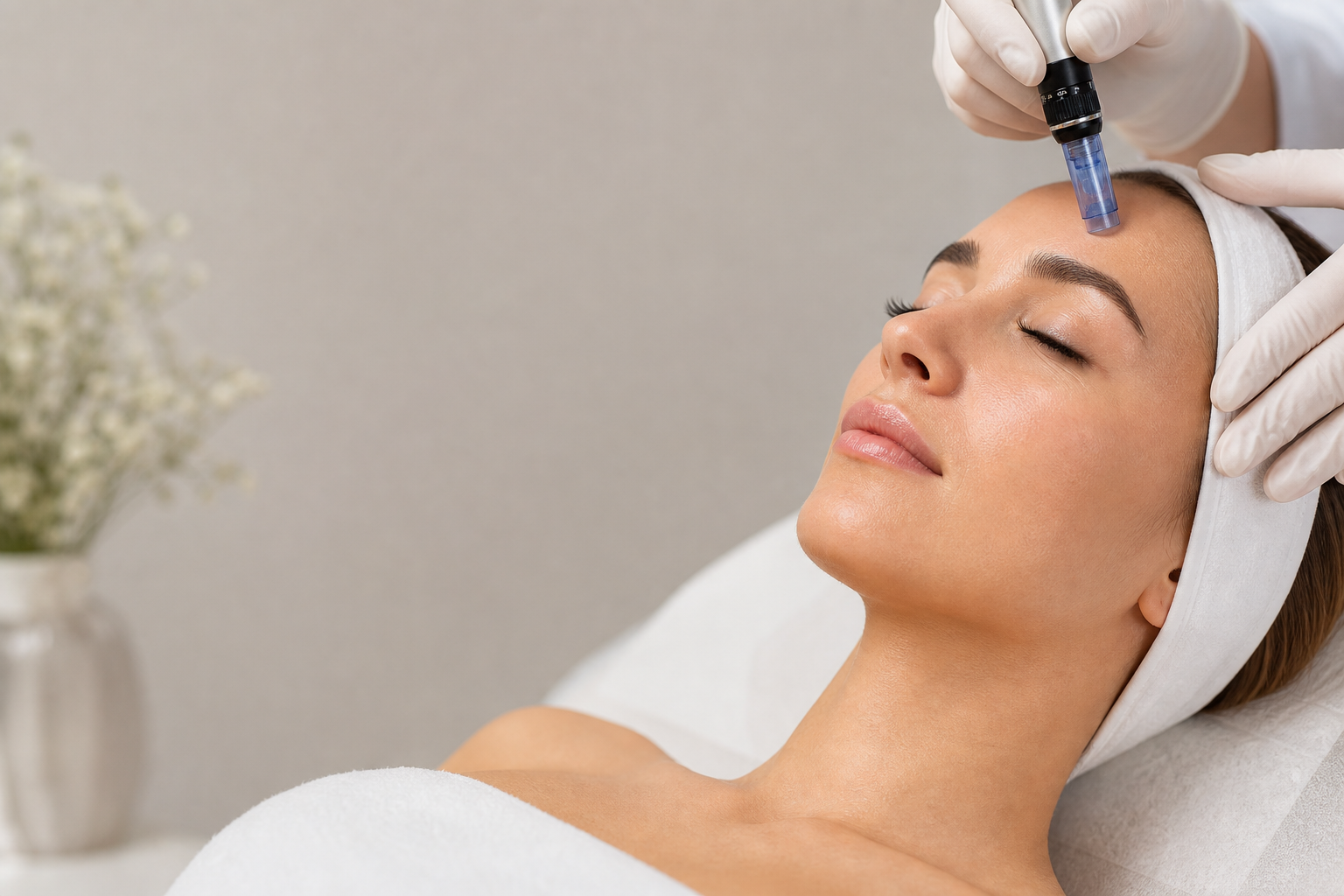
Microneedling has emerged as a prominent technique in the realm of facial anti-aging treatments, widely acclaimed for its ability to stimulate collagen production and promote skin rejuvenation. This minimally invasive procedure involves the strategic creation of tiny, controlled micro-injuries on the skin's surface through the use of fine needles, which serve to activate the body's natural healing response. The resulting cascade of cellular activity enhances collagen synthesis — a critical protein responsible for skin's firmness and elasticity — ultimately contributing to a more youthful complexion.
This article is crafted for individuals keen on understanding proven methods to slow the visual signs of aging, as well as for skincare professionals seeking a comprehensive grasp of microneedling’s mechanisms and practical applications in anti-age regimens. In an environment flooded with numerous rejuvenation options, elucidating the science behind microneedling’s collagen stimulation is pivotal for making informed decisions about skin health. We will explore the procedure’s indications, expected outcomes, limitations, and safety considerations, helping readers appreciate where and when this treatment fits in a modern anti-aging strategy.
Recognizing the importance of collagen in maintaining skin structure lays the foundation for this discussion. As our skin ages, collagen production diminishes steadily, which leads to the hallmark signs of aging such as wrinkles, sagging, and loss of radiance. Microneedling’s unique capacity to prompt cellular repair mechanisms positions it as a valuable modality to effectively counteract these changes by encouraging collagen regeneration from within the dermis. However, understanding its scope, realistic results, and potential risks ensures this therapy is utilized judiciously and safely.
What Exactly Is Microneedling and How Does It Activate Collagen Production?
At its core, microneedling — sometimes referred to as collagen induction therapy — harnesses the skin’s innate ability to repair itself when subjected to controlled injury. Using instruments equipped with arrays of ultra-fine needles, practitioners create a pattern of microscopic punctures in the epidermal layer without causing significant damage or scarring. These microchannels serve as the stimulus that triggers a complex biological repair process.
On a cellular level, the controlled micro-injuries initiate a temporary inflammatory response, setting off the release of growth factors and cytokines. This biological signaling mobilizes fibroblasts, the key dermal cells responsible for synthesizing collagen types I and III, which are essential for skin’s tensile strength and elasticity. Additionally, microneedling encourages the production of elastin and hyaluronic acid, further supporting improved skin hydration and suppleness.
This method contrasts with more aggressive resurfacing treatments by promoting regeneration rather than remodeling through tissue destruction. Hence, microneedling offers a balanced approach that effectively reinvigorates skin factory functions, improving structural integrity and texture over time with minimal downtime.
Who Should Consider Microneedling as Part of Their Anti-Aging Skincare?
Microneedling is suitable for a broad spectrum of individuals aiming to breathe new life into aging skin. It is particularly favored among those experiencing early to moderate signs of aging such as fine wrinkles, mild skin laxity, or textural irregularities. People troubled by uneven skin tone, acne scars, or post-inflammatory hyperpigmentation may also find microneedling an effective option.
Moreover, it is embraced by patients who prefer natural-looking improvements with minimal invasiveness and reduced risk compared to laser resurfacing or surgical procedures. Both younger adults seeking preventative anti-aging measures and mature individuals desiring skin revitalization can benefit from tailored protocols.
Nonetheless, candidacy depends on careful clinical evaluation. Individuals with specific contraindications such as active skin infections, certain dermatoses, or impaired wound healing must avoid or postpone treatment. Consulting with an experienced dermatologist or licensed esthetic practitioner is crucial to determine the appropriateness of microneedling based on individual skin characteristics, health status, and aesthetic goals.
What Are the Key Anti-Aging Benefits Effected by Collagen Stimulation Through Microneedling?
The hallmark of microneedling’s effectiveness lies in its capacity to promote new collagen and elastin synthesis, essential proteins that underpin youthful skin quality. The benefits associated with this stimulation extend beyond mere wrinkle reduction and include several integral improvements:
Reduction in Fine Lines and Wrinkles: Enhanced collagen production plumps the dermis, diminishing the depth of existing lines and preventing the formation of new ones by reinforcing skin firmness.
Improved Skin Texture and Tone: The regenerative process helps to smooth irregularities, refine enlarged pores, and brighten the complexion by evening pigmentation and enhancing cellular turnover.
Scar Remodeling: For those with atrophic scars, such as those resulting from acne or minor injuries, microneedling encourages remodeling of fibrous tissue, softening their appearance and promoting a more regular skin surface.
Enhanced Hydration: By inducing hyaluronic acid synthesis, the treatment helps maintain moisture retention, contributing to skin plumpness and elasticity.
Long-Term Resistance to Aging: Consistent and periodic treatments can sustain collagen levels, slowing the natural depletion associated with aging and environmental stress.
How Does the Microneedling Procedure Typically Unfold and What Are Realistic Expectations?
A typical microneedling session begins with thorough cleansing and application of a topical numbing agent to alleviate discomfort. The practitioner then uses a handheld device — often a dermaroller or an automated pen with adjustable needle depths — to systematically create microchannels over the target areas.
The procedure duration usually spans 30 to 60 minutes depending on the extent of treatment. Post-treatment, the skin might appear pink or mildly inflamed, resembling a mild sunburn, which generally subsides within a few days. Optimal skin healing unfolds over several weeks as collagen remodeling progresses.
Visible improvements generally emerge four to six weeks after initial treatment as the new collagen matrix strengthens. For sustained and significant results, medical professionals commonly recommend a series of three to six sessions spaced approximately one month apart. Gradual rejuvenation is preferable and safer than attempting dramatic alteration in a single sitting.
It is important to set realistic goals: while microneedling can yield impressive improvements in skin quality, it may not fully eliminate deep wrinkles or severe sagging. Its greatest strength is in fostering natural regeneration and enhancing overall texture and tone. Combining microneedling with complementary modalities like topical antioxidants or hyaluronic acid serums can amplify outcomes.
What Are the Limitations and When Should One Avoid Microneedling?
Despite its safety profile, microneedling has clear contraindications and scenarios where caution is warranted. Individuals with active infections such as herpes simplex in the treatment area risk exacerbating lesions and should defer therapy until resolution. Likewise, those with chronic inflammatory skin diseases — including eczema, psoriasis, or severe acne — may experience flares or delayed healing.
Patients on systemic retinoids or anticoagulants require medical evaluation prior to undergoing microneedling, as these medications can impair wound repair or increase bleeding risks. Immunocompromised individuals or those prone to hypertrophic scarring and keloids should also approach this treatment with prudence or consider alternatives.
Practitioners must maintain stringent hygiene, using sterile devices and adhering to infection control protocols to minimize risks. Unqualified administration, inadequate skin assessment, or improper post-care guidance can lead to complications like prolonged redness, pigmentation changes, or infection.
How Can Consultation with a Qualified Specialist Enhance Safety and Effectiveness?
A comprehensive consultation with a dermatologist or board-certified aesthetic practitioner is essential to customize microneedling protocols aligned with each patient’s unique skin type, concerns, and medical history. This expert assessment evaluates suitability, identifies contraindications, and plans needle depth, session frequency, and adjunctive therapies.
Discussing realistic expectations candidly helps patients understand benefits and limitations, fostering satisfaction with treatment outcomes. Specialists can also provide pre-treatment skin preparation advice and post-care instructions that promote optimal healing, such as sun protection and use of gentle skincare products.
Moreover, qualified providers are equipped to manage any adverse events promptly and competently, safeguarding patient wellbeing. Trustworthy guidance optimizes results and mitigates avoidable risks, making consultation a cornerstone of responsible microneedling therapy.
What Advances and Variations Are Emerging in Microneedling Techniques?
Innovations in microneedling have expanded its therapeutic horizons. Devices now integrate radiofrequency energy combined with needling to further stimulate collagen through thermal effects, purportedly enhancing tightening and lifting results. Additionally, microneedling is frequently paired with topical serum infusions containing vitamins, growth factors, or platelet-rich plasma, aiming to boost rejuvenation via enhanced transdermal delivery.
Customized needle configurations and automated pens provide more precision and comfort than manual rollers, improving treatment reproducibility. Research continues into optimizing treatment parameters to balance efficacy with minimal adverse effects across diverse skin tones and conditions.
As technology evolves, microneedling remains a versatile, accessible modality for collagen induction, reinforcing its prominent place in the non-invasive anti-aging treatment landscape.


