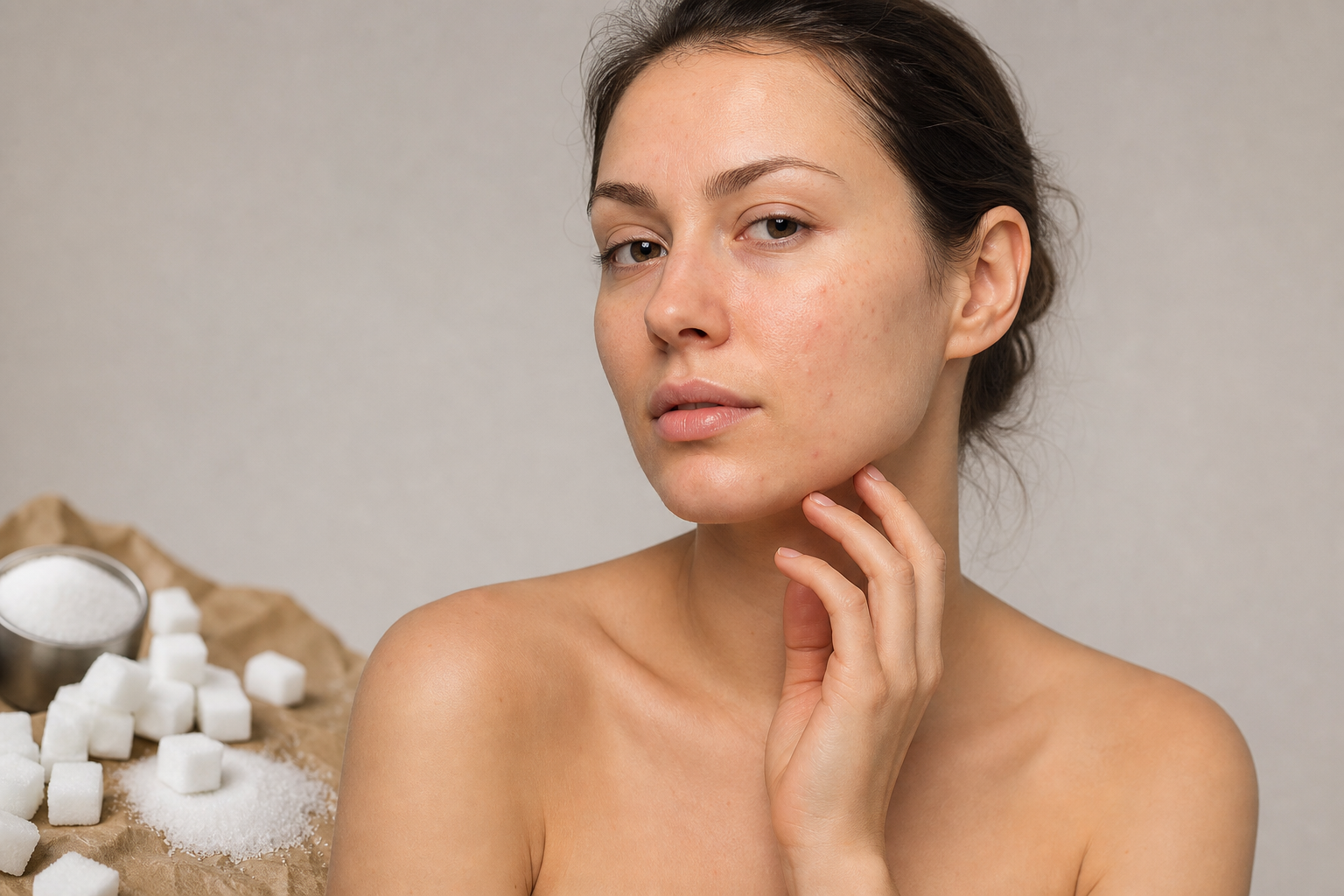
The relationship between sugar and skin health, particularly troubled skin, has become a focal point of interest within contemporary dermatology and aesthetic care. Many individuals seeking solutions for problematic skin conditions—ranging from acne breakouts to early signs of aging—are discovering that what they consume directly impacts their skin’s appearance and resilience. This connection is especially pertinent for those engaging in anti-aging facial treatments, where the goal is to restore youthful glow and structural integrity to the skin without invasive procedures.
This article delves deep into the effects of sugar on troubled skin, explaining why sugar matters in skin health, particularly in relation to acne-prone and aging skin. It is crafted for individuals curious about the biochemical implications of sugar intake, as well as professionals in skincare and dermatology looking to expand their understanding of nutritional influences on treatment outcomes. Understanding sugar’s role offers practical insights, guides expectations for skin care regimens, and underscores when professional consultation is indispensable.
By examining sugar’s biochemical interactions with the skin matrix, its impact on inflammatory processes, and its interference with non-invasive anti-aging therapies, we aim to equip readers with both knowledge and actionable advice. Ultimately, making informed dietary choices combined with tailored skincare interventions can markedly improve skin condition, enhancing both appearance and health.
What Is the Biochemical Impact of Sugar on the Skin’s Structure and Function?
When assessing how sugar affects skin health, it is crucial to explore the underlying biochemical mechanisms. The primary process at play is known as glycation—a chemical reaction where glucose molecules bind to proteins, lipids, or nucleic acids without enzymatic involvement. Within the skin, this leads to the formation of advanced glycation end products (AGEs), which accumulate and interfere with normal cellular function.
Collagen and elastin, the proteins responsible for the skin’s firmness and elasticity, are especially vulnerable to glycation. The cross-linking of these proteins by AGEs compromises their flexibility and strength, accelerating the appearance of wrinkles, sagging, and dullness. This degradation undermines the skin’s foundational structure and diminishes its ability to regenerate effectively.
In addition to structural damage, excess sugar intake exacerbates oxidative stress and promotes chronic low-grade inflammation. Increased blood sugar levels stimulate hormonal responses—particularly insulin and insulin-like growth factor 1 (IGF-1)—which can increase sebaceous gland activity. This leads to higher sebum production, creating an environment conducive to acne development by clogging pores and fostering bacterial growth.
Critically, these effects are not limited to individuals with metabolic disorders such as diabetes. Even in otherwise healthy people, consuming a diet high in refined carbohydrates and sugars can initiate and perpetuate skin problems, complicating treatment efforts.
Who Should Be Particularly Mindful About Sugar Consumption in Relation to Skin Health?
Individuals featuring prominently among those needing to consider sugar’s influence on their skin fall into two broad groups. First, young adults and teenagers with hormonal or inflammatory acne may notice flare-ups exacerbated by excess sugar intake. Since insulin and IGF-1 modulate androgen levels, which in turn stimulate sebum production, regulating sugar can be a pivotal adjunct in managing persistent or severe acne outbreaks.
Second, adults observing early signs of chronological or photo-induced aging—such as fine lines, decreased skin tone, and dryness—benefit from reducing sugar consumption to preserve collagen and elastin integrity. For this demographic, the combination of dietary control and carefully selected non-invasive anti-aging facial treatments can yield synergistic effects, enhancing skin density and radiance.
Beyond these specific groups, anyone experiencing amplified inflammatory skin conditions, redness, or dullness should evaluate their sugar intake as part of a holistic approach to skin wellness. Moreover, beauty and dermatology professionals increasingly advocate for a personalized evaluation of diet when developing skincare protocols focused on problematic skin.
What Are the Key Indications and Limitations Regarding Sugar Impact in Skin Treatment Plans?
Addressing sugar in the context of troubled skin is particularly indicated when clinical symptoms such as persistent acne lesions, widespread inflammatory redness, visible pore enlargement, or early dermal laxity are present alongside dietary habits rich in refined sugars and high-glycemic foods. These signs suggest that nutritional factors may be potentiating skin pathology and undermining therapeutic effectiveness.
However, dietary adjustment alone is not a cure-all. While decreasing sugar intake can halt or slow damaging glycation and inflammatory pathways, observable skin improvements typically manifest over weeks or months and require consistent multifaceted care. This includes appropriate cleansing routines, the use of targeted topical agents, and professional interventions tailored to skin condition.
Importantly, complex acne cases driven by hormonal imbalances or severe inflammation may necessitate medical treatment beyond diet and topical solutions. Specialists such as dermatologists must assess and sometimes prescribe medications or procedural therapies alongside lifestyle modifications. Self-directed diet changes without professional guidance may produce limited, temporary, or frustrating results in such instances.
How Does Sugar Reduce the Effectiveness of Non-Invasive Anti-Age Facial Treatments?
Among the popular options for anti-aging care are non-invasive treatments like chemical peels, microneedle-free mesotherapy, laser therapies, and botanical serum applications. These methods work primarily through stimulating natural skin regeneration, enhancing hydration, and promoting collagen synthesis. However, elevated sugar levels within the body initiate glycation and inflammation that compromise the very cellular and extracellular components these treatments seek to improve.
For example, glycation stiffens collagen fibers, reducing their responsiveness to growth factor stimulation that many facial treatments aim to boost. Concurrent oxidative stress impairs the skin's antioxidant defense systems, hindering repair and increasing vulnerability to environmental damage. The net result is a blunting of treatment benefits, slower recovery times, and subdued improvements in texture and firmness.
This biochemical sabotage explains why some patients notice discrepancies between the effort invested in skin care regimes and the outcome achieved. Without moderating sugar intake, the skin’s capacity for renewal and repair remains handicapped, limiting both short-term enhancements and long-term gains from anti-aging therapies.
When Should One Seek Consultation with a Skin Care Specialist Regarding Sugar and Skin Concerns?
Seeking expert advice becomes essential once problematic skin symptoms persist despite baseline care or when dietary factors like sugar appear to be contributing but are not yielding straightforward improvements. Dermatologists and licensed aestheticians have the training and diagnostic tools to evaluate skin condition comprehensively, including potential nutritional influences.
During such consultations, practitioners will assess not only skin morphology but also inquire about eating habits, lifestyle, stress levels, and medical history. In certain cases, lab assessments for blood sugar, hormone profiles, or inflammatory markers may form part of the evaluation to rule out systemic issues underpinning skin problems.
Tailored treatment plans resulting from such multidisciplinary assessments integrate professional facial therapies with nutrition counseling, ensuring clients receive holistic care aligned with their individual needs. This approach significantly enhances the likelihood of sustainable skin improvement and satisfaction.
What Practical Steps Can Individuals Take to Minimize Sugar’s Harmful Effects and Augment Facial Treatment Outcomes?
Modulating sugar’s impact involves conscious dietary adjustments rather than absolute prohibitions. Limiting intake of refined sugars and high-glycemic index foods—such as sweets, sodas, white breads, and processed snacks—helps reduce glycation and inflammatory load on the skin. Instead, integrating foods rich in antioxidants (e.g., berries, leafy greens), healthy fats (e.g., omega-3 fatty acids from fish or flaxseed), and vitamins C and E supports skin resilience and repair mechanisms.
Hydration also plays a crucial role. Adequate water consumption maintains optimal cellular function and assists in detoxification, counteracting some oxidative stress caused by high sugar intake. Furthermore, adherence to diligent skincare routines that include gentle cleansing, use of barrier-supportive serums, and sun protection complements dietary efforts.
Regular professional skin assessments and treatments ensure that interventions remain effective and adapt to evolving skin needs. By combining nutritional mindfulness with evidence-based facial therapies, individuals can foster a healthier complexion with reduced inflammation and improved texture and elasticity.


