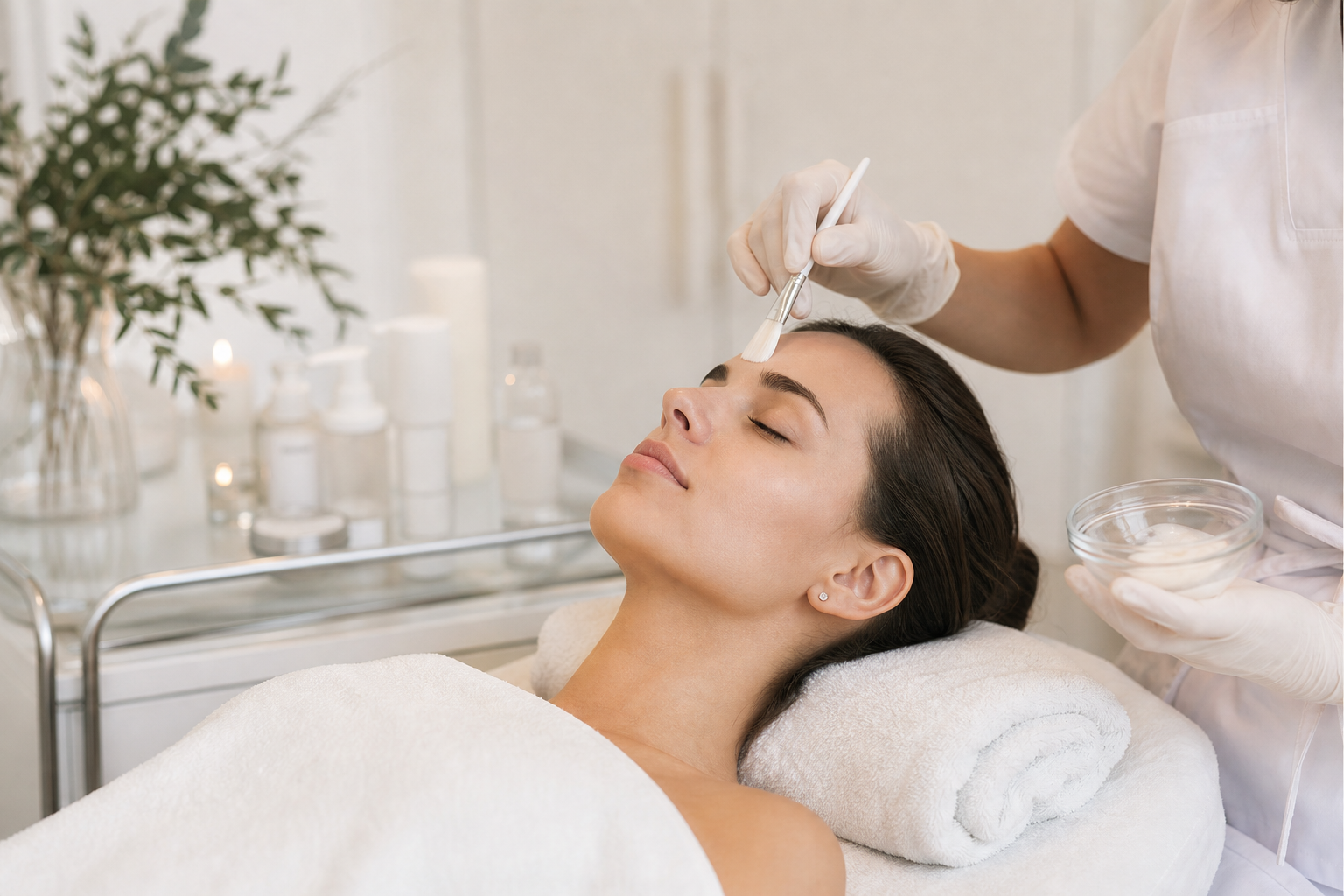
The cost of a facial treatment is a question that resonates with many seeking to enhance their skincare routine or address specific skin concerns. Understanding what determines the price of such treatments is essential not only for budgeting but also for making informed decisions that affect the health and appearance of your skin. Whether you are a first-time client contemplating deep facial cleansing or someone looking to maintain your skin’s vitality, grasping the complexities behind pricing will empower you to choose wisely.
This article demystifies the factors that influence the cost of facial treatments, particularly deep cleansing facials, a popular non-invasive procedure aimed at removing impurities, excess oils, and blackheads to leave the skin refreshed and healthier. It explores diverse elements from the treatment type and practitioner expertise to the quality of products and geographical considerations. By the end, you will have a clearer understanding of how to evaluate different facial care options, balance cost with quality, and set realistic expectations for your skincare investments.
What Are the Core Factors That Influence the Price of a Facial Treatment?
The price tag attached to a facial treatment can vary widely, reflecting several key components integral to the service. First, the location and reputation of the establishment play a significant role. Salons or clinics situated in high-demand, prestigious areas often charge a premium owing to higher overhead costs, superior ambiance, and advanced equipment. Patients looking for dermatological-grade facials might pay more due to the clinical environment and regulated standards.
Second, the nature and complexity of the facial itself heavily impact the cost. For instance, a simple deep cleansing facial utilizing basic exfoliation techniques will generally be less expensive than treatments incorporating advanced technologies such as HydraFacial, aqua peel, or laser-assisted cleansing. Specialized facials that offer targeted benefits or include additional steps like oxygen infusion, LED light therapy, or chemical peels generally come with an increased price.
Another major determinant is the qualifications and experience level of the professional conducting the treatment. Dermatologists or licensed medical aestheticians with rigorous training often charge more, reflecting the higher level of expertise and responsibility, especially when treatments involve skin analysis or medical-grade procedures. On the other hand, facials administered by general beauticians or cosmetologists may be more affordable but might not provide the same clinical precision or safety assurance.
Finally, the quality of skincare products and technological equipment used during the treatment substantially influence pricing. Using premium, scientifically tested products and state-of-the-art devices involves greater costs that are transferred to the client. The inclusion of certified organic or hypoallergenic products also impacts the price, as they tend to carry higher material costs compared to generic alternatives.
How Does the Type of Facial Treatment Affect Its Cost?
The market for facial treatments is broad and varied, with an array of techniques tailored to different skin types and aesthetic goals. Deep cleansing facials serve as a foundational procedure designed to clear out pores, remove dead skin cells, and combat acne or oiliness. Within this category exist variations in methodology that translate into different price brackets.
Basic deep cleansing typically involves manual extraction, gentle exfoliation, and the application of masks suited to the skin type. These are relatively straightforward and require minimal equipment, which keeps costs moderate. More sophisticated versions, like Hydrodermabrasion facials (HydraFacial), employ patented technology that combines cleansing, exfoliating, extracting, and nourishing the skin simultaneously. The complexity and licensing fees involved here justify higher prices.
Similarly, facials that integrate chemical peels or microdermabrasion as part of the cleansing process are priced higher due to the specialized products and potential risks necessitating professional oversight. Seasonal or themed facials may include rare botanical infusions or luxury ingredients, influencing the pricing with their exclusivity.
It is important for consumers to inquire precisely about the steps involved and the products used in a facial treatment. This clarity helps avoid paying for unnecessary luxuries or subpar services, ensuring the treatment’s quality matches its cost.
Why Does Choosing a Dermatologist Versus a Cosmetologist Impact Price?
One of the pivotal distinctions influencing facial treatment expenses lies in the credentials of the service provider. Dermatologists are licensed medical doctors specializing in skin health, often equipped to diagnose and treat more severe skin issues alongside cosmetic procedures. Their treatments might include medical-grade facials that incorporate diagnostic skin assessments, prescription-strength agents, and post-treatment care instructions personalized to clinical standards.
Cosmetologists or estheticians typically operate within the realm of beauty and non-invasive care, focusing on enhancing skin appearance through well-established protocols but without medical interventions. Because their education and licensing do not demand medical degrees, their services usually come at a more accessible price point.
While both professionals can deliver excellent results, the level of expertise, treatment complexity, and equipment availability commonly associated with dermatologists justifies the price difference. Moreover, treatments that involve invasive or prescription components should always be conducted under dermatological supervision to prevent adverse effects and maximize benefits.
How Should One Interpret the Components Included in the Cost?
A thorough understanding of the price breakdown is crucial to evaluating the overall value of a facial treatment. A comprehensive facial service should encompass several elements beyond the primary cleansing or exfoliation session. These may include a pre-treatment skin consultation, cleansing, exfoliation, extraction, massage, application of targeted serums or masks, hydration, and post-care advice or products.
The transparency of these components in pricing is essential. Some providers might quote lower fees that do not incorporate crucial steps such as skin analysis or high-quality product use, resulting in suboptimal outcomes. Conversely, a higher price coupled with clear inclusion of all necessary procedures and premium product usage often means better results and client satisfaction.
Additionally, some treatments offer packages that include follow-up visits, homecare recommendations, or complementary therapies like lymphatic drainage massage, all of which impart greater value and can factor into the price. When comparing offers, ensure you are making an apples-to-apples comparison in terms of what you receive for your investment.
Does a Higher Price Always Correlate with Superior Results?
The adage “you get what you pay for” holds some truth in skincare, especially when it comes to facial treatments. However, a higher price does not automatically guarantee better results. Several external factors such as brand prestige, clinic location, and luxury amenities can inflate costs without proportionate improvements in treatment effectiveness.
It is beneficial to seek evidence-backed information and client testimonials, rather than relying solely on price to gauge quality. A well-executed treatment with appropriate products tailored to your skin type and concerns should yield visible improvements. Effective communication and personalized attention from the practitioner are equally critical for success.
Consumers are encouraged to engage specialists in consultations to ascertain the suitability and expected outcomes of treatments. This approach allows comparison beyond price, focusing on the treatment’s scientific merit, practitioner skill, and realistic expectations.
What Should Clients Expect Regarding the Frequency and Long-Term Investment in Deep Cleansing Facials?
Deep cleansing facials are not a one-time solution but rather a component of sustained skincare management. The frequency with which you should undergo such treatments depends on your skin type, lifestyle, and individual concerns. Typically, treatments spaced every four to six weeks align with the skin’s natural cell turnover cycle and provide optimal results for most skin types.
For sensitive or dry skin, the regimen might require adjustment to avoid irritation, while those with oily or acne-prone skin might benefit from more frequent sessions initially. Maintaining long-term skin health with professional treatments encourages lasting improvements in skin clarity, texture, and resilience.
This ongoing commitment also means budgeting for regular treatments over time, which significantly affects the overall cost of skincare. Complementing professional facials with a consistent homecare routine involving quality products can reduce the frequency needed and optimize investment.
How Can Consumers Choose the Optimal Facial Treatment for Their Budget and Skin Needs?
Selecting the right facial treatment is a multifaceted decision that requires aligning your skincare goals, budget, and available options. Initiating the process with a consultation from a trusted skincare professional can help identify your skin type, concerns, and suitable treatments. This evaluation ensures that you do not pay for unnecessary procedures or products that do not address your needs.
When reviewing treatment offers, prioritize those with transparent pricing, clear descriptions of procedures, and use of reputable products. Consider also the training and certifications of the practitioner, as well as client reviews and clinic hygiene standards.
For individuals prioritizing safety and long-term skin health, investing slightly more in treatments conducted by dermatologists or medically supervised estheticians may provide peace of mind and more consistent results. Conversely, for maintenance or mild concerns, cosmetology facials might suffice at a more affordable rate.


