Blackheads and clogged pores are some of the most common skin concerns affecting people across various age groups and skin types. Characterized by visible dark spots and blocked skin openings, these issues not only impact appearance but also influence self-confidence and overall skin health. Whether you are a teenager navigating puberty, an adult with oily or combination skin, or someone seeking to enhance your skincare routine, understanding the intricate causes, effective removal strategies, and preventative measures for blackheads and clogged pores is essential.
This topic holds particular significance because blackheads and clogged pores are often the precursor to more severe skin conditions such as acne and inflammation. Neglecting proper care can lead to persistent skin problems, discomfort, and even scarring. Therefore, gaining a clear insight into what precisely these skin issues entail, why they develop, and how to address them responsibly becomes a cornerstone of maintaining radiant, healthy skin.
In this comprehensive editorial, we aim to demystify blackheads and clogged pores by delving into the science behind their formation, exploring targeted removal methods—including professional deep facial cleansing—and discussing actionable prevention techniques. Additionally, this article highlights the importance of adopting medically sound approaches and when to seek professional dermatological advice. Armed with this knowledge, readers can make informed and confident decisions for long-lasting skin clarity.
What Are Blackheads and Clogged Pores? Understanding Their Nature
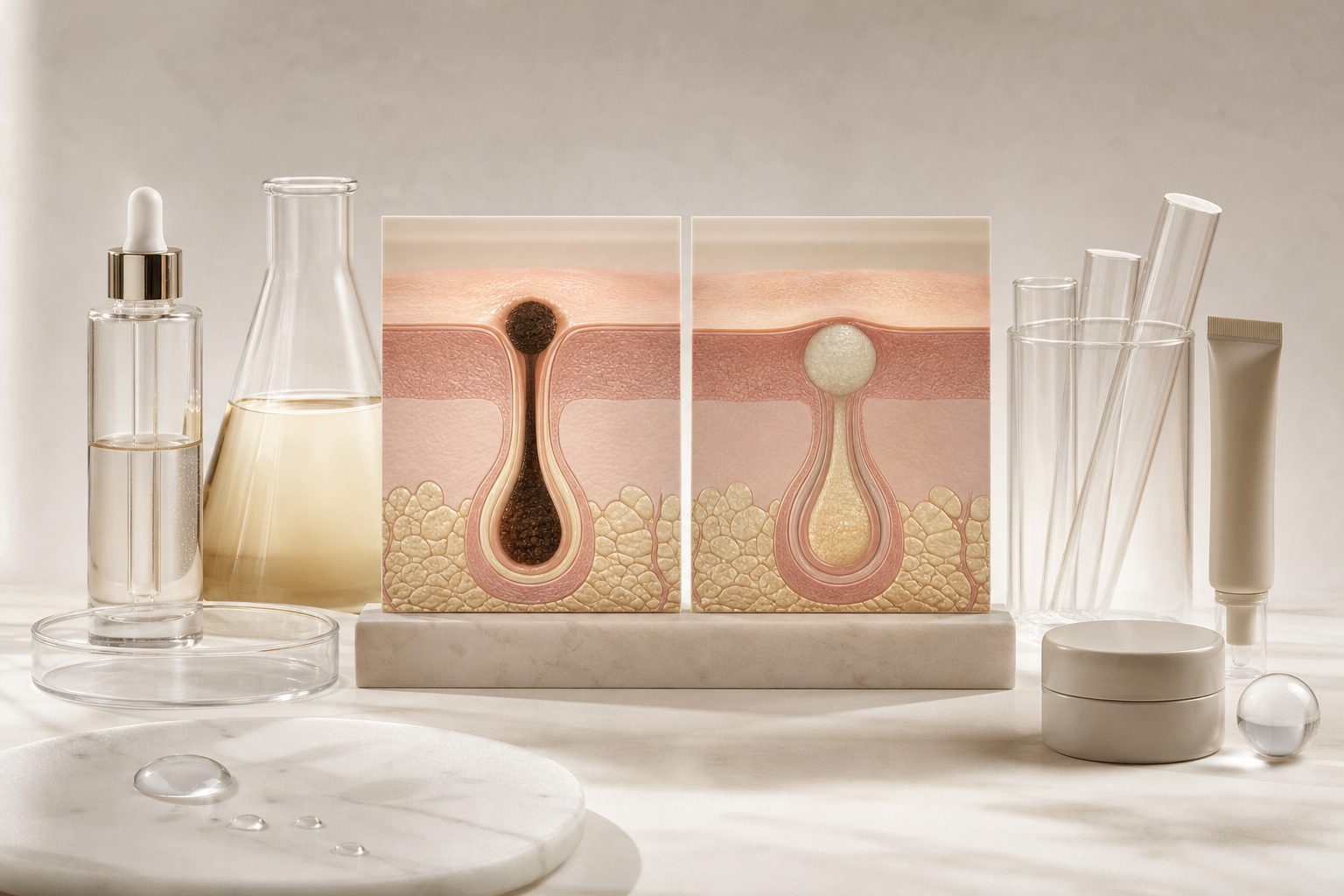
Blackheads, medically referred to as open comedones, manifest as small darkened spots on the skin’s surface. They are caused by the accumulation of sebum—an oily substance produced by sebaceous glands—mixing with dead skin cells and environmental debris within hair follicles or pores. These pores remain open to the air, leading to oxidation of the sebum that results in their characteristic black or dark appearance.
Clogged pores encompass both open and closed comedones. While blackheads are open pores filled with oxidized sebum, clogged pores may also include whiteheads or closed comedones, which are sealed pores containing trapped oil and dead cells without exposure to air. These blockages hinder the natural flow of sebum to the skin surface, creating an environment conducive to bacterial growth and inflammation.
Recognizing these distinctions is vital because they determine the appropriate treatment approach. Blackheads, being more accessible, may respond well to cleansing and topical treatments, whereas clogged pores, especially closed comedones, often require gentler or specialized interventions to avoid irritation or infection.
How to Differentiate Between Blackheads and Other Types of Comedones?
The two main types of comedones relevant to blackheads and clogged pores are open and closed comedones. Open comedones, or blackheads, are visible as dark spots due to the oxidation process mentioned earlier. Closed comedones, often called whiteheads, are small, flesh-colored bumps that do not darken because they are not exposed to air.
Understanding the type of comedo present guides skincare strategies. Blackheads tend to be less inflamed and can frequently be addressed by thorough cleansing and extraction. Closed comedones, on the other hand, carry a higher risk of inflammation turning into pimples or cystic acne if handled improperly. Therefore, a tailored regimen that considers the nature of the comedones is required for optimal skin health.
What Causes Blackheads and Clogged Pores? Examining the Underlying Factors
The formation of blackheads and clogged pores primarily revolves around overproduction of sebum, combined with the accumulation of dead skin cells and environmental impurities blocking the pore channels. Several internal and external factors contribute to this process:
Hormonal fluctuations: Hormones profoundly influence sebaceous gland activity. Puberty, menstrual cycles, pregnancy, and hormonal disorders can increase sebum production, leading to higher chances of pore obstruction.
Genetic predisposition: Some individuals naturally produce more sebum or have larger pores, making them more susceptible to blackheads.
Skin hygiene and product use: Inadequate cleansing can allow dirt and oils to accumulate, while the use of heavy, comedogenic skincare or makeup products can exacerbate pore blockage.
Environmental factors: Air pollution, exposure to dust, and humid or oily environments can contribute to clogged pores by layering external contaminants over the skin.
Lifestyle considerations: Stress, diet, and sleep patterns influence skin quality and sebum production, with stress particularly known to trigger flare-ups.
Addressing these factors in a holistic manner is critical for effective management and prevention of blackheads and clogged pores.
Who Benefits From Deep Facial Cleansing and When Should It Be Considered?
Deep facial cleansing is a professional skin treatment designed to thoroughly remove impurities, excess oils, and blackheads from pores. It can be particularly beneficial for individuals who struggle with oily or combination skin types, those with visible pore congestion, and people seeking rejuvenated and refreshed skin appearance.
However, it is important to recognize that deep cleansing facials are not suitable for everyone. Individuals with highly sensitive skin, active skin infections, eczema, or inflammatory skin conditions should approach such treatments cautiously and seek guidance from a qualified dermatologist. Likewise, timing treatments to avoid skin irritation—such as during flare-ups—ensures the skin is not overstressed.
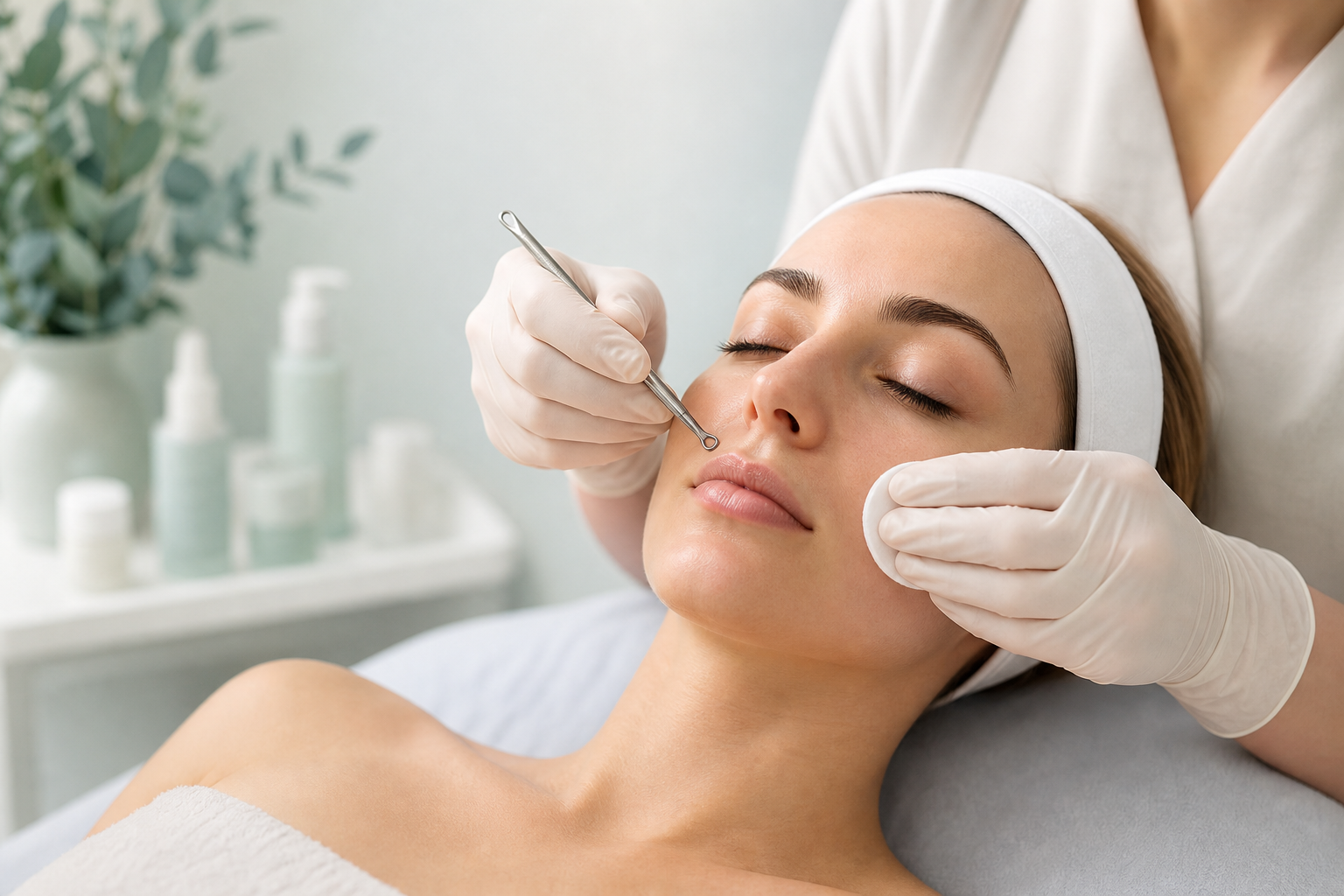
When performed by skilled professionals, deep facial cleansing involves multiple steps, including skin steaming to open pores, gentle extractions to remove blackheads, application of exfoliating agents, toning, and hydration. These comprehensive procedures help restore pore function and enhance skin health.
What Does the Blackhead Removal Process Look Like in Practice?
Effective blackhead removal begins with proper skin preparation. The application of warm compresses or steam softens the skin and opens pores, facilitating easier removal of comedones without excessive irritation.
Following this, specialized tools or gentle manual techniques are used to extract blackheads carefully. This step must be conducted with precise hygiene to prevent micro-tears or bacterial contamination that could result in inflammation or infection.
Post-extraction, treatment often includes soothing toners and hydrating products infused with anti-inflammatory ingredients to calm the skin and reinforce its natural barrier. Incorporating ingredients like salicylic acid and enzymatic exfoliants may aid in maintaining clear pores by promoting continual shedding of dead cells.
It is crucial to avoid self-extraction attempts without proper knowledge or tools, as this can lead to scarring or worsen skin conditions. Professional guidance ensures that blackhead removal contributes positively to skin health.
Which Skincare Practices and Products Prevent Blackheads and Clogged Pores Most Effectively?
Preventing blackheads and clogged pores revolves around maintaining balanced skin hygiene combined with intelligent product choices. Key preventative strategies include:
Regular cleansing: Using gentle, non-comedogenic cleansers twice daily helps remove excess oil and impurities without stripping the skin.
Exfoliation: Incorporating chemical exfoliants such as alpha-hydroxy acids (AHAs) and beta-hydroxy acids (BHAs) can dissolve the bonds holding dead skin cells together, promoting smoother skin texture and clearer pores.
Non-comedogenic moisturizers and makeup: Selecting formulations that do not block pores supports pore health and reduces risk of blockage.
Sun protection: Applying sunscreen prevents skin damage that can exacerbate pore issues and lead to additional skin concerns.
Diet and hydration: Consuming a balanced diet rich in antioxidants and maintaining adequate hydration supports skin function from the inside out.
Minimizing stress and ensuring quality sleep: These lifestyle factors help regulate hormonal fluctuations and improve overall skin condition.
By integrating these practices thoughtfully, individuals can significantly reduce the frequency and severity of blackheads and clogged pores.
When Should Professional Dermatological Consultation Be Sought?
While many blackheads and clogged pores can be managed with over-the-counter products and diligent skincare, certain scenarios warrant professional evaluation. Consulting a dermatologist is advisable if persistent or severe comedones lead to recurring inflammation, painful cysts, or scarring.
Moreover, if typical cleansing and exfoliation efforts fail to improve skin condition or cause irritation, expert guidance ensures individualized treatment. Dermatologists can prescribe medicated topical therapies, conduct in-office procedures like chemical peels or laser treatments, and provide tailored advice to address underlying causes effectively.
Prompt dermatologist involvement minimizes complications and facilitates restoration of skin health with evidence-based interventions.
What Are the Risks and Limitations Associated With Blackhead Removal Treatments?
Even well-performed blackhead removal and deep cleansing treatments carry some risks and limitations. Overenthusiastic or frequent extractions can damage the skin’s surface, disrupt its protective barrier, and trigger increased sebum production as a compensatory response.
Improper technique or unsterile instruments increase the likelihood of infection and scarring. Additionally, harsh products or aggressive physical exfoliation may cause redness, sensitivity, or worsening of acne-prone skin.
For these reasons, professional assessment and moderation are key. Adopting a gentle, consistent skincare routine in conjunction with periodic professional treatments tends to yield the best balance between efficacy and safety.
How to Sustain Clear Skin and Maintain Results After Treatment?
Post-treatment care is paramount to preserve the benefits of blackhead removal and prevent recurrence. Priorities include consistent hydration, use of soothing agents to reduce inflammation, and protection against environmental stressors such as UV radiation and pollution.
Avoiding heavy makeup and non-comedogenic formulations helps maintain pore cleanliness. Additionally, regular but gentle exfoliation can prevent dead cell buildup and maintain an open pore environment.
Adjusting skincare regimens according to seasonal changes and personal skin responses ensures ongoing skin harmony. Periodic consultation with skincare professionals to update routines also enhances long-term outcomes.