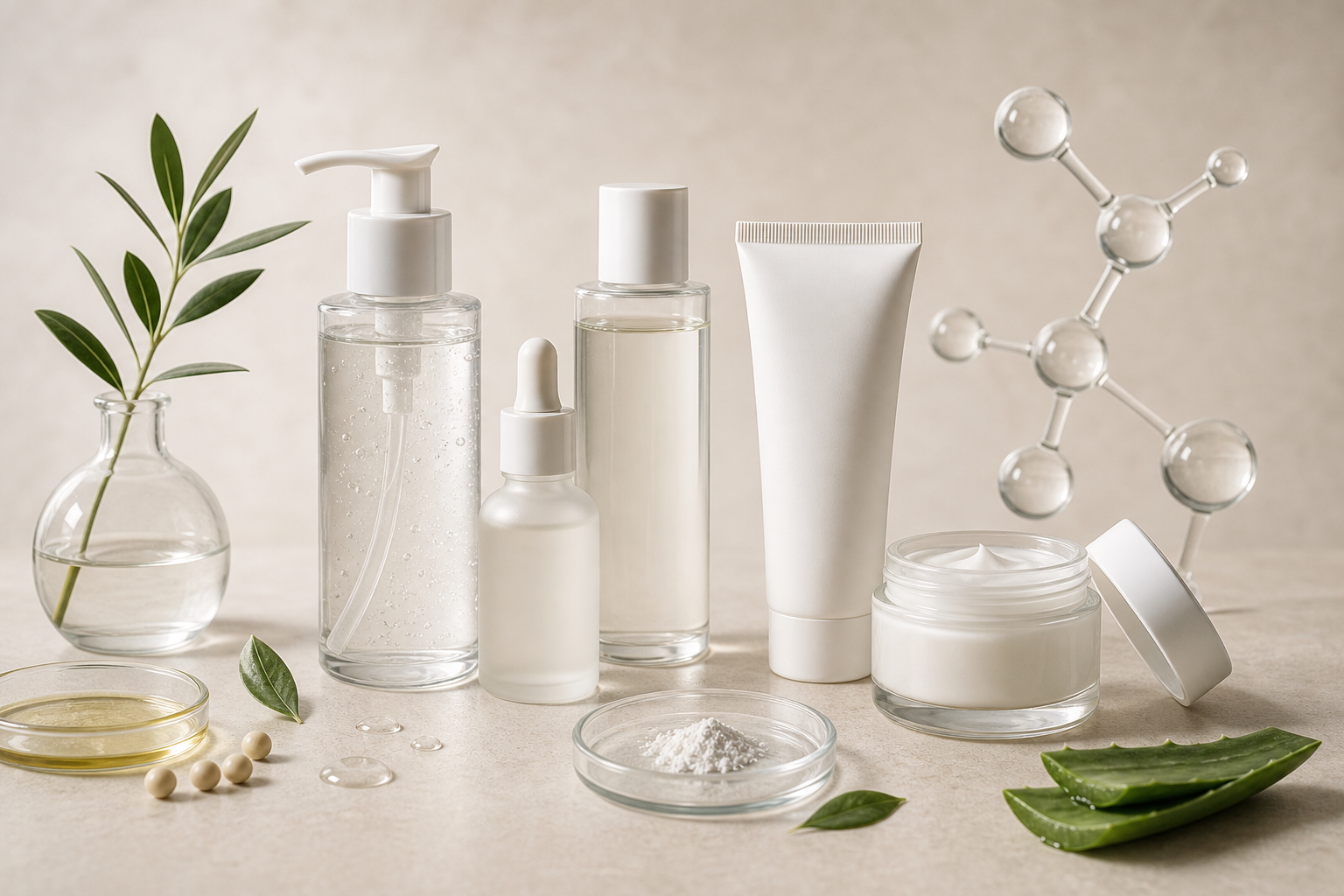
Building an effective hydration routine is a fundamental aspect of maintaining healthy, elastic, and radiant skin. Hydration goes beyond merely applying moisturizer; it involves a strategic selection and application of skincare products that cater to your individual skin type and condition. In a market flooded with countless creams, serums, tonics, and essences, it can be challenging to assemble a regimen that truly nourishes and protects your skin against dryness, irritation, and premature aging. Whether your skin is dry, oily, combination, or sensitive, understanding how to tailor your hydration routine is key to unlocking its full potential.
This article is crafted for anyone eager to refine their daily skincare routine by mastering the art and science of effective hydration. It matters because proper skin hydration not only enhances your complexion but also fortifies the skin's natural barrier, thereby defending against environmental damage and maintaining long-term skin health. We will delve into the sequence of product application, explore which ingredients to prioritize, and highlight situations that call for a professional dermatological evaluation. Through this detailed guide, you'll gain the confidence to customize a hydration plan that delivers sustained freshness, softness, and resilience.
What Constitutes a Well-Structured Hydration Routine?
A well-structured hydration routine is not a random assembly of products slapped on the skin; rather, it is an intentional, step-by-step process that aligns with your skin’s specific needs. The essential goals of such a routine include maintaining an optimal moisture balance to keep the skin supple and protected from dehydration, restoring and strengthening the skin barrier to prevent moisture loss, and stimulating the regeneration process through beneficial active ingredients. This structured approach ensures that your skin remains healthy, resilient, and glowing.
The sequence of product application is equally critical. Products like toners and serums typically have lighter molecular structures and must be applied early to penetrate deeper layers efficiently. Meanwhile, creams serve to lock in hydration and form a protective shield on the skin’s surface. Neglecting this order can lessen the effectiveness of even the most expensive products. Hence, knowing when to apply each product type is crucial in an effective hydration strategy.
How Do Different Skin Types Influence Hydration Needs?
Hydration is not a one-size-fits-all proposition. Your skin’s unique characteristics define what ingredients will work best and how your routine should be tailored. For example:
Dry skin tends to feel tight, rough, and flaky. It benefits from richer moisturizers containing occlusives and emollients, such as ceramides and hyaluronic acid, which help retain water and seal in moisture, thereby restoring softness and elasticity.
Oily and acne-prone skin requires lightweight hydration that balances sebum without clogging pores. Gel-based products with non-comedogenic ingredients such as niacinamide or salicylic acid can soothe inflammation and control shine.
Combination skin demands a nuanced approach, applying heavier creams to drier areas and lighter formulations to oilier regions, ensuring balanced hydration without overwhelming any part of the face.
Sensitive skin thrives on gentle, fragrance-free, and alcohol-free products rich in calming agents like panthenol and aloe vera, which minimize irritation while offering hydration.
Which Ingredients Should You Look for in Hydration Products?
Understanding the functional roles of ingredients in moisturizing products empowers you to make informed decisions tailored to your skin. Hydrators often include:
Humectants such as hyaluronic acid, glycerin, and sorbitol attract water molecules from the environment and carry them into the skin's surface layers, replenishing moisture.
Emollients, including plant oils, fatty acids, and ceramides, smooth the skin’s texture by filling gaps between skin cells and preventing roughness.
Occlusives like petrolatum and natural waxes form a barrier on the skin's surface to prevent water loss through evaporation, locking hydration in place.
An effective hydration product often balances these elements to provide lasting moisture without leaving the skin feeling greasy or heavy.
When Should You Integrate Toners, Serums, and Essences into Your Routine?
The layering of products in your hydration routine significantly influences their performance. Typically, the regimen begins with cleansing, followed by a toner to restore the skin’s pH balance and prepare it for subsequent treatments. Toners that contain hydrating and soothing agents are especially beneficial for dehydrated or sensitive skin, although alcohol-based tonics may exacerbate dryness.
Next, serums are applied due to their concentrated active ingredients and light textures, allowing them to penetrate deeper layers. Hydrating serums with ingredients like hyaluronic acid or antioxidants can intensely nourish the skin and target specific concerns such as dullness or inflammation.
Essences and ampoules, often more concentrated than serums, serve as boosters. Their use is more common in professional skincare routines or during periods when skin requires additional support, such as seasonal changes or recovery phases.
What Is the Optimal Order of Product Application in a Hydration Routine?
Adhering to a thoughtful sequence is essential to maximize the benefits of each product. Start by cleansing to remove impurities and prep skin. Then apply toner or essence, followed by a serum, which delivers targeted ingredients. Seal these in with a moisturizer to maintain hydration. Finally, add sunscreen or facial oils if needed. This order ensures that lighter products are absorbed effectively, without being hindered by heavier creams applied prematurely.
When Should You Seek Dermatological Advice About Your Hydration Routine?
While many can craft a satisfactory hydration regimen through self-education and experimentation, certain conditions warrant professional guidance. Persistent irritation, allergic reactions, chronic skin disorders such as eczema or psoriasis, and severe acne often require tailored dermatological care. A dermatologist can recommend specialized products or treatments, harmonizing professional interventions with your home routine to achieve safe and sustained skin improvement.
How Can Professional Facial Treatments Complement Your Hydration Strategy?
If everyday hydrating products do not suffice, professional treatments offer an advanced solution. Techniques like needle-free mesotherapy, hydradermabrasion, and hyaluronic acid–enriched masks provide deep hydration, enhancing skin texture and strengthening its natural barrier without invasive procedures. These treatments are particularly valuable when seeking rejuvenation beyond the capabilities of home care, but should always be approached in conjunction with expert consultation to align with your skin's specific requirements.
What Realistic Outcomes Can You Expect from a Consistent Hydration Routine?
Commitment to a properly designed hydration regimen yields gradual improvements in skin softness, glow, even texture, and reduced signs of dehydration such as dryness or flakiness. It is critical to maintain realistic expectations, understanding that hydration supports skin health over time rather than producing instant miracles. Effectiveness also depends on lifestyle factors including nutrition, sun protection, and avoidance of harsh environmental stressors.
Avoid succumbing to products promising rapid elimination of wrinkles or skin damage, especially without complementary professional treatment when necessary. The best results stem from balanced care, patience, and adaptation to your individual needs.


