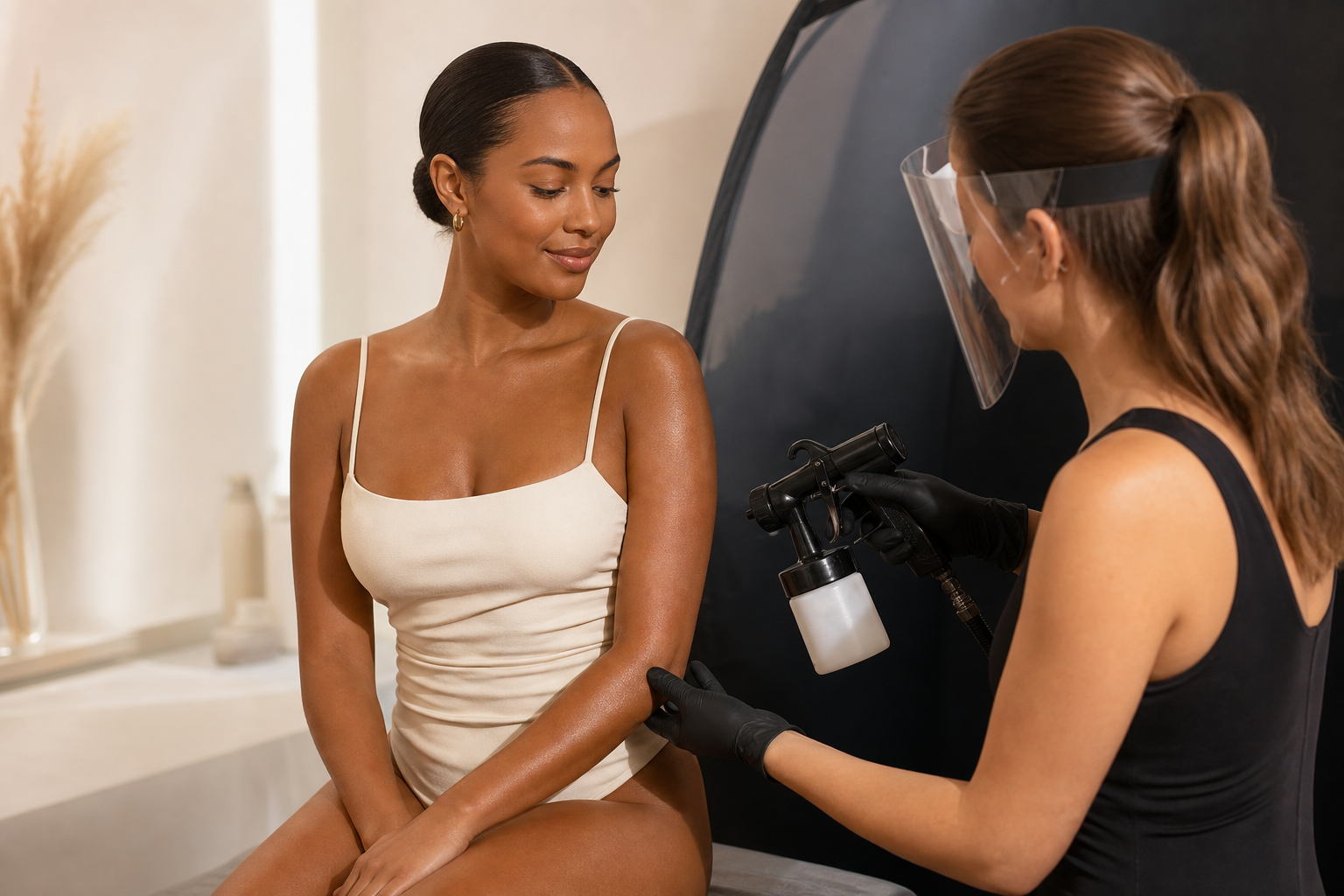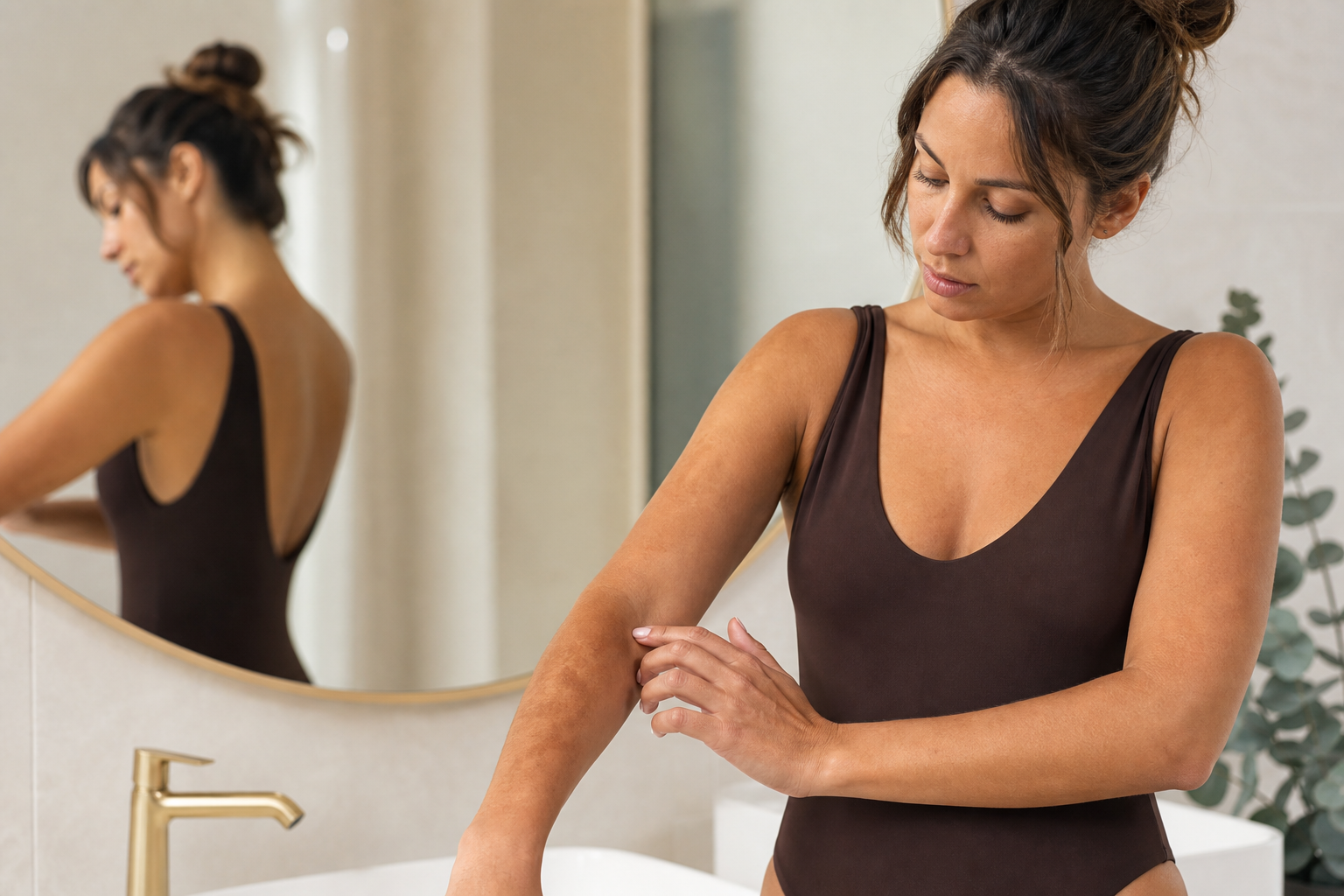
Spray tanning has emerged as a favored alternative to traditional sunbathing and tanning beds, offering a safe and swift method to achieve a sun-kissed glow without exposure to harmful ultraviolet (UV) rays. This cosmetic treatment involves spraying a fine mist of tanning solution, typically containing dihydroxyacetone (DHA), onto the skin to create an instantaneous tan effect. While widely popular among those seeking a healthier way to boost their skin’s radiance and appearance, spray tanning is not without its challenges. Individuals often encounter various issues such as streaking, patchiness, uneven coloration, or unnatural hues that diminish the aesthetic appeal of their tan.
This comprehensive editorial is designed for anyone contemplating spray tanning, those who have previously tried it but remain dissatisfied with the outcome, or professionals in the beauty and skincare industries striving to enhance the quality and consistency of their services. Understanding the root causes of common spray tan problems and how to prevent or address them is crucial for ensuring pleasant experiences and optimal results.
It bears emphasizing that while spray tanning provides a cosmetic tan, it does not offer protection against UV radiation, making the use of sunscreen with SPF 30 or higher indispensable. This article will explore the fundamental mechanics behind spray tan application, investigate typical complications, and offer practical solutions and insights to help users and practitioners alike achieve a flawless, long-lasting glow.
Why Do Uneven Patches and Streaks Appear After a Spray Tan?
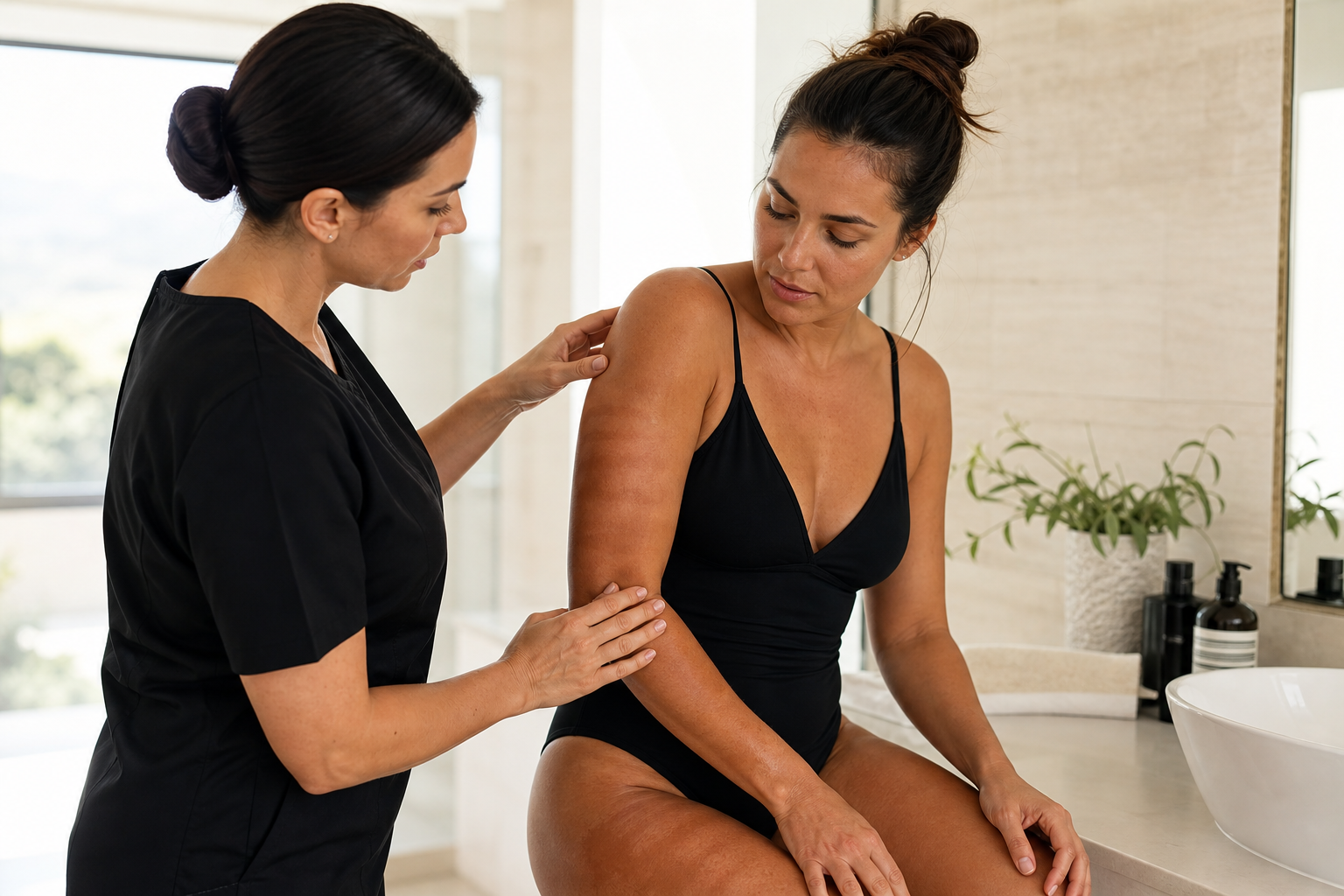
One of the most frequent complaints following a spray tan is the appearance of uneven patches or streaks on the skin. These blemishes often result from inconsistent application of the tanning solution or insufficient skin preparation prior to the treatment. If the skin retains oils, dirt, sweat, or residual moisturizers, these substances can impede the tanning solution’s absorption, causing certain areas to darken excessively while others remain lighter.
Additionally, the condition of the skin’s surface plays a pivotal role. Dry, flaky, or rough regions—commonly located on elbows, knees, and ankles—tend to absorb more pigment unevenly, leading to blotchy or mottled appearances. The technique employed during spray application also contributes; overlapping sprays, excessive layers in certain spots, or incorrect spray distance can create streaks.
To minimize patchiness, meticulous exfoliation and hydration in the days preceding the spray tan are essential. Professional spray tan technicians often recommend an even, oil-free skin base before treatment. Moreover, ensuring a skilled application using consistent spray patterns and appropriate layering prevents the buildup of excess product in some areas, promoting a seamless, uniform tan.
What Causes Darker Coloration on Hands and Feet After Spray Tanning?
The hands and feet frequently manifest darker, more intense coloration following a spray tan compared to other body parts. This phenomenon is largely attributable to the thicker, more keratinized nature of the skin surfaces in these areas. The higher concentration of dead skin cells and the unique texture alter how the tanning solution binds and reacts, intensifying the resultant color.
Moreover, these extremities commonly experience lower humidity and hydration levels, contributing to a tendency for the spray tan to develop deeper tones. Variances in skin pH and chemical composition at these sites also influence the color’s appearance. Without proper pre-treatment hydration or protective barriers, hands and feet naturally turn darker.
To offset this effect, applying a light layer of moisturizer or a barrier cream to the hands and feet just prior to tanning can control absorption, reducing overly dark results. Post-application care with gentle moisturizing products helps maintain more balanced coloration and prevents patchy fading in these sensitive spots.
Why Does Spray Tan Color Fade Unevenly or in Patches?
Uneven fading or patchy loss of spray tan color is often the consequence of premature or irregular shedding of the pigmented outermost skin cells. Hydration practices after tanning are critical; insufficient moisturizing allows dryness and flaking, which strip away the DHA-induced color prematurely. Alternatively, excessive exfoliation, abrasive clothing, or prolonged water exposure—such as long showers or swimming—accelerates fading in localized areas.
The presence of friction from tight apparel or contact with surfaces can also cause uneven wear. Furthermore, individual skin regeneration rates and habits, including shaving or other exfoliating routines, inherently influence the longevity and uniformity of the tan's appearance.
Maintaining a regimen of gentle daily hydration, avoiding harsh soaps or scrubbing, and limiting direct water exposure in the early days following a spray tan supports a more consistent fade. Minimizing friction and delaying exfoliation until after the tan naturally diminishes ensures the longest-lasting and smoothest results.
What Factors Lead to an Unappealing Orange Hue in Spray Tans?
One of the most widely reported complaints about spray tans is the development of an unnatural, orange tint. This issue stems primarily from the type and concentration of DHA used in the tanning products and how it chemically interacts with the skin’s proteins. High DHA concentrations may produce excessive pigmentation leading to an orange or overly warm tone.
Additionally, the choice of product quality, formulation additives, and skin type significantly impact the final hue. Individuals with certain skin chemistry variations or inadequate pre-application skin care can experience accentuated orange undertones. Environmental factors like exposure to chlorine or sweating shortly after application may also affect color development.
Selecting professional-grade spray tan solutions tailored to the client’s natural skin color and undertone, along with thorough patch testing and expert application, are best practices to avoid undesirable orange results. Clear communication regarding expectations and product options ensures personalized, natural-looking tans.
Why Might Some Spray Tans Appear Lighter Than Expected?
At times, spray tans may result in a subtler, lighter coloration than clients anticipate. This can arise from several factors including skin type differences, product formulation, and pre/post-treatment care. For instance, oily or thicker skin types may resist color absorption to some extent. Additionally, incomplete skin exfoliation before the session leaves dead cells intact, which hinders even development of pigment.
Improper timing between spray application and water exposure is a major contributor. If the skin is washed, swims, or sweated on shortly after treatment, the tan may not fully develop, leading to faded or muted results. Furthermore, lower concentrations of DHA or dilution of tanning solutions often correlate with lighter coloration.
Adhering to skin preparation protocols such as exfoliating 24-48 hours prior to the spray tan and avoiding water and heavy sweating for at least 8-10 hours post-treatment supports optimal development of richer and more durable color. Selecting products calibrated to desired intensity and working with knowledgeable professionals further enhance outcomes.
Why Does Spray Tan Adhere More to Dry, Rough Areas of the Skin?
Areas of the skin prone to dryness, such as elbows, knees, and ankles, commonly attract more spray tan product and show darker pigmentation. This occurs because the rough, often flaky texture of these regions causes the DHA molecule to bind unevenly and in greater concentrations. The heightened keratinization means the tanning agents interact more densely, intensifying coloration.
If these dry patches are not hydrated or exfoliated before the tanning session, the result is patchy, uneven darker spots that detract from the overall smoothness of the tan. Subsequent fading can also be irregular, emphasizing the contrast between dry and well-moisturized skin.
Proper exfoliation coupled with consistent moisturizing in the days leading up to a spray tan are vital preventive measures. Post-application maintenance with gentle creams and avoiding harsh scrubbing or strong acids helps correct mild inconsistencies safely, without compromising skin integrity.
Why Must One Remember That Spray Tans Do Not Provide UV Protection?
Despite the visual semblance to a sun-induced tan, it is crucial to understand that a spray tan offers no defense against ultraviolet radiation. The pigmented coloration produced by DHA does not absorb or block ultraviolet rays, and as such, does not mitigate the risks associated with sun exposure, including burns, premature aging, and skin cancer.
Many users mistakenly believe their darker complexion confers innate sun protection, leading to inadequate use of sunscreen products. This misconception can have serious dermatological consequences.
Medical experts and skincare professionals alike underscore the necessity of applying broad-spectrum sunscreen with a minimum SPF of 30 daily, regardless of having a spray tan. This complementary protection preserves skin health while allowing individuals to enjoy their enhanced appearance safely.