Facial cleansing techniques constitute a foundational aspect of skincare regimens, pivotal for maintaining a healthy, radiant complexion. For anyone seeking to enhance skin clarity, manage oiliness, or address irritation and blemishes, understanding the diversity of cleansing treatments available is essential. This knowledge empowers individuals to make informed choices tailored to their specific skin type and concerns, optimizing results and safeguarding skin health.
Choosing the right facial cleansing treatment transcends mere aesthetic appeal; it integrates dermatological principles with personal care to promote skin vitality. From routine maintenance to targeted therapy, cleansing methods vary widely in approach, intensity, and outcome. Navigating this spectrum requires insight into how each technique works, its suitability for different skin conditions, and its benefits versus limitations.
This comprehensive guide explores the principal facial cleansing techniques, demystifying their processes, therapeutic effects, and potential risks. It is crafted for a diverse audience—those new to facial treatments, skincare enthusiasts seeking deeper understanding, and individuals aiming to select the most effective cleansing method aligned with their skin's unique needs.
What Does Facial Cleansing Encompass and Why Is It Crucial?
Facial cleansing involves the process of removing dirt, oils, dead skin cells, makeup residue, and environmental pollutants from the skin's surface and pores. This essential step is not only cosmetic but biochemical, as it facilitates skin respiration, prevents pore blockage, and supports regenerative functions.
Proper cleansing lays the groundwork for all subsequent skin treatments and product absorption. Neglecting or incorrectly performing cleansing can lead to accumulation of impurities, inflammation, and compromised barrier function, which may result in acne flare-ups, dullness, or increased sensitivity.
Given the wide array of skin types—ranging from oily, dry, and combination to sensitive and mature—facial cleansing must be customized. Treatments that are too harsh or improperly matched to skin needs risk exacerbating issues rather than alleviating them.
How Do Different Facial Cleansing Techniques Work?
Facial cleansing techniques primarily fall into two broad categories: manual (classic) methods and instrument-assisted (aparaturne) procedures, each with distinct mechanisms and outcomes.
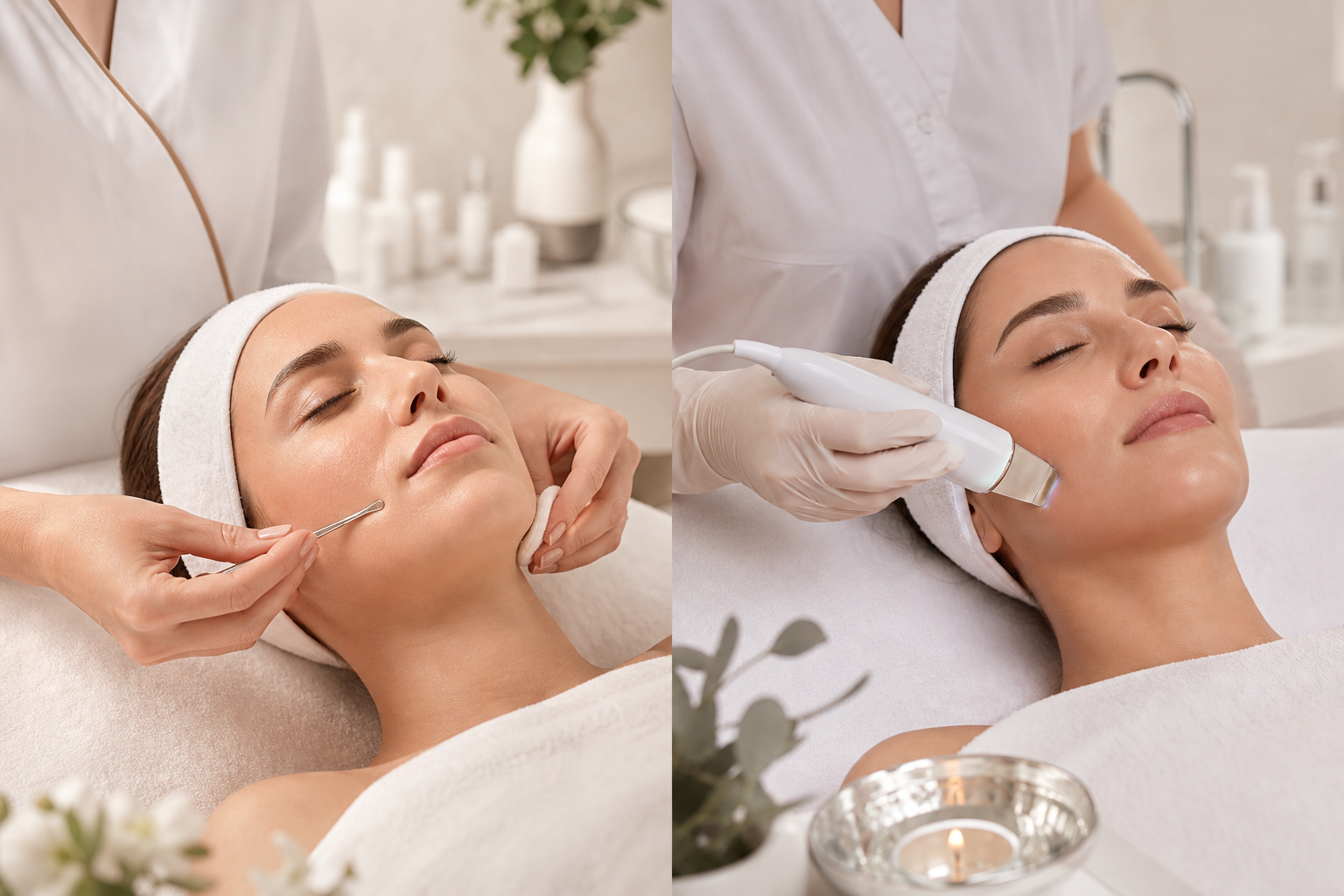
Classic facial cleansing typically involves a sequence of preparatory cleansing, gentle exfoliation, manual extraction of impurities such as blackheads and sebaceous plugs, and nourishing treatments like masks and massages. This holistic approach refreshes the skin surface while improving circulation and promoting relaxation.
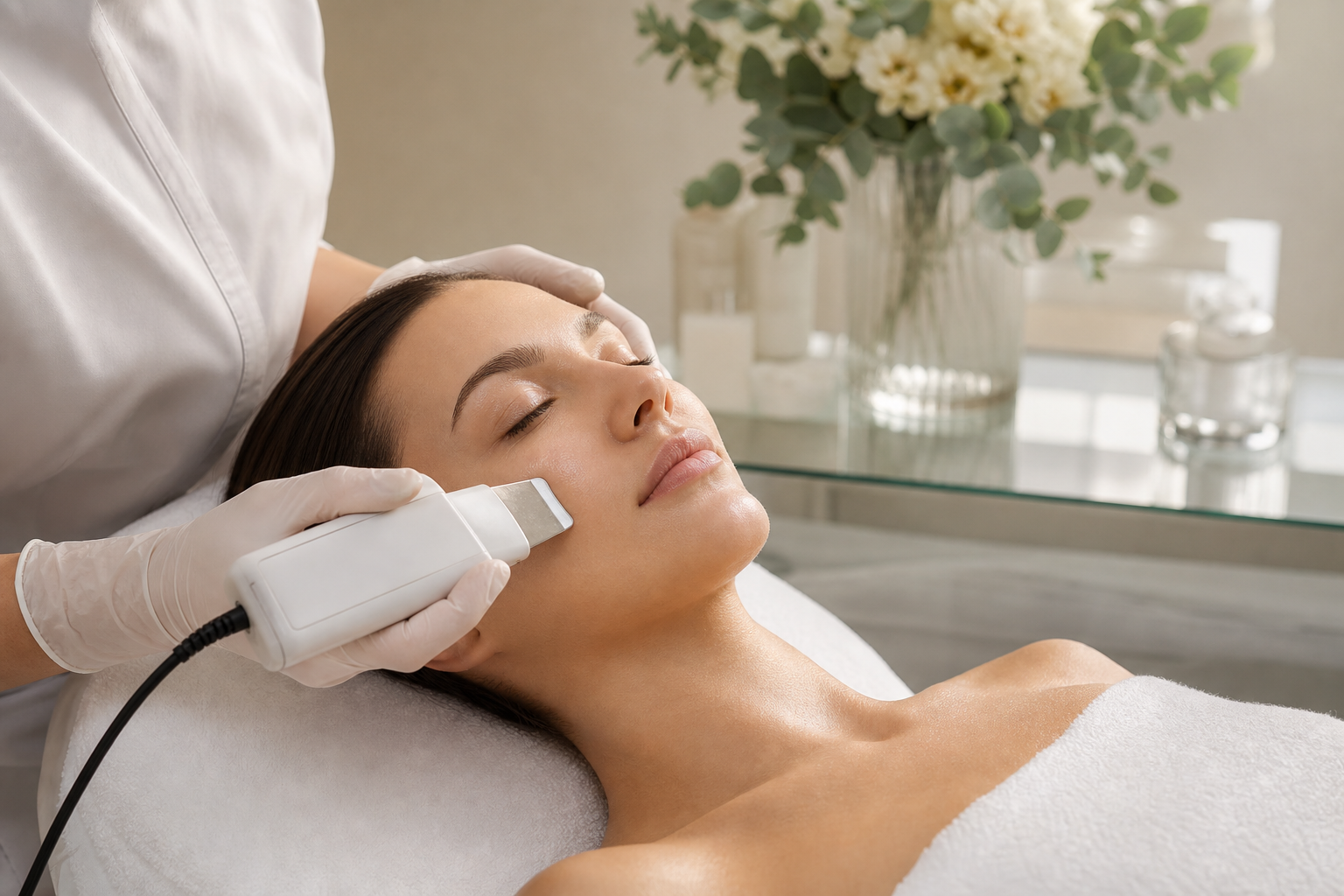
Enhanced methods use technological devices to reach deeper layers and provide more precise cleansing. For example, ultrasonic cleaning employs high-frequency vibrations to dislodge deeply embedded debris and stimulate microcirculation without mechanical abrasion. Hydrodermabrasion combines mechanical exfoliation with simultaneous hydration, delivering both cleansing and moisturization in one session.
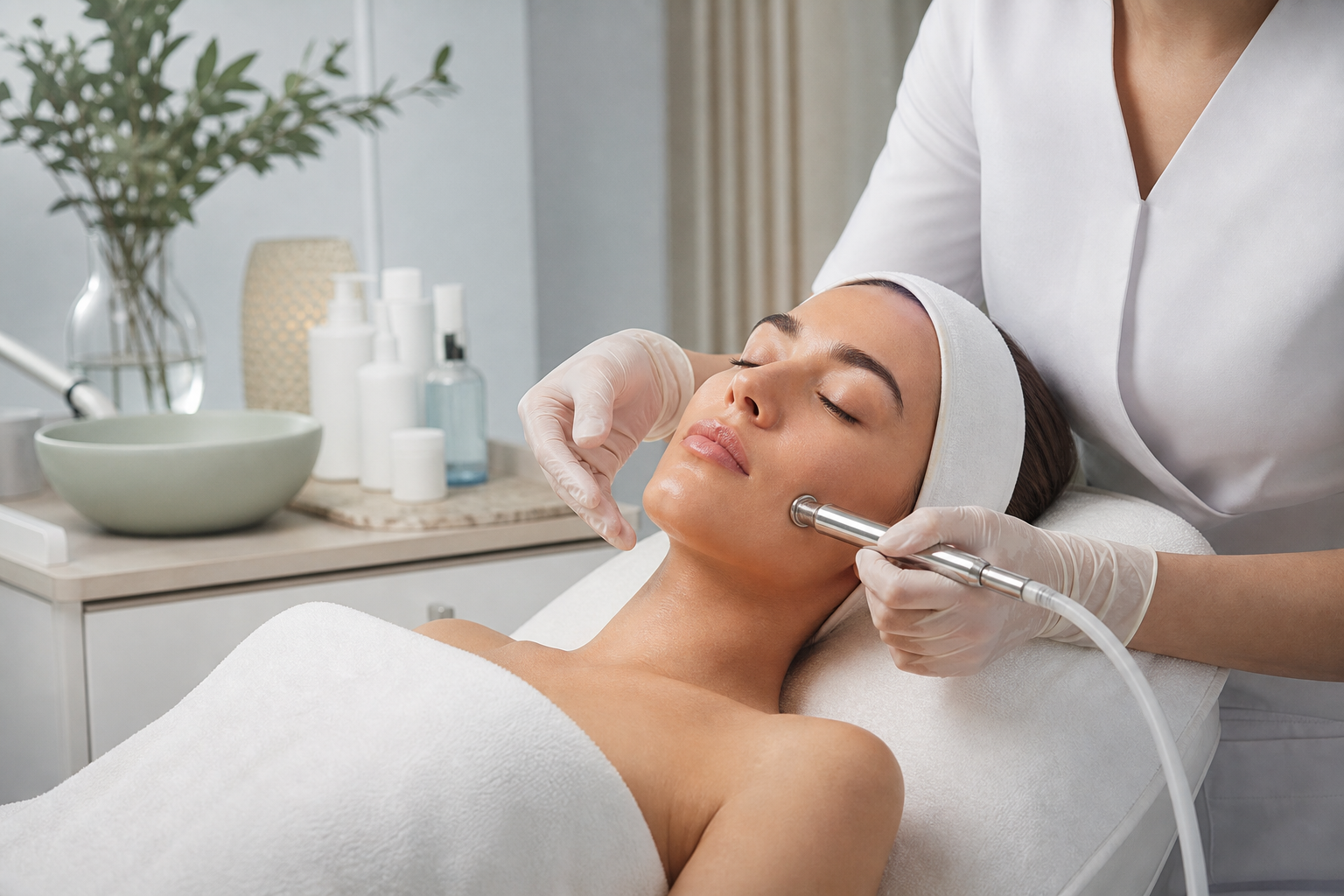
Additionally, Aqua Peel treatments synergize chemical peeling with suction and hydration, effectively targeting pigmentation and fine lines alongside cleansing. Microdermabrasion offers a controlled abrasive effect via fine crystals or diamond tips to slough off surface cells, triggering renewal and improved texture.
Who Benefits Most from Specific Cleansing Methods?
Selecting an appropriate facial cleansing technique hinges on individual skin type, concerns, and sensitivities. For instance, individuals with oily or acne-prone skin often find deep pore cleansing and vacuum-assisted extraction beneficial to reduce excess sebum and unclog pores.
Conversely, those with dry, sensitive, or reactive skin types may prefer gentler options like hydrodermabrasion or ultrasonic cleaning, which cleanse effectively while simultaneously providing hydration and soothing effects, minimizing the risk of irritation.
Skin showing early signs of aging or uneven tone benefits from microdermabrasion or combined peeling and hydration treatments, which encourage cell turnover and improve radiance. These procedures can also support skin health in pigmentation management.
Ultimately, consulting a skincare professional to assess skin condition ensures a treatment plan that not only meets aesthetic goals but also safeguards against adverse reactions.
What Are the Potential Limitations and Risks of Facial Cleansing Treatments?
While facial cleansing is broadly beneficial, each method carries inherent limitations and contraindications. Deep or mechanical treatments like microdermabrasion and manual extractions may not suit highly sensitive or inflamed skin conditions, such as active rosacea or severe acne, as they can aggravate irritation.
Ultrasonic cleansing, although gentle, may be unsuitable for individuals with specific allergies or compromised skin barriers. Procedures involving chemical peels require caution when performed near sun exposure or on skin prone to discoloration.
It is critical that cleansing treatments are administered by licensed professionals in controlled environments using appropriate hygiene standards and product formulations. This approach minimizes risks such as infection, excessive redness, or prolonged sensitivity.
When Should You Seek Dermatological Advice Before Facial Cleansing?
Individuals experiencing persistent or severe skin conditions, including cystic acne, eczema, psoriasis, or marked sensitization, should prioritize consultation with a dermatologist prior to undergoing facial cleansing treatments. Specialized medical guidance can optimize treatment selection, timing, and adjunctive therapies, preventing worsening of symptoms.
Moreover, those with a history of allergic reactions or skin allergies need medical evaluation to avoid adverse effects from cleansing agents. Pregnant individuals or those with significant medical history should also seek expert counsel before proceeding with certain aesthetic procedures.
A dermatologist’s insight ensures that cleansing aligns with overall skin health strategy and supports therapeutic objectives.
How to Prepare for a Facial Cleansing Treatment for Best Results?
Preparation plays a key role in maximizing the benefits and comfort of facial cleansing sessions. Ideally, avoid using harsh exfoliants, retinoids, or strong actives in the days leading up to the treatment to reduce skin sensitivity.
Limit sun exposure and refrain from applying heavy makeup on the day of your appointment, allowing your skin to be cleansed thoroughly without additional removal effort. Following the professional’s pre-treatment guidelines—often provided during consultation—helps create optimal conditions for the procedure.
Post-treatment care is equally important; gentle hydration, sun protection, and avoidance of irritants preserve treatment effects and facilitate skin recovery.
What Can You Expect After Various Facial Cleansing Procedures?
After cleansing treatments, skin generally exhibits improved clarity, softness, and hydration. Immediate effects may include a natural glow, reduction in visible impurities, and smoother texture. Some methods, particularly those with exfoliative elements, might result in transient redness or mild sensitivity, which generally resolve within hours to days.
Long-lasting improvements, such as diminished acne lesions, refined pigmentation, or enhanced firmness, require consistent treatments coupled with home skincare adherence. It's important to maintain realistic expectations, recognizing cleansing as a significant component—but not a solitary solution—of comprehensive skin health maintenance.
Frequently Asked Questions About Facial Cleansing Techniques
Can facial cleansing damage my skin? When performed correctly by qualified practitioners using appropriate methods and products suited to your skin type, facial cleansing should not harm your skin. Overly aggressive or unsuitable procedures, however, can lead to irritation, dryness, or exacerbation of skin problems.
How often should I undergo deep facial cleansing? This varies by individual needs and skin response. Typically, one to two sessions monthly are considered safe, but it is advisable to follow guidance from your skincare specialist based on your skin’s condition.
How do I choose a reputable salon for facial cleansing? Look for licensed facilities with certified staff, positive client reviews, and transparent protocols that include thorough skin analysis prior to treatment. These factors contribute to safe and effective care.