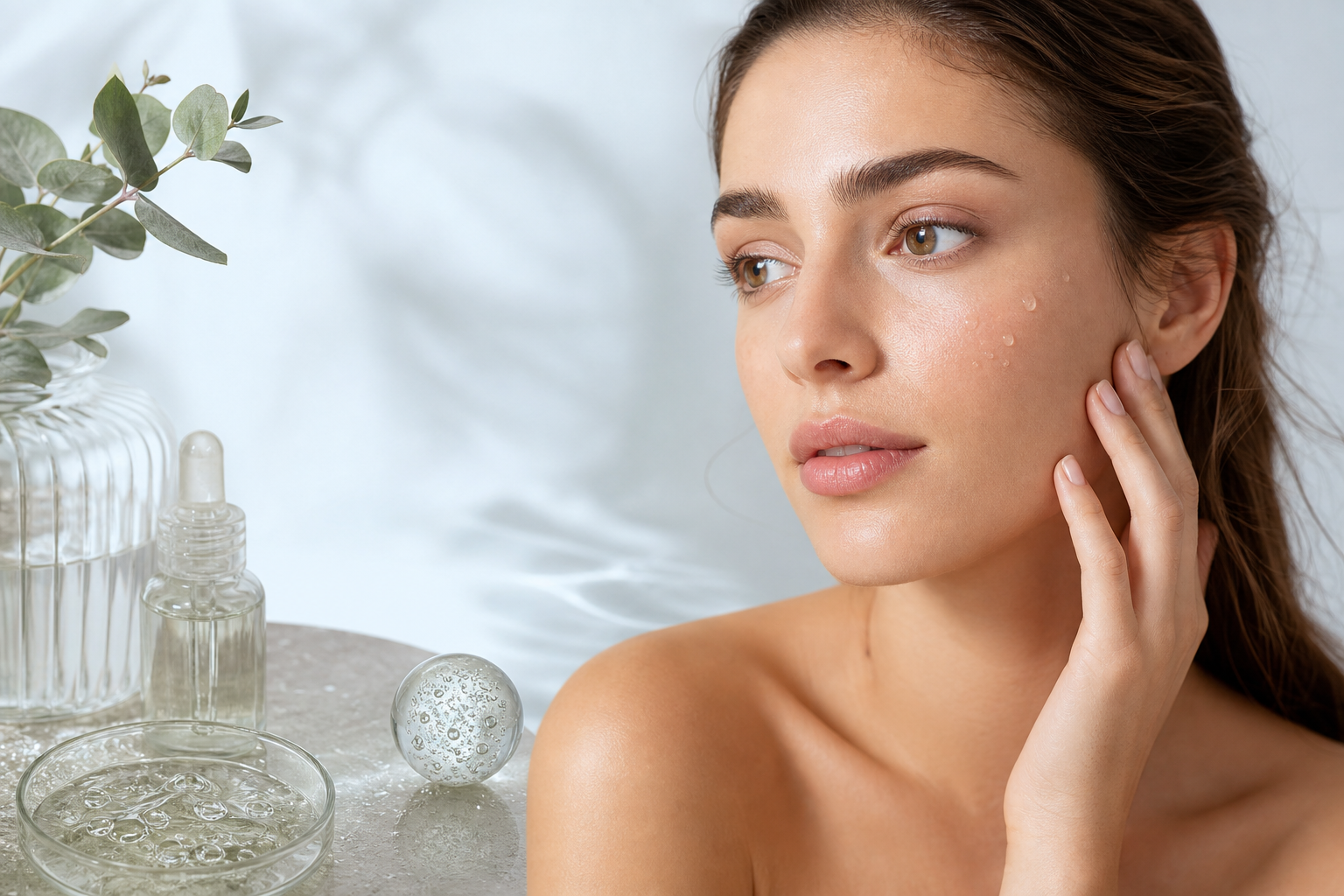
Facial skin dehydration is an issue that affects many but is often misunderstood or confused with dry skin. Dehydration refers specifically to the lack of water in the epidermis, the skin’s uppermost layer, which can lead to a variety of visible and tactile symptoms such as tightness, fine lines, and a dull complexion. Unlike dry skin, which is a skin type characterized by insufficient oils or lipids, dehydration can affect all skin types—including oily and combination skin—and is primarily concerned with moisture levels rather than oil content.
This topic is crucial for anyone interested in maintaining healthy and radiant skin. Whether you are a skincare enthusiast, someone struggling with persistent skin discomfort, or a professional seeking a deeper understanding of skin hydration, recognizing the signs of facial skin dehydration matters. Early and accurate identification allows you to tailor your skincare routine effectively, preventing further damage and preserving skin vitality in the face of environmental stressors, lifestyle habits, and aging.
As factors such as increased screen time, urban pollution, and fluctuating weather conditions increasingly challenge skin hydration, understanding how to recognize facial skin dehydration equips you with the knowledge to respond intelligently and maintain your skin’s optimal state. This comprehensive editorial will guide you through what facial skin dehydration entails, how to distinguish it from other conditions, the symptoms it presents, and the most effective ways to care for dehydrated skin both at home and under professional supervision.
What Exactly Is Facial Skin Dehydration and How Does It Develop?
Facial skin dehydration describes a state in which the skin’s water content is below optimal levels, particularly in the epidermis. Epidermal hydration is vital for skin elasticity, smoothness, and barrier function. When this hydration balance is disrupted, the skin becomes vulnerable to irritation, premature aging signs, and a dull appearance.
Dehydration differs fundamentally from dry skin, which is a skin type defined by reduced sebum production and lipid deficiency. Dehydration is a condition that can transiently affect any skin type due to internal or external influences reducing epidermal moisture.
Internal causes of skin dehydration include inadequate water intake, poor nutrition, hormonal changes, use of certain medications, and underlying health conditions affecting fluid balance. Externally, exposure to extreme temperatures, harsh wind, low humidity environments, excessive cleansing, and the use of irritating skincare products can accelerate water loss from the skin. These factors disrupt the skin’s natural barrier, leading to increased transepidermal water loss (TEWL).
Recognizing that dehydration can affect oily, combination, normal, or dry skin reinforces the importance of assessing skin hydration independently from oiliness or dryness. Someone might have oily skin yet suffer from dehydration, leading to paradoxical symptoms such as oiliness with tightness or flakiness.
How Does Dehydrated Skin Differ from Dry Skin?
Understanding the distinction between dehydrated and dry skin is key for selecting the appropriate skincare products and treatments. Dry skin is a skin type characterized by low sebum (oil) production, often genetically determined. It generally feels rough and may show symptoms of chronic flakiness or redness, necessitating moisturizing products rich in emollients and oils that replenish the lipid barrier.
In contrast, dehydrated skin lacks water but may have normal or even excess sebum levels. Symptoms include tightness, sensitivity, dullness, and fine lines which reflect insufficient hydration rather than oil deficiency. Dehydration can be temporary and reversible with proper hydration-focused care, whereas dry skin requires long-term lipid replacement.
Many people confuse these conditions and use heavy creams on dehydrated skin, which can exacerbate problems by clogging pores or creating discomfort, especially for those with oily or combination types. Therefore, identifying whether the skin needs hydration (water) or moisturization (oil) is fundamental.
What Are the Most Noticeable Signs of Facial Skin Dehydration?
Recognizing the early signs of facial skin dehydration enables prompt intervention before more serious damage occurs. Some of the most common and noticeable symptoms include:
Tightness: A sensation of skin pulling or shrinking, especially after cleansing or environmental exposure, indicative of loss of moisture.
Dull, lackluster complexion: Skin appears tired, greyish, and lacks the healthy glow associated with well-hydrated skin.
Fine lines and crepiness: Unlike permanent wrinkles caused by aging, dehydration lines occur due to temporary water deficiency, making the skin surface look more fragile and lined.
Flaking or peeling: Mild exfoliation of the superficial skin layers caused by barrier disruption and dryness.
Excess oiliness (paradoxically): Skin may produce more sebum to compensate for a lack of moisture, which can confuse those assuming oiliness contradicts dehydration.
Increased sensitivity and redness: Dehydrated skin barrier can lead to heightened reactivity to skincare products and environmental factors.
How Can You Test and Care for Dehydrated Skin at Home?
A simple test to check for dehydration involves gently pinching or pulling the skin around the cheek or neck. If it returns to its normal position slowly or shows fine lines on pinching, this suggests reduced elasticity and hydration.
When caring for dehydrated skin at home, the focus should be on rebuilding moisture retention within the epidermis. Key points include:
Use gentle cleansers: Opt for pH-balanced, non-foaming cleansers without harsh detergents or alcohol that strip moisture.
Incorporate humectants: Ingredients like hyaluronic acid, glycerin, sorbitol, and aloe vera help draw and hold water into the skin layers.
Apply occlusives moderately: Ceramides, squalane, and light oils can help seal in moisture without overwhelming the skin, especially if it is oily or combination.
Hydrate internally: Drink adequate water and consider foods rich in omega-3 fatty acids and antioxidants that support skin barrier health.
Avoid over-washing: Limit face washing to twice daily, avoiding hot water and aggressive scrubbing.
Protect skin from environmental aggressors: Use a broad-spectrum sunscreen and cover skin from harsh winds or extreme temperatures.
Use a humidifier: Especially in dry indoor environments, a humidifier helps maintain ambient moisture which benefits skin hydration.
When Should You Consider Professional Skincare Treatments and Dermatological Advice?
If your efforts at home do not improve skin hydration, or if you experience persistent redness, irritation, or peeling beyond normal symptoms, consulting a dermatologist is advised. A professional can accurately diagnose whether there are underlying skin conditions such as eczema, rosacea, or dermatitis requiring targeted therapies.
Advanced cosmetic treatments to improve skin hydration include sessions with hydrating facials, mesotherapy without needles, and the application of serums via ultrasound or light therapy to enhance ingredient penetration. These interventions restore moisture, strengthen the skin barrier, and promote a radiant complexion.
Always seek personalized recommendations tailored to your skin’s specific condition, as harsh or unsuitable procedures can worsen dehydration.
What Are Common Misconceptions About Facial Skin Dehydration?
Several myths circulate regarding skin hydration, some of which may discourage or misguide proper care. For example, the notion that oily skin cannot be dehydrated is false and can lead individuals to neglect hydration in favor of excessive drying products.
Another common misconception is that applying heavy, oily products is the best treatment for dehydrated skin. While occlusives have a role, they do not replace the need for water-binding ingredients. Using overly rich creams may clog pores and exacerbate breakouts in certain skin types.
Additionally, equating skin oiliness with hydration is misleading; oil is protective but does not substitute for water loss. True hydration involves restoring water balance, not simply preventing oil evaporation.
How Can You Maintain Healthy Hydration for Facial Skin Daily?
Long-term skin hydration requires consistent and mindful habits, including:
Starting your day well-hydrated: A glass of water first thing helps boost systemic hydration, indirectly benefiting skin moisture.
Choosing the right skincare products: Cleanse with mild agents, use serums and creams rich in humectants and skin barrier repairs, and protect with sunscreen.
Limiting exposure to harsh conditions: Shield your skin in harsh climates and use humidifiers indoors when air is dry.
Balancing lifestyle factors: Manage stress, avoid excess caffeine and alcohol, and prioritize nutrition that supports skin health.
Adapting your routine seasonally: Modify skincare products usage according to weather changes to maintain skin hydration year-round.


