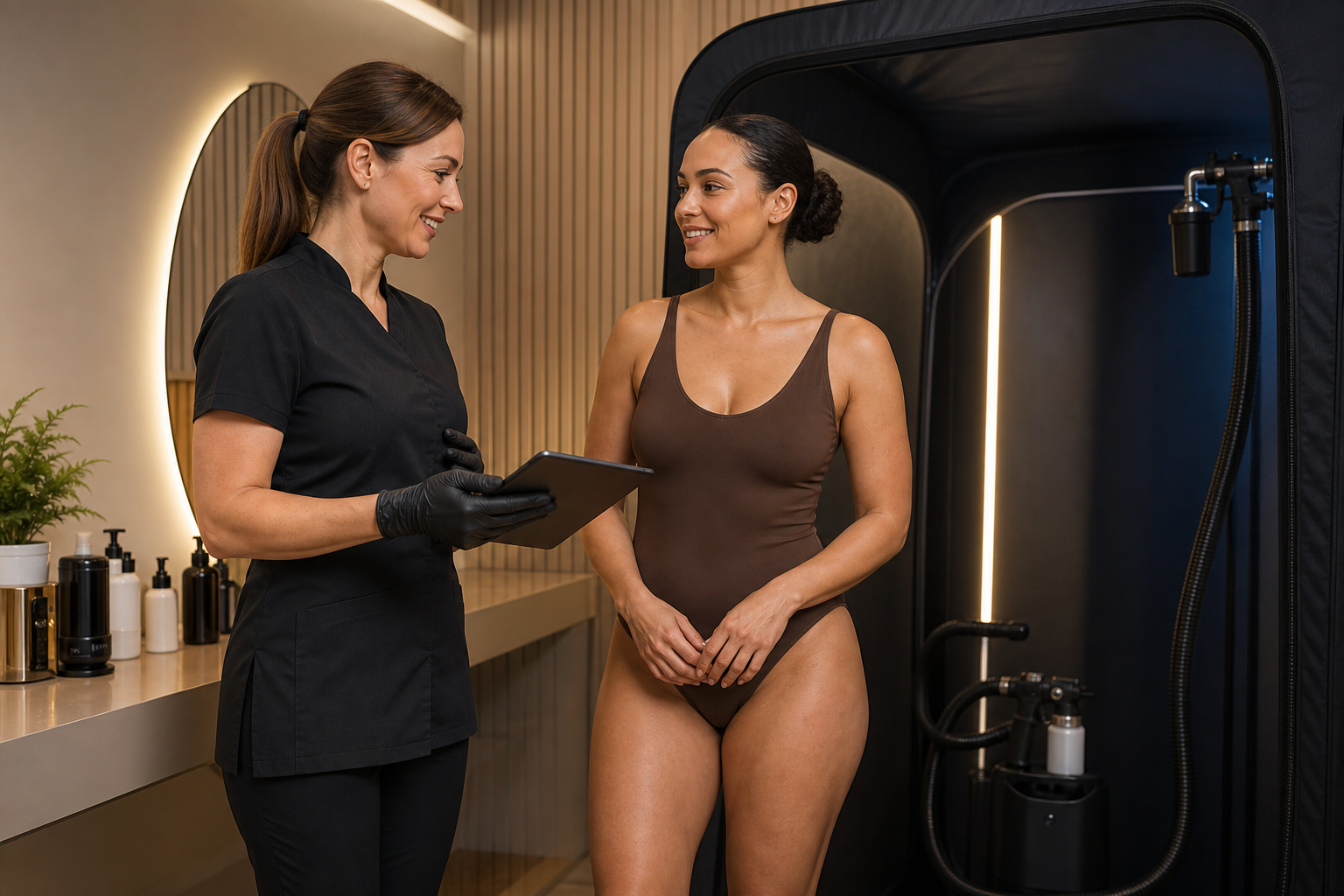
Introducing a spray tan service in a beauty salon represents a forward-thinking opportunity to expand your salon's offerings and attract a broader clientele seeking a healthy, sun-kissed glow without the risks associated with ultraviolet (UV) exposure. Spray tanning is an innovative, non-invasive technique that applies specially formulated bronzing solutions to the skin via a fine mist. This treatment delivers an immediate, natural-looking tan that avoids the harmful effects of sunbathing and tanning beds, making it increasingly popular among clients valuing safety alongside beauty.
This article is written for salon owners, managers, and beauty professionals considering the integration of professional spray tan services into their existing business. It addresses the critical elements needed to successfully implement this service, including equipment selection, workspace organization, product quality, hygiene standards, and staff education. Understanding these factors is essential for delivering outstanding results that satisfy health-conscious clients and enhance the salon's reputation.
With tanning trends evolving and increasing consumer demand for safe alternatives, offering spray tan services can provide your salon with a competitive edge. However, this is not a simple add-on; successful integration requires strategic planning, investment in high-quality materials, and stringent adherence to industry best practices. This editorial aims to provide a comprehensive analysis of what it takes to introduce spray tanning professionally and responsibly in your salon environment.
What Is Spray Tan and Who Benefits from This Service in a Beauty Salon?
Spray tan, also known as airbrush tanning, involves the application of a specially formulated tanning solution onto the skin. This solution contains dihydroxyacetone (DHA), a colorless chemical that reacts with amino acids on the skin's surface to create a brown pigment resembling a natural tan. Unlike traditional sunbathing or tanning beds, spray tanning does not expose skin to UV rays, thereby significantly reducing the risk of skin damage or long-term dermatological concerns.
The service caters primarily to individuals who desire the aesthetic enhancement of a bronzed complexion without the associated health hazards of sun exposure. It is ideal for clients preparing for special events such as weddings, vacations, or photo shoots, as well as those maintaining year-round skin safety. Additionally, individuals with sun-sensitive skin types or those managing skin conditions benefit greatly from this risk-free tanning option.
For salon operators, offering reliable and expertly performed spray tan treatments can attract customers who might otherwise be hesitant to pursue tanning services. It positions the salon as a modern, health-conscious establishment that respects evolving beauty standards and client safety.
Key Equipment Essentials for Establishing a Professional Spray Tan Service
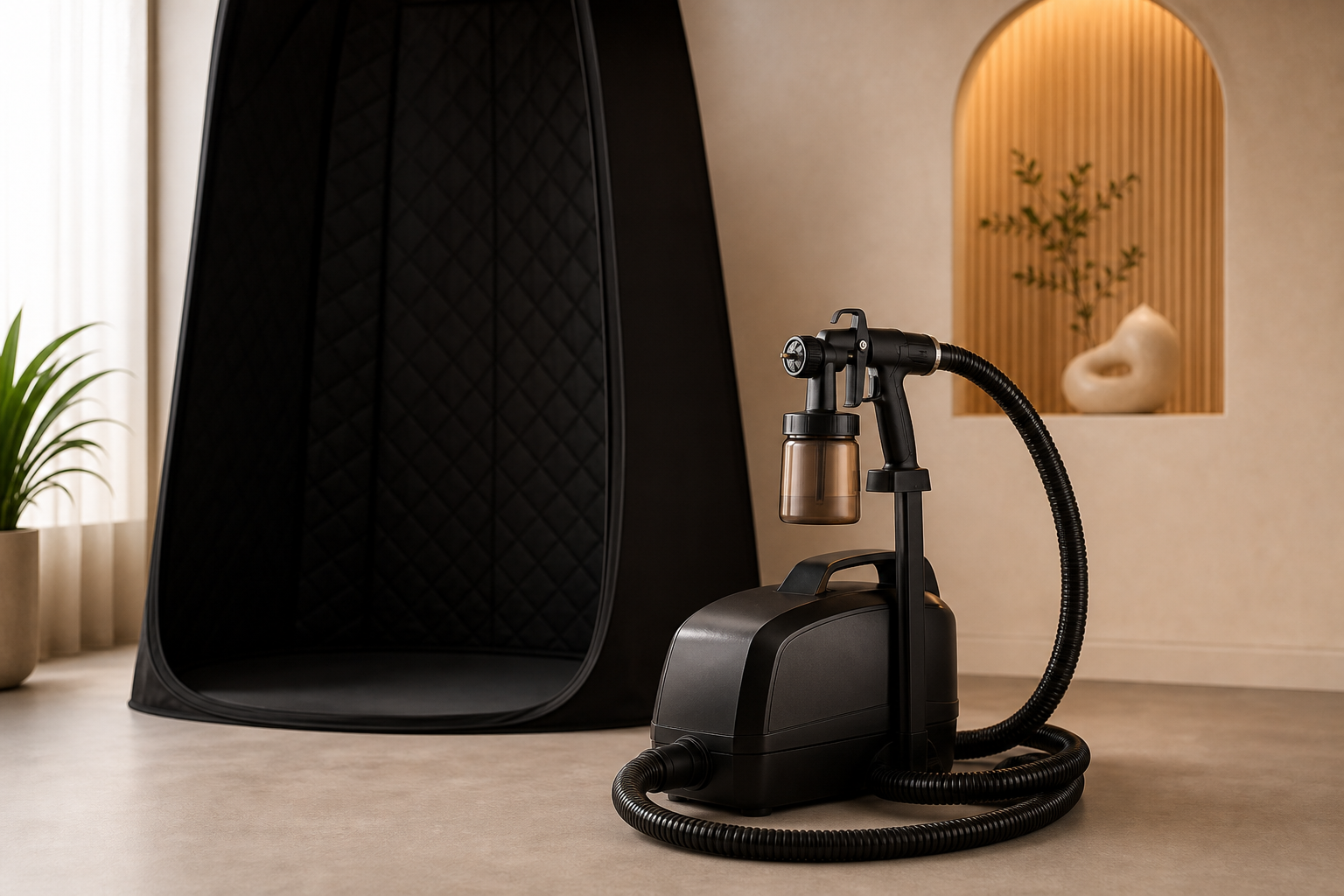
At the heart of a successful spray tan service lies the selection and implementation of appropriate equipment. The most widely recognized technology used is the High Volume Low Pressure (HVLP) spray system, which allows for efficient and even application of tanning solutions. HVLP spray guns emit a consistent fine mist that maximizes coverage and minimizes waste, producing a smooth and streak-free finish essential for client satisfaction.
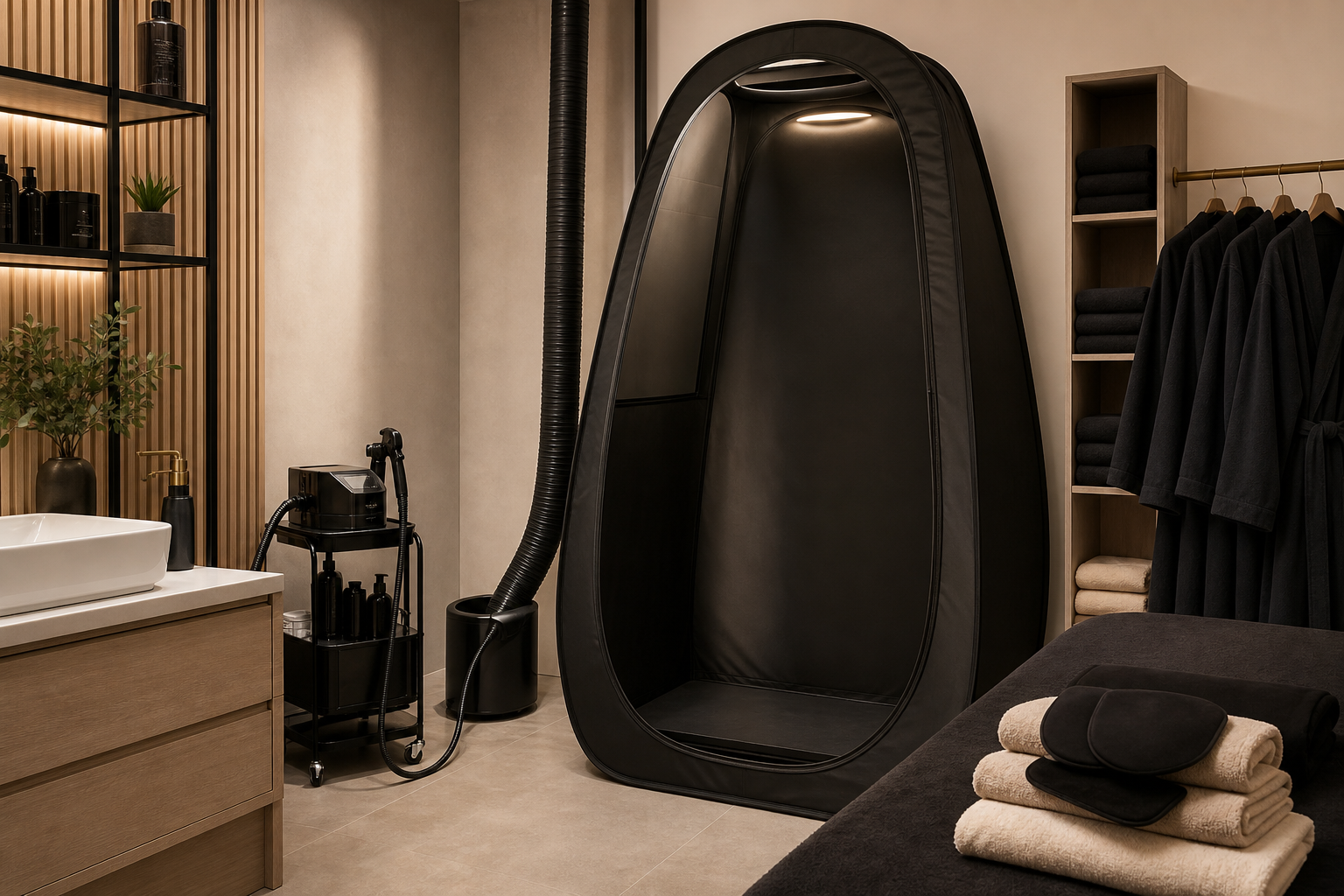
Complementary to the spray equipment, a dedicated spray tan booth or area equipped with suitable ventilation is necessary to manage overspray and maintain air quality. Proper ventilation systems capture excess tanning solution droplets, prevent lingering odors, and reduce the potential for stains or slips in the treatment area, thereby maintaining hygiene and contributing to a pleasant client and operator environment.
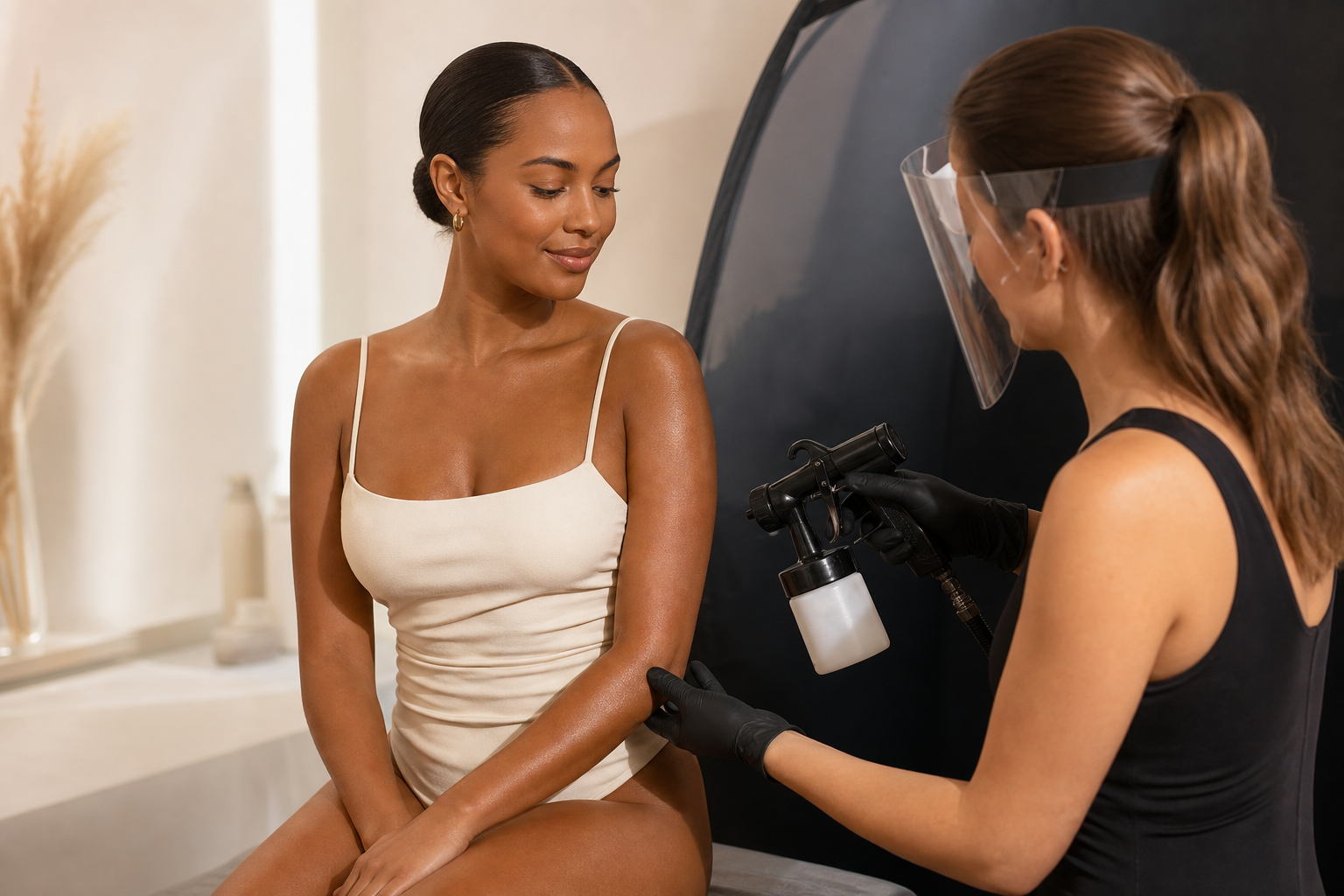
Investing in quality protective accessories is equally crucial. This includes disposable shoe covers, hair caps, protective goggles or masks for clients, and personal protective equipment (PPE) for technicians such as gloves and masks. These items ensure both safety and comfort during the procedure, underline professionalism, and uphold hygienic standards that clients expect in a beauty salon.
Mobile Spray Tan Services Versus In-Salon Treatments: Which Model Suits Your Business?
When introducing spray tanning, salons must evaluate whether to offer services exclusively within the salon or to incorporate mobile spray tan options. Each model presents distinct advantages, operational considerations, and client appeal.
Mobile spray tanning caters to convenience-focused clientele who prefer receiving treatments in private settings, such as their home or event venue. This model necessitates portable equipment and adaptability but may limit the complexity of set-up and environmental control compared to a salon booth. High-quality mobile services require strict protocols to maintain hygiene and consistency despite varying locations.
In contrast, in-salon services benefit from a controlled environment featuring purpose-built booths, superior ventilation, and sterilization capabilities. These factors contribute to higher quality and safer treatments. Moreover, salons can harness stronger brand identity and customer loyalty by providing a dedicated space tailored for spray tanning. However, this approach depends on sufficient space and investment to maintain the necessary infrastructure.
The choice between mobile and in-salon models often hinges on your salon's size, client demographics, staff expertise, and strategic business goals. Some operators find a hybrid approach beneficial, offering in-salon services as the primary option while accommodating mobile bookings for exclusive events or select clients.
Choosing Professional Spray Tan Solutions: What Quality Criteria Matter Most?
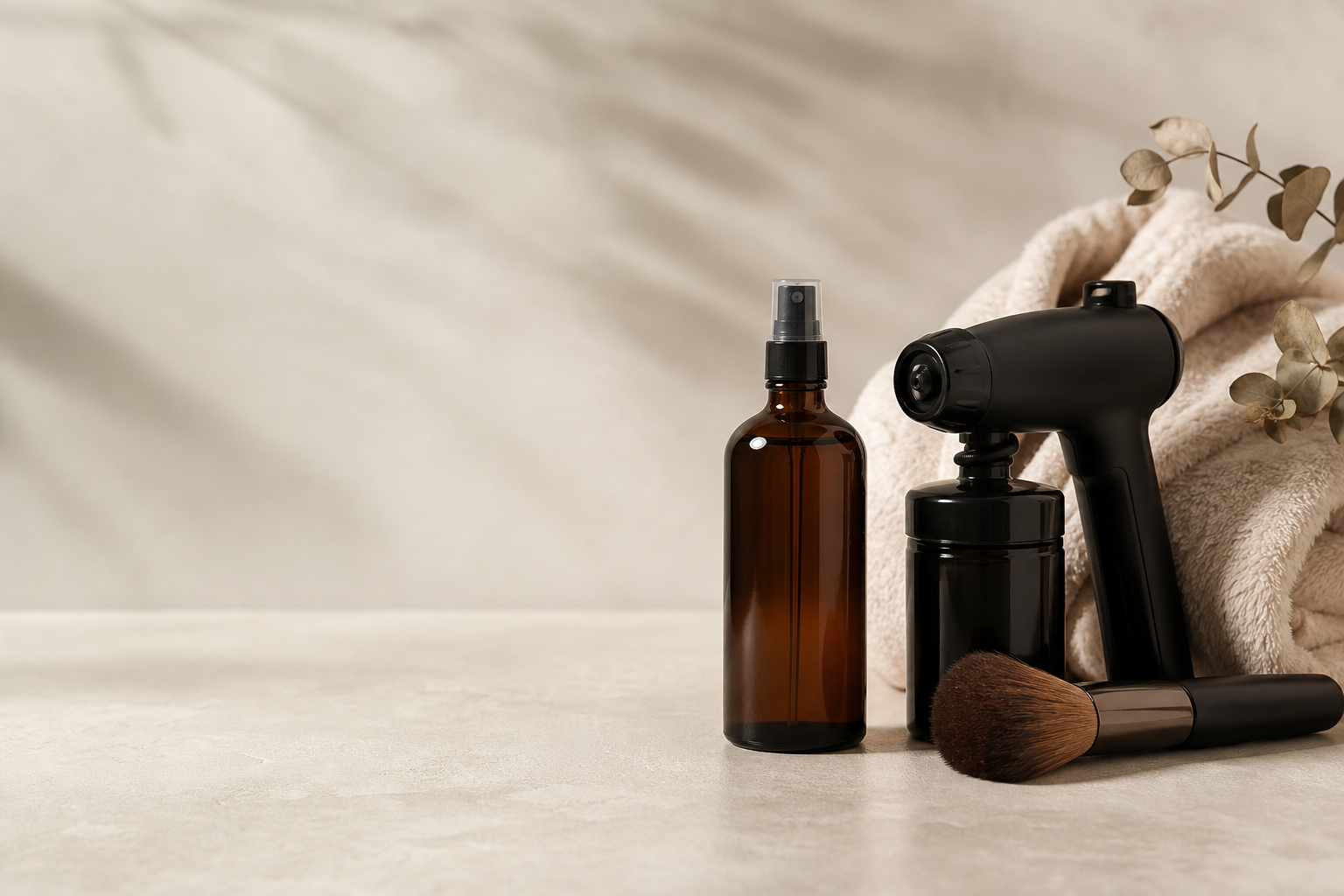
The selection of spray tan solutions profoundly influences treatment outcomes, client satisfaction, and safety. Most professional tanning solutions utilize DHA as their active ingredient, but significant variation exists in formula composition, additional ingredients, and certifications.
High-grade professional solutions often include moisturizing agents such as aloe vera, vitamins, or botanical extracts that enhance skin hydration and prolong the tan's longevity. The presence of natural, hypoallergenic ingredients can minimize the risk of adverse skin reactions, making these formulations suitable for sensitive skin types.
When selecting products, salons should prioritize those tested for safety, compliance with cosmetic regulations, and approved by relevant health authorities. Solutions free from harsh chemicals, parabens, or artificial fragrances tend to be preferred by discerning clients and contribute to an elevated salon reputation.
Another important consideration is shade variation and customization. Offering a range of tones from light golden to deep bronze allows clients to choose a tint that complements their natural coloring and preferences, providing a personalized experience and enhancing client retention.
Maintaining High Hygiene Standards and Utilizing Protective Equipment During Spray Tan Treatments
Upholding stringent hygiene protocols is indispensable for any salon service and particularly critical for spray tans due to the aerosolized nature of the treatment and close client-operator contact. Cleanliness safeguards both parties against infections, irritations, or contamination.
Salons must establish rigorous sanitization routines encompassing pre- and post-treatment cleaning of the spray tan booth, tools, and surfaces using disinfectants compliant with health regulations. Disposable materials should be used wherever possible, and replacement schedules for protective items strictly followed.
Technicians should consistently wear gloves, face masks, and eye protection to guard against inhalation and skin contact with the tanning solution. Clients should also be provided with disposable shoe covers, hair caps, and protective eyewear to shield sensitive areas and prevent unwanted staining. Proper removal and disposal protocols for these items further maintain hygiene and prevent cross-contamination.
Training staff extensively in these procedures ensures compliance and promotes a culture of safety. Documenting hygiene practices and treatment details provides traceability and enhances client trust.
The Importance of Comprehensive Training and Certification for Spray Tan Operators
While top-tier equipment and products are foundational for spray tanning, without skilled operators, service quality can falter. Professional education is therefore paramount. A thorough training course typically covers the theoretical background of spray tanning chemistry, physiology of skin tanning, safety guidelines, and hands-on techniques for even application and client consultation.
Training also involves instruction on personal and environmental hygiene protocols, equipment maintenance, and client communication strategies, including setting realistic expectations and post-treatment care advice. Certification from reputable training organizations signals professionalism and adherence to industry standards, which can differentiate your salon in a crowded market.
Ongoing education is recommended to keep pace with evolving product innovations, regulatory changes, and emerging best practices. Encouraging continuous learning fosters staff confidence and enhances overall service quality, ultimately translating into satisfied, returning clients.
What Clients Should Expect From a Professional Spray Tan Treatment and Post-Care Guidance
A professional spray tan session typically begins with a client consultation to determine the desired shade, skin sensitivities, and suitability for the procedure. Clients are advised to exfoliate and moisturize before treatment and to avoid applying lotions, oils, or deodorants on the day. Protective clothing and accessories are provided to preserve cleanliness.
The application lasts approximately 10 to 20 minutes, depending on the equipment and technique, within a ventilated, well-prepared booth. After treatment, initial drying and waiting time minimize transfer risks. Technicians offer detailed aftercare instructions emphasizing gentle skin hydration and avoidance of water exposure for several hours to allow full development of the tan.
Clients should be made aware that spray tans do not provide UV protection and that the use of broad-spectrum sunscreen with at least SPF 30 remains essential when outdoors. The tan typically develops over 6 to 8 hours and lasts up to 10 days, fading naturally with skin exfoliation.