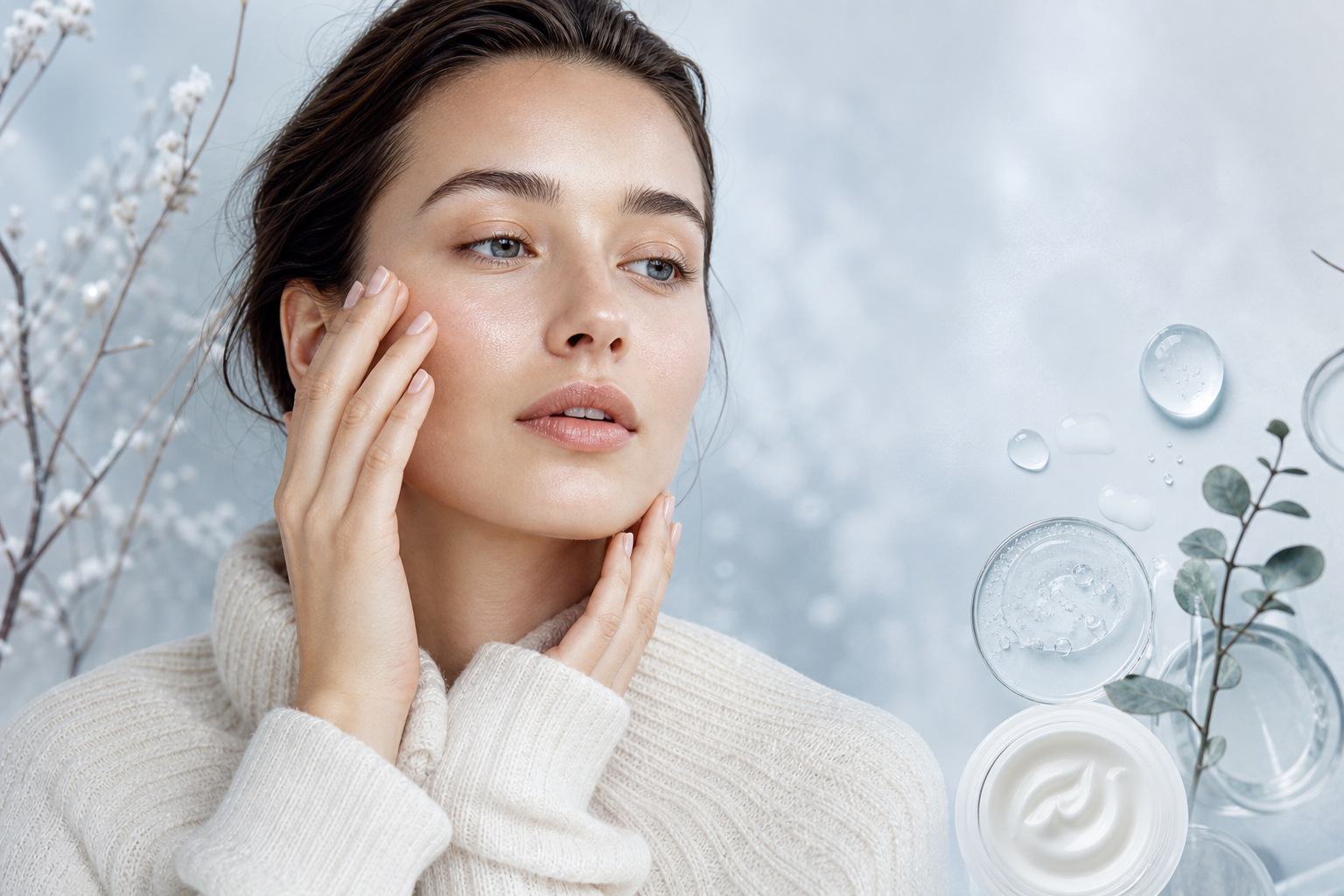
Cold weather poses a unique and significant challenge to skin health, as the chilled air and diminished humidity characteristic of winter months can dramatically affect the skin's condition. Individuals who experience uncomfortable dryness, increased sensitivity, or exacerbation of preexisting skin conditions during colder seasons will find understanding these processes particularly important. Furthermore, skin care professionals seeking to optimize guidance for clients during winter will benefit from comprehensive insights into how cold weather influences skin physiology and the effective strategies to mitigate adverse effects.
As the temperature drops and outdoor moisture levels wane, the skin's natural barrier—which meticulously retains moisture and protects against environmental aggressors—can become compromised. This results in symptoms such as tightness, flaking, redness, and irritation. These changes are not mere nuisances; they can exacerbate chronic dermatologic issues and lead to discomfort that negatively impacts quality of life. Therefore, grasping the mechanisms by which cold weather affects skin and the subsequent adjustments necessary in skin care routines is essential.
This article explores in depth the multifaceted impact of cold weather on the skin, examining physiological responses to winter conditions, the types of skin most susceptible to damage, and evidence-based approaches to preserving skin health throughout the cold season. By blending scientific understanding with practical advice, this discussion aims to empower readers to proactively care for their skin amidst challenging climatic conditions.
What Physiological Changes Does Cold Weather Cause in the Skin?
The human skin is a dynamic organ designed to protect and regulate the body's interface with the environment, and it continuously adapts to external stimuli. Cold weather introduces several stressors—namely low temperatures, diminished ambient humidity, wind exposure, and indoor heating—that jointly threaten skin homeostasis.
One of the primary physiological responses to cold is vasoconstriction, where blood vessels in the skin narrow to conserve core body heat. While this conserves warmth, it reduces blood flow to the skin's surface layers, limiting nutrient and oxygen delivery. Consequently, skin cells may function less optimally, resulting in diminished repair capacity and a compromised barrier.
Moreover, the typically dry winter air has a low relative humidity, which accelerates the trans-epidermal water loss (TEWL)—the continuous evaporation of water from the skin’s surface. This leads to dehydration of the stratum corneum, the topmost skin layer responsible for barrier function and moisture retention. A weakened barrier membrane becomes more permeable to irritants and allergens, which may trigger inflammation and sensitivity.
Additionally, cold wind acts as a mechanical irritant, stripping away the protective lipid layer (or hydrolipid film) that usually guards against moisture loss. Indoor environments heated by central systems often exacerbate dryness by significantly reducing air moisture levels further. These combined factors lead to the common winter dermatologic presentations: xerosis (dry skin), redness, itching, and in severe cases, fissuring and inflammation.
How Does Cold Weather Impact Skin Hydration and Barrier Integrity?
The protective barrier of the skin, primarily the lipid matrix within the stratum corneum, plays a pivotal role in controlling hydration. It prevents excessive water loss while shielding the skin from external aggressors. In cold weather, this barrier undergoes altered structural and functional changes that undermine its integrity.
Low temperatures induce tightening of the skin’s surface, making it less permeable to moisture retention agents naturally produced by the body. Simultaneously, reduced ambient humidity increases the gradient for water evaporation from the skin, heightening TEWL rates. The disruption of intercellular lipids—ceramides, cholesterol, and free fatty acids—further impairs barrier function, leading to elevated skin dryness and susceptibility to irritants.
At a molecular level, enzymes that aid in lipid synthesis and skin repair may have decreased activity due to the colder environment, slowing barrier restoration. The cumulative effect is a skin surface that loses its suppleness and resilience, presenting with rough texture, flaking, and a tendency toward inflammation.
Restoring and maintaining barrier function during colder months requires strategic use of moisturizers enriched with humectants (such as hyaluronic acid), occlusives, and lipid-replenishing ingredients like ceramides. These components work synergistically to lock in moisture, rebuild the lipid matrix, and soothe compromised skin, thus mitigating the adverse hydration effects imposed by the cold.
Which Skin Types Are Most Vulnerable to Cold Weather Effects?
While harsh winter conditions can affect all skin types, those with certain characteristics experience more pronounced difficulties. Dry skin, which inherently produces less sebum and possesses a thinner lipid layer, is particularly susceptible to cold weather-induced damage. These individuals often report early and severe onset of dryness, tightness, and flakiness as temperatures drop.
People with sensitive skin also face elevated risks. Reduced barrier integrity during cold spells can lower the skin’s threshold to allergens and irritants, provoking redness, discomfort, and heightened sensitivity. Moreover, certain chronic conditions such as atopic dermatitis, psoriasis, and rosacea may flare due to these environmental stressors.
Conversely, oily or combination skin types are not immune. Cold weather often causes sebaceous glands to produce less oil, potentially leading to areas of dryness and imbalance. These fluctuations may prompt inappropriate responses, such as increased cleansing or using heavy products unsuited for altered skin needs, inadvertently exacerbating winter skin issues.
Recognizing individual skin type vulnerabilities enables tailored interventions, ensuring adequate protection and nourishment suited to specific concerns during cold months.
How Should Daily Skincare Routines Adjust to Counteract Cold Weather?
Effective skin care in winter necessitates deliberate modifications focusing on preserving hydration, reinforcing barrier integrity, and protecting against external irritants. First, selecting gentle, hydrating cleansers rather than harsh soaps is critical. Traditional detergents can strip essential oils, worsening dryness and irritation.
Incorporating moisturizers with occlusive agents such as petrolatum, dimethicone, and natural oils forms a physical barrier to reduce water loss. Layering these over humectants like glycerin or hyaluronic acid attracts and retains water within the epidermis. Products containing lipid-replenishing ceramides, cholesterol, and fatty acids further restore the skin’s protective matrix.
Additional protection involves regular application of emollient-rich creams immediately after bathing, when skin is slightly damp, to seal in moisture effectively. Using rich balms for lips and hands addresses areas prone to cracking and enhanced dryness.
Furthermore, avoiding over-exfoliation, limiting hot showers, and wearing protective clothing—including scarves, gloves, and hats—serve as adjunctive measures to shield skin from the harsh environment. Incorporating antioxidant serums, such as vitamin C and E, supports defense against oxidative stress, which may increase due to seasonal factors.
When Should Individuals Seek Professional Skincare Advice or Treatments in Winter?
While most winter skin issues can be managed through at-home care, persistent or worsening symptoms warrant professional evaluation. Signs such as severe dryness leading to cracking, significant redness, itching, or development of eczematous lesions indicate that standard topical measures may be insufficient.
Dermatological assessment can identify underlying conditions exacerbated by cold weather and recommend targeted treatments, which may include prescription emollients, anti-inflammatory agents, or specialized barrier repair therapies. Clinics offering non-invasive hydration treatments, such as ultrasonic infusions or nutritive facials, may deliver enhanced moisture replenishment and barrier restoration during the winter season.
Additionally, professionals can guide product selection tailored to specific skin types and concerns, helping to avoid irritants and allergens commonly present in cosmetic items, thereby reducing the risk of adverse reactions.
What Realistic Expectations Should One Have Regarding Winter Skin Care Outcomes?
It is crucial to approach winter skin care with measured expectations. No regimen can completely negate environmental challenges posed by cold and dry weather. Rather, the objective is to minimize skin barrier disruption, maintain adequate hydration, and reduce discomfort and visible symptoms as much as possible.
Consistency in applying appropriate skin care products and protective measures is key, with improvements typically noticeable over weeks rather than days. Temporary changes in skin appearance and texture are normal as the skin adapts to altered conditions.
Patience and attentiveness to individual skin responses are essential. Should adverse effects emerge or conditions deteriorate, prompt consultation with a dermatologist ensures timely intervention and prevents complications.
How Does Cold Weather Skin Care Fit Within Broader Strategies for Hydration and Skin Renewal?
Understanding the effects of cold weather extends beyond isolated seasonal adjustments—it forms part of comprehensive skin health management. Combining seasonal protective measures with year-round hydration and renewal practices fosters resilient skin capable of responding optimally to environmental fluctuations.
Insights from resources like How Weather and Environment Affect Skin Hydration and Hydration and Skin Renewal: The Complete Guide emphasize integrative approaches. These include balancing internal factors such as nutrition and hydration status with external care routines tailored to climatic conditions. Utilizing periodic professional treatments alongside consistent daily practices supports long-term skin vitality and youthful appearance.
Such holistic strategies accommodate diverse underlying skin types and evolving needs while addressing external stressors—particularly critical when winter conditions impose added strain on skin integrity.


