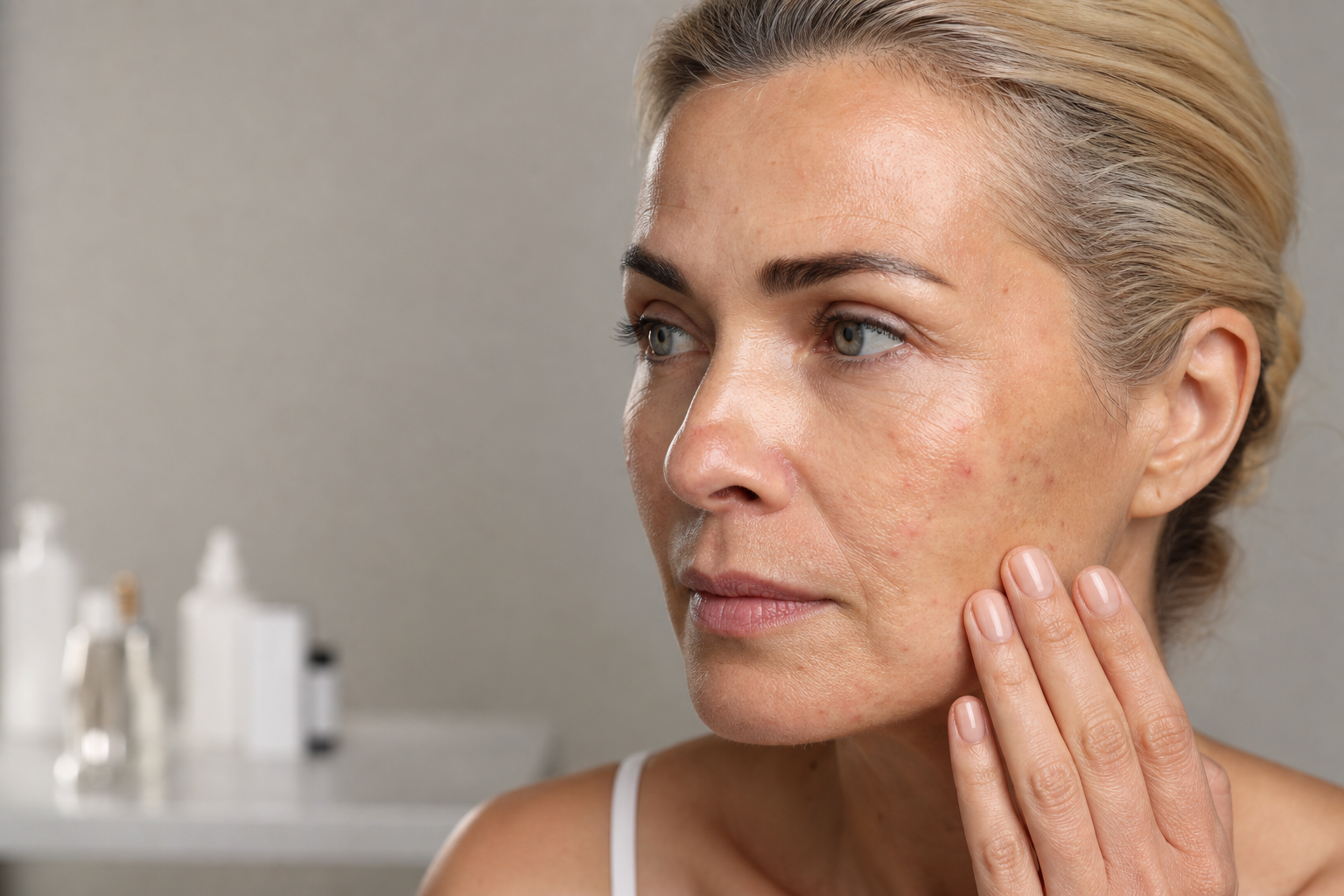
Understanding how acne develops is fundamental for anyone navigating the complexities of facial skincare, especially within the realm of anti-aging treatments. Acne, traditionally associated with adolescence, is a multifaceted skin condition that can persist or manifest anew in adulthood, intersecting with efforts to preserve youthful skin. For individuals seeking anti-aging facial treatments, recognizing the origins and progression of acne offers critical insights into selecting appropriate therapies that address both aging and blemished skin effectively.
This comprehensive article is intended for adults experiencing acne alongside signs of skin aging, skincare professionals aiming to enhance treatment outcomes, and anyone curious about the scientific and clinical intersections between acne pathology and anti-aging regimens. By elucidating the mechanisms behind acne formation, detailing relevant treatment options, and outlining safety parameters, this discussion bridges a crucial knowledge gap that directly impacts treatment success and overall skin health.
The importance of this topic extends beyond aesthetic considerations; acne lesions can influence skin texture, tone, and long-term dermatological well-being. When combined with the natural aging process, where collagen depletion and diminished cellular renewal occur, these factors necessitate nuanced approaches. Therefore, understanding acne development within the context of anti-aging facial treatments is instrumental for achieving balanced, safe, and effective skin care strategies tailored to mature, acne-prone skin.
What Is Acne and How Does It Relate to Aging Skin?
Acne is a chronic inflammatory condition characterized by the formation of comedones, papules, pustules, nodules, and cysts primarily on areas rich in sebaceous glands such as the face, chest, and back. Its pathophysiology involves a complex interplay of increased sebum production, abnormal keratinization leading to follicular plugging, proliferation of Cutibacterium acnes bacteria, and subsequent inflammation.
While acne is often discussed in relation to teenage years, it is increasingly recognized as a condition persisting into adulthood, with notable implications for aging skin. Adult acne may coexist with or exacerbate typical signs of aging such as fine lines, wrinkles, and uneven pigmentation. Additionally, the skin's reparative capacity diminishes with age, complicating the resolution of acne lesions and increasing the likelihood of residual scarring and hyperpigmentation.
From a dermatological perspective, integrating acne-specific treatment with anti-aging protocols requires an understanding of this dual burden. Ingredients and procedures chosen must simultaneously target acne-causing mechanisms and support skin elasticity, hydration, and cell turnover associated with youthful appearance.
Which Factors Contribute to Acne Development in Adults?
The pathogenesis of acne remains multifactorial, but several key elements are especially pertinent to adult populations. Elevated androgen levels, which stimulate sebaceous gland activity and sebum secretion, play a critical role. Fluctuations may arise from hormonal disorders, stress, or medications, and contribute to ongoing or new acne presentation.
Moreover, age-related changes in skin physiology, such as decreased barrier function and altered immune responses, can influence acne progression. Environmental factors including pollutants and lifestyle choices also impact skin health and can exacerbate acne formation.
It is equally important to note that the use of certain anti-aging skincare components, like retinoids and exfoliating acids, requires careful modulation. Overuse or inappropriate application can induce irritation or compromise skin integrity, potentially worsening acne or leading to increased sensitivity.
How Do Anti-Aging Facial Treatments Address Acne While Mitigating Skin Aging?
Anti-aging facial treatments tailored for acne-prone mature skin generally involve a combination of topical agents, professional procedures, and lifestyle modifications designed to harmonize skin renewal with inflammation control. Retinoids, often regarded as gold-standard in both anti-acne and anti-aging therapy, promote keratinocyte turnover, reduce follicular plugging, and stimulate collagen synthesis, thereby improving both acne lesions and signs of aging.
Chemical exfoliants — including alpha-hydroxy acids (AHAs) and beta-hydroxy acids (BHAs) — are judiciously incorporated to dissolve comedones and lighten post-inflammatory hyperpigmentation, enhancing skin tone and texture without significant downtime. These agents must be used under professional guidance to avoid excessive dryness or irritation.
Non-invasive modalities such as LED light therapy offer adjunctive benefits by reducing bacterial load and inflammation while promoting tissue repair, making them suitable for inclusion in comprehensive anti-aging regimens for acne-affected skin.
What Are the Indications and Expected Outcomes of Combining Acne and Anti-Aging Treatments?
Patients presenting with mild to moderate inflammatory and non-inflammatory acne lesions alongside early or established signs of aging may benefit from integrated treatment approaches. The primary indication is the need to simultaneously address skin blemishes and aging symptoms to improve overall facial aesthetics and texture.
Expected outcomes include reduction in active acne lesions, diminished inflammation, improvement in skin firmness, enhanced clarity, and more uniform pigmentation. However, it is essential to maintain realistic expectations as therapeutic effects accumulate progressively, often over several months.
Limitations exist; severe nodulocystic acne or extensive scarring typically requires dermatological intervention beyond aesthetic treatments. Furthermore, some anti-aging components may irritate sensitive or actively inflamed skin if not carefully managed.
When Should Individuals Seek Consultation with a Dermatology Specialist?
Professional consultation is strongly advised if acne exhibits persistent inflammation, nodulocystic characteristics, or if lesions result in pain or scarring. Similarly, when anti-aging regimens provoke unexpected irritation or fail to improve skin condition, expert evaluation is warranted.
A qualified dermatologist or skincare specialist can provide precise diagnosis, differentiate between acne subtypes, and customize treatment plans that accommodate the overlapping demands of acne management and aging skin care. They can also monitor treatment safety and efficacy, adjusting therapies as needed.
Moreover, individuals with underlying hormonal imbalances or systemic conditions contributing to acne should undergo medical assessment to address root causes alongside dermatological care.
What Safety Considerations Are Crucial in Combining Acne and Anti-Aging Facial Treatments?
Safety is paramount when integrating acne management within anti-aging facial protocols. Selection of non-comedogenic, dermatologically tested products avoids exacerbation of acne or induction of contact dermatitis. Gradual introduction of active ingredients reduces the risk of irritation and facilitates skin adaptation.
Procedural treatments require infection control measures and customization based on skin sensitivity. For instance, aggressive exfoliation may compromise the epidermal barrier, necessitating caution in individuals with active acne lesions.
Patient education on supportive skin care practices, including sun protection and gentle cleansing, enhances treatment tolerability and outcomes. Continuous monitoring ensures prompt identification and management of adverse effects.
How Do Professional Treatments Complement Home Skincare in Managing Acne for Aging Skin?
Home skincare establishes the foundation for acne control and anti-aging maintenance but is often insufficient alone for complex cases. Professional treatments — such as medical-grade chemical peels, microdermabrasion, and LED phototherapy — provide deeper intervention, accelerating exfoliation, reducing inflammation, and stimulating collagen production.
These procedures complement daily topical regimens by improving product penetration and promoting a more uniform skin environment conducive to repair and regeneration. They also enable tailored adjustments to account for evolving skin needs over time.
The synergy between professional and at-home care maximizes therapeutic efficacy while minimizing complications, promoting sustained skin health and aesthetic appeal.
What Are the Practical Guidelines for Selecting Appropriate Treatments Based on Acne Severity and Skin Aging?
Assessment of acne severity and signs of aging guides treatment choice. For mild acne with early aging features, gentle retinoids combined with moisturizers and sun protection often suffice. Moderate acne may necessitate adjunctive professional therapies and medicated topical agents designed to address both inflammatory lesions and photoaging.
Severe acne, especially when accompanied by advanced aging changes, calls for interdisciplinary management involving dermatologists. Systemic therapy might be required alongside specialized aesthetic procedures.
Individual skin type, tolerance, lifestyle factors, and personal preferences must also inform treatment selection, underscoring the importance of personalized care plans.
How to Set Realistic Expectations and Monitor Progress During Combined Acne and Anti-Aging Regimens?
Realistic expectations are vital to patient satisfaction and adherence. Since skin renewal processes and acne resolution do not occur overnight, incremental improvements over weeks to months should be anticipated. Open communication about potential side effects, treatment limitations, and timelines fosters trust and informed decision-making.
Regular follow-up appointments enable monitoring of lesion response, skin texture, and any adverse reactions. Adjustments to treatment intensity, formulation, or frequency can be made based on clinical observations and patient feedback.
Documenting baseline skin condition with photographs and assessment scales helps quantify progress, motivating continued commitment to the regimen.


