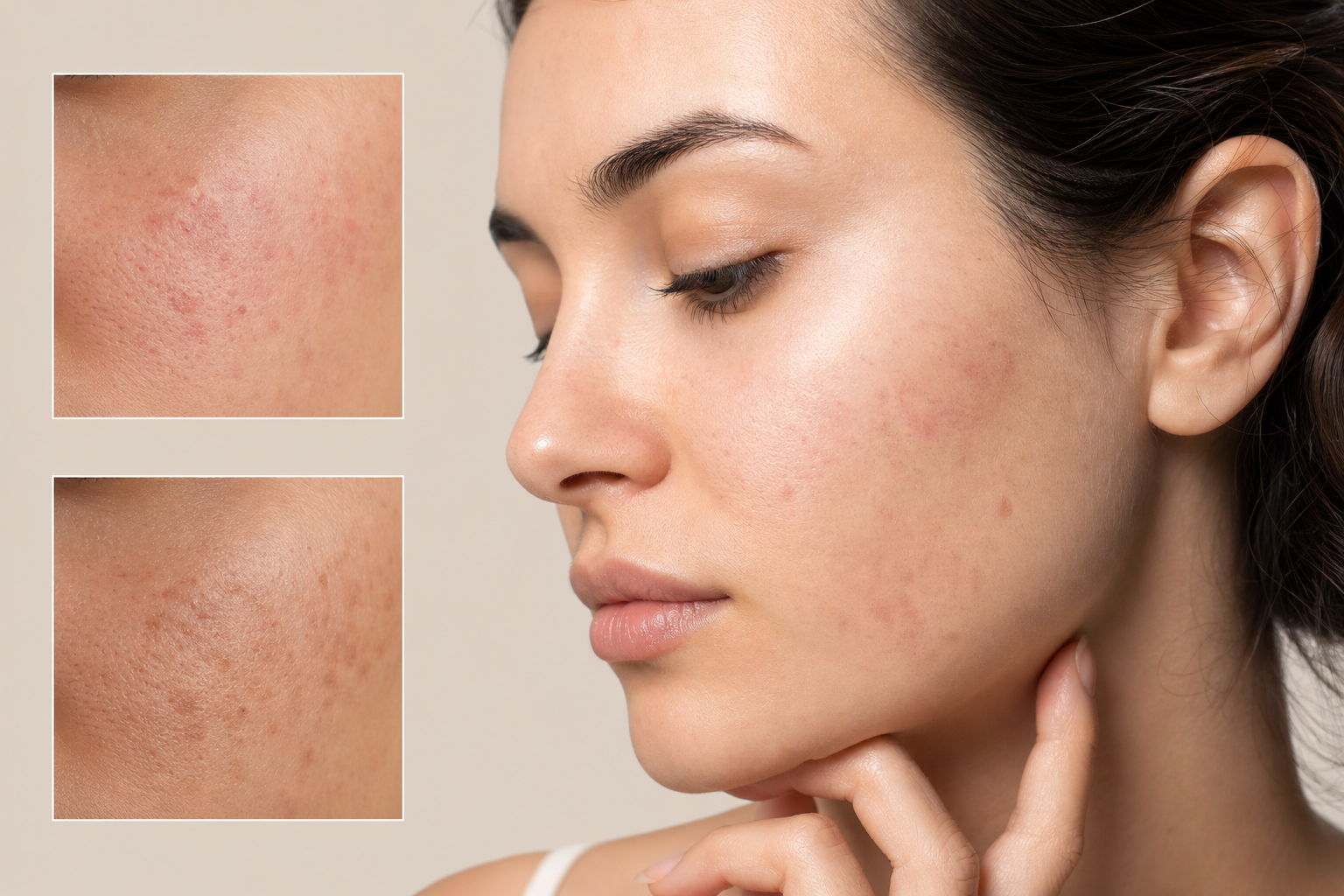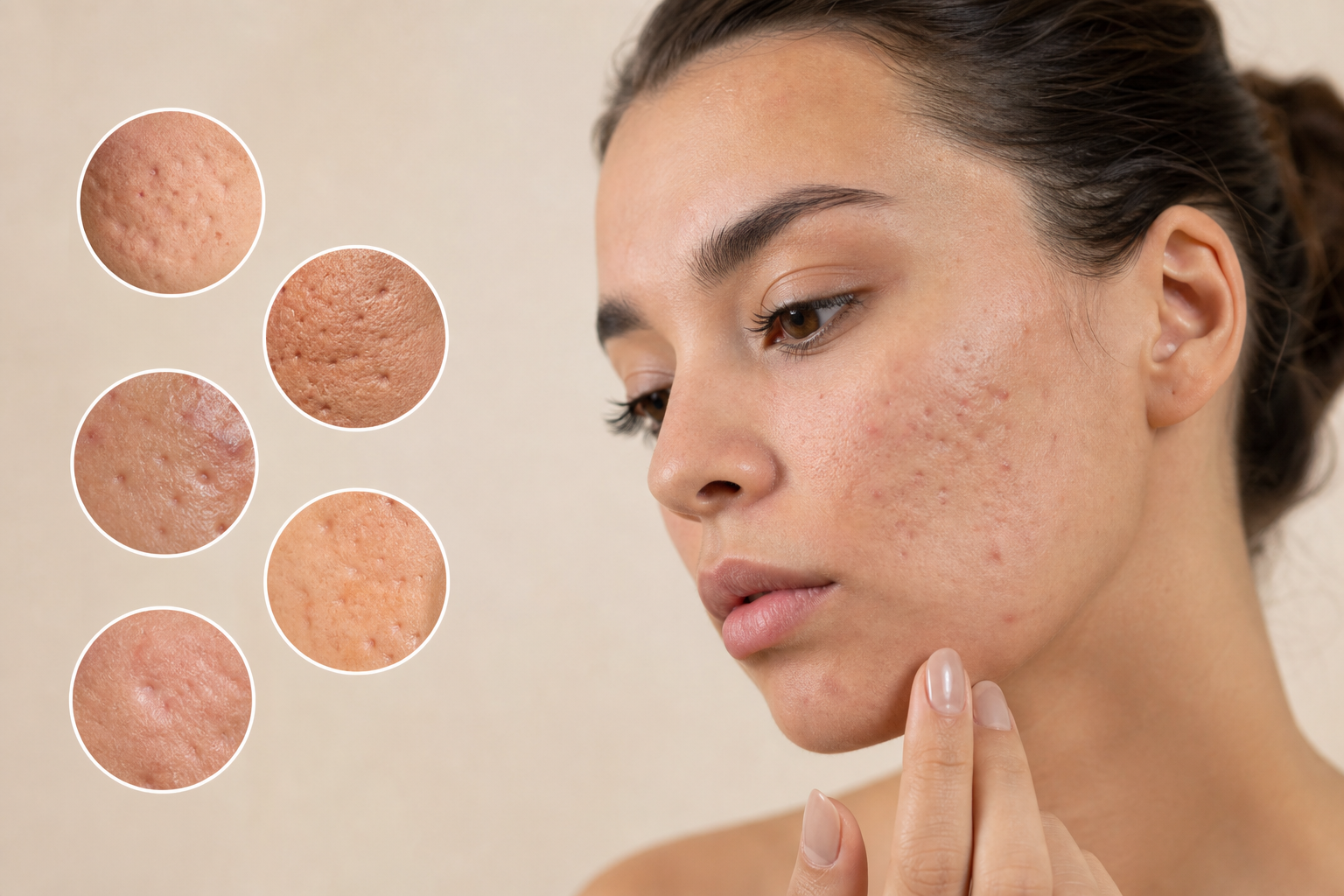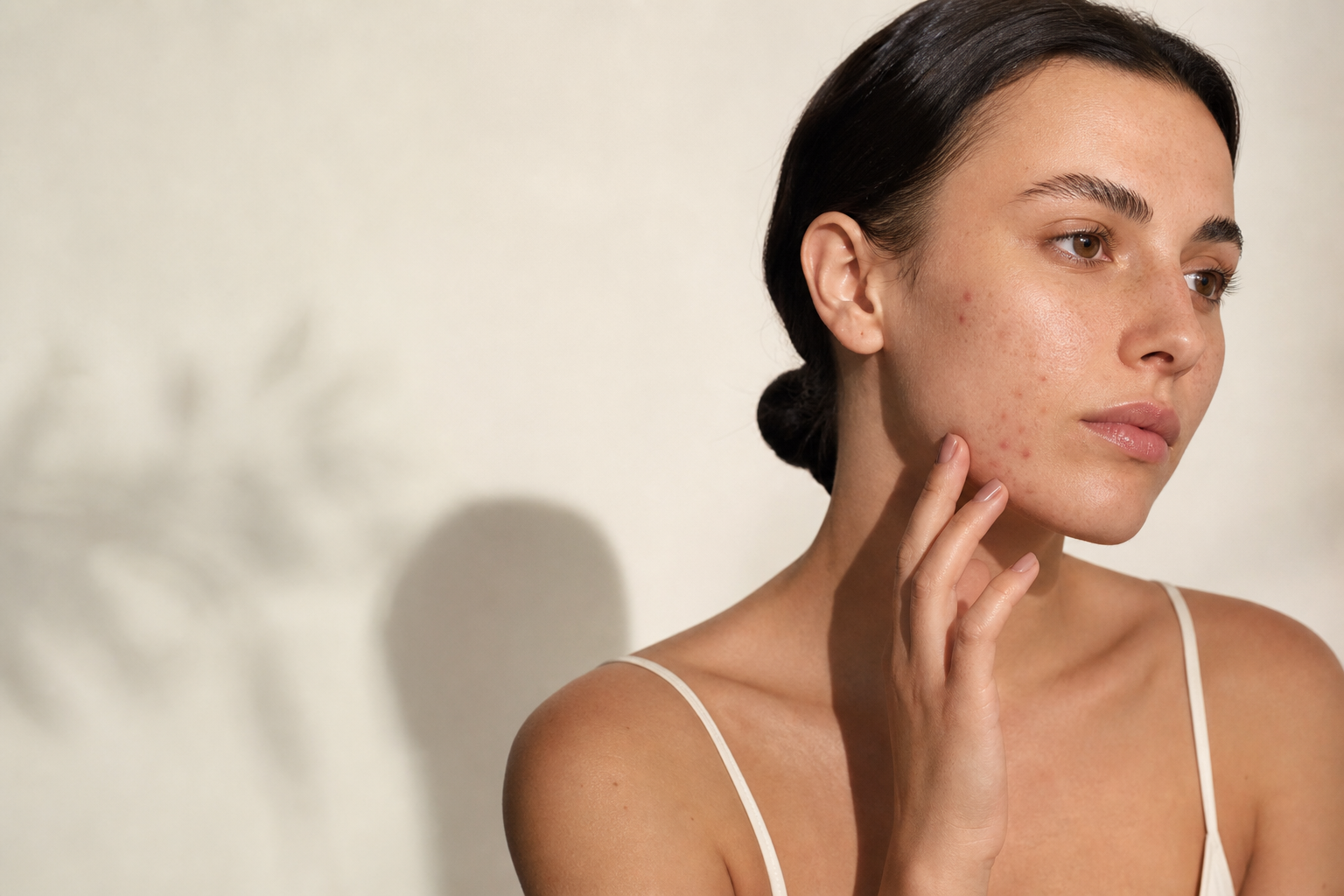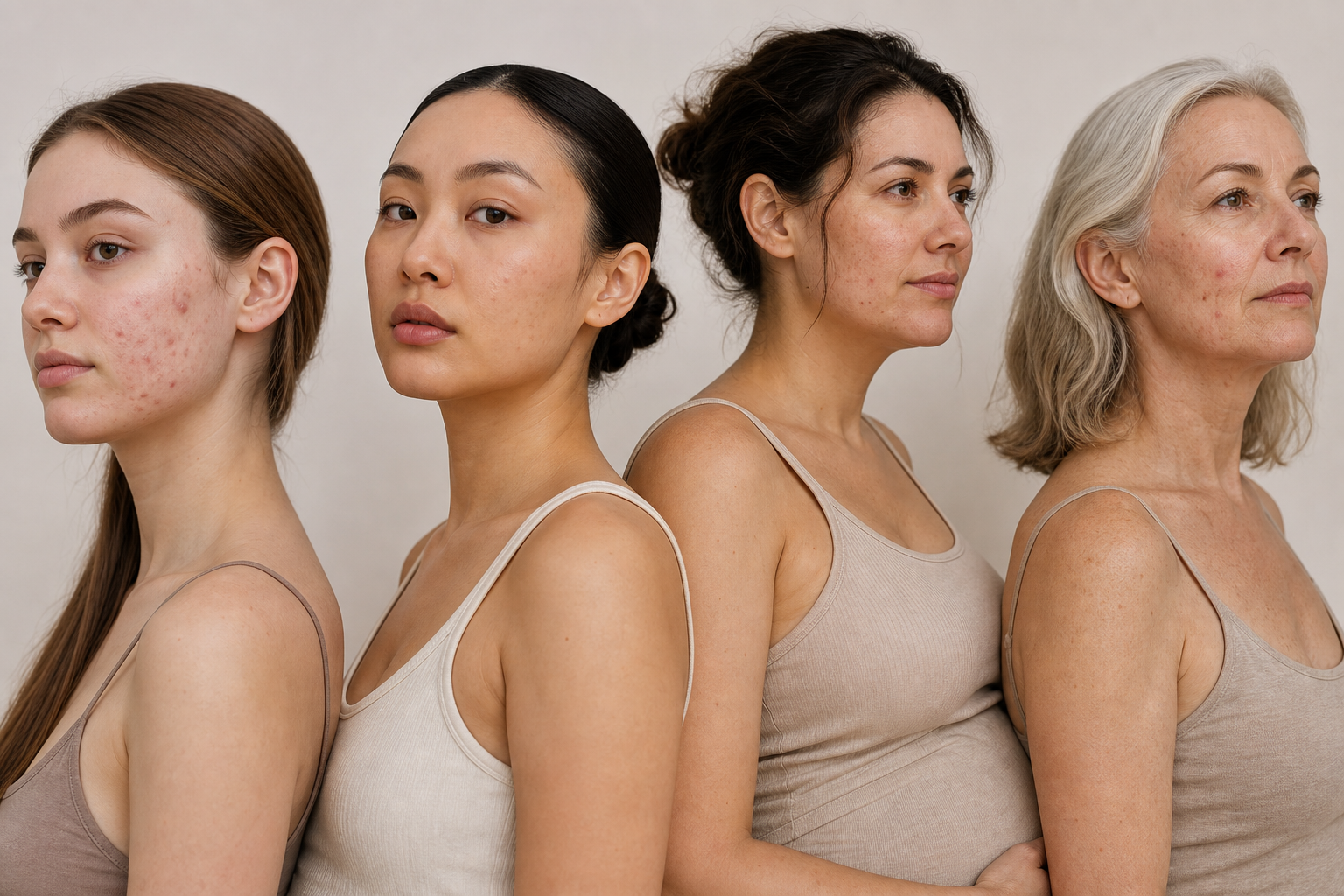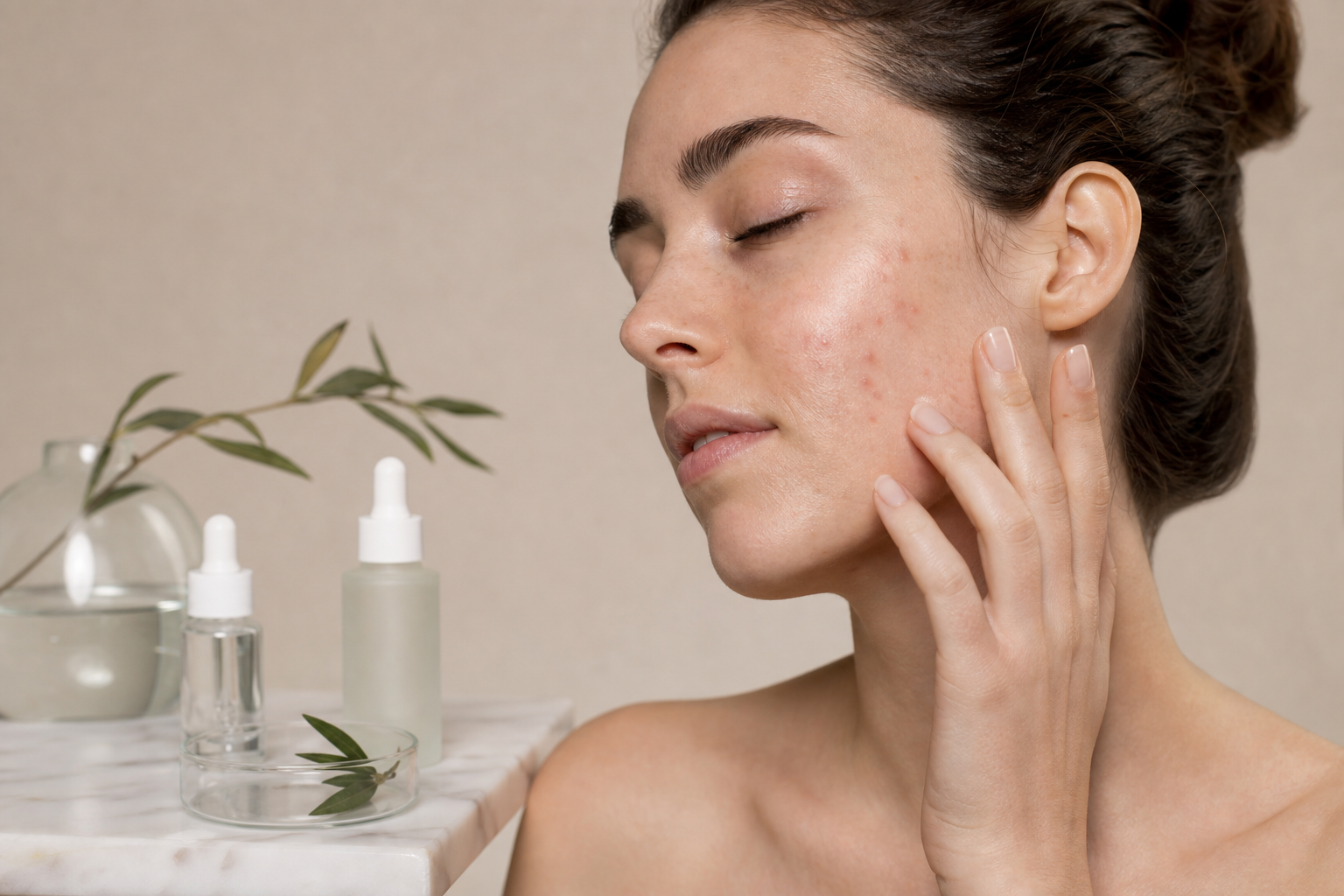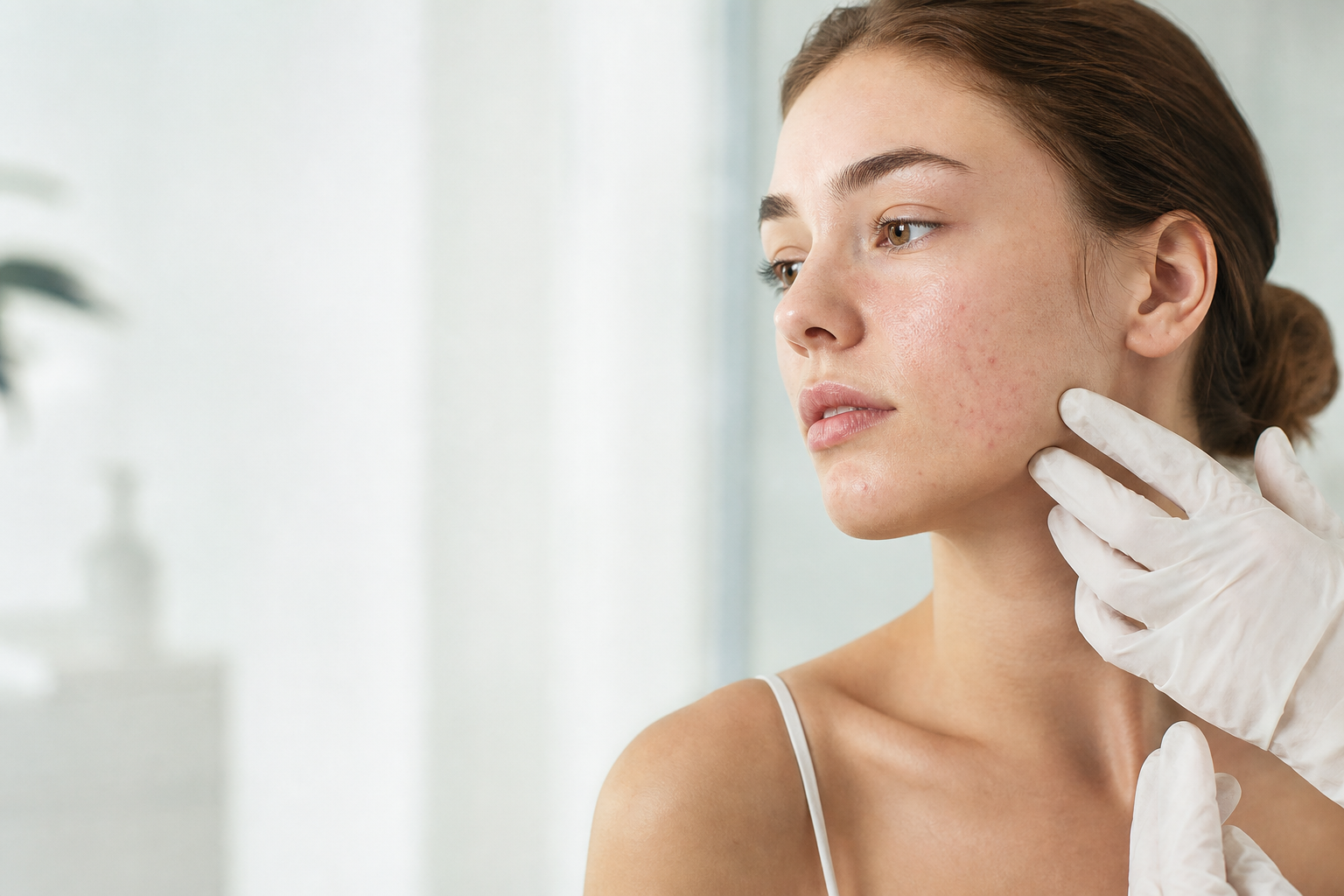
Acne is not simply a temporary cosmetic concern, nor is it a condition that affects teenagers exclusively. It is a complex skin disorder that can persist for years, fluctuate in severity and leave long-term effects in the form of pigmentation, persistent redness and scarring. Acne can appear on the face, neck, chest, shoulders and back, and its impact often extends beyond the physical appearance of the skin, affecting self-confidence and everyday life.
Successful acne treatment requires an understanding of the type of acne involved, its possible causes and the current condition of the skin barrier. There is no single product or procedure that works for everyone. A treatment that helps mild comedonal acne may not be sufficient for deep, painful inflammatory lesions. At the same time, an aggressive routine that temporarily dries out the skin may ultimately increase irritation and make treatment more difficult.
The purpose of an effective treatment plan is not merely to remove existing blemishes. It should also prevent new lesions, preserve the skin barrier, reduce the risk of scarring and establish a routine that can be followed consistently for long enough to produce meaningful results.
How Does Acne Develop and What Types of Lesions Exist?
Acne develops within the pilosebaceous unit, which consists of a hair follicle and its associated sebaceous gland. Its development usually involves several connected processes: increased sebum production, irregular shedding of cells within the follicle, blockage of the follicular opening, microbial activity and inflammation.
Increased sebum production alone does not necessarily cause acne. The problem begins when sebum and dead skin cells accumulate inside the follicle and form a blockage. This creates a microcomedone, the initial lesion from which visible acne may later develop.
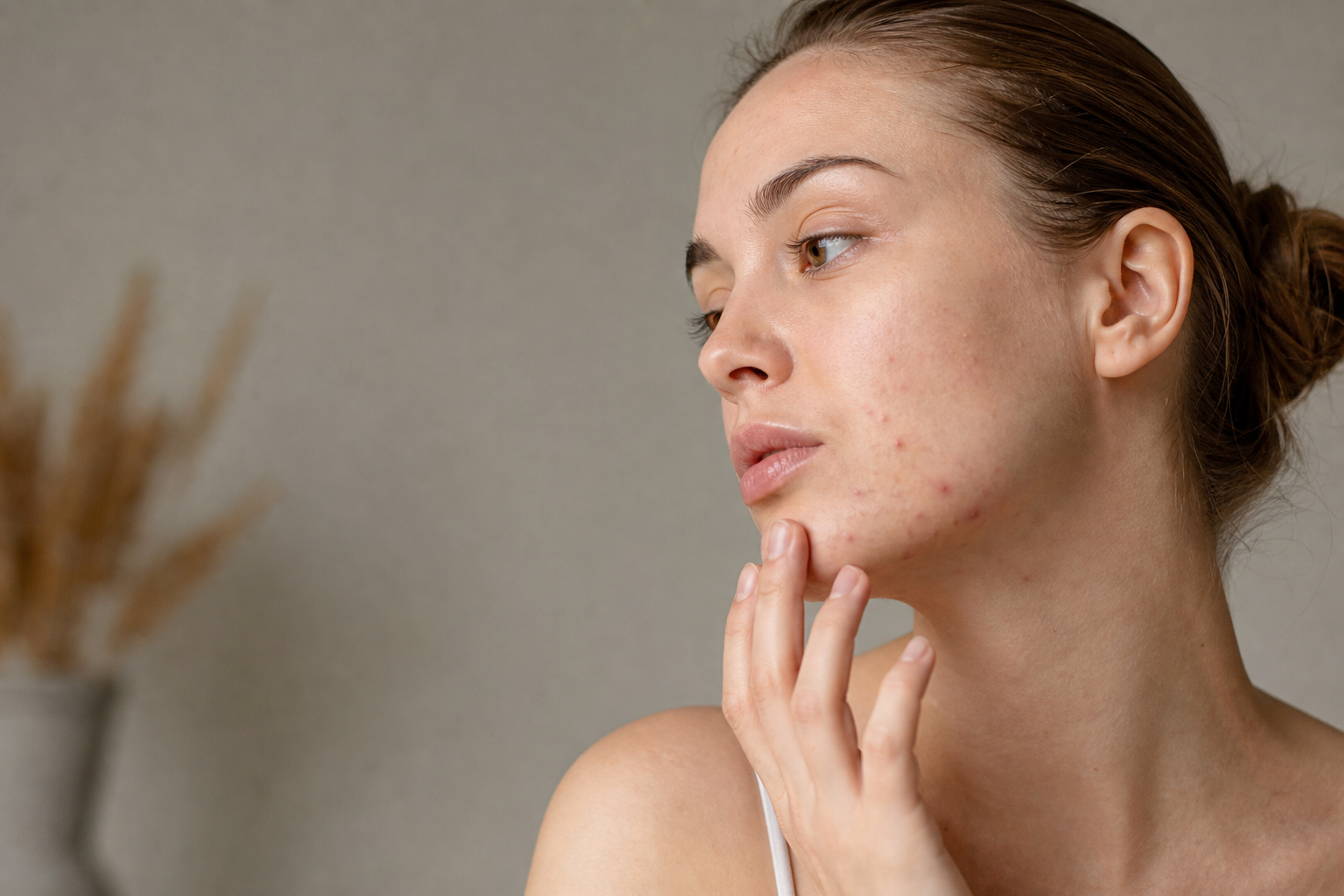
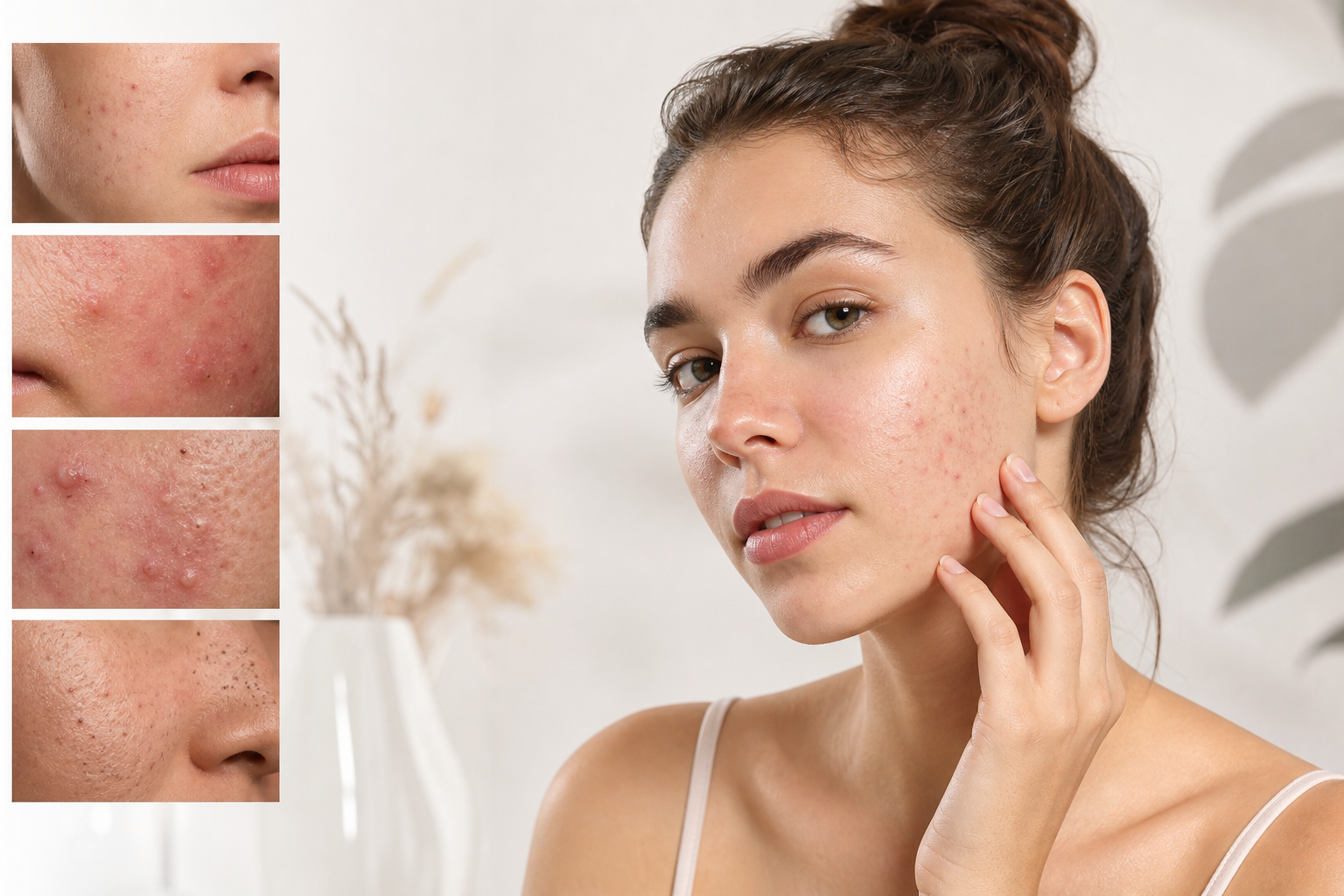
Open comedones, commonly known as blackheads, have a dark surface due to oxidation when the contents of the follicle come into contact with air. Their colour does not mean that the pore is filled with dirt.
Closed comedones appear as small skin-coloured or whitish bumps. The follicular opening is not clearly visible and the material remains trapped beneath the surface.
Papules are red, raised and inflamed lesions without a visible pus-filled tip. Pustules contain white or yellowish material surrounded by redness.
Nodules and cysts develop deeper within the skin. They can be painful, persist for a long time and carry a greater risk of scarring. These lesions should not be squeezed or treated solely through cosmetic extraction.
Some people predominantly experience comedones, while others develop a combination of blackheads, inflammatory lesions and deep acne. An accurate assessment is therefore more useful than simply describing the skin as “problematic”.
Acne can be influenced by hormones, genetics, stress, certain medications, heavy or occlusive cosmetics, friction, sweating and inappropriate skincare. Diet may affect the severity of acne in some individuals, but the condition cannot be reduced to a single food or cured merely by eliminating an entire food group.
Acne is not caused by poor hygiene. Excessive washing and aggressive oil removal do not address its underlying mechanisms, but they may damage the skin barrier and increase redness, stinging and dehydration.
Home Care for Acne-Prone Skin
A well-structured home routine is the foundation of acne management, even when professional treatments or prescription therapies are included. The routine should be simple enough to follow every day and gentle enough not to create additional inflammation.
Cleansing should remove excess sebum, makeup, sunscreen and impurities without leaving the skin feeling intensely tight. Cleansing in the morning and evening is sufficient for most people. Harsh soaps, rough sponges, cleansing brushes and frequent scrubbing can further compromise the skin barrier.
When makeup or water-resistant sunscreen is worn, careful removal may be required before evening cleansing. The goal is not to strip the skin of every trace of oil, but to leave it clean and prepared for the next step.
Salicylic acid can be helpful for clogged pores, blackheads and oilier skin because it can work within a sebum-rich environment. It does not necessarily need to be used every day, especially when retinoids or other active ingredients are already part of the routine.
Benzoyl peroxide is commonly used for inflammatory acne. It can reduce the number of microorganisms involved in inflammation, although it may also cause dryness and irritation. It can bleach towels, pillowcases and clothing.
Retinoids affect the process through which comedones form and can help prevent new lesions. They should be introduced gradually because they may initially cause redness, flaking and tightness. Applying a larger amount will not accelerate the result, but it can increase irritation.
Azelaic acid may be useful for inflammatory lesions, clogged pores, persistent red marks and post-inflammatory pigmentation. It is often considered when stronger acids or other active ingredients are not well tolerated.
Niacinamide can support the skin barrier, reduce the sensation of irritation and help manage excess shine. Very high concentrations are not essential and may cause discomfort in sensitive skin.
Moisturiser is not the enemy of acne-prone skin. A suitable lightweight, non-comedogenic formula can improve tolerance to treatment and reduce the likelihood that active products will need to be discontinued because of excessive dryness.
Daily sun protection is important because inflammation and unprotected UV exposure may cause post-acne marks to remain visible for longer. Sunscreen should be selected according to the skin type and applied in an adequate amount.
One of the most common mistakes is introducing several strong active ingredients at once. If the skin reacts, it becomes difficult to determine which product caused the problem. A better approach is to introduce one new product, observe the skin’s response and adjust the routine gradually.
Professional Treatments for Acne and Congested Pores
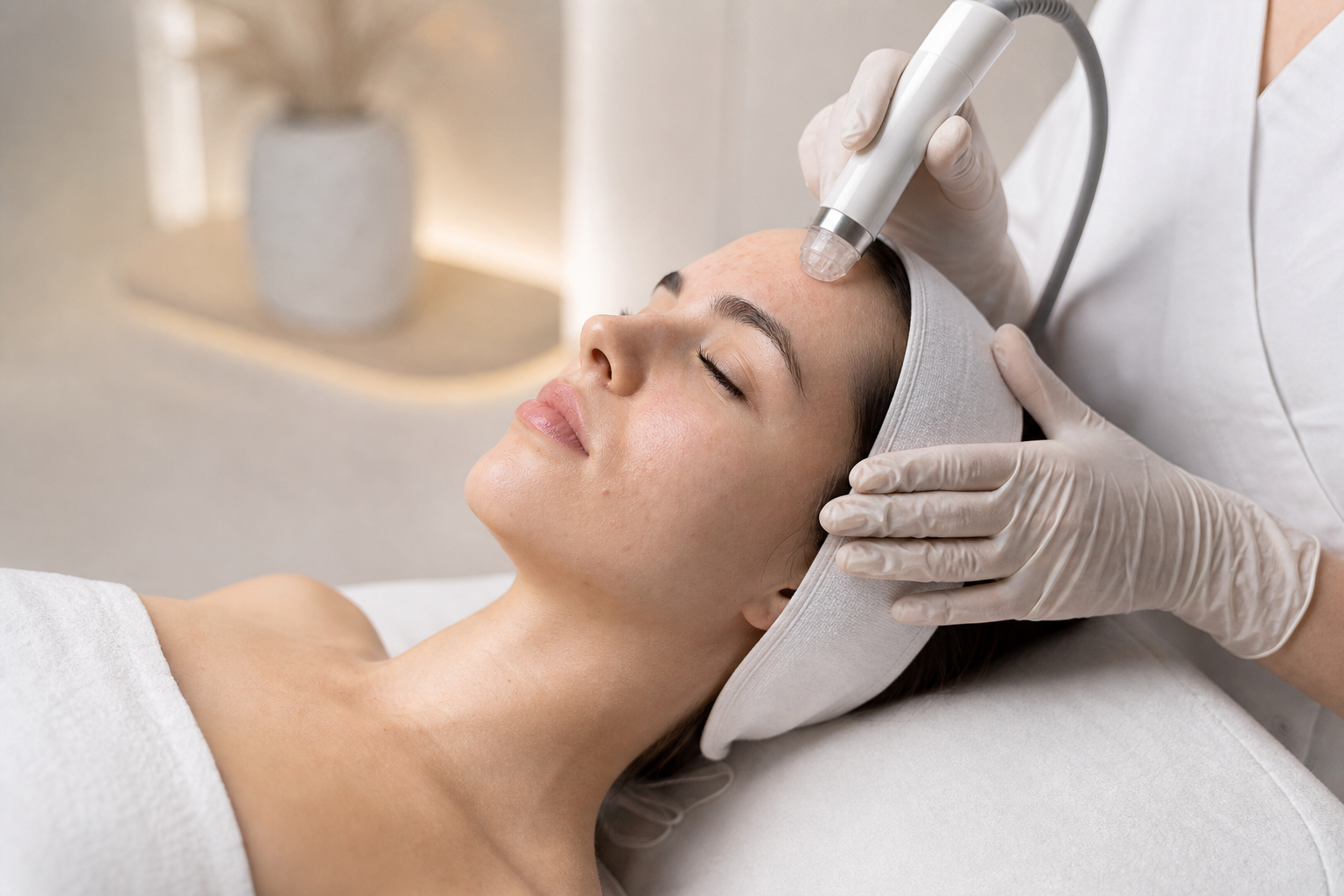
Professional treatments can complement home care, but they must be selected according to the type of acne and the condition of the skin. A cosmetic treatment is not a replacement for dermatological care in cases of severe, deep or widespread acne.
Professional facial cleansing and extraction may be helpful for open and closed comedones. Extraction should be careful, controlled and limited to lesions that can be removed safely. Aggressive pressure on inflamed lesions increases the risk of tissue damage, prolonged inflammation and scarring.
The face does not need to be covered in wounds and intense redness for a cleansing treatment to be considered successful. Quality is not measured by the amount of material extracted, but by correct assessment and minimal trauma to the skin.
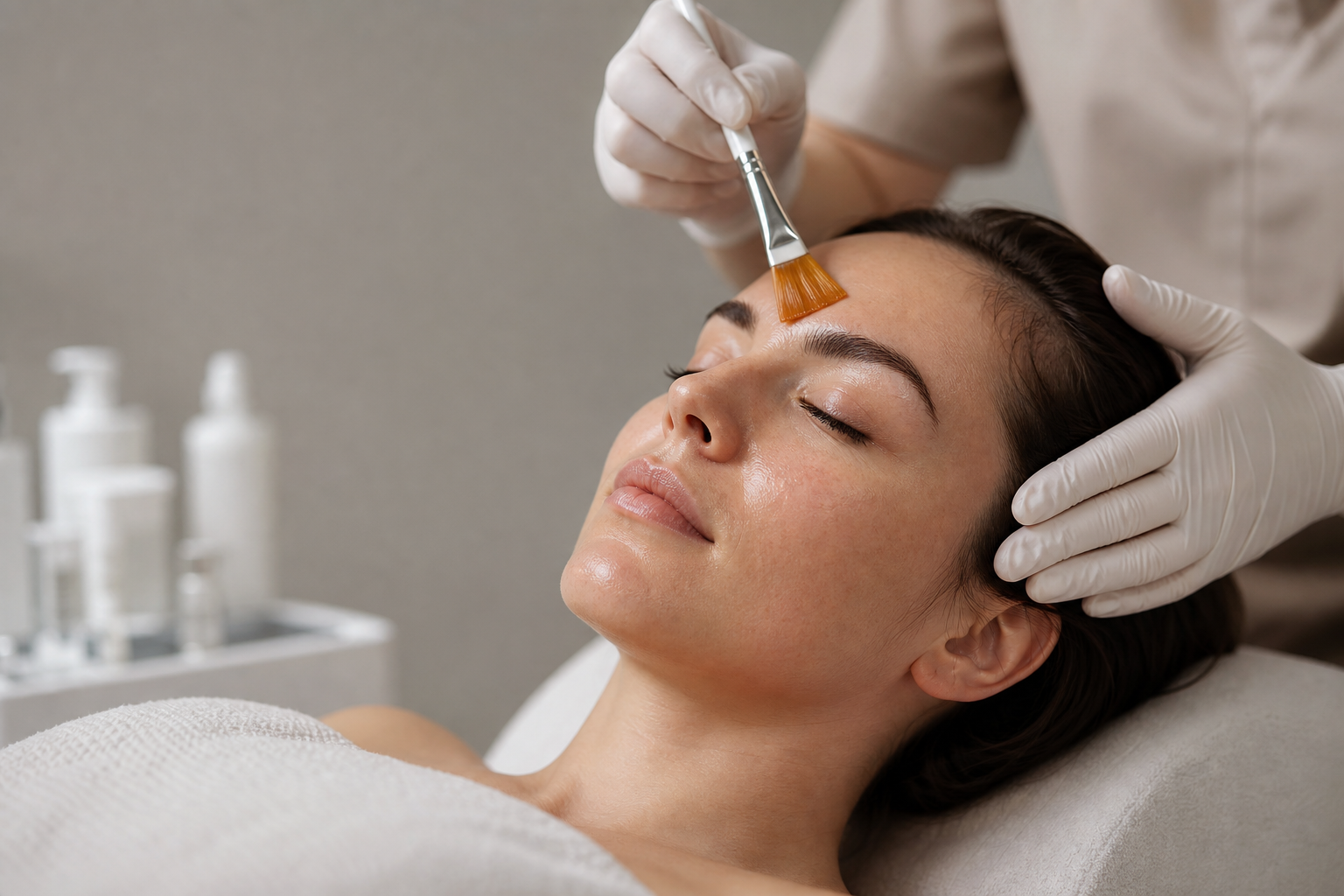
Superficial chemical peels may help with comedones, excess oil, mild pigmentation and uneven texture. Salicylic, glycolic, lactic, mandelic and other acids have different properties, so the choice should not be based on popularity alone.
The intensity of a peel depends on the type of acid, concentration, pH, number of layers, contact time and skin preparation. The same percentage does not indicate the same strength across different formulations.
Strong exfoliation may worsen actively inflamed, highly sensitive or barrier-damaged skin. Before a peel, the practitioner should assess the home routine, retinoid use, pigmentation risk and the skin’s ability to recover.
LED treatments may be used as a supportive method for reducing inflammation. Results are usually gradual and depend on the device, wavelength, intensity and frequency of use. LED therapy cannot replace appropriate treatment for severe acne.
Hydrating and soothing treatments can be valuable when the skin has been dried or irritated by active products. Their purpose is not to treat acne directly, but to restore comfort and improve the skin’s tolerance so that the primary treatment can continue.
Problem skin does not always require a more intensive procedure. In some cases, the most beneficial step is to pause aggressive treatments and allow the skin barrier to stabilise.
When Is Dermatological Treatment Necessary?
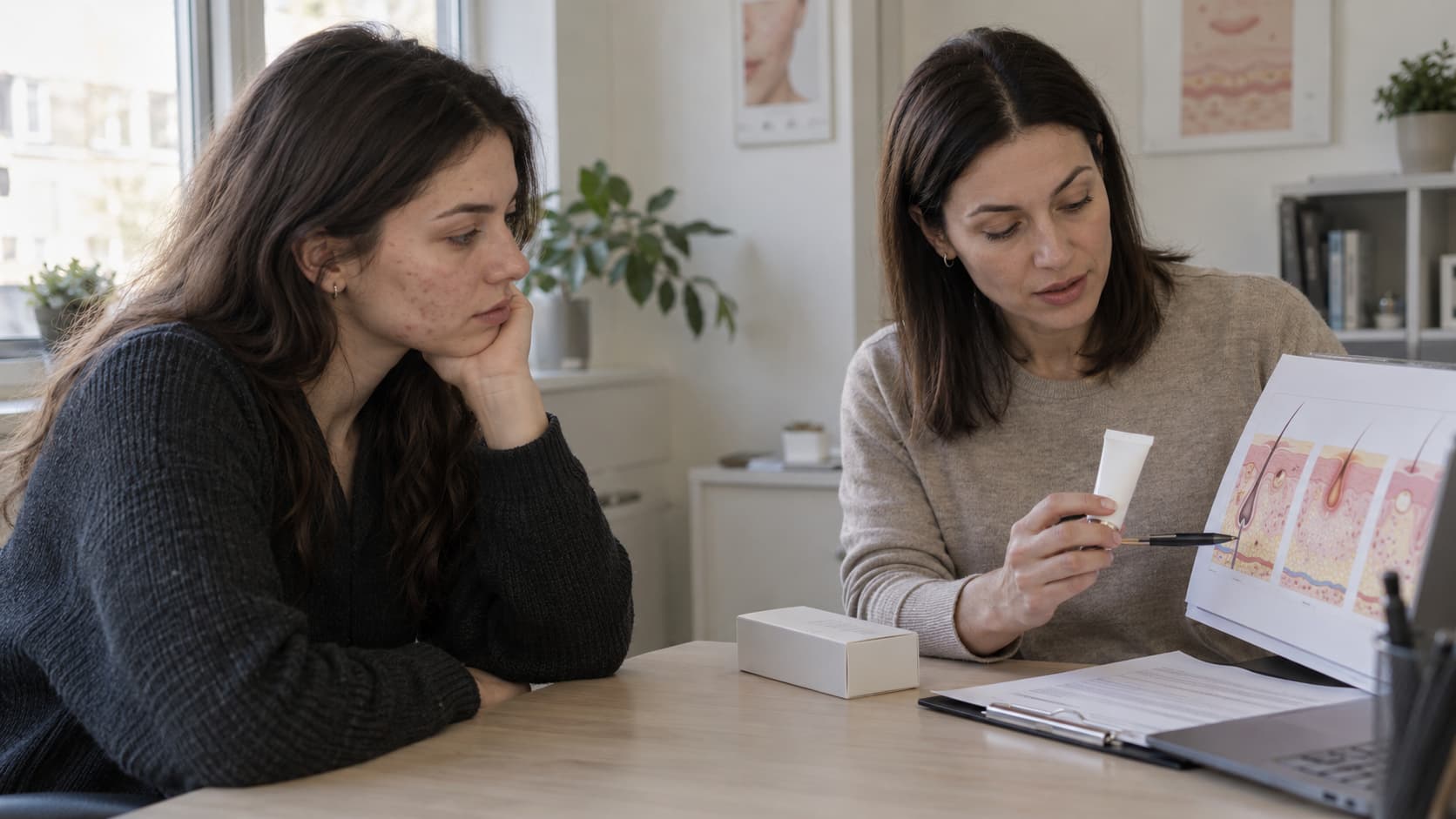
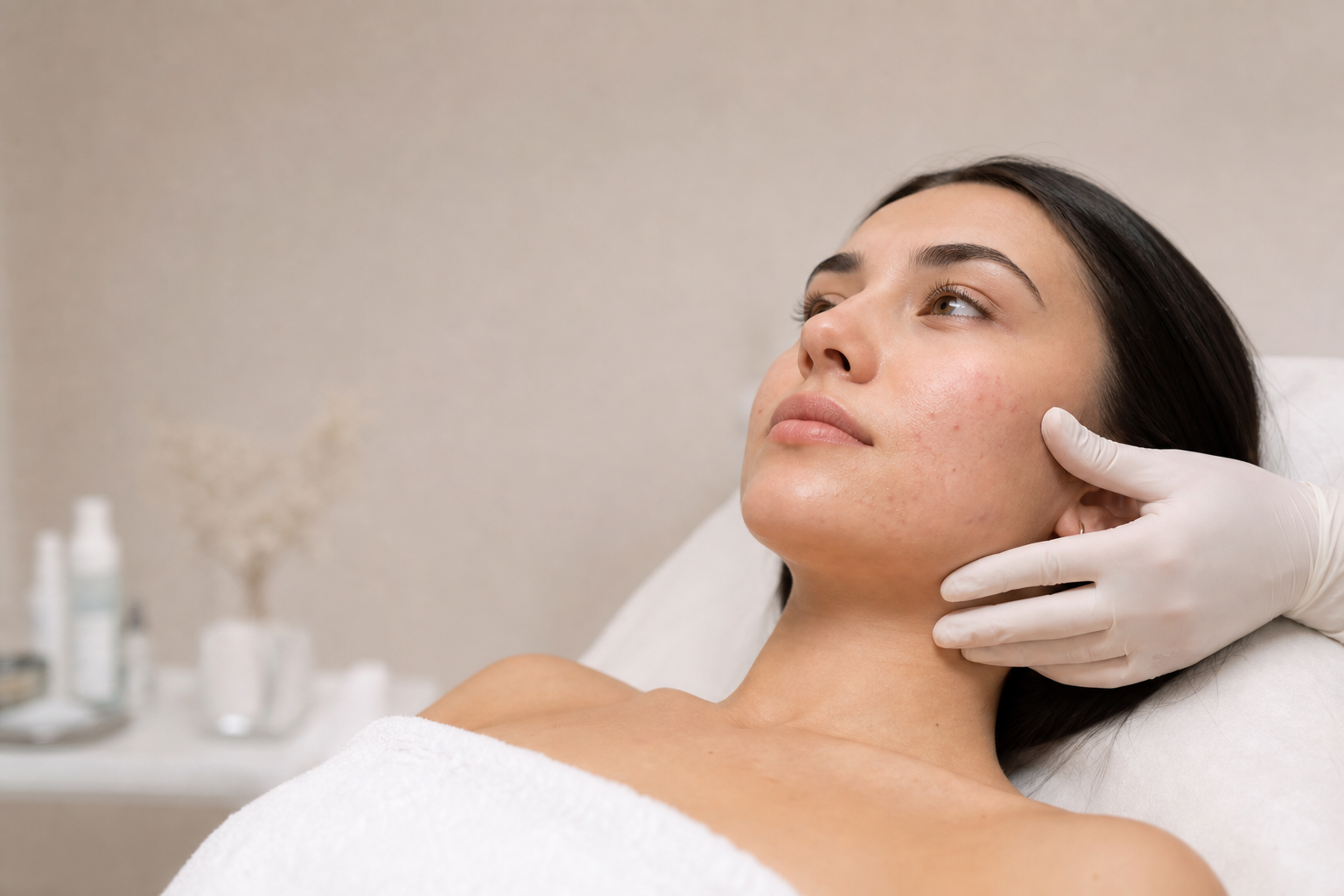
A dermatological assessment is recommended when acne is painful, deep, widespread, causing scars or failing to respond to a properly followed home routine. Medical advice is also important when acne suddenly appears in adulthood, is accompanied by other symptoms or has a significant effect on emotional wellbeing.
Treatment may include topical retinoids, benzoyl peroxide, azelaic acid, antibiotics and other medications. The choice depends on the type and severity of acne, previous treatment attempts, general health and possible contraindications.
Topical or oral antibiotics should not be used without supervision or continued for longer than necessary. Inappropriate use increases the risk of bacterial resistance and may reduce the future effectiveness of treatment.
In some women, acne may be associated with hormonal changes. Lesions that repeatedly appear along the jawline and chin are not sufficient on their own to prove that the cause is exclusively hormonal. If acne is accompanied by irregular menstrual cycles, increased facial or body hair, hair loss or other symptoms, further medical assessment may be appropriate.
Isotretinoin may be prescribed for severe acne, acne that carries a high risk of scarring or lesions that have not responded to other treatments. It can be highly effective but requires medical supervision, monitoring for potential adverse effects and strict compliance with instructions, particularly because of the serious risk it poses during pregnancy.
Stopping treatment as soon as the skin begins to improve may result in recurrence. The duration of treatment and any maintenance plan should be determined with a dermatologist.
Post-Acne Marks and Scars
Not every mark left after acne is a true scar. Red, pink, brown or greyish areas often represent post-inflammatory colour changes, while a scar involves an alteration in the structure of the skin.
Post-inflammatory erythema is more noticeable in lighter skin tones and may remain visible for months. Post-inflammatory hyperpigmentation develops because of increased pigment production after inflammation and is more common in medium to darker skin tones.
These changes often fade gradually, but the process can be slow. Sun protection, control of active acne and carefully selected active ingredients can help create a more even complexion.
True acne scars may be depressed, raised or thickened. Depressed scars vary in shape and depth, which is why they cannot all be treated in the same way.
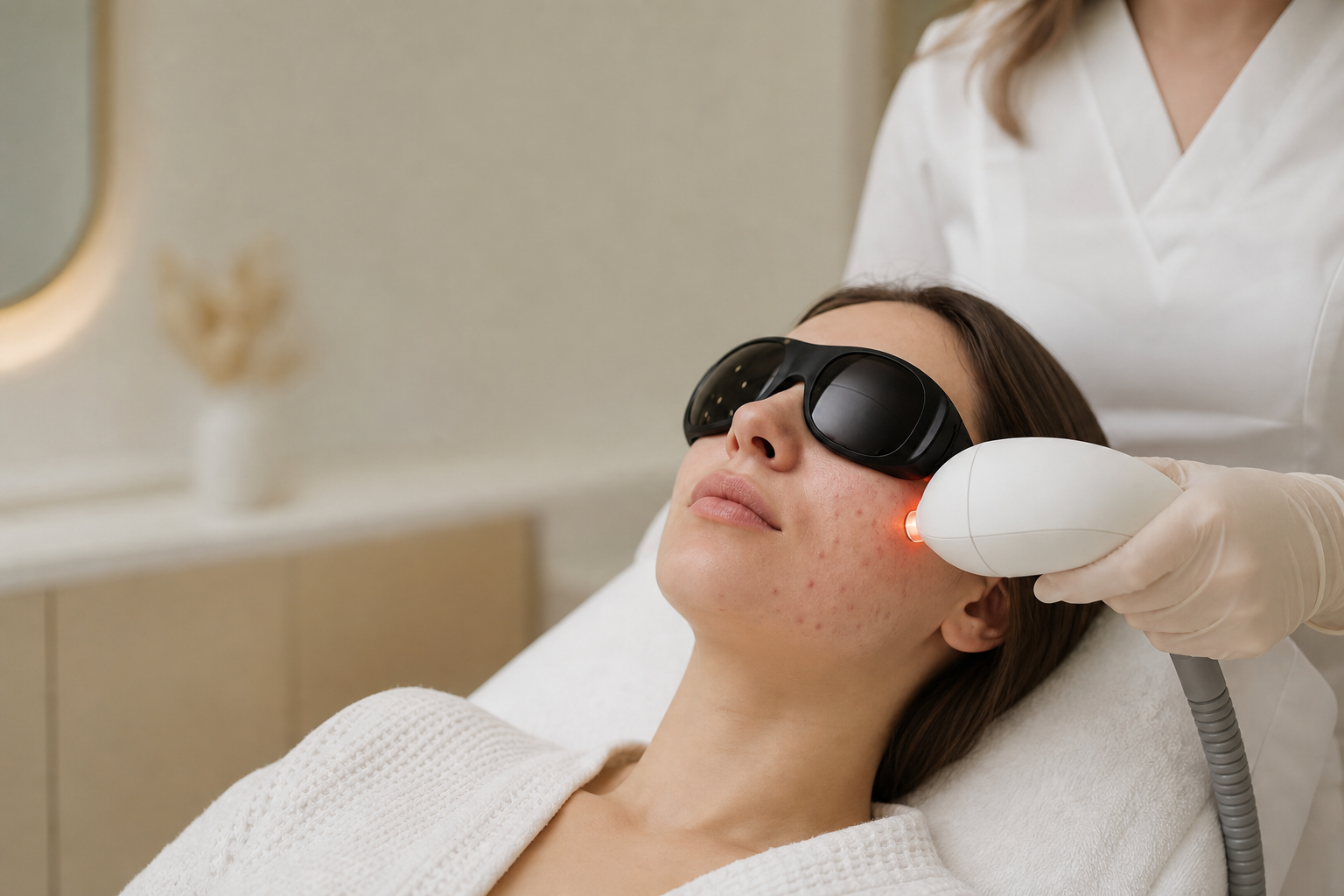
Microneedling may help certain shallow and moderately deep scars, while firmly tethered depressions may require a procedure that releases the fibrous attachments beneath them. Laser treatments can improve texture and stimulate remodelling, while certain scar types may require a combination of methods.
Chemical peels may help superficial pigmentation and mild textural irregularities, but deep scars cannot be removed through gentle exfoliation.
Scar treatments are best started when active acne is largely under control. Otherwise, new inflammation and new scars may continue to develop during the treatment process.
The realistic goal is usually improvement rather than the complete removal of every scar. The number of procedures, recovery period and expected result depend on the scar type, skin phototype and selected method.
The Most Common Mistakes in Treating Problem Skin
Squeezing acne at home is one of the most common mistakes. Pressure can force the contents deeper into the skin, increase inflammation and damage the surrounding tissue. Deep and painful lesions are particularly risky to squeeze.
Another mistake is attempting to dry out the skin with alcohol, aggressive soaps and numerous treatment products. A temporary reduction in shine may create the impression of improvement while dehydration and sensitivity continue to increase.
Daily use of multiple acids can also become a problem. Acne-prone skin is not necessarily resilient skin. It is often both inflamed and sensitive, and excessive exfoliation may worsen redness and reduce tolerance to treatment.
Changing products too frequently makes it difficult to assess results. Most active ingredients need time to work. Some dryness and irritation may occur during the first weeks, but every worsening should not automatically be described as “skin purging”.
The term “purging” is often used to justify any negative reaction. Severe itching, swelling, a rash, intense stinging or lesions appearing in areas that were previously clear may indicate irritation or an allergic reaction rather than a normal adjustment period.
Natural ingredients are not automatically safer. Lemon juice, baking soda, toothpaste, alcohol, undiluted essential oils and similar home remedies may irritate the skin and create a more serious problem than the original blemish.
Assessing a procedure solely through social media photographs is another common mistake. Results may appear different because of lighting, makeup, camera angle, facial expression or digital editing.
How to Create a Realistic Acne Treatment Plan
An effective plan begins with identifying the primary concern. It is important to determine whether the skin is mainly affected by blackheads, closed comedones, superficial inflammatory lesions, deep acne, pigmentation or scarring.
The next step is to establish a simple basic routine consisting of gentle cleansing, appropriate moisturisation and daily sun protection. Only after this foundation is stable should an active ingredient targeting the main concern be introduced.
New products should be added gradually. If salicylic acid, a retinoid, benzoyl peroxide and a strong peel are introduced at the same time, it will be difficult to establish what is helping and what is causing irritation.
Professional treatments should be selected as a complement to consistent home care rather than a substitute for it. Correct extraction and superficial peels may help mild comedonal acne. Active inflammation should be reduced before intensive corrective treatments are considered. Dermatological treatment should take priority when deep lesions and a risk of scarring are present.
Progress should not be judged solely by how the skin looks on one particular day. Useful indicators include:
the number of new inflammatory lesions;
the frequency of deep and painful breakouts;
how quickly individual lesions heal;
the development of new scars;
the intensity of redness and pigmentation;
tolerance to the home-care routine;
the condition of the skin barrier.
Visible improvement usually requires several weeks, while achieving a more stable result may take months. Fast and aggressive solutions tend to create a greater risk of irritation and treatment discontinuation.
The plan may need to be adjusted over time. Skin can respond differently during winter and summer, periods of stress, hormonal changes or after the introduction of medication.
When Should Professional Help Be Sought?
Professional assessment should not be delayed when acne is deep, painful, rapidly worsening or causing scars. It is also important when large areas of the face, chest or back are affected by inflammatory lesions.
A dermatologist should be consulted when acne persists despite a consistent and appropriate routine, when signs of infection appear or when there is reason to suspect that acne is not the only condition affecting the skin.
Redness, stinging and small inflamed lesions can sometimes resemble acne while actually being related to rosacea, perioral dermatitis, folliculitis, irritation or an allergic reaction. Treating these conditions incorrectly with strong acids and aggressive acne products may make them worse.
Acne can have a serious effect on self-confidence, mood and social life. Its psychological impact is no less important than the number of visible lesions and is a valid reason to seek professional support earlier.