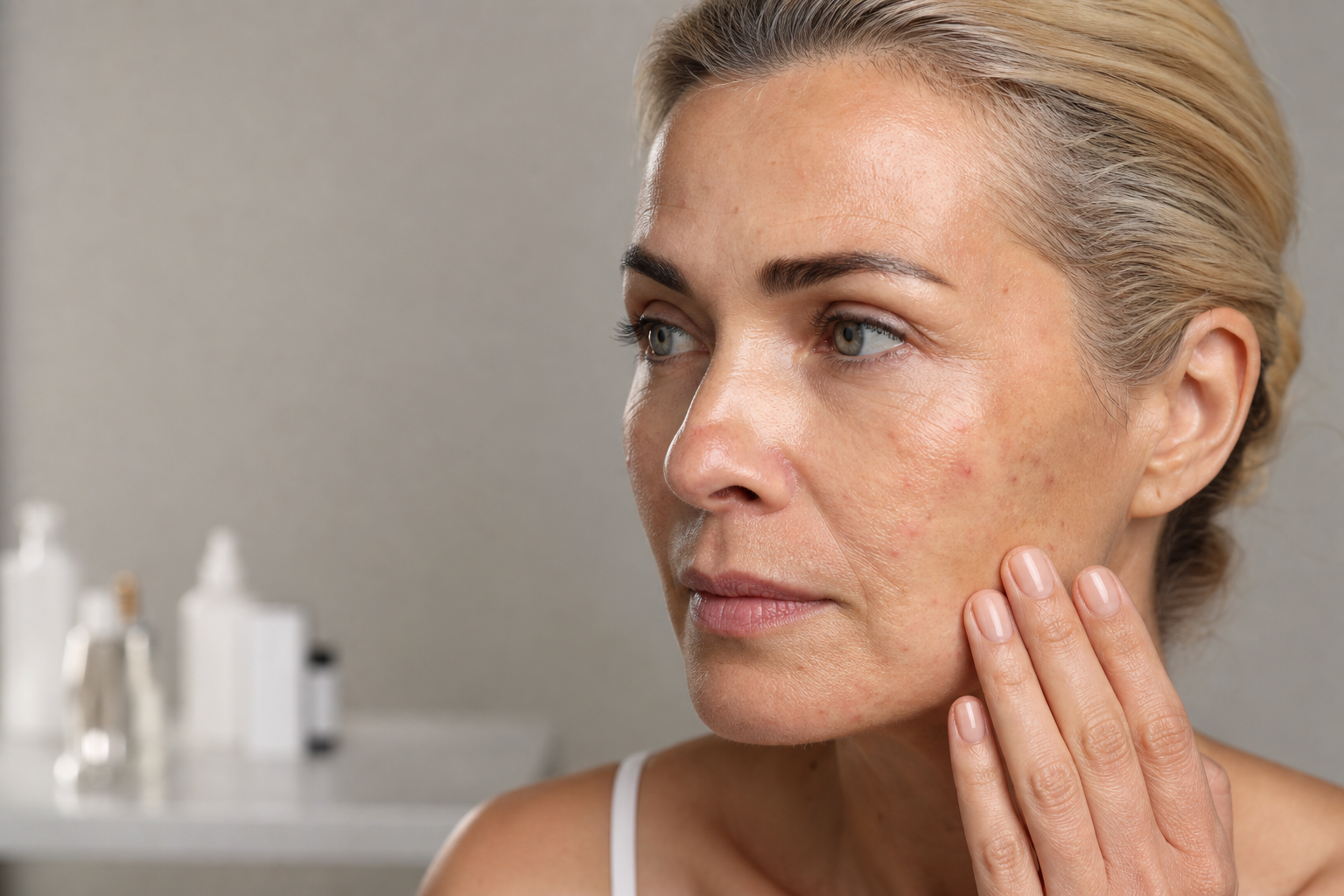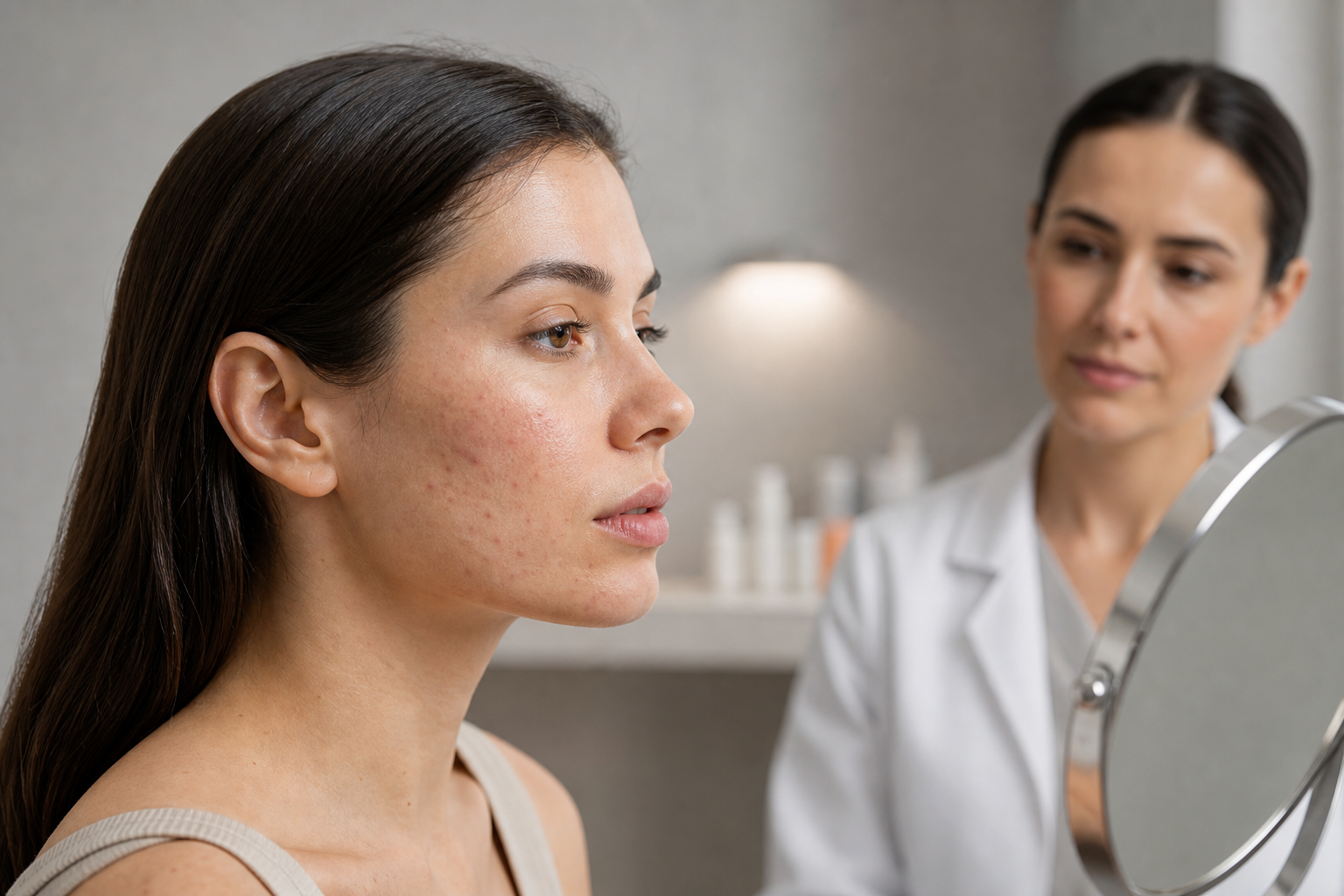
Acne is one of the most common dermatological conditions, impacting a vast array of individuals across different ages and backgrounds. This concern extends beyond mere cosmetic inconveniences, influencing emotional well-being, social interactions, and overall quality of life. Understanding the nuances of acne, including its various types, characteristics, and underlying causes, is essential for anyone seeking effective, safe, and informed approaches to skin care and treatment.
This article is tailored for readers encountering acne directly or interested in grasping this complex skin condition from a medical and aesthetic perspective. It elucidates the distinctions between the types of acne, the differing levels of severity, and the diversified approaches ranging from cosmetic enhancement to dermatological intervention. Equally significant is recognizing when professional medical assessment is required over self-care, ensuring proper treatment choices and realistic expectations.
Given the medically sensitive nature of acne management, this guide emphasizes a clear separation of cosmetic care, salon procedures, and dermatological treatments. It does not offer diagnosis or specific prescriptions but instead provides a reasoned, clinically grounded framework for understanding acne’s manifestations and directing patients and practitioners toward appropriate management paths.
What Are the Different Types of Acne and Why Does Classification Matter?
Acne is classified as a chronic inflammatory skin disorder primarily affecting areas rich in sebaceous (oil) glands: the face, back, chest, and shoulders. It roots in the obstruction and inflammation of hair follicles and associated sebaceous glands, triggered by a constellation of factors including sebum overproduction, follicular hyperkeratinization, bacterial proliferation, and inflammation.
The term "acne" encompasses a range of lesions with varying severity and pathophysiology, which translates directly into distinct treatment needs and prognoses. Precise identification of the acne type helps in selecting an effective treatment regimen and aids in predicting possible outcomes and risks such as scarring or pigmentary changes.
Failure to distinguish between different acne forms may lead to inappropriate care: for example, treating inflamed cystic acne with superficial cleansers alone may not only be ineffective but potentially exacerbate the inflammation, leading to worsening lesions and scarring. Additionally, certain acne patterns can reflect systemic hormonal imbalances or other internal conditions requiring specialized medical evaluation.
How to Recognize and Differentiate Between Acne Lesions?
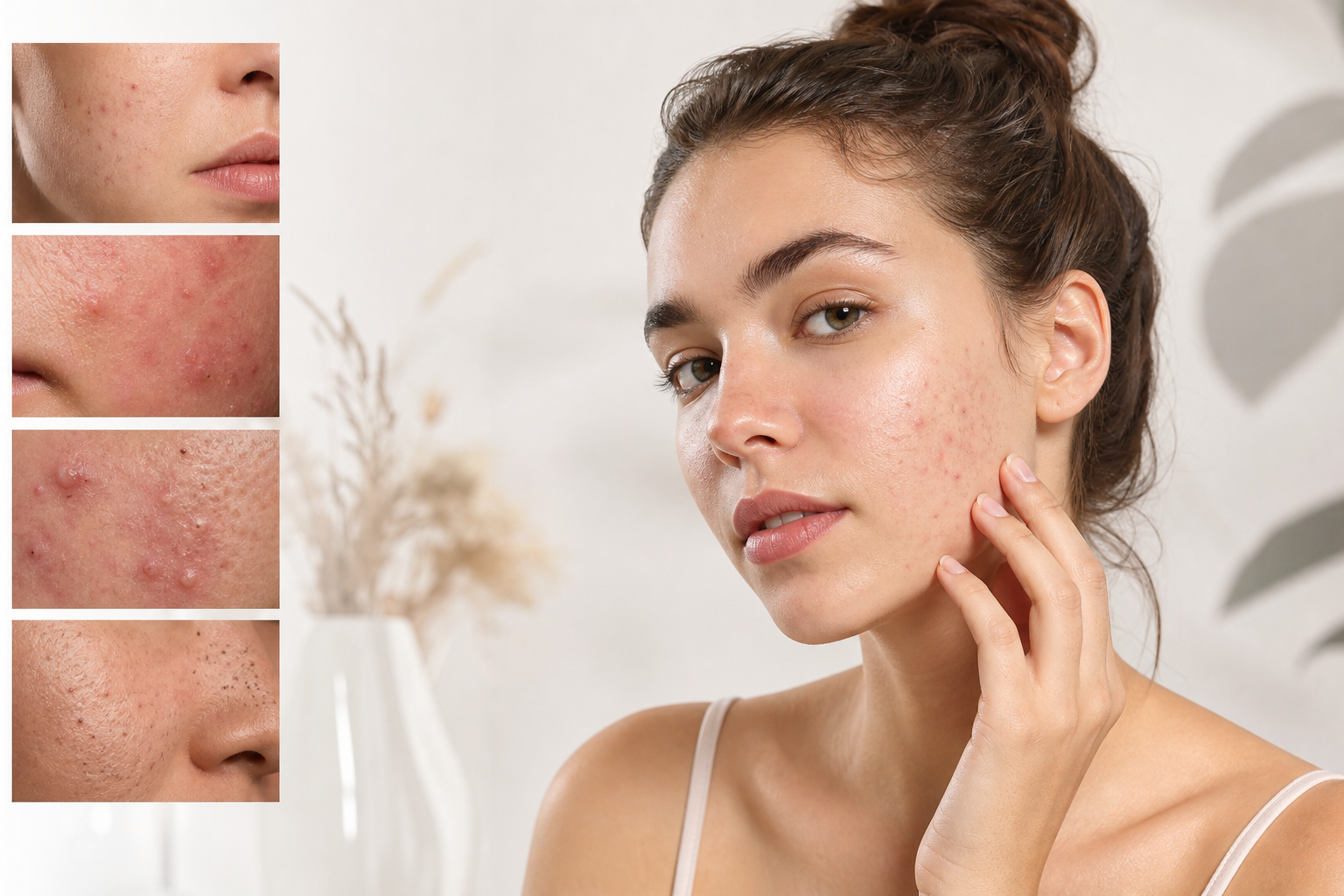
The clinical spectrum of acne includes the following main types:
Comedonal Acne: This mildest form is characterized by non-inflammatory lesions such as blackheads (open comedones) and whiteheads (closed comedones). These develop due to follicular plugging and excess sebum but lack significant inflammation. The skin often appears oily but without redness or tenderness. Standard cosmetic skincare, including gentle cleansing and topical keratolytics, may be suitable.
Inflammatory Acne: When comedones become inflamed due to bacterial colonization—especially by Cutibacterium acnes—red, swollen, tender papules and pustules emerge. These lesions can be uncomfortable and visually prominent, often necessitating stronger topical or systemic interventions depending on severity.
Nodulocystic Acne: This severe subtype involves deep, painful nodules and cysts that can persist for weeks, often causing scarring. It demands urgent dermatologic assessment and often requires systemic therapies, such as oral antibiotics, hormonal treatments, or isotretinoin under strict medical supervision.
Hormonal Acne: Frequently affecting adult women, especially around the chin, jawline, and lower face, hormonal acne correlates with fluctuations or imbalances in androgens and often persists beyond adolescence. Diagnosis may involve endocrinological testing, and treatment usually combines dermatological and sometimes hormonal therapies.
Recognizing the lesion type relies on observing the morphology, inflammation degree, distribution, and associated skin changes like hyperpigmentation or scarring. Dermatologists integrate these clinical signs with patient history to classify acne accurately, guiding safe and evidence-based treatment selection.
When Is Cosmetic Care Appropriate and What Does It Entail?
For individuals experiencing mild, primarily comedonal acne, tailored cosmetic care can be an effective first-line approach. Such regimes focus on maintaining skin hygiene, regulating sebum production, and promoting gentle exfoliation without exacerbating inflammation.
Key skincare components include cleansers with salicylic acid, topical retinoids (in safe concentrations), benzoyl peroxide, niacinamide, and non-comedogenic moisturizers. These ingredients contribute to unclogging pores, reducing bacterial load, and soothing irritated skin.
Importantly, cosmetic products should avoid harsh irritants or overly aggressive exfoliants that could damage the protective barrier, worsening acne and sensitivity. Consistency and gentleness underscore successful cosmetic management.
What Role Do Salon Procedures Play and When Should They Be Cautious?
Salon-based treatments offer a valuable complement to home skincare, often bridging the gap between daily cosmetic maintenance and formal medical intervention. These procedures include professional facial cleansing, mild chemical peels using alpha-hydroxy acids or fruit enzymes, phototherapy, and minimally invasive microneedling.
Such interventions can enhance skin texture, reduce comedones, and diminish superficial pigmentary changes. However, they must be performed with expert assessment, especially avoiding aggressive procedures on inflamed, cystic, or nodulocystic acne to prevent aggravation or scarring.
Clients with active severe or inflammatory lesions should always seek dermatological advice before engaging in salon treatments. Proper communication between cosmetologists and dermatologists can ensure tailored and safe care.
When Should Dermatological Treatment Come Into Play and What Does It Involve?
Dermatological intervention is vital for moderate to severe acne, recalcitrant cases, or when lesions threaten scarring and pigment alterations. Indications include nodulocystic acne, extensive pustules and papules, hormonal acne unresponsive to cosmetic care, and presence of scarring or infection.
Dermatologists may deploy a spectrum of therapies, such as:
Topical Agents: Prescription-strength retinoids, antibiotics, azelaic acid, and combination products.
Oral Medications: Antibiotics to control bacterial proliferation and inflammation, hormonal treatments like oral contraceptives or antiandrogens for hormonally driven acne, and isotretinoin for severe, scarring acne.
Procedural Treatments: Laser and light therapies targeting inflammation reduction, sebum regulation, and post-inflammatory marks.
Due to potential side effects and contraindications—such as teratogenicity with isotretinoin, antibiotic resistance, and hormonal therapy impacts—these interventions require thorough medical evaluation, monitoring, and follow-up.
What Are the Potential Complications and Important Safety Considerations?
All acne treatments carry some risk of side effects. Common issues include skin dryness, irritation, redness, peeling, and photosensitivity. More serious reactions can involve allergic responses or systemic effects with oral medications.
Pregnant or breastfeeding individuals must exercise particular caution, avoiding potentially harmful drugs such as isotretinoin and certain antibiotics. Any indication of worsening symptoms, unexpected pain, swelling, or systemic signs like fever mandates prompt professional consultation.
Adherence to prescribed regimens, avoidance of self-medication, and clear communication with healthcare providers promote safety and optimize outcomes.
How Can Patients and Practitioners Collaborate for Optimal Acne Management?
Patient education is a cornerstone for successful acne care. Understanding the type of acne, treatment goals, realistic expectations, and side effect profiles fosters adherence and informed decisions.
Moreover, collaboration between dermatologists and qualified skincare specialists ensures comprehensive care, integrating medical treatment with supportive cosmetic and procedural modalities. This multidisciplinary approach supports not only lesion clearance but also skin barrier restoration, hydration, and prevention of post-acne sequelae:
Recognizing that acne is not merely a cosmetic inconvenience but a multifactorial inflammatory condition calls for thoughtful, individualized management strategies. Keeping abreast of evolving treatment paradigms, emphasizing safety, and respecting patient preferences culminate in improved skin health and enhanced quality of life.