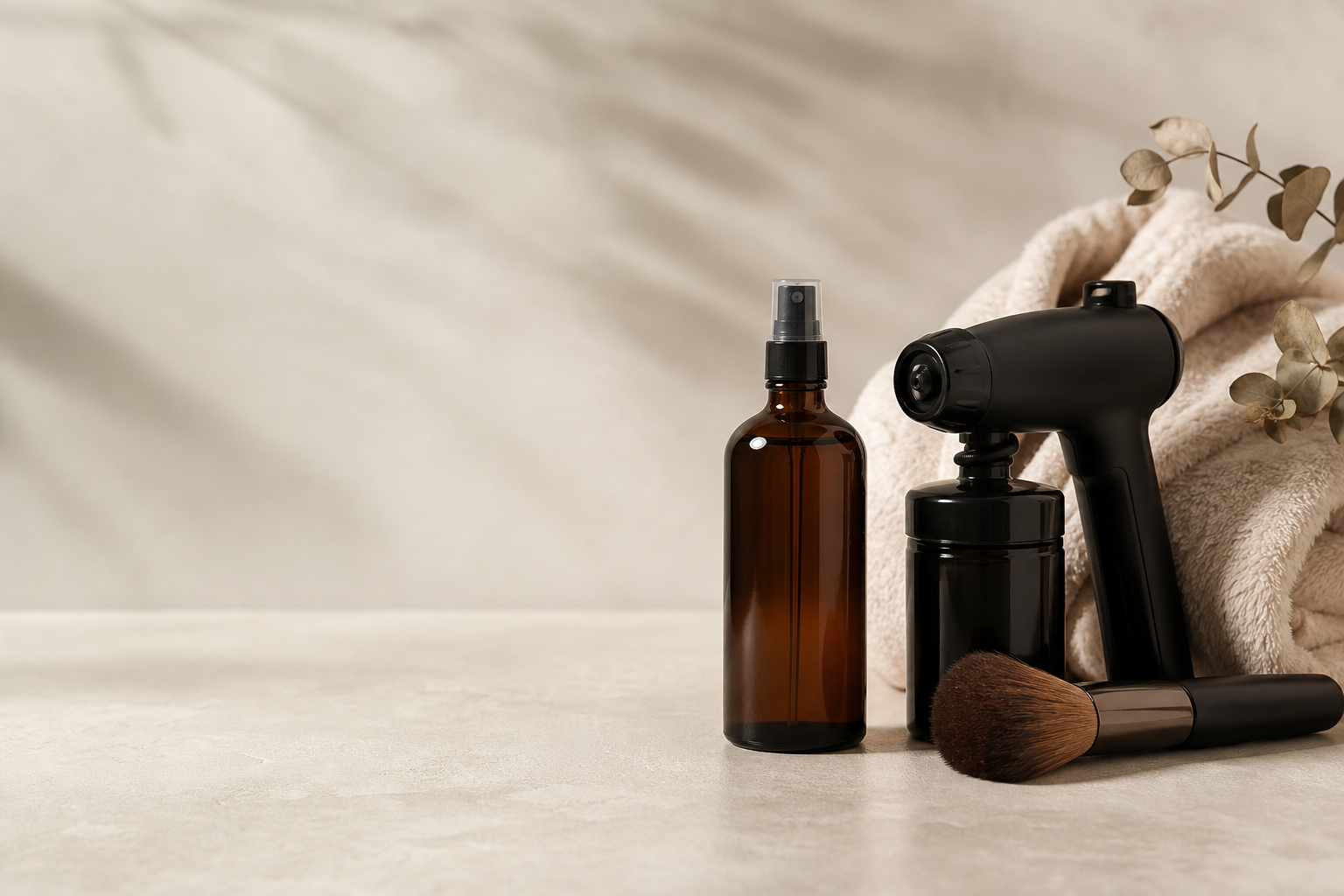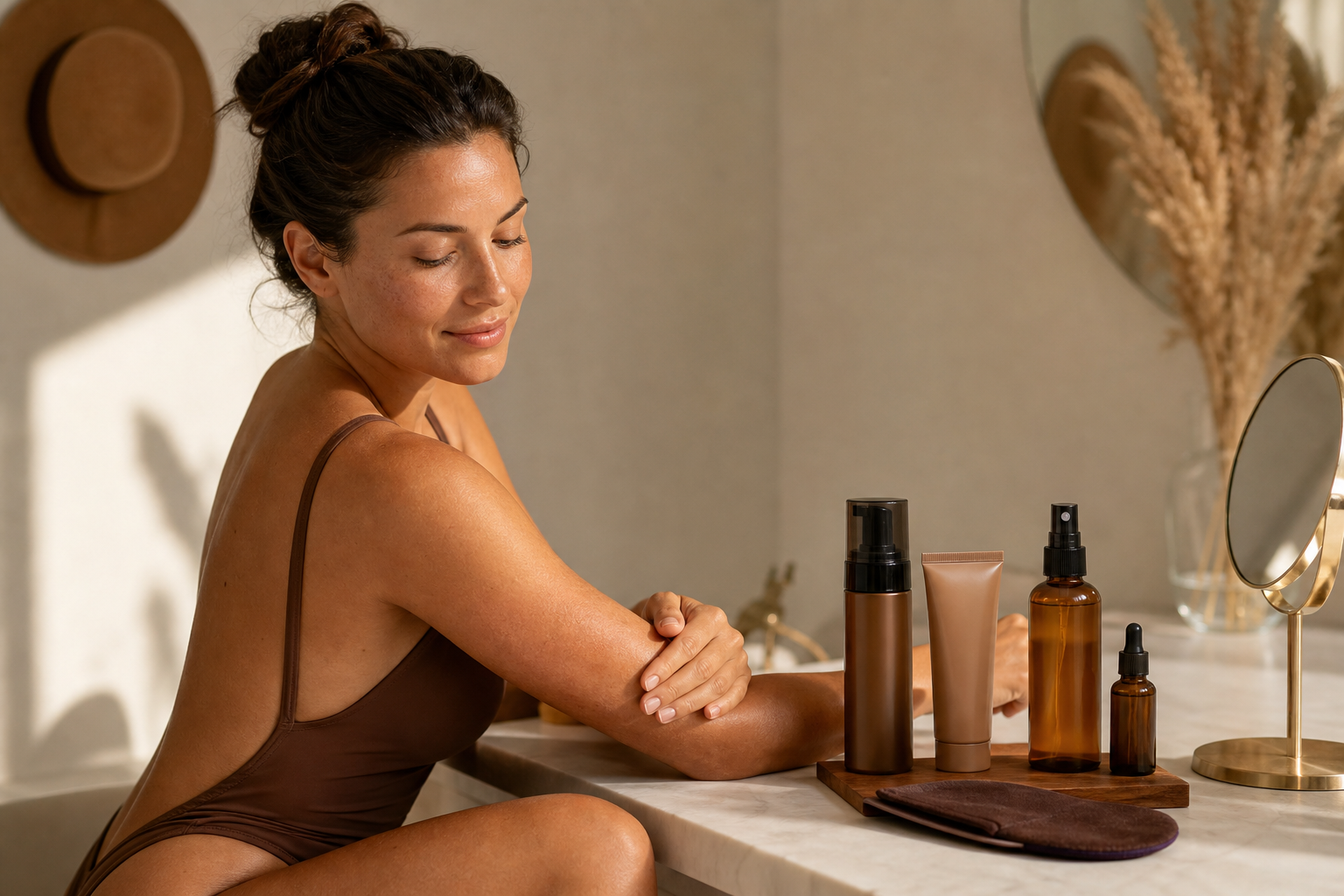
Self-tanning has emerged as a popular alternative for those seeking a sun-kissed glow without the harmful exposure to ultraviolet (UV) radiation. Whether motivated by health concerns, convenience, or aesthetic preferences, many individuals now turn to self-tanning products to achieve a natural-looking tan safely at home. However, the market is abundant with various formulations—foams, lotions, sprays, and drops—each designed with distinct textures, application methods, and results. Understanding the differences between these options is essential for anyone wishing to select a suitable self-tanner that complements their skin type, lifestyle, and desired effect.
This article is intended for both newcomers to self-tanning and experienced users looking to refine their technique or explore new products. We will delve into the characteristics, usage tips, benefits, and limitations of self-tanning foams, lotions, sprays, and drops. Importantly, the discussion includes safety considerations and realistic expectations, emphasizing that none of these products provide UV protection or cure skin conditions. By gaining clarity on what each product can—and cannot—do, users can make informed choices that enhance their experience and results.
Effective self-tanning is more than simply grabbing any bottle labeled "tanner." It involves selecting between different formulations that cater to specific goals, such as rapid application, gradual build-up, precision targeting, or hydration. This comprehensive exploration will enable readers to identify which self-tanning product aligns with their individual needs and answer common questions related to use, preparation, and maintenance of a flawless tan.
What Distinguishes Self-Tanning Foam, Lotion, Spray, and Drops?
Self-tanning products primarily differ by their form factor, which impacts how they are applied, absorbed, and how they develop on the skin. These variations influence user preference and suit different skin types and application scenarios.
Foam delivers a lightweight, airy texture that spreads evenly and absorbs quickly. It is often preferred by those with oily or combination skin or anyone seeking a light touch without the heaviness of cream.
Lotions feature a creamy consistency, offering deep hydration and typically longer drying time. They are favored by people with dry skin or those desiring a more nurturing application process that doubles as skincare.
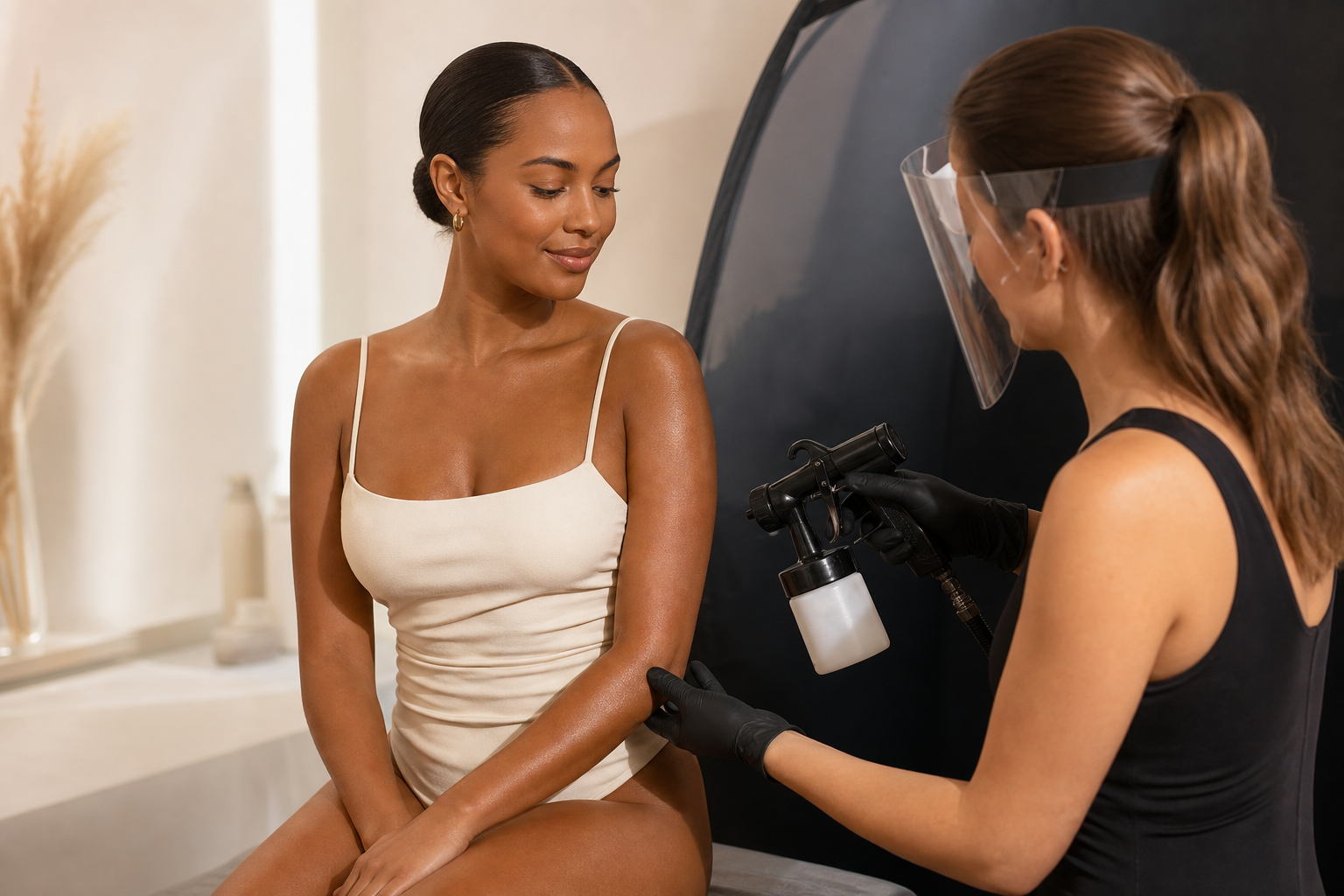
Sprays come in aerosol or pump forms and allow rapid coverage over large areas. These are time-saving solutions ideal for busy individuals, though they demand careful technique to avoid streaks or inhalation of the product.
Drops are concentrated self-tanning agents meant to be mixed with moisturizers or serums for highly controlled, subtle, and gradual tanning, especially on delicate facial skin.
Who Should Consider Using Each Type of Self-Tanning Product?
Choosing the right self-tanning product begins by identifying personal skin characteristics and lifestyle demands.
Foam suits users seeking a quick, lightweight application that dries swiftly, making it ideal for people with oily skin or in humid climates. Its airy texture reduces the chance of a sticky residue, facilitating a natural appearance.
Lotions are excellent for those with dry or sensitive skin who need extra moisture. The thicker base provides hydration benefits, allowing the tan to blend smoothly and gradually into the skin.
Sprays appeal to individuals with tight schedules or those desiring an even, all-over glow quickly. They are also useful for targeting hard-to-reach areas but require application in a well-ventilated space with protective measures to safeguard eyes and breathing pathways.
Drops are best suited for facial use or selective body areas where precision and subtlety are paramount. They enable users to control the intensity by adjusting the number of drops added to their skincare products, making them a versatile choice for layering the tan.
How Does Self-Tanning Foam Work and What Are Its Advantages?
Self-tanning foam utilizes dihydroxyacetone (DHA), the active tanning ingredient that reacts with amino acids in the skin's outermost layer to produce a bronzed hue. The foam’s airy structure facilitates swift and uniform application without heavy buildup.
The primary advantage of foam is its ability to dry rapidly, reducing the waiting time before dressing. Users often find it easier to achieve an even finish, provided the foam is spread promptly and methodically. It typically delivers a luminous, natural-looking tan that develops over several hours.
However, foam formulations may sometimes exacerbate dryness; therefore, it is less suitable for very dry or flaky skin unless paired with prior moisturizing regimens. Overall, foam is particularly beneficial for those prioritizing speed and lightness in their tanning routine.
What Are the Characteristics and Benefits of Self-Tanning Lotions?
Lotions offer a classic and time-tested approach to self-tanning. Their creamy bases often contain moisturizing agents, vitamins, and soothing ingredients, making them ideal for nourishing dry, sensitive, or aging skin alongside tanning.
Slow absorption and longer setting times enable greater control over blending, reducing the likelihood of streaks or blotches when applied carefully. Many users appreciate the luxurious sensory experience associated with lotion applications, which can double as a ritualistic skincare step.
Due to their rich texture, lotions may require more time before dressing and can feel heavier on the skin. Users should meticulously exfoliate before use to optimize results and avoid patchiness caused by dry skin buildup. When proper application techniques are observed, lotions can produce a deep, natural, and lasting tan.
Understanding Spray Self-Tanners: Convenience Meets Caution
Spray self-tanning products present a rapid and widely accessible method for acquiring an even tan. They often come in aerosol or pump formats designed to apply a fine mist over the body.
The convenience of sprays lends itself to last-minute touch-ups and coverage of extensive areas without tactile contact. It is especially helpful for individuals who prefer not to touch the product directly, potentially reducing contamination.
However, sprays require care during use. Application should be performed in a well-ventilated environment to avoid inhalation of airborne particles. Protective measures, such as wearing a mask and avoiding proximity to eyes and mouth, are recommended. Additionally, even spraying requires wrist movement and a steady hand to prevent uneven coloration or oversaturation.
It is critical to remember that self-tanning sprays are not substitutes for sun protection. They lack any sunscreen properties, so broad-spectrum oral sunblock (SPF 30+) should still be applied daily to prevent damage from ultraviolet rays.
Professional spray tan formulas used in salons differ from at-home sprays For comprehensive insights on distinctions and safe usage, consult resources such as "Professional Spray Tan Solution vs At-Home Product."
Self-Tanning Drops: Precision and Customization for the Face and Beyond
Self-tanning drops offer unparalleled control over shading intensity, making them highly suitable for facial applications and smaller areas where subtlety is desired. Typically, users blend these drops with their daily moisturizer or serum, adjusting the concentration for gradual build-up.
The gentle formulations often incorporate hydrating, anti-inflammatory, or skin-calming ingredients to minimize irritation on delicate facial skin. This method allows layering the tan over days, ideal for those cautious about sudden, intense color changes.
However, the technique requires attentiveness and consistency. Uneven distribution or incorrect mixing ratios can lead to patchiness or uneven tones. Beginners should consult guides such as "Self-Tanning Drops: What You Need to Know" to optimize use.
Safety Considerations and Managing Expectations with Self-Tanning Products
While self-tanners provide a safer alternative to UV tanning, users must acknowledge their limitations. These products do not offer any sun protection; therefore, regular application of broad-spectrum sunscreen (SPF 30+) remains essential for skin health.
Self-tanning does not conceal all skin imperfections or conditions and should not be relied upon for therapeutic purposes. Consumers are advised to perform patch tests before full application to detect allergies or sensitivities. Carefully following manufacturer instructions reduces the risk of uneven coloring or adverse skin reactions.
In professional contexts, spray tanning services delivered by trained personnel employ different solutions requiring expertise in application. Untrained at-home use of such products may lead to unsatisfactory results or health concerns.
Assessing realistic outcomes and adhering to recommended safety measures ensures a positive self-tanning experience that complements one’s natural beauty without harm.
How to Choose the Best Self-Tanner for Your Skin and Lifestyle?
Selecting an appropriate self-tanning product involves evaluating several key factors.
Consider your skin type: dry skin benefits from moisturizing lotions or drops, while oily skin tends to harmonize with lightweight foams. Sensitive skin warrants gentle formulations often found in drops or certain lotions.
Application area also guides choice—large body sections may favor sprays or foams for speed and ease, whereas the face or targeted zones call for drops or precise application of lotions.
Think about your desired shade and duration. Foams and sprays often deliver faster color development, while lotions and drops allow gradual building for subtlety. Time availability and personal routine logistics impact preference as well.
Lastly, a familiarity with product ingredients and tests on small skin patches can preclude unwanted reactions. Exploring detailed information through our expert articles like "A Guide to Self-Tanning Products" and "Express vs Classic Self-Tanning Formulas: Key Differences" can aid in making knowledgeable decisions.